Best 28 Inch Snow Blower in 2026: Buying Guide and Top Picks
Disclosure: We may earn a commission when you buy through links on this page, at no extra cost to you. As an Amazon Associate I earn from qualifying purchases. Learn more
What to look for in the best 28 inch snow blower: the main types, key features, realistic price ranges and mistakes to avoid before you order.
A 28 inch clearing width sounds simple, but two machines with the same width can feel very different on a long driveway after a heavy storm. Intake height, engine or motor output, drive system, and housing material all change how much snow you move on each pass. If you want the best 28 inch snow blower for your home, start with your surface, your typical snowfall, and how much storage space you can give up.
This guide compares the main types sold at this width on build materials and weather resistance, size and capacity, and assembly effort. The product table below the intro lets you compare current models side by side, so you can narrow your shortlist before you read the detailed buying factors that follow.
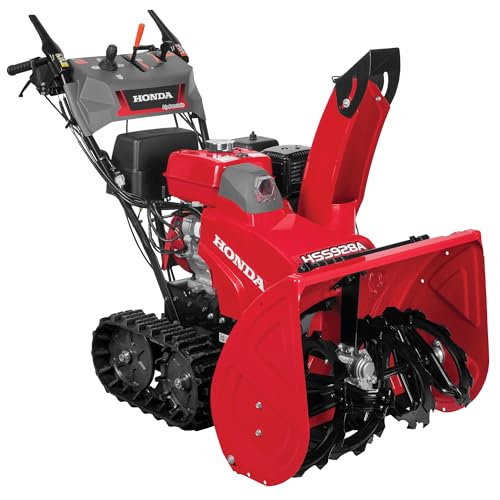
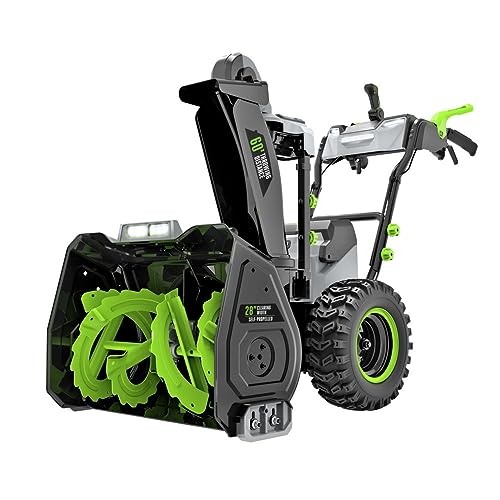
28 Inch Types Compared at a Glance
Almost every 28 inch model is a two stage machine. The auger gathers snow and feeds it to a separate impeller that throws it through the chute. That design handles deep and compacted snow far better than smaller single stage units, which suit lighter falls and shorter paved drives.
Within the width, you choose mainly by power source and drive. Gas models give you long run time and strong throwing power for large lots. Battery models trade some run time for quieter operation, no fuel storage, and simpler upkeep. Track drive versions grip slopes and gravel better, while wheel drive versions roll more easily in a garage and cost less to maintain.
Criteria Used in This Guide
This guide judges the size class on five factors drawn from manufacturer specifications and verified buyer feedback: build materials and weather resistance, size and capacity, assembly effort, durability over many winters, and warranty coverage. A wide housing means little if the chute cracks in cold weather or the drive tires slip on a modest slope. The sections below explain how each factor affects daily use, so you can weigh them against your own driveway and climate rather than trusting a single headline spec.
How to Choose the Right Snow Blower
Size and Form Factor
Clearing width decides how many passes you make, and 28 inches clears a standard two car driveway in fewer trips than a 24 inch model. Intake height matters just as much, since a taller opening swallows drifts and the pile left by a street plow without forcing you to knock snow down first. Check overall length and weight too. A larger housing with power steering still turns easily, while a heavy unit without it can tire your arms. If you want the stage differences explained in plain terms, read our comparison of single stage vs two stage snow blower designs before you decide.
Type and Power Source
Two stage gas models remain the default at this width because they throw wet snow well and refuel in minutes. Three stage designs add an accelerator that moves snow to the impeller faster, which helps in very deep falls but adds parts and cost. Battery two stage models now cover this width for paved suburban drives, and our guide to the best battery snow blower options explains the run time tradeoffs. Corded electric units rarely reach 28 inches, so plan on gas or battery power here.
Self propelled drive is nearly standard at this size, and you should expect it. Pushing a machine this wide through heavy snow without powered wheels is exhausting and slow. Look for several forward speeds and at least one reverse speed, since backing out of a drift or a tight corner is common. Shoppers who already know they want this layout can compare the wider field in our guide to the best two stage snow blower for other widths and budgets.
Features Worth Paying For
Electric start saves real effort on cold mornings, because a plug in starter turns the engine over without repeated pulls on a recoil cord. Heated grips keep your hands working during a long clearing session, and a bright headlight matters if you clear before work or after dark. Power steering lets each wheel turn at its own pace, which makes a heavy machine feel nimble at the end of a row. Chute controls you can work with gloves on, ideally from the operator position, are worth more than extra speeds you will rarely use.
Weather Resistant Materials
Steel housings resist impact from hidden ice chunks and gravel, but they need paint intact to keep rust away. Polymer chutes resist denting and shed sticky snow well, and they never rust, though very old plastic can grow brittle in severe cold. Look for sealed controls, covered cable runs, and fasteners that resist corrosion. Tires with deep tread hold grip longer as they wear. A machine stored in a damp shed ages faster than one kept dry, so material quality and storage habits work together to decide how long the finish and moving parts stay sound.
Size for Your Space
Measure your garage or shed door and the path you will roll the machine through before you buy. A 28 inch housing needs more than 28 inches of clear opening once handles, chute, and tire width are counted. Think about where the machine sits all summer, since it will occupy that floor space for most of the year. Long or wide driveways reward the extra width with fewer passes. Short drives with gates, steps, or parked cars close together may favor a narrower machine that slips through gaps without repeated repositioning.
Assembly and Setup
Most models at this size arrive partly assembled in a large crate. Expect to fit the handles, attach the chute, connect control cables, add oil where the maker ships it separately, and fuel the tank or charge the batteries. Set aside about an hour and a clear floor area, and keep the manual beside you for torque and cable routing details. Check chute rotation and drive engagement before the first storm arrives. Finding a stiff cable in your driveway during a snowfall is far worse than finding it on a calm weekend afternoon.
Care and Off Season Storage
After each use, brush snow from the housing and chute so melt water does not refreeze around moving parts. During the season, check shear pins, belt condition, tire pressure, and skid shoe wear at regular intervals. At the end of winter, run the fuel system dry or treat the fuel as the manual directs, change the oil on gas models, and store the machine clean and dry. Our step by step guide on how to winterize a snow blower covers that routine in full detail.
How Much Should You Spend?
Basic 28 inch gas models start at about $800 to $1,200 and cover most paved driveways well. Spending about $1,200 to $1,800 usually adds power steering, heated grips, a stronger engine, and better chute controls. Premium and track drive models run about $1,800 to $2,500 or more, and that money buys traction, larger tires or tracks, and heavier construction. Battery models in this width often cost about $1,000 to $2,000 once extra batteries are included. Pay for the features your climate demands, not for capacity you will use once a decade.
Is a 28 Inch Snow Blower the Right Size for You?
Choose this width if you clear a driveway that holds four or more cars, a long private lane, or a lot where storms regularly drop deep snow. The extra width over a 24 inch model cuts passes by a clear margin, and the taller intake handles plow piles at the street edge without extra chopping. For homes in heavy snow belts, the best 28 inch snow blower often replaces both a smaller blower and a lot of shovel work at the edges.
Skip this width if your drive is short, your storage is tight, or your typical storm leaves only a few inches. A smaller machine will cost less, turn more easily, and still finish the job quickly. Gravel drive owners can use this size well by raising the skid shoes so the auger rides above loose stone. Sloped drive owners should give track drive a close look, since wheels can spin where tracks keep climbing steadily.
FAQ
What is the best 28 inch snow blower?
There is no single winner for every home, because the right choice depends on your surface, snowfall, and storage space. For most paved driveways with deep snow, a gas two stage model with power steering and electric start offers the strongest all around value. Battery power suits shorter drives where quiet operation matters more than long run time. Match the type to your lot first using the product table above, then compare warranty terms and local dealer support before you order.
What size snow blower do I need?
Match width to the area you clear and the depth you usually face. Small paved drives with light snow do well with 20 to 24 inches, while long or wide drives justify 28 to 30 inches. Depth matters too, since a tall intake saves work in drifted areas. Consider how often big storms hit your town. A size you need twice a year may still be worth it if those storms would otherwise leave your cars trapped until a plow service arrives.
How long does a snow blower last?
A well kept machine in this class often serves for about 10 to 15 years of home use. Life span depends on engine care, belt and shear pin replacement, and dry storage more than on brand alone. Salt exposure shortens the life of steel parts, so rinse and dry the housing after clearing near salted streets. Keeping spare shear pins and a spare belt on hand also prevents a minor failure in midwinter from turning into weeks of downtime while parts ship.
Is a snow blower worth it?
For homes with regular snow, yes, because clearing by machine is faster and far less strain on your back and shoulders than shoveling a full driveway. The math improves with driveway length and storm frequency. If you pay for plow service several times each winter, ownership can pay for itself within a few seasons. People with heart conditions or limited mobility should ask their doctor about safe exertion in cold air, and may prefer hiring help for the heaviest storms even if they own a machine.
How do you clean a snow blower?
Turn the engine off, remove the key or battery, and wait for all moving parts to stop before you touch the housing. Use a clearing tool or a wooden stick, never your hands, to free packed snow from the chute and auger area. Brush the exterior clean, wipe metal parts dry, and check for ice around the impeller before storage. Cleaning right after each use also gives you a natural moment to spot loose fasteners, cracked paddles, or fluid leaks.
What is the most reliable snow blower brand?
Reliability tracks model design and upkeep more than a badge on the housing. Brands with wide dealer networks make warranty work and parts easier to get, which matters when a belt fails in January. Look for a warranty of at least two to three years, clear parts availability, and a manual that lists service intervals in plain language. A slightly plainer model you can service locally will often outlast a feature rich model that needs shipping for every repair.
Final Thoughts
Start with your driveway, not with a spec sheet. Measure your storage space, count your typical passes, and decide whether gas or battery power fits your routine. Then use the materials, features, and budget points above to compare the types in the product table above with fresh eyes.
For most households with deep snow and room to store it, the best 28 inch snow blower is a two stage model with power steering, electric start, and a steel housing you maintain well. If you want to compare every width and power type in one place, see our full guide to the best snow blower before you buy.