
Best 2 Stage Snow Blower: A Complete Buying Guide
Disclosure: We may earn a commission when you buy through links on this page, at no extra cost to you. As an Amazon Associate I earn from qualifying purchases. Learn more
If you have spent a winter morning making three passes over the same stretch of driveway because your machine keeps bogging down in wet, heavy snow, you already know the frustration a stage count can fix. Finding the best 2 stage snow blower for your property is not really about horsepower or brand names. It comes down to a simpler question: does your driveway and climate call for a machine with both an auger and an impeller, or would a lighter single-stage unit do the job? This guide focuses specifically on how stage count, not fuel type, changes what a snow blower can handle. You will learn how a two-stage machine works, how much snow and driveway it can realistically manage, and how terrain, surface, and cost should shape your decision.
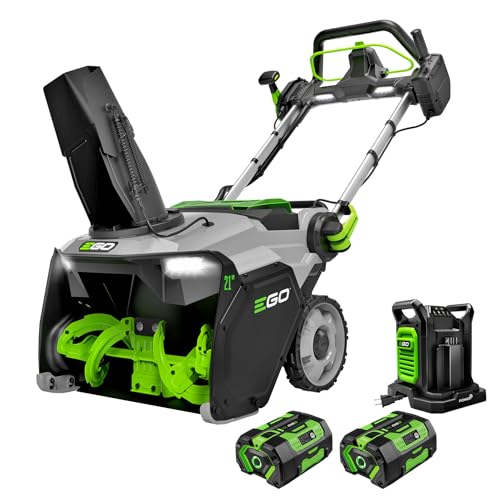
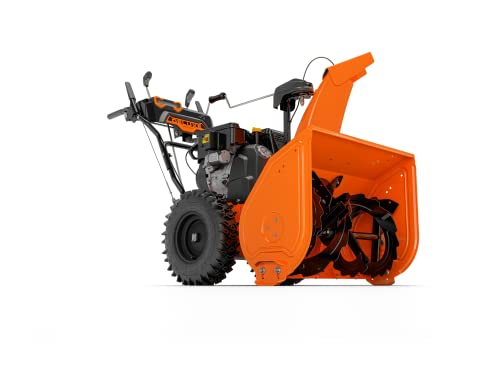
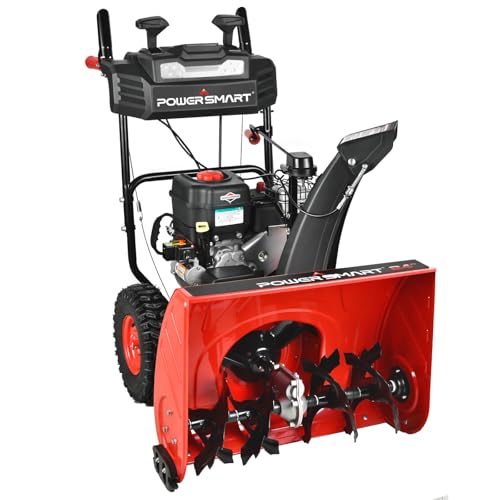
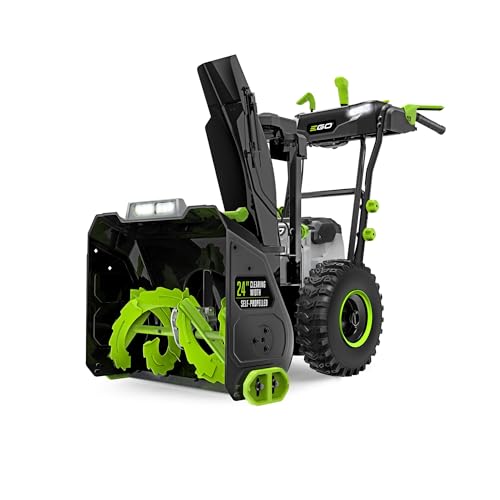
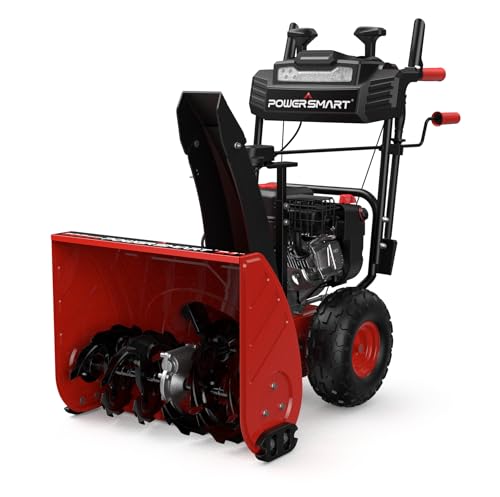
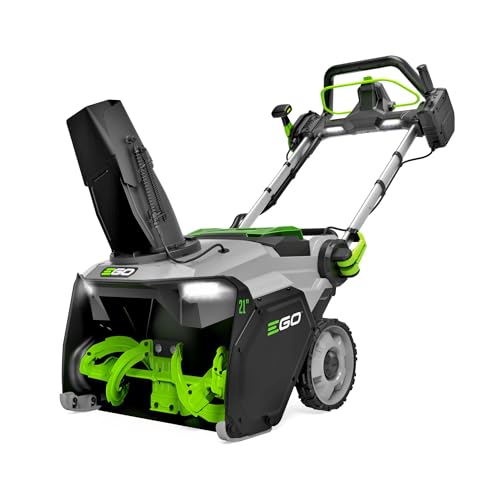
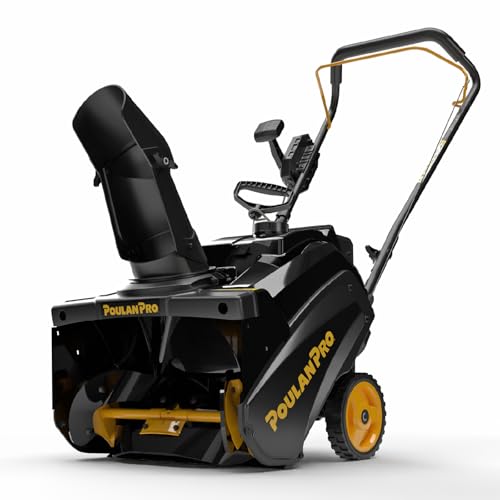
Two-Stage vs. Single-Stage vs. Three-Stage: What the Numbers Actually Mean
Snow blowers get grouped by how many mechanical steps they use to move snow from the ground to the discharge chute. That number matters more than almost any other spec, because it determines what kind of snow the machine can chew through without stalling or clogging.
How a Two-Stage Machine Works
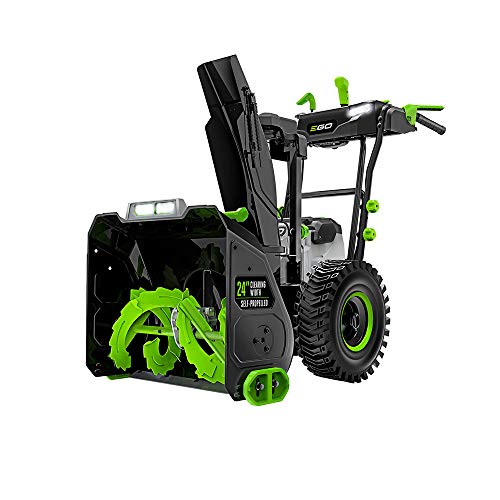
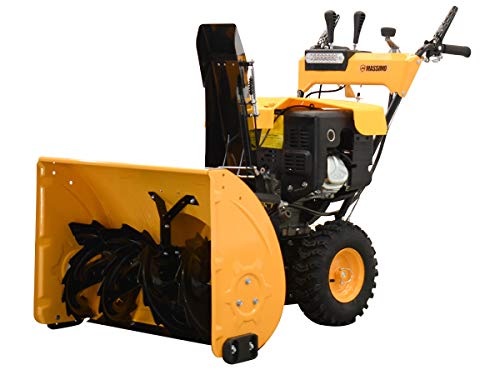
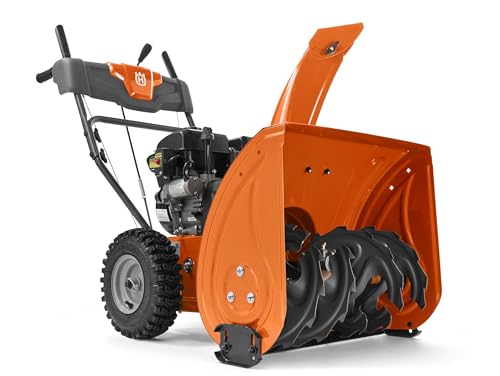
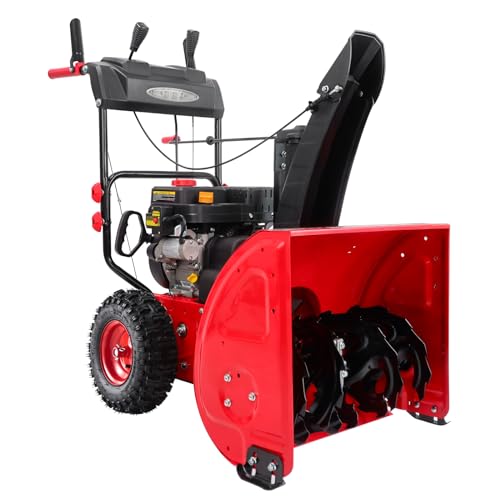
A two-stage snow blower uses a metal auger to pull snow in and break it up, then feeds it into a separate impeller, a fan-like component that forces the snow out through the chute at speed. Because the auger and impeller do different jobs, the machine can process far more volume per pass than a single spinning part could manage on its own. This is also why two-stage machines float slightly above the ground on wheels rather than scraping the surface directly, which protects both the machine and gravel or paver surfaces underneath.
When Single-Stage Falls Short
Single-stage models rely on one rubber-edged auger that both collects and throws snow in a single motion. That design works fine for a few inches of light, powdery snow on a short walkway, and many electric single-stage models handle that kind of light duty well. But single-stage units struggle once snow gets deep, wet, or compacted by foot traffic. Owners who try to push one through 8 or more inches of heavy snow often end up making repeated passes, which is exactly the pain point that pushes most shoppers toward a two-stage machine in the first place.
When Three-Stage Earns Its Price Tag
A three-stage machine adds an accelerator between the auger and impeller, essentially a second set of blades that chops snow faster and feeds the impeller more efficiently. That extra step mostly matters for very deep, icy, or compacted snow, the kind you get after a plow leaves a wall at the end of your driveway. For most residential properties, that level of power is overkill, which is why two-stage remains the sweet spot for the majority of buyers comparing the two.
How Much Snow and Driveway a Two-Stage Machine Can Actually Handle
Manufacturers rate two-stage machines for medium to heavy snow, generally up to 16 to 20 inches deep in a single pass, though real-world performance depends on how wet and dense the snow is. Fresh powder clears easily even at the upper end of that range. Wet, slushy snow, the kind common in coastal or transitional climates, taxes the engine and intake more, so it helps to size slightly above your average snowfall rather than right at it.
Snow Depth and Density
If your region regularly sees storms that drop more than 6 inches, or if snow tends to arrive heavy and wet rather than powdery, a two-stage machine earns its keep quickly. Lighter, drier climates with occasional dustings may never need more than a single-stage unit, so it is worth being honest about your typical winter before spending more on capacity you rarely use.
Driveway Length and Frequency of Use
Length matters as much as depth. A driveway under 60 feet with light snow is manageable with almost anything, but longer driveways, multiple parking areas, or daily clearing needs all favor the extra throwing distance and continuous power a two-stage machine provides. If you are clearing snow several times a week for an entire season, the time saved per session adds up fast.
Matching Clearing Width and Traction to Your Property
Two variables decide how efficiently a two-stage snow blower actually clears your specific space: how wide a path it cuts, and how well it grips the ground while doing it.
Clearing Width That Fits Your Driveway
For a single-car driveway, a clearing width in the low to mid 20-inch range is usually plenty. Wider driveways, shared parking areas, or properties that also need sidewalks and paths cleared benefit from at least 24 inches, since every extra inch of width means fewer passes to finish the job. Going too narrow on a large property is a common regret among first-time two-stage buyers.
Wheel Drive vs. Track Drive on Hills
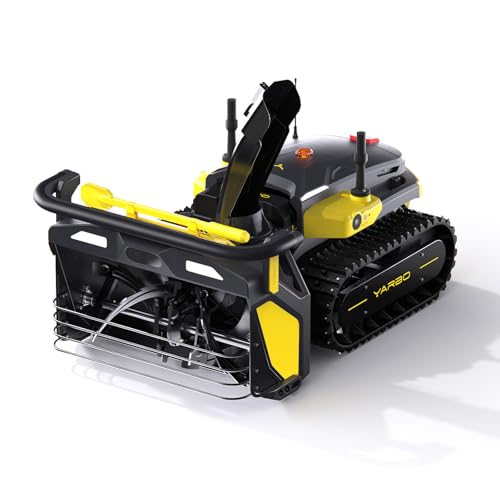
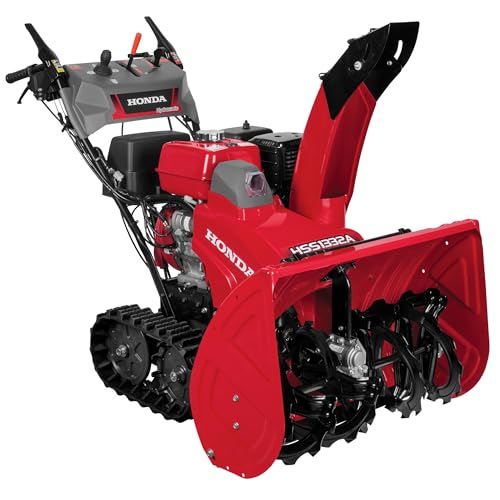
Most two-stage machines use wheel drive, which works well on flat to gently sloped, paved surfaces. If your driveway has a real incline, wheel-driven models can slip or slide sideways, especially on ice underneath fresh snow. Track-drive versions swap wheels for rubber tracks that stay in constant contact with the ground, giving noticeably better grip on hills and uneven terrain. Track drive typically costs more and can be slightly harder to steer on flat ground, so it is worth choosing based on your actual terrain rather than assuming more traction is always better.
Surfaces That Change What You Should Buy
The ground under the snow affects a two-stage machine just as much as the snow itself, particularly when it comes to protecting both your property and the equipment.
Gravel and Paver Driveways
Because two-stage augers sit slightly above the surface, they are generally safer for gravel than single-stage units, but not automatically gravel-proof. Look for adjustable skid shoes, which let you raise the auger housing to clear the top of loose gravel, and a metal scraper bar and discharge chute rather than plastic, since flying gravel wears plastic components down quickly. Skipping this check is one of the more common mistakes buyers make when moving from a paved driveway to a gravel one.
Paved and Asphalt Surfaces
On smooth pavement or asphalt, the skid shoes can sit lower to scrape closer to the ground for a cleaner finish, and wear on the machine is minimal. If your property has both a paved driveway and a gravel path, plan to adjust the skid shoes between surfaces rather than leaving one setting for everything.
What Two-Stage Machines Cost, and Why
Two-stage snow blowers generally start around where the higher end of single-stage models leave off and climb from there based on engine size, clearing width, and features like electric start, heated grips, or remote chute control. That gap in price reflects real differences in build, a heavier steel frame, a more powerful engine, and the added impeller mechanism, all of which cost more to manufacture but also last longer under heavy seasonal use. Buyers who only need occasional light clearing may find that cost hard to justify, while anyone dealing with a long driveway or frequent heavy snow tends to make that money back in saved time and reduced strain over several seasons. Gas engines remain the standard power source for most two-stage and three-stage machines, since they deliver the sustained torque needed to keep an auger and impeller running through dense snow without losing power partway through a long driveway.
Frequently Asked Questions
What is the difference between a single-stage and a two-stage snow blower?
A single-stage machine uses one auger to both collect and throw snow, while a two-stage machine adds a separate impeller that pushes snow out after the auger breaks it up. That second stage lets it handle deeper, heavier snow with less strain and clears more per pass.
How much snow can a two-stage snow blower handle?
Most two-stage models are rated for medium to heavy snow up to roughly 16 to 20 inches in a single pass, though wet or dense snow reduces that effective capacity compared to dry powder. Sizing slightly above your average storm depth is a safer bet than sizing to the average.
Is a two-stage snow blower worth it for a gravel driveway?
Yes, as long as it has adjustable skid shoes and a metal scraper bar, since the auger housing floats above the surface rather than scraping directly against it. Without those features, loose gravel can still get pulled in and thrown through the chute.
What size two-stage snow blower do I need for my driveway?
A clearing width in the low 20-inch range suits a single-car driveway, while wider driveways or shared parking areas do better with 24 inches or more. Longer driveways also benefit from a larger engine to maintain speed and throwing distance over multiple passes.
Are two-stage snow blowers better on hills?
Two-stage machines handle hills better than single-stage units simply because of their added weight and power, but wheel-drive versions can still slip on steep or icy inclines. A track-drive two-stage machine offers meaningfully better traction if your driveway has a real slope.
What is the difference between two-stage and three-stage snow blowers?
Three-stage machines add an accelerator between the auger and impeller that chops and speeds up snow intake, which mainly helps with very deep, icy, or heavily compacted snow. For most residential driveways, a two-stage machine provides enough capacity without the added cost and size of a three-stage model.
Do two-stage snow blowers need a lot of maintenance?
They need more upkeep than a single-stage unit, mainly fresh fuel and oil, occasional belt checks, and replacing shear pins if the auger hits something hard, but none of it is complicated. Keeping shear pins accessible and checking them each season prevents most unexpected breakdowns.
Making the Call
A two-stage snow blower makes sense once your driveway, climate, or terrain pushes past what a single-stage machine can comfortably handle. Match the clearing width and drive type to your actual property, check that skid shoes and scraper bars suit your surface, and the extra investment tends to pay for itself in saved mornings all winter long.