Best 18 Inch Snow Blowers (2026): Buying Guide
Disclosure: We may earn a commission when you buy through links on this page, at no extra cost to you. As an Amazon Associate I earn from qualifying purchases. Learn more
What to check before you buy the best 18 inch snow blower: power source, intake height and storage, and which type fits your home.
Finding the best 18 inch snow blower for your home starts with a simple problem. A full size machine clears fast, but it takes up garage space, feels heavy on a narrow walk, and can be awkward to lift onto a deck. An 18 inch model promises a smaller footprint and easier handling, yet it clears less snow per pass and has firm limits in deep or wet snow.
This guide helps you judge that trade off. We compare the main types by build materials and weather resistance, size and capacity, power source, assembly, and value. The comparison table below sums up the key differences side by side.

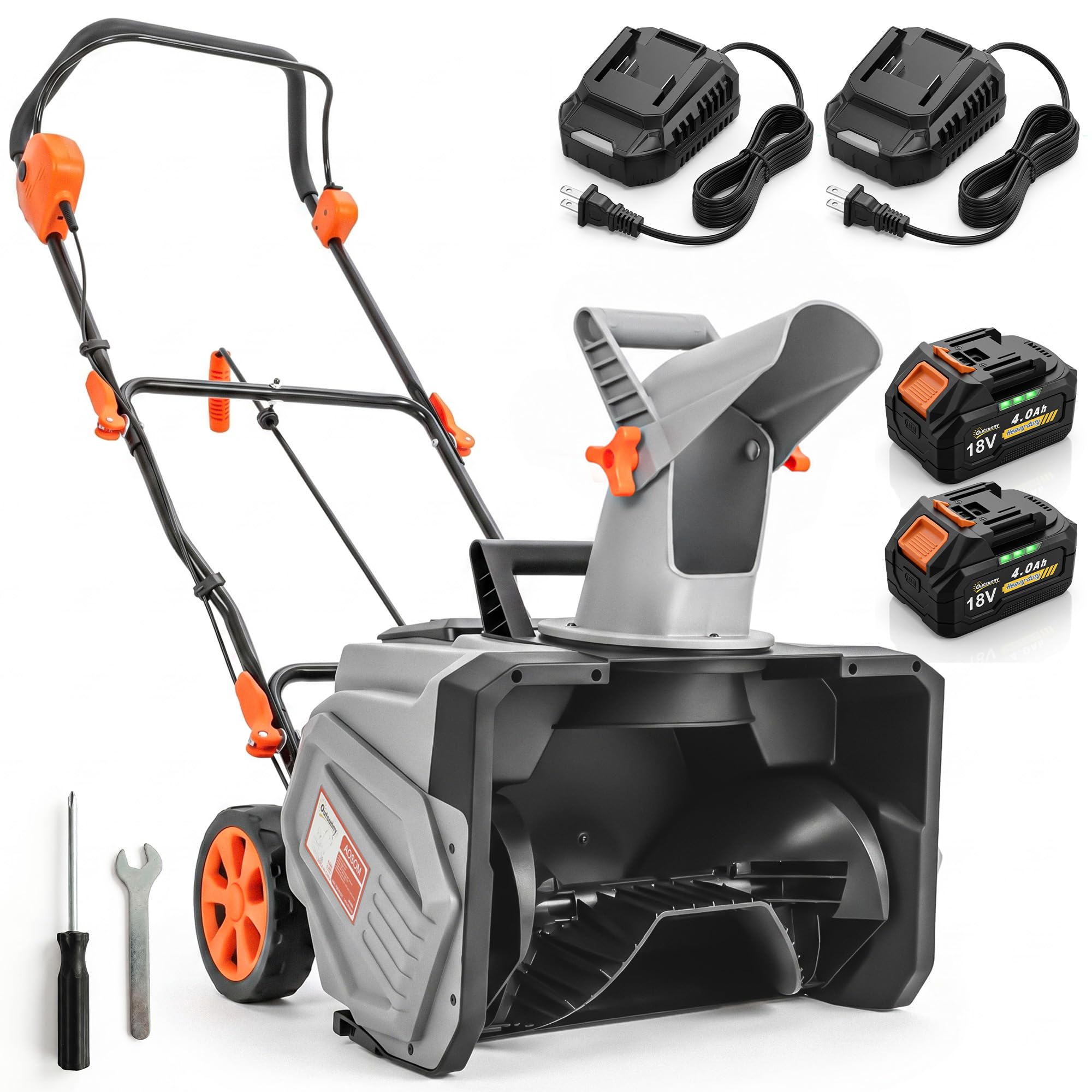

Types of 18 Inch Snow Blowers at a Glance
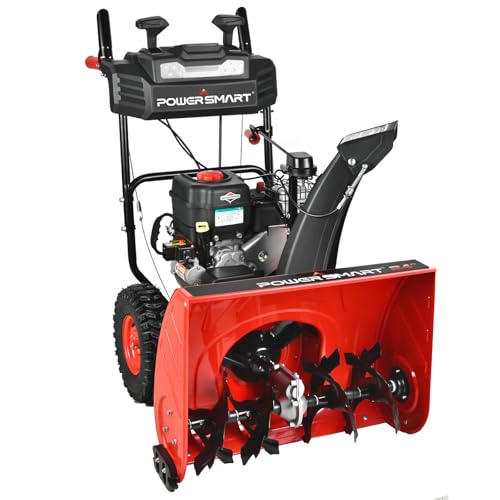
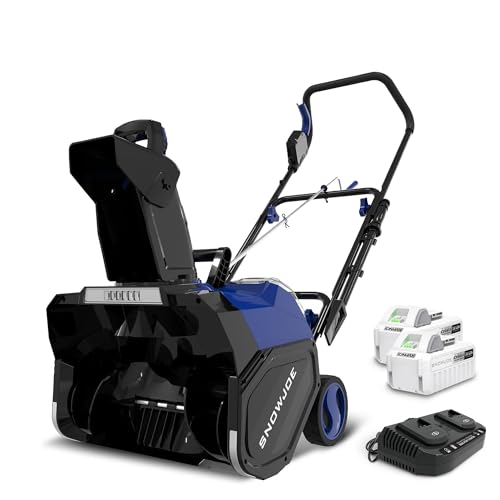
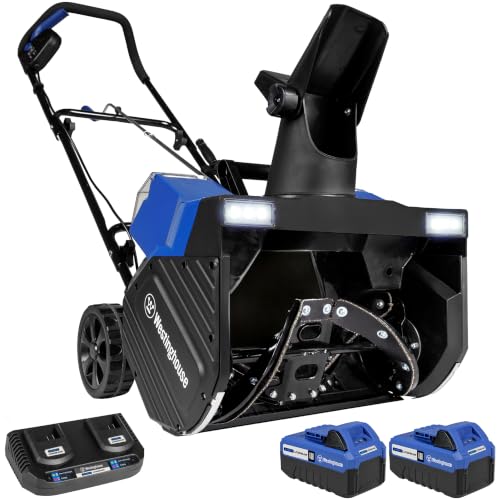
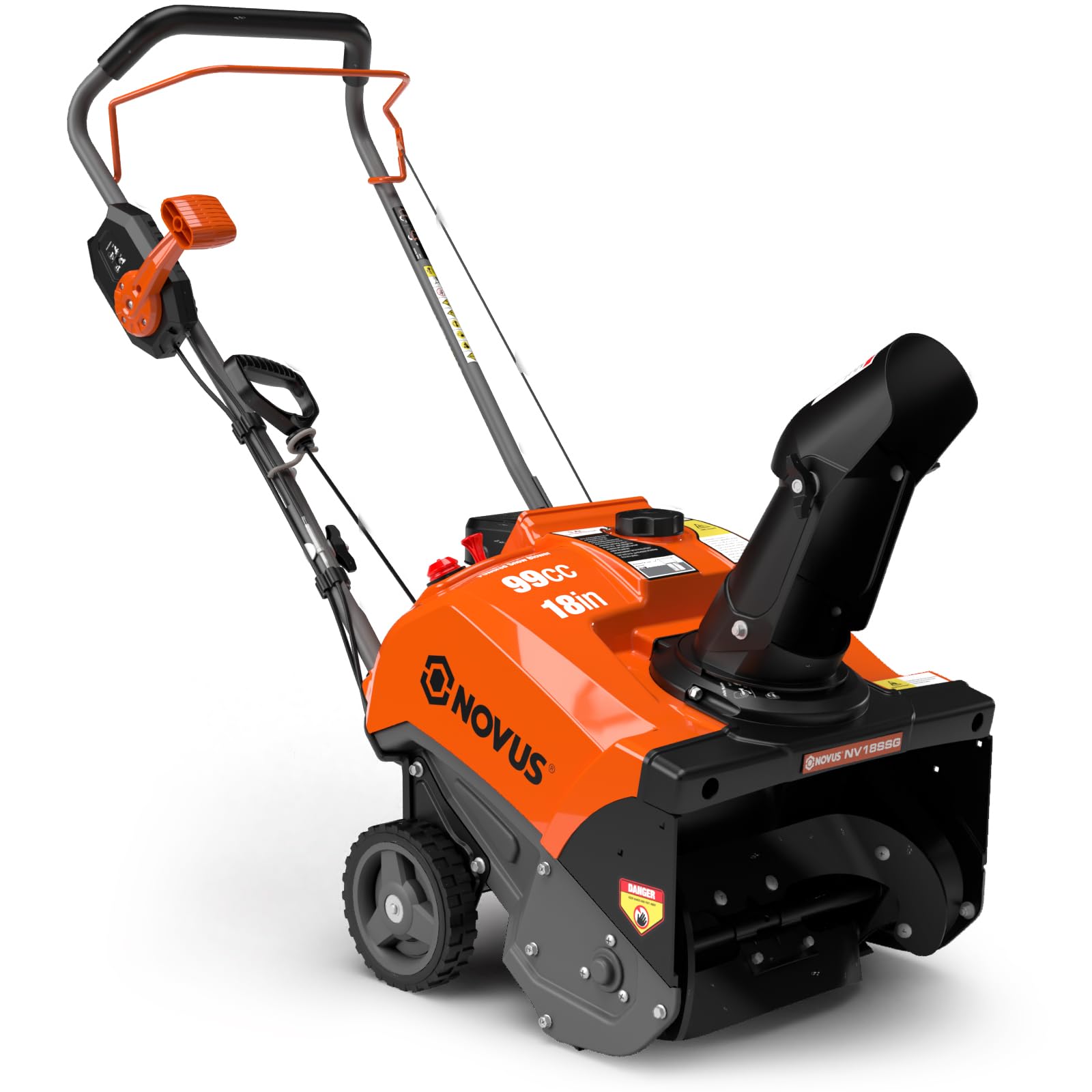
Almost every 18 inch model is a single stage machine in one of three power formats. Corded electric models are the lightest and simplest, and they suit short walks near an outlet. Battery models remove the cord, but runtime and charging shape your session. Gas models bring the most clearing power in this width, along with fuel care, more noise, and more weight.
- Corded electric: light and low in upkeep, but tied to cord length and outlet access.
- Battery powered: easy starting and no fuel, with runtime set by battery size and snow depth.
- Gas single stage: stronger in heavier snow, but louder, heavier, and higher in routine care.
How the Three Types Compare for Everyday Clearing
Corded Electric for Short Walks and Porches
A corded electric model fits a home where the clearing area sits close to the house. You get instant starting, no oil changes, and a body light enough to carry up porch steps or hang on a garage wall. The limits are reach and patience. You will manage the cord on every pass, keep it clear of the auger, and plan your route so the cord stays behind you.
Battery Powered for Freedom Without Fuel
A battery model gives you easy electric starting without a cord trailing across the drive. That freedom helps on walks that turn corners, on decks, and on drives with no nearby outlet. Runtime is the deciding factor, since cold weather and wet snow both drain a pack faster than light powder does. A second battery or a larger pack can matter more than a small gain in motor rating.
Gas Single Stage for Heavier Snowfall Areas
A gas single stage model is the strongest option at this width and the one most likely to handle the dense pile the plow leaves at the end of a drive. The rubber edged auger pulls the machine forward as it works and clears down close to pavement, which suits concrete and asphalt. You trade that strength for fuel storage, oil changes, more noise, and much more weight.
How to Compare 18 Inch Snow Blowers
Compare models on the same grounds each time, using maker specifications and verified owner feedback rather than headline claims. Look first at build materials and weather resistance, then at size and capacity, meaning clearing width, intake height, and throwing distance. Finish with assembly time, auger material, housing construction, and warranty length.
How to Choose the Right Snow Blower
Size and Form Factor
Clearing width decides how many passes a job takes, and intake height decides how much snow the machine can swallow in one pass. Most 18 inch models have an intake of about 10 to 13 inches, so they handle moderate storms well when you clear during the snowfall instead of after it ends. Stage type matters as well. Single stage paddles suit paved surfaces and moderate depth, while larger two stage and three stage machines start at wider sizes and handle deep snow and gravel, which is why no true two stage model exists at this width.
Power Source and Throwing Distance
Power source shapes both strength and routine. Corded models deliver steady power but limited reach, battery models trade runtime for mobility, and gas models deliver sustained power with fuel upkeep. Throwing distance claims deserve a careful read, since makers measure under ideal powder conditions, and wet snow travels a shorter distance than dry snow from the same machine. A realistic range for compact models is about 20 to 30 feet, and chute control matters more, because placing snow well prevents a second clearing job on the next pass.
If you are still weighing power formats, our guide to the best electric snow blower range explains corded care and cord ratings in more depth.
Features Worth Paying For
Some features earn their cost on a compact machine, and others add weight you will feel on every turn. Electric start is worth it on gas models if cold morning pull starts worry you. A chute that rotates from the handle saves repeated stops. Heated handles and power steering belong mostly to larger machines, so paying for them at this size rarely makes sense. Folding handles pay off daily if storage space is tight, since they cut the stored footprint.
Weather Resistant Materials
Housing and auger materials decide how a machine ages through freeze and thaw cycles. Steel housings resist impact from hidden ice chunks but need paint care to hold off rust where the finish chips. Polymer housings never rust and keep weight down, though very cold plastic can crack under a hard impact. Rubber paddle edges wear by design, so confirm that paddles and scraper bars are sold as spares before you buy.
Size for Your Space
Measure your narrowest gate, your walk width, and the space between parked cars before you fall for any specification. An 18 inch cut fits through most garden gates and between vehicles where a 24 inch machine cannot pass, and it stores in the corner of a small garage. The flip side is pass count. A two car drive can take twice as many passes with this width as with a wider machine, so the handling gain shrinks as your paved area grows. Rubber paddle models also clear decks close to the surface without gouging wood, and their light weight makes lifting them up steps realistic for one person. If your main areas are larger, compare your needs against the broader best snow blower options before you commit to a compact width.
Assembly and Secure Setup
Most compact models arrive partly assembled, with the handle, chute, and chute control left for you to fit. Allow about 20 to 30 minutes, lay out the fasteners first, and tighten the chute hardware last so you can align its swing before locking it down. For corded models, setup includes a cord restraint at the handle, which keeps tension off the plug when you turn.
How Much Should You Spend?
Price bands at this size are narrower than for snow blowers as a whole. Corded electric models often sit under $300 and cover light duty needs well. Battery models commonly run about $300 to $600 once you include the battery and charger, and buying into a battery family you already own can cut that cost a lot. Gas single stage models often run about $400 to $800, with electric start at the upper end. Paying over $1000 usually means stepping up to a wider two stage machine rather than a better 18 inch one. Our explainer on single stage vs two stage snow blower designs shows where each class makes sense.
Is an 18 Inch Snow Blower the Right Size for You?
This size suits three situations well. First, homes with a short one car or two car drive, city walks, and porches, where paved area is modest and storms are usually moderate. Second, homes with limited storage, where a folding handle and a light body decide whether the machine lives indoors at all. Third, owners who clear a deck or patio and need a machine one person can lift.
It is the wrong size if your drive is long, your region gets frequent storms over about 12 inches, or your surface is gravel. On gravel, a single stage paddle rides close to the ground and can throw loose stones, which is a safety risk and hard on the paddle. A wider two stage machine with an adjustable housing height is the safer match there. If you lean toward cord free clearing, the best battery snow blower options show how runtime classes compare.
Common Mistakes to Avoid
- Waiting until the storm ends: snow deeper than the intake height forces slow partial passes and strains the motor or engine.
- Pushing into the plow pile at full width: the dense pile at the drive end can stall a compact machine, so take narrow bites from the side.
- Using a thin indoor extension cord outdoors: an undersized cord starves a corded motor of power and can overheat under load.
- Clearing gravel with the paddle set low: loose stones get thrown with the snow and can injure someone or break a window.
- Storing the machine wet: packed snow left in the housing melts, refreezes, and can lock the auger before the next storm.
- Ignoring paddle wear: a worn paddle leaves a layer of snow behind and makes the machine feel weak when the real fault is a wear part.
How to Make Your Snow Blower Last Longer
Care for this size of machine is quick, and most of it happens in the ten minutes after you finish clearing. Knock packed snow out of the auger housing and chute with the clean out tool while the machine is off, then let the housing dry before you park it. Wipe melt water off metal parts, check the paddle edge and scraper bar for wear every few uses, and tighten fasteners that vibration loosens over a season.
Battery packs last longer when stored partly charged in a dry indoor space, and gas models need fuel care before storage. Our guide on how to winterize a snow blower covers end of season steps in order. With steady care, owners often see many seasons of service, and our article on how long does a snow blower last explains what shortens or extends that span.
FAQs
What is the best 18 inch snow blower?
The best choice depends on distance from an outlet, typical snow depth, and storage space rather than on one universal winner. Choose corded electric for short areas near the house, battery power for cord free clearing of small drives and decks, and gas for heavier snowfall and plow piles.
What size snow blower do I need for a two car driveway?
An 18 inch model can clear a two car drive, but expect roughly twice the passes of a 24 inch machine and more time in deep snow. It works well if storms are moderate and you clear once during the storm. If your drive is also long, or snow often rises above the intake height, a wider machine becomes the practical choice.
Is a snow blower worth it for light snow areas?
It can be, even where storms are small, if the clearing area is more than a short front walk. Shoveling even light snow adds up across a full season, and a compact electric model stores in very little space between uses.
How do you clean a snow blower after use?
Always clean with the machine switched off, the cord unplugged or the battery removed, and the engine cool on gas models. Use the fitted clean out tool or a wooden stick, never your hand, to clear the chute and auger area. Brush snow off the top of the housing too, because snow left there melts down into linkages and switches.
What makes one snow blower brand more reliable than another?
Reliability at this size comes less from the badge and more from parts support and simple design. Brands that stock paddles, scraper bars, and belts for years after a model sells make repairs cheap and quick. Fewer electronic extras also mean fewer failure points in cold and wet conditions. Check parts support for the exact model before you buy it.
Final Thoughts
An 18 inch machine rewards honest sizing. Match the power type to your distance from an outlet and your snowfall, confirm the intake height against your typical storm, and value easy storage and spare parts over headline throwing claims. If that match looks right, the best 18 inch snow blower for your home will clear your walks and drive without taking over your garage. Use the product table above to compare the final candidates.