Best 26 Inch Mountain Bike Wheels of 2026: Complete Buying Guide
Disclosure: We may earn a commission when you buy through links on this page, at no extra cost to you. As an Amazon Associate I earn from qualifying purchases. Learn more

A practical guide to the best 26 inch mountain bike wheels, covering rim width, hubs, axle standards, brake fit, and tubeless setup for your riding style.
Wheels change how a bike accelerates, grips, and survives rough ground more than almost any other upgrade. Choosing the best 26 inch mountain bike wheels starts with matching rim width, hub spacing, axle type, and brake standard to the frame you already own. Get one of those details wrong and a fine wheelset simply will not fit, no matter how strong or light it looks in photos.
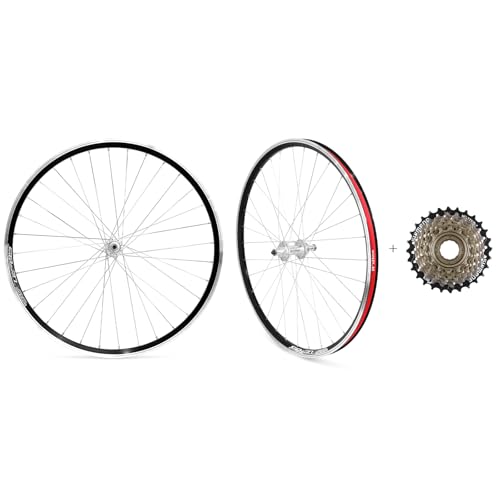
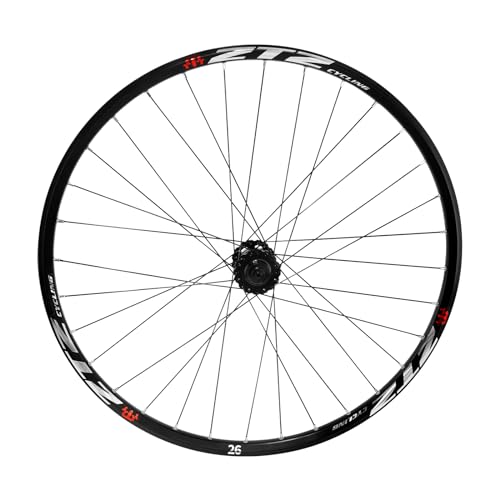
This guide explains the compatibility checks first, then weight, rim material, spokes, and tubeless setup, so you can buy once and ride. Use the product table to line up the core specs, then work through the sections that follow before you spend.




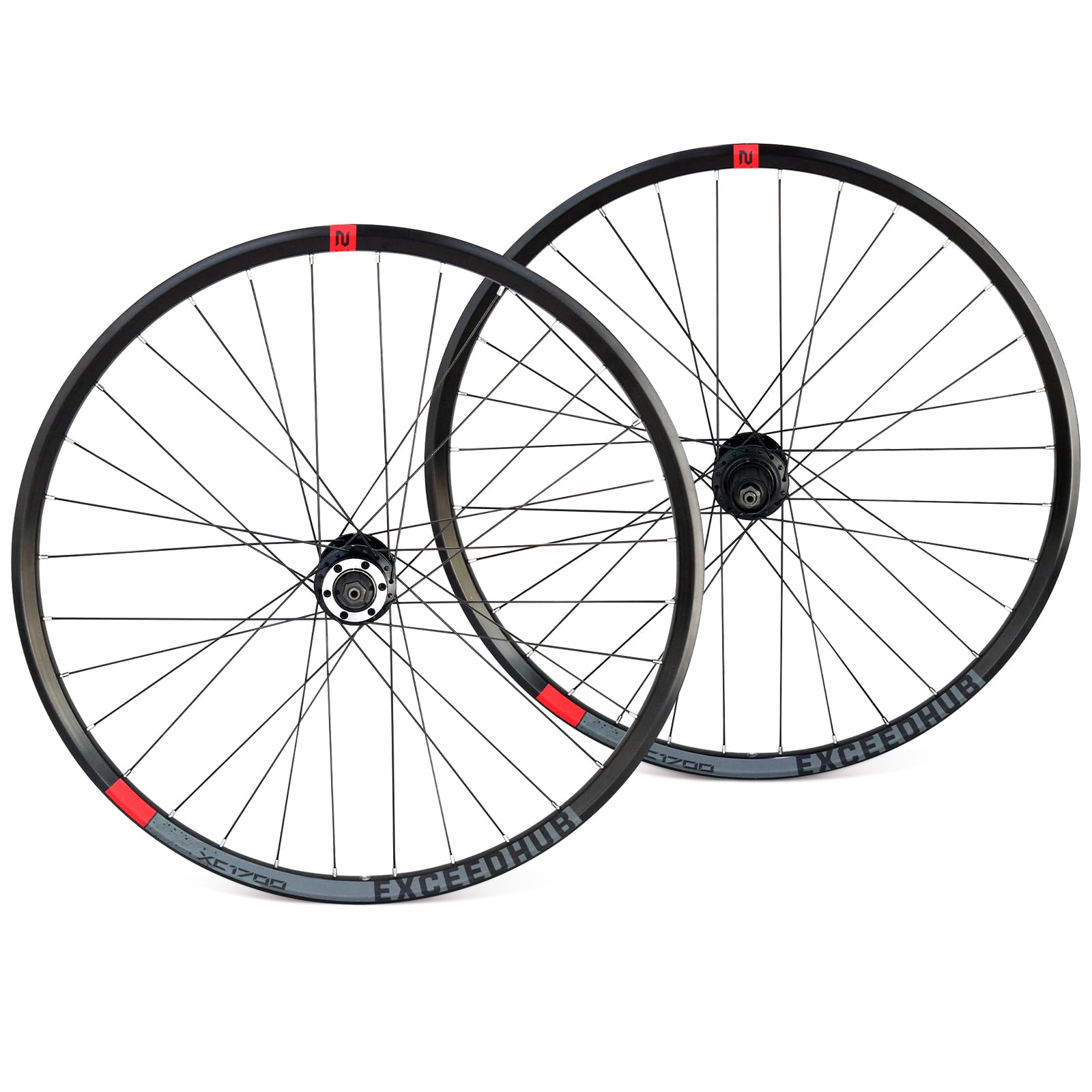


How to Choose the Best 26 Inch Mountain Bike Wheels: Buying Guide
Bike Type and Riding Style
Cross country riders should favor lighter rims and faster rolling hubs, because repeated acceleration is the whole game on flowing trails. Trail riders need wider rims and stronger spokes for drops and rock gardens. If your bike also handles road and gravel miles, choose a rim width that still lets a narrower tire seat safely, and remember that a wheel built only for pavement will not survive regular trail impacts.
Suspension (Hardtail vs Full Suspension) and Travel
Your suspension setup shapes how much abuse the wheels take. A hardtail sends rear impacts straight into the rim, so rear wheels on hardtails benefit from stronger rims and higher spoke counts. Full suspension bikes with 100 to 160 mm of travel encourage faster, rougher descents, which demand rims rated for trail or enduro use rather than light cross country hoops, even though the suspension softens each hit.
Rim Width and Tire Size
Most 26 inch trail wheels have an internal rim width of roughly 19 to 30 mm. Wider rims support the tire sidewall at lower pressure, which adds grip and comfort. Check the tire width range the rim maker recommends, and make sure your frame and fork clear the tire you plan to run.
Brakes (Hydraulic vs Mechanical Disc)
Wheels must match your brake type before anything else. Disc brake wheels use either a six bolt rotor mount or a Center Lock mount, and the two systems need different hardware. Rim brake wheels need a flat braking surface on the rim and will not work with disc calipers at all. Whether your brakes are hydraulic or mechanical changes lever feel, but the rotor mount on the hub is the detail that decides fit.
Sizing and Fit
Fit for wheels means axle and hub standards, not rider height. Older 26 inch frames often use quick release axles with 100 mm front and 135 mm rear spacing, while newer frames may use thru axles at wider spacings. Measure your current hubs or check the frame maker specs before ordering, and confirm the freehub body matches your cassette, because Shimano and SRAM drivers are not interchangeable on many hubs.
Frame Material and Geometry
Frame material and geometry affect which wheels feel right. A stiff carbon frame with a slack head angle rewards a strong wheel that holds a line at speed, while a flexible steel frame pairs happily with a slightly more forgiving aluminum rim. Tire clearance in the frame and fork sets your maximum tire width, so a wide rim is wasted if the frame only clears a 2.2 inch tire.
Drivetrain and Gearing
The rear hub carries your drivetrain, so gearing choices start at the wheel. Hub engagement speed, measured in degrees or points of engagement, decides how quickly power returns when you pedal out of a corner. Riders on technical climbs notice slow engagement as a dead spot in each pedal stroke. Also confirm the hub driver suits your cassette range, especially with wide range 1x drivetrains that use small top cogs.
Types of 26 Inch Mountain Bike Wheels
Road and Gravel Bikes
Road and gravel wheels are built for larger 700c sizes and narrow tires, so they do not swap onto a 26 inch mountain frame. Their relevance here is as a warning: diameter must match exactly. Riders who split time between dirt and pavement should buy a second mountain wheelset with faster tires rather than forcing road wheels into a mountain frame.
Full Suspension Mountain Bikes
Wheels for full suspension mountain bikes need to handle higher speeds and bigger impacts, so they favor stronger rims, 32 spokes, and hubs with durable bearings. Because the rear suspension keeps the tire planted, a slightly wider rim pays off in cornering grip. Riders starting from a complete bike can compare options in our guide to the best 26 inch mountain bike before upgrading wheels alone.
Kids' Bikes
Youth bikes with 26 inch wheels need light rims above all, because heavy wheels make a smaller rider work harder on every start and climb. Simple hubs, moderate spoke counts, and tires with modest tread keep the bike easy to handle. Riders looking for a smaller frame may also want our guide to the best women's 26 inch mountain bike for frame pairing ideas.
Hardtail Mountain Bikes
Hardtail mountain bikes benefit most from a strong rear wheel, since there is no rear shock to absorb impacts. A rim with a generous width supports the tire at lower pressure, which adds comfort and grip that the frame cannot provide. If you ride a hardtail, our guide to the best 26 inch hardtail mountain bike explains how wheel and frame choices work together.
Setup and Care Tips
- Check tire pressure before every ride. Tubeless setups often feel best around 22 to 30 psi for trail use, adjusted for rider weight and rim width.
- Refresh tubeless sealant every two to three months. Sealant dries out over time, and old sealant cannot plug a fresh puncture on the trail.
- Check spoke tension by hand monthly. A wheel that feels uneven, with some spokes loose and others tight, needs a shop true before spokes start breaking.
- Clean and lube the chain every 100 to 200 miles. A clean drivetrain protects the cassette mounted on your rear hub and keeps shifts crisp.
- Have a professional tune up yearly. Ask for bearing checks in both hubs, because grit in a hub shortens wheel life faster than rim wear does.
Riders comparing diameters can see how specs shift in our guide to the best 29 inch mountain bike wheels, and those rebuilding a damaged wheel rather than replacing the set should read about the best 26 inch mountain bike rims for rim only options.
Frequently Asked Questions
What size wheel do I need?
For wheels, size means exact diameter and hub spacing rather than rider height. Your frame decides both, so confirm 26 inch diameter, front and rear spacing, axle type, and brake mount from the frame specs. A 27.5 or 29 inch wheel will not fit a frame and fork built for 26 inch wheels, and forcing a fit changes handling and brake alignment.
Hardtail or full suspension for beginners?
Beginners usually start on a hardtail, and wheel choice should follow that simplicity: a durable aluminum set with common parts you can replace anywhere. Full suspension riders can justify stronger and wider rims because their speeds on rough descents are higher. Either way, buy the wheel that matches your current frame standards instead of a standard you hope to own later.
Can I use disc brake wheels on a rim brake bike?
Only if the rim also has a flat braking surface. Many disc specific rims do not, and a rim brake wheel has no rotor mount for disc calipers. Check which brake type your frame and fork support, then buy wheels made for that system.
Is tubeless worth it on 26 inch wheels?
For most trail riders it is. Tubeless ready rims and tires let you run lower pressure for grip and reduce pinch flats. It does add sealant upkeep, so casual riders who stick to smooth paths can stay with tubes and simple rim tape.
How much should I spend on a wheelset?
A dependable 26 inch wheelset usually costs around $100 to $350, with stronger hubs and wider tubeless ready rims toward the top of that range. Spending more mainly buys lower weight, faster hub engagement, and better bearings. If your whole bike cost less than a premium wheelset, balance the budget: tires and brakes often improve a bike more than exotic wheels do.
Wrapping Up
Start with compatibility, then rim width for your tire size, then hub quality you can service locally. Those three checks prevent nearly every bad wheel purchase. Choose the best 26 inch mountain bike wheels that fit your frame standards and your trails, and confirm the details in the product table before you order.