Best 20 Inch Mountain Bike 2026: Kids Trail Guide
Disclosure: We may earn a commission when you buy through links on this page, at no extra cost to you. As an Amazon Associate I earn from qualifying purchases. Learn more
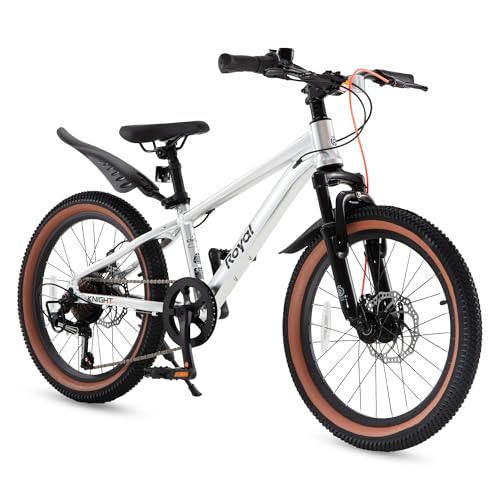
Parents choosing the best 20 inch mountain bike for a young rider: fit, brakes, gears, weight, tires, and safety for first trails.
The best 20 inch mountain bike for a young rider is one that fits well, since fit and confidence matter far more than advanced components on first trails. Twenty inch wheels suit smaller children, typically early primary ages, and they keep the bike light and manageable on dirt paths. This guide explains sizing, brakes, gears, and safety for first trail bikes.
The product table gives an overview of the main 20 inch styles, and the sections that follow cover fit checks, brake types, gear simplicity, weight, and trail skills. A bike that fits today will get ridden far more than a larger bike saved for next year.

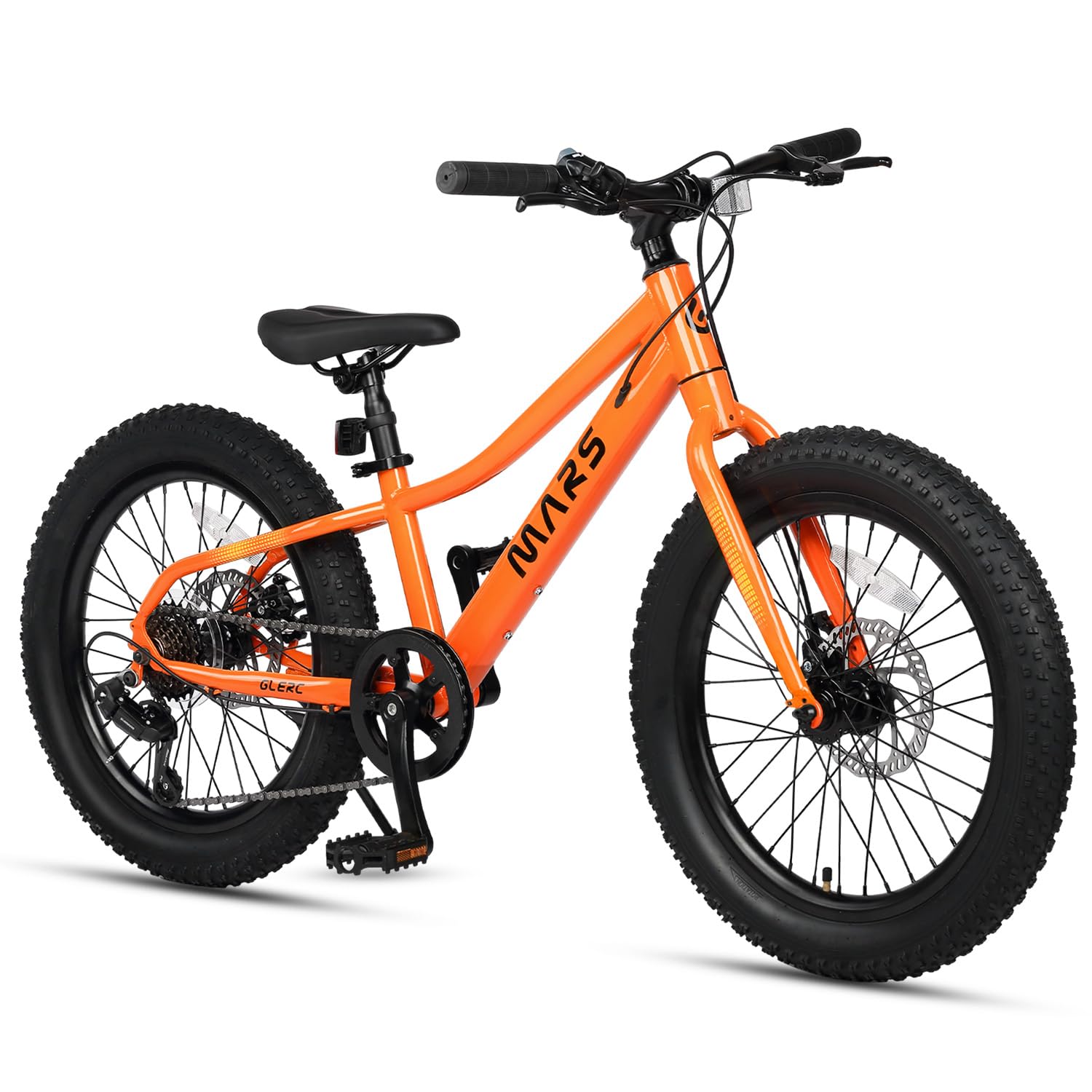
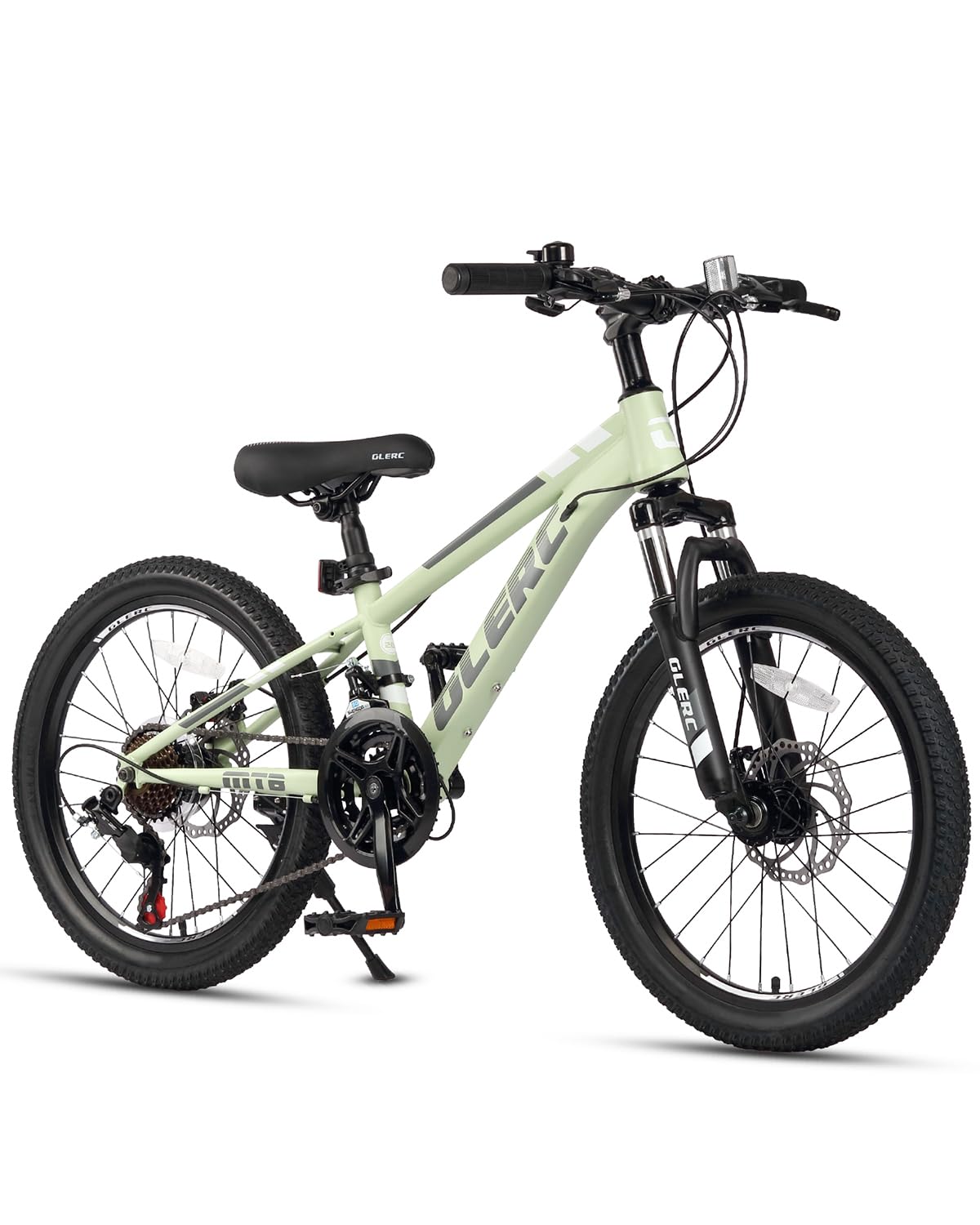

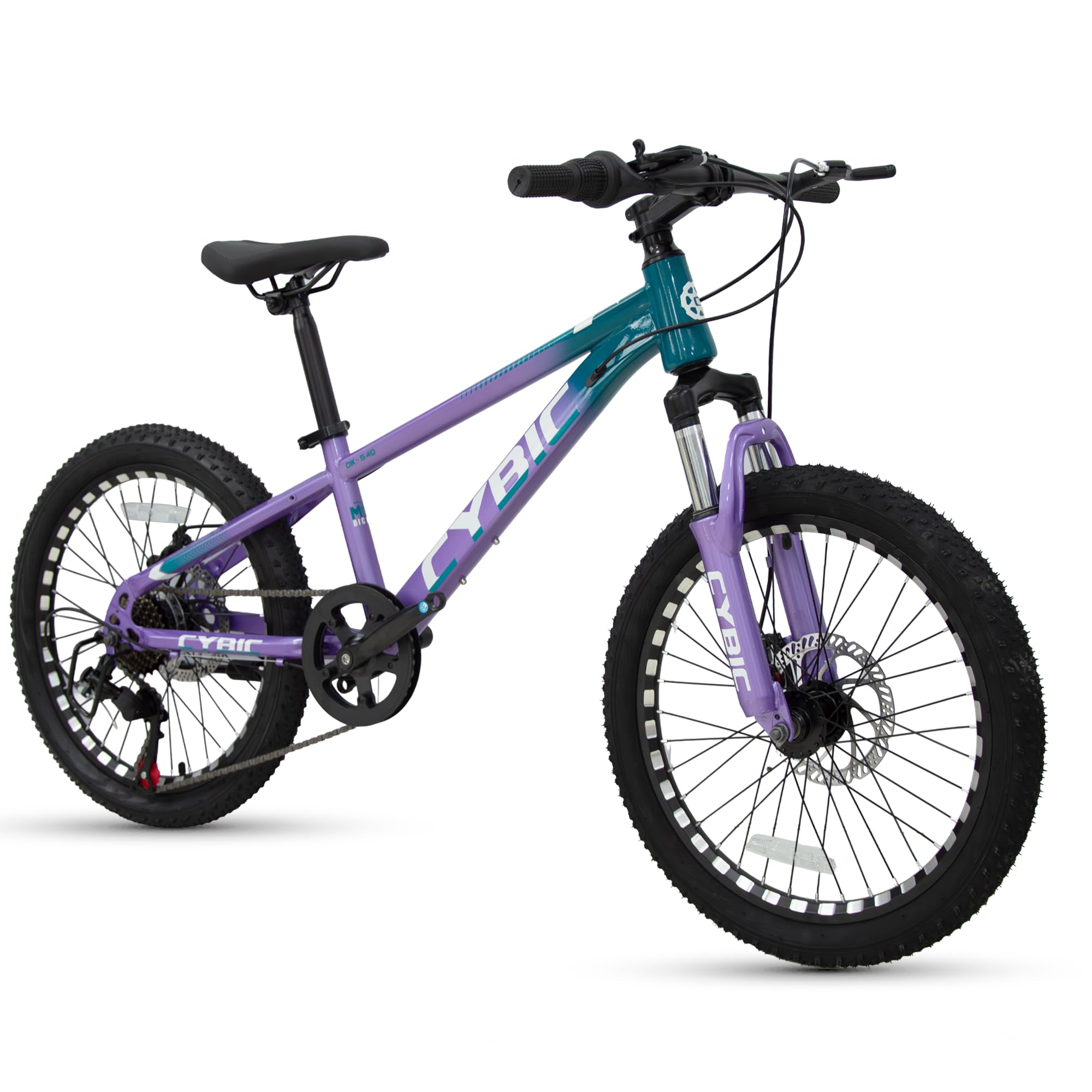
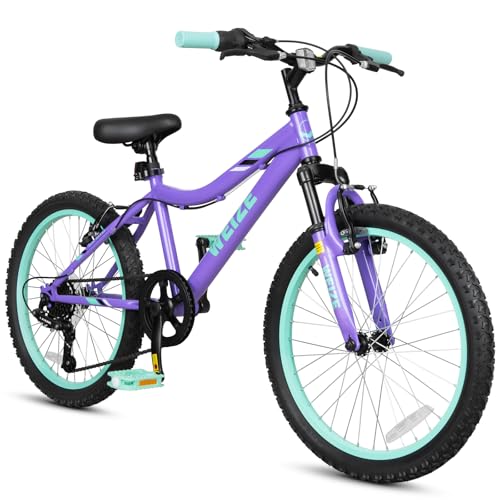
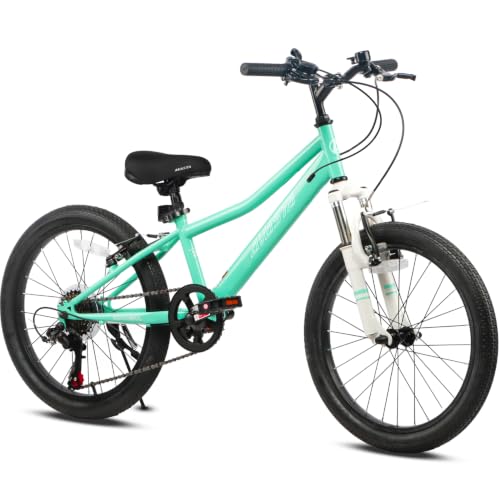


Sizing a 20 Inch Mountain Bike
Twenty inch refers to wheel size, and it generally suits children around six to nine years old, though height and inseam decide fit better than age. Your child should straddle the frame with feet flat and room to spare, reach the bars without stretching, and operate brakes with two fingers. A shop ride that includes stops and turns confirms fit better than any chart alone.
Seat height adjusts as your child grows, giving a season or two of use from one bike. Avoid buying far too large for growing room, since an oversized bike feels scary on descents and teaches poor braking habits. A slightly small bike that feels confident beats a large bike that feels intimidating on every trail.
Brakes for Young Trail Riders
Coaster brakes, operated by pedaling backwards, suit very young riders on flat paths but limit control on trails. Hand brakes, either rim or disc, teach proper braking and suit trail riding far better, since they allow speed control on descents. Rim brakes work well for light riders on gentle trails, while mechanical discs add wet weather stopping power.
Lever reach must suit small hands, so look for adjustable levers and practice braking on grass before trails. Teach both brake use together, with gentle rear bias on loose surfaces to avoid skids. Check brake pads regularly, since worn pads lengthen stopping distance without obvious warning.
Gears: Simple Is Better
Single speed bikes suit flat paths and very young riders, keeping weight low and maintenance simple. Geared bikes, often with six or seven speeds, help on hills and varied trails, giving young riders a climbing gear for slopes. Twist shifters suit some small hands, while trigger shifters suit others, so let your child try both.
Too many gears confuse beginners, so a small range with clear shifting beats a wide range that never gets used properly. Teach shifting before hills, not on them, since shifting under load strains chains and frustrates riders. A well adjusted drivetrain shifts crisply and quietly, which encourages use rather than avoidance.
Weight and Frame Materials
Weight matters hugely for young riders, since a heavy bike feels hard to pedal, lift, and control. Aluminum frames keep weight down compared with steel, and they resist rust on wet trails. Compare total bike weight, not only frame material, since heavy wheels, tires, and components add up quickly.
Lift the bike yourself and imagine your child lifting it over a curb or onto a car rack. Light bikes cost more, yet they often decide whether trail riding feels fun or exhausting. Secondhand light bikes in good condition can offer excellent value, provided fit and brakes check out.
Tires, Suspension, and Trail Comfort
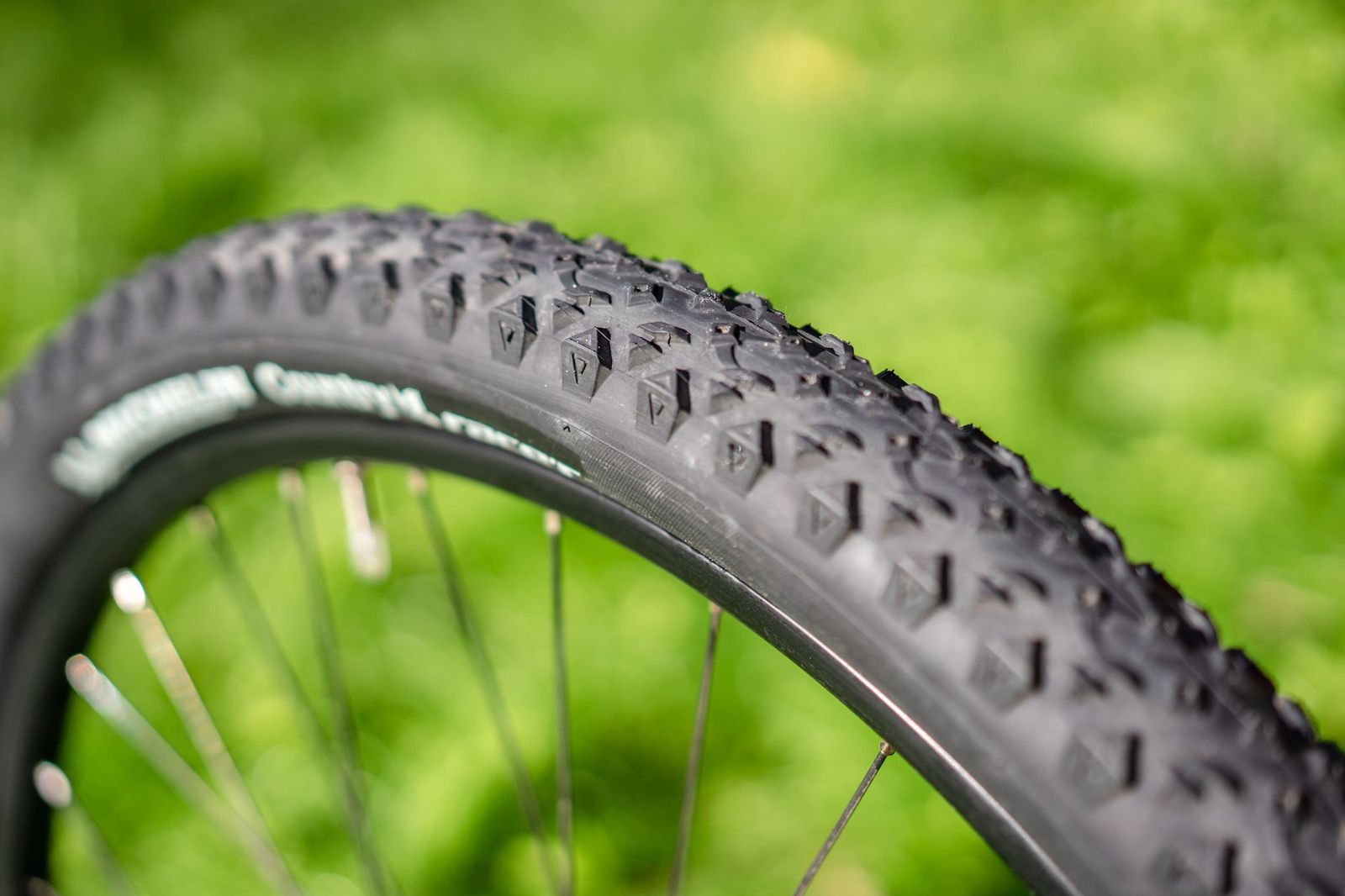
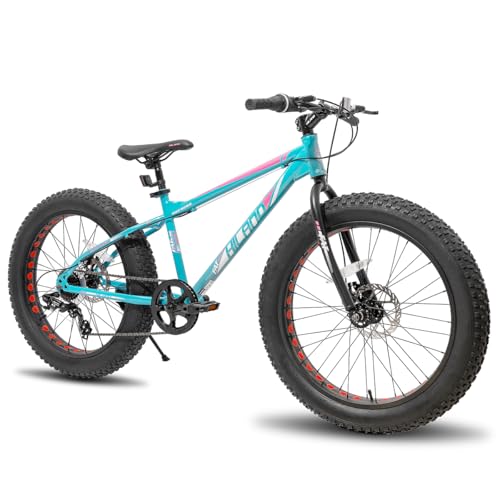
Knobby tires grip dirt and gravel far better than smooth tires, and they suit trail riding even at the cost of slightly slower road rolling. Tire width around two inches balances grip and weight for young riders, while very wide tires add rolling resistance. Check tire pressure before rides, since soft tires feel sluggish and hard tires bounce on rough ground.
Most 20 inch trail bikes work well rigid or with a simple front fork, since full suspension adds weight and cost young riders rarely need. A front fork helps on rough paths, but only if it suits a light rider weight, since adult tuned forks feel harsh under small children. For smooth dirt paths, a rigid bike stays light and simple.
Safety Gear and First Trails
A well fitted helmet is essential, sitting level and snug without rocking, and it should meet cycling helmet standards. For more on lids, see our mountain bike helmet buying guide. Gloves protect hands in falls, and closed toe shoes grip pedals better than sandals. Start on flat, wide dirt paths, practice braking and turning, and build to gentle singletrack only when control feels automatic.
Ride together, teach trail sharing with walkers, and carry water, a basic tool, and a phone for longer outings. Celebrate small wins such as a clean descent or a longer ride, since confidence grows from success. The product table can help you compare models once you know your child's height and trail plans.
A Final Check Before You Order
Before ordering, check local bike shop services for youth bikes, including fitting, servicing, and trade in options. A shop relationship helps with adjustments as your child grows and with repairs after trail mishaps. Shops often offer free first services that catch early issues.
Plan helmet fitting alongside the bike, checking level fit and strap adjustment. A comfortable helmet gets worn willingly, while an uncomfortable one gets left behind.
Choose a first trail location with facilities such as parking, toilets, and a cafe, making early outings pleasant for the whole family. Comfortable logistics encourage repeat rides, while remote starts add stress to learning days.
Finally, set a simple pre ride checklist with your child, covering helmet, brakes, tires, and water. Rituals teach responsibility and prevent forgotten essentials. Children who own the checklist take pride in safe riding habits.
One More Practical Note
Consider secondhand options from reputable shops, since young riders outgrow bikes quickly and quality used bikes offer strong value. Inspect frames for cracks, wheels for trueness, and brakes for wear before buying used. A shop checked used bike often beats a new heavy bike at the same price.
Think about family riding routes that grow with your child, starting on park paths and progressing to gentle forest trails over months. A riding journal with photos and distances motivates children to keep pedaling.
Related Guides to Compare
For more wheel focused options, see best 20 inch wheel mountain bike for 20 inch wheel trail bikes.
Budget buyers should compare best 20 inch mountain bike under 200 for 20 inch bikes at a lower price point.
Taller juniors ready to size up can compare best 24 inch mountain bike for 24 inch trail bikes.
Older teens approaching adult sizing can see best 29 inch mountain bike for 29 inch trail bikes.
Frequently Asked Questions
What age suits a 20 inch mountain bike?
Twenty inch bikes generally suit children around six to nine years old, though height and inseam matter more than age. Check standover clearance, bar reach, and brake lever reach in person when possible. A confident fit today beats a larger bike saved for next year, since control and enjoyment matter most for young riders.
Should a kids trail bike have disc brakes?
Disc brakes help in wet and muddy conditions and need less hand strength, which suits trail riding. Rim brakes work fine for light riders on gentle dry trails and keep weight and cost lower. Choose discs for regular wet trail use, and rim brakes for gentle paths where simplicity and lightness matter more.
Does a 20 inch bike need suspension?
Most 20 inch trail bikes do fine rigid or with a simple front fork, since full suspension adds weight young riders rarely need. A front fork helps on rough paths only when tuned for light rider weight. For smooth dirt paths, a rigid bike stays light, simple, and easier to pedal uphill.
How do I teach my child trail riding?
Start on flat wide dirt paths, practice braking, turning, and body position, and ride together until control feels automatic. Build to gentle singletrack gradually, teach yielding to walkers, and celebrate small successes. Patience and fun matter more than speed, since confident riders return to trails willingly.
How long will a 20 inch bike last?
A 20 inch bike usually lasts one to three seasons, depending on growth rate and riding frequency. Adjustable seats and stems extend use, and trade in programs can ease the move to 24 inch bikes. Check fit each spring, and size up when standover clearance shrinks or posture starts to suffer.
Final Thoughts
Fit, light weight, and simple brakes and gears matter most for a first trail bike, so size by inseam and try the bike before buying. The product table summarizes the main styles, and a confident young rider will ride more, learn faster, and love trails sooner. Keep the bike maintained and the trails gentle at first.
With the best 20 inch mountain bike chosen around your child today, trail adventures become family fun rather than a struggle. Helmet on, brakes checked, and enjoy those first dirt miles together.