Best 26 Inch Mountain Bike Rims: A Practical Buying Guide for 2026
Disclosure: We may earn a commission when you buy through links on this page, at no extra cost to you. As an Amazon Associate I earn from qualifying purchases. Learn more

Compare the best 26 inch mountain bike rims by width, hub fit, spoke count and tubeless setup with clear guidance for trail, XC and daily riding.
A rim looks simple, yet it decides your tire shape, your grip, and how often a wheel needs truing. This guide helps you choose the best 26 inch mountain bike rims for an older frame you love, a dirt jump build, or a budget trail wheel refresh. Start with the product table, then work through width, hub fit, and spoke choices here before you spend anything.
Compatibility comes before performance in every section. A superb rim that does not match your hub, your brake type, or your tire is simply the wrong rim.


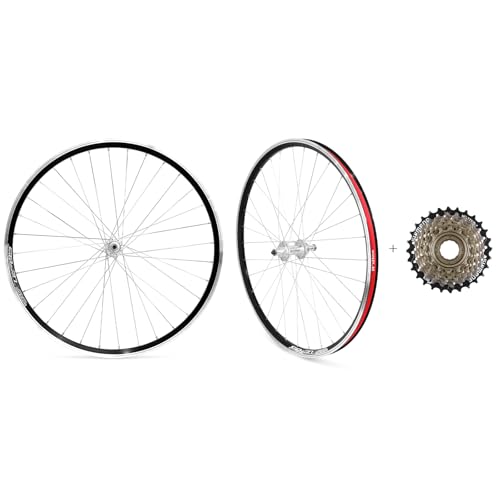


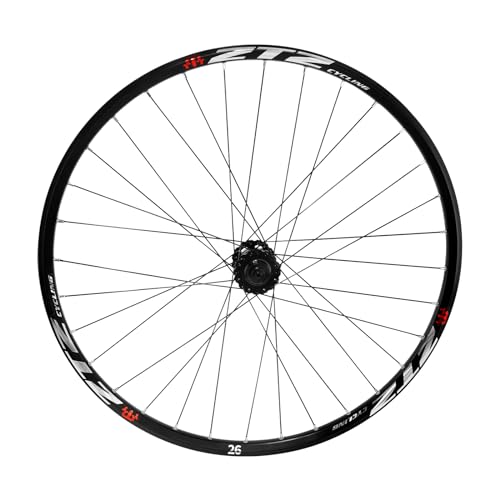
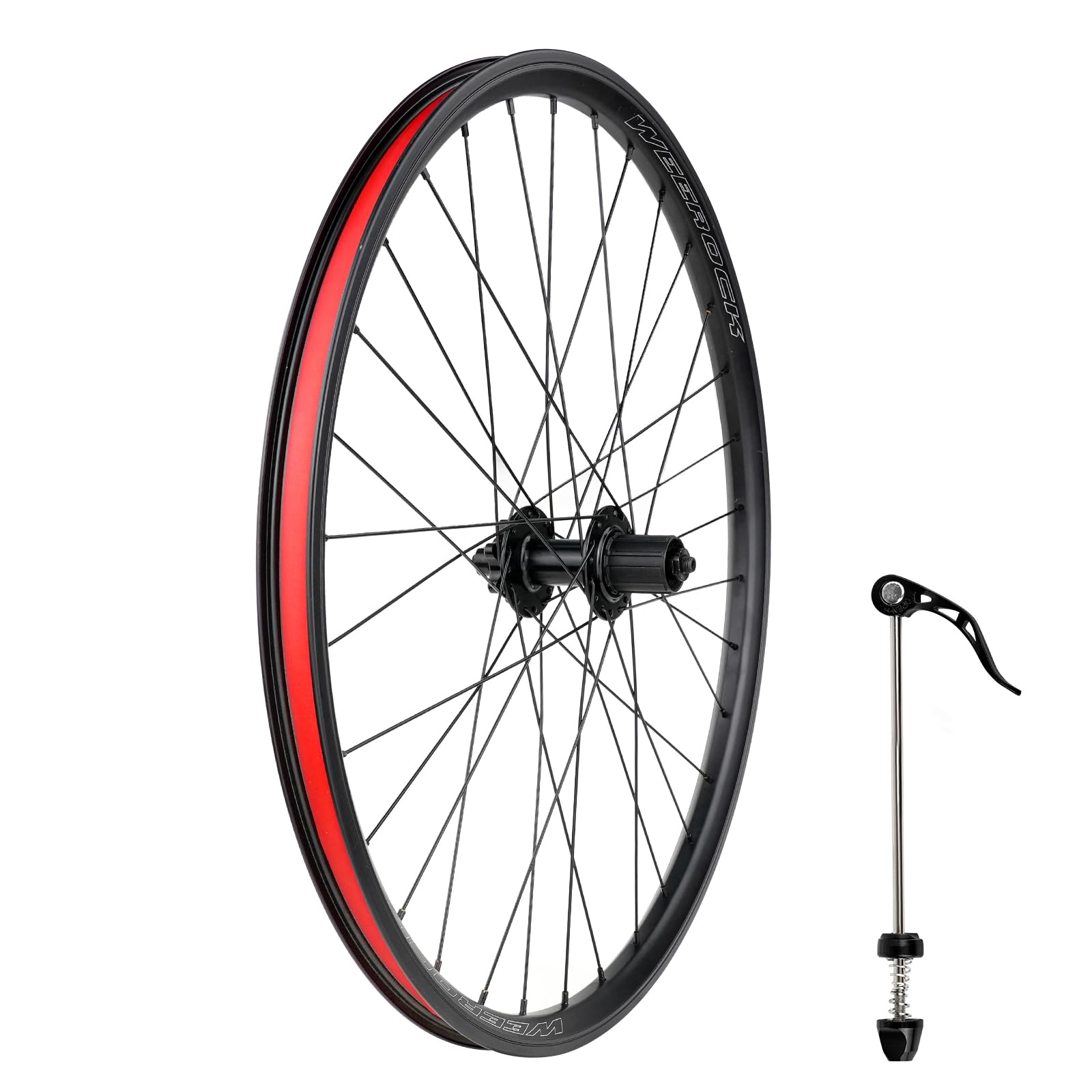
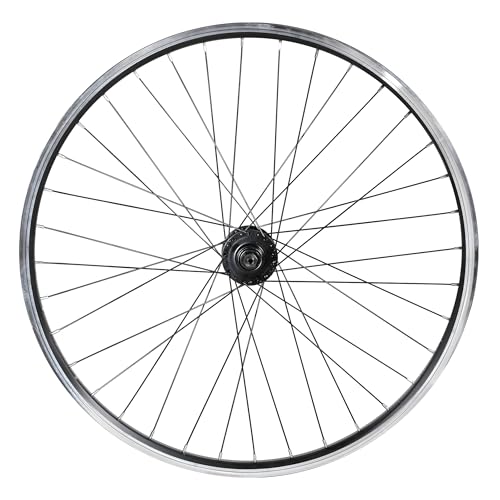
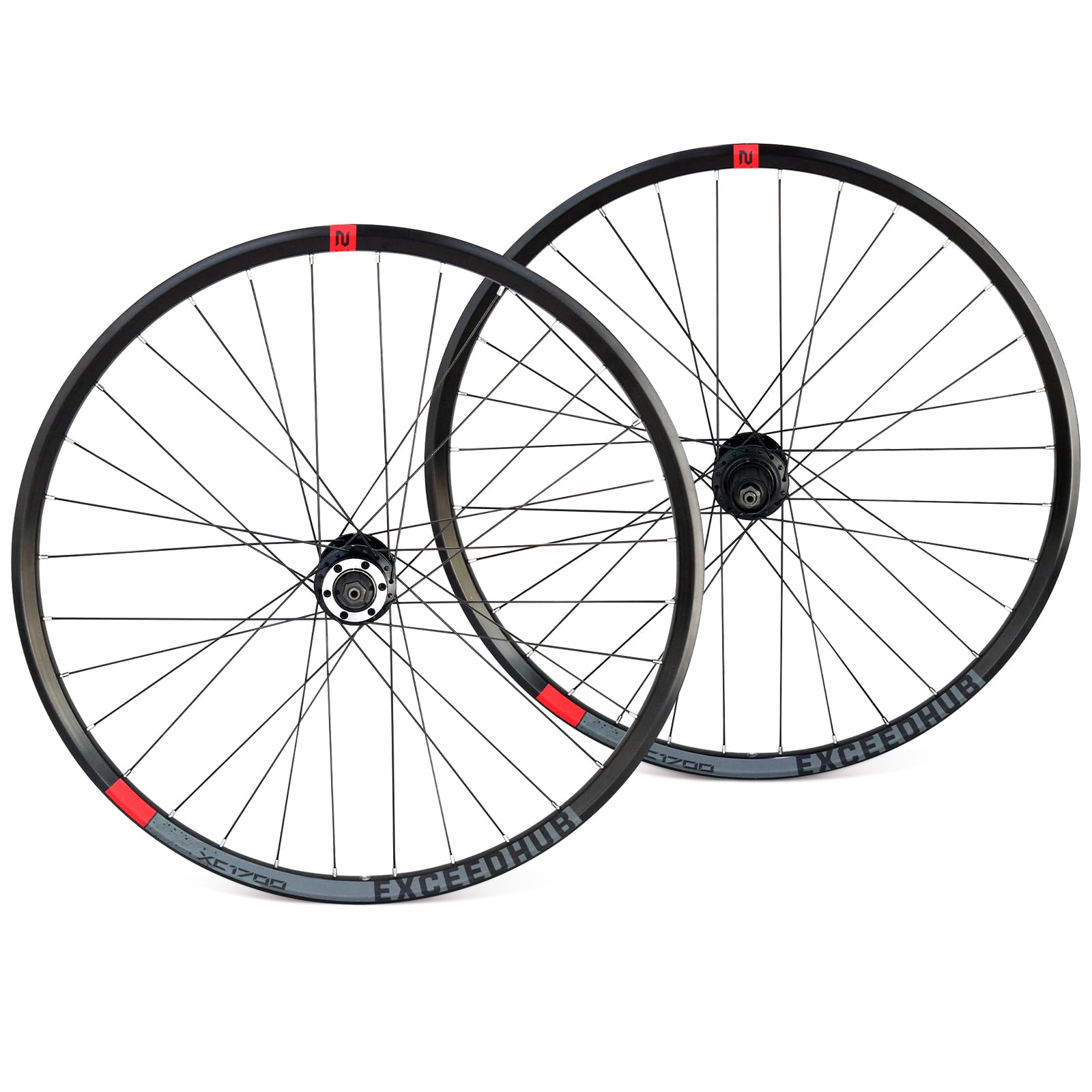

Three Rim Profiles at a Glance
Most rims worth buying fall into three profiles. Each profile below states who it suits, what it does well, and where it falls short. Match the profile to your frame and your riding, not to the riding you admire online.
Everyday Trail Profile
This profile uses an aluminum rim about 25 to 30 mm wide inside, with 32 spokes and a tubeless ready bed. It suits trail riders who want one wheelset for climbs, descents, and weekend trips, and it usually costs around $80 to $180 per rim. Strengths are tire support and durability at a fair weight. The limitation is that pure racers will want lighter carbon, while very aggressive riders may want a burlier rim still.
Budget Profile
The budget profile keeps aluminum construction and 32 spokes but may skip tubeless shaping or use a slightly narrower bed near 21 to 25 mm inside. Prices often sit around $40 to $90 per rim, which makes it ideal for reviving an older bike or building a spare wheel. You give up some low pressure grip and some impact strength. For park paths, gravel, and moderate trails, that trade is honest and saves money for tires, which matter more.
Upgrade Profile
The upgrade profile adds a wider tubeless bed, stronger alloy or carbon construction, and eyelets or reinforced spoke holes for lasting tension. It suits riders who run low pressures, ride rocky trails, or weigh more and load the rear wheel hard. Expect around $180 to $400 per rim for carbon, less for premium alloy. The gain is precision and resilience, but the risk is pairing a costly rim with an old hub that limits the whole build.
How to Choose the Best 26 Inch Mountain Bike Rims: Buying Guide
Work through these checks in order, because each one can rule a rim out. Write down your hub spacing, your brake type, and your tire width before you open any product page. Those three facts narrow the field more than any brand name.
Bike Type and Riding Style
Cross country riding rewards lighter rims with internal widths near 23 to 27 mm, which keep steering quick and climbing honest. Trail and all mountain riding suits 28 to 33 mm widths that support wider tires at lower pressure. Dirt jump and slopestyle builds need the strongest rims you can find, with higher spoke counts, because landings punish wheels sideways. Be truthful about your style: a rim built for smooth cross country laps will dent quickly under repeated jump landings.
Wheel Size and Tires
Confirm the rim is truly for a 26 inch tire, since 26, 27.5, and 29 inch parts sit side by side in shops and listings. Match rim width to tire width: a 2.1 to 2.3 inch tire sits best on a rim near 23 to 28 mm inside, while a 2.4 to 2.6 inch tire wants about 28 to 35 mm. A tire stretched over a narrow rim feels squirmy in corners, and a narrow tire on a very wide rim squares off and wears oddly. Tubeless beds need matching tape, valves, and sealant, so budget for those parts too.
When you compare complete bikes that use this wheel size, our guide to the best 26 inch mountain bike range shows which rim widths makers fit as standard. Riders building on a hardtail frame can cross check parts against our guide to the best 26 inch hardtail mountain bike builds for fork and tire clearance notes.
Brakes (Hydraulic vs Mechanical Disc)
Your brake type decides the rim wall you need. Disc brake wheels can use rims with no braking surface at all, which saves weight and avoids rim wear from pads. Rim brake wheels need a flat, machined sidewall, and that sidewall wears thinner every wet ride, so inspect it for a concave feel. Never fit a disc only rim to a rim brake bike. Also check rotor mount type on a complete wheel, since six bolt and center lock hubs need matching rotors or adapters.
Spoke Count and Rider Weight
Spoke count sets how well a wheel handles load. 32 spokes suit most trail riders, while 36 spokes help heavier riders, riders carrying gear, and dirt jump builds. Fewer spokes save weight but leave less margin for hard landings. If a rim has 32 holes, the hub must also have 32 holes, so check both before ordering.
Weight and Components Upgrade Path
Rim weight affects how a bike accelerates, because wheels are rotating mass, but durability should still win for most riders. An alloy rim near 450 to 550 grams suits general trail use, while lighter race rims trade impact strength for speed. Plan the upgrade path as a system: rim, hub, spokes, and nipples are chosen together by the wheel builder. Saving money on spokes to afford a dearer rim is a false economy, since even spoke tension is what keeps a wheel true.
Sizing and Fit
Beyond diameter, fit means hub width and axle type. Older 26 inch frames commonly use quick release hubs spaced 100 mm at the front and 135 mm at the rear, while some newer frames use thru axles at wider spacings. Measure your frame or read its spec sheet before ordering, because adapters do not exist for every mismatch. Also confirm the freehub type matches your cassette, since Shimano and SRAM driver bodies differ and swapping them later adds cost.
Frame Material and Geometry
Your frame limits the rim and tire package you can run. Steel and aluminum hardtail frames from the 26 inch era often clear tires up to about 2.3 or 2.4 inches, so a very wide rim gains little if the tire cannot follow. Suspension forks have their own clearance and axle standards, and some older forks accept only quick release wheels. Check the tightest point with your current tire fitted: you want visible daylight between tire and frame or fork on both sides.
Types of 26 Inch Mountain Bike Rims
Full Suspension Builds
Bikes with rear suspension load the rear wheel through linkages that keep it tracking the ground, which rewards a strong rear rim and firm spoke tension. Riders on such bikes often run slightly wider rear tires for grip under power. Choose durability first here, because a rear wheel failure ends a ride far from the trailhead.
Dirt Jump and Park Builds
Jumping and park riding hit rims with sharp, repeated impacts. Look for double wall alloy, 36 spokes, and ferruled or reinforced spoke holes. A narrower, tougher rim is often better here than a wide, light one, and a heavier wheel is an acceptable price for fewer dents.
Casual and Commuter Use
Commuting adds racks, bags, and daily mileage, all of which load rims steadily rather than sharply. A budget or everyday profile rim with 32 or 36 spokes suits this work well. Since commuters ride in all weather, sealed bearings in the matching hub save repeated service.
Choosing 26 Inch Mountain Bike Rims for Your Situation
Best Mountain Bike Rim for 26 Inch Builds
Finding the best mountain bike rim for 26 inch builds comes down to three situation specific checks. First, confirm your frame clearance, because older frames cap your tire and rim width. Second, weigh the rider and gear honestly, since heavier loads need more spokes and stronger rims. Third, decide whether tubeless matters for your trails: thorn country says yes, city paths say save the money. A rim chosen by these checks will serve longer than one chosen by weight alone.
Setup and Care Tips
- Have a skilled builder lace and tension a new rim, and ask for a tension check after the first 50 to 100 miles.
- Check tire pressure before every ride, and match pressure to rim width rather than copying a friend's setup.
- Keep brake surfaces and rotors clean so grit does not wear rim sidewalls or hubs.
- Have a professional tune up yearly, including a trueness check and a spoke tension review.
- Inspect the rim after any hard impact for dents, cracks near spoke holes, or a sidewall that bulges under pressure.
One practical habit protects tubeless setups: top up sealant every few months, because dried sealant cannot close a fresh puncture. Carry a tube anyway, since a cut tire defeats any sealant. For guidance in other sizes, our guide to the best 29 inch mountain bike rims covers how width advice shifts as wheels grow.
FAQs
Can I put a wider rim on my old 26 inch bike?
Usually yes, within limits. A wider rim needs a wider tire to match, and the frame and fork must clear it. Check clearance with your current tire first, and confirm the hub spacing and brake type still fit the new wheel.
Do I need a whole wheelset or just a rim?
If your hubs are in good shape, a new rim can be laced onto them by a builder, which saves money. If the hubs are worn or do not fit your brakes, a complete wheelset is often simpler. Many listings sell wheelsets, so check what is included before ordering.
Hardtail or full suspension: does it change the rim I need?
The rear wheel on a hardtail takes more direct hits, so favor strength over low weight there. Full suspension softens rear impacts and can use a slightly lighter rear rim, but its pivots add service tasks. Either way, correct tire pressure protects rims more than any buying choice.
Are tubeless rims worth it for 26 inch wheels?
They help most on rocky or thorny trails, where lower pressures and sealant reduce flats. On smooth paths a standard rim with a good tube and rim tape is fine. Tubeless needs compatible tires, tape, valves, and sealant, so add those to your budget.
How much should I spend on rims?
Around $40 to $90 per rim covers the budget profile most casual riders need. A sensible setup pairs a mid priced alloy rim with good tires rather than a costly rim with cheap rubber. Spend the savings on a helmet, a pump with a gauge, and a spare tube that fits your new wheels.
Final Thoughts
Confirm diameter, hub fit, and brake type first, then choose width for your tires and strength for your weight and terrain. Use the product table to compare finalists side by side. The best 26 inch mountain bike rims for you are the ones that fit your frame exactly, hold tension through a season, and let your tires work as they were designed to work.