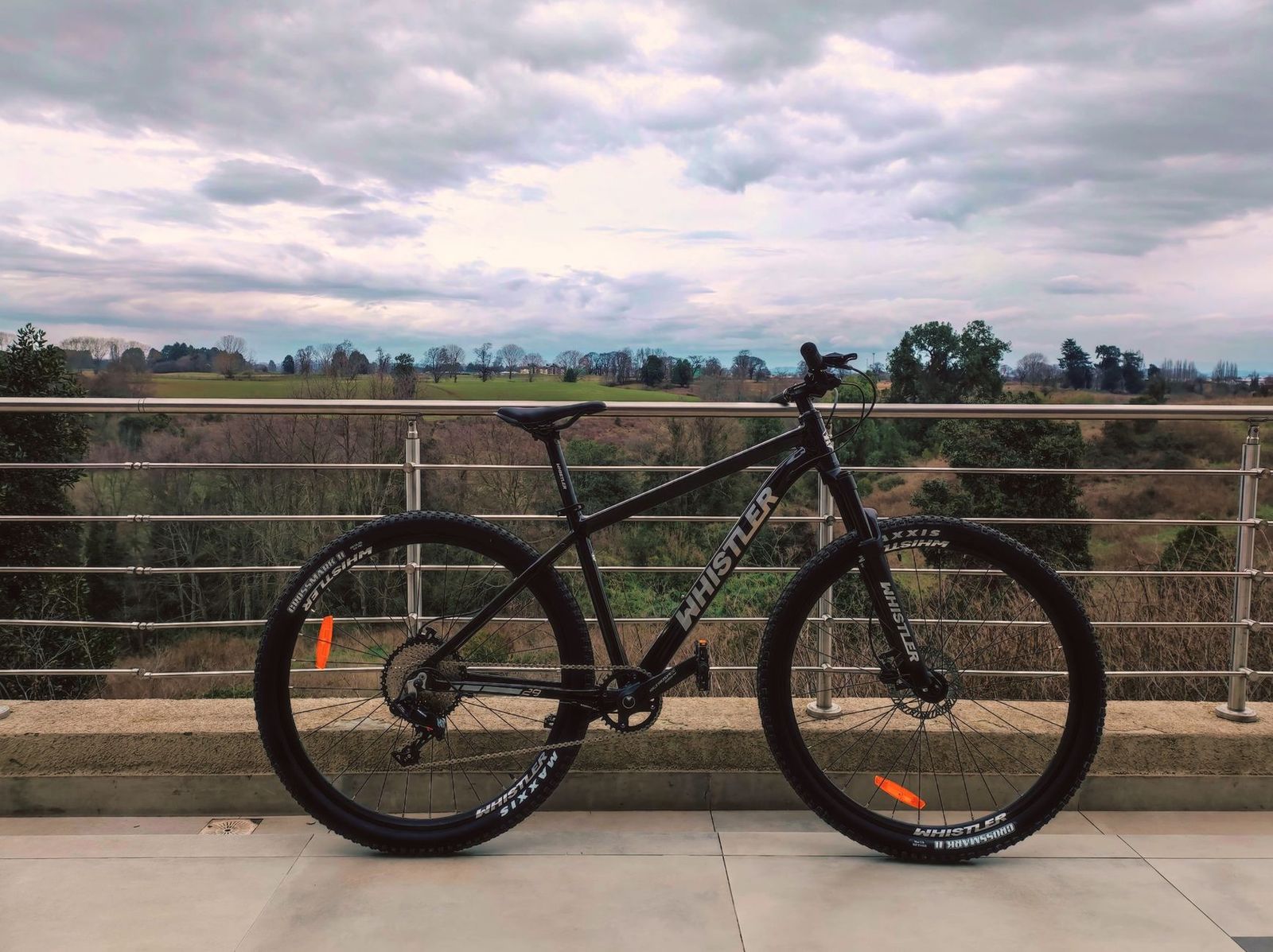
Best 29er All Mountain Bike: What Actually Matters Before You Buy for 2026
Disclosure: We may earn a commission when you buy through links on this page, at no extra cost to you. As an Amazon Associate I earn from qualifying purchases. Learn more
Use this checklist to choose the best 29er all mountain bike, comparing suspension, brakes, gearing, geometry, and fit for the trails you ride most.
All mountain means different things to different riders, so a single score never tells the whole story. This guide gives you a checklist to judge any best 29er all mountain bike candidate: how it climbs, how it descends, and how well the parts will hold up after a full season of rough trails.
Work through the criteria in order and note where a bike passes or fails for your terrain. A bike that clears every box for your riding style is a far safer buy than one that simply looks impressive on a spec sheet.
How to Choose a 29er All Mountain Bike
Treat each criterion below as a pass or fail check rather than a vague impression. A strong all mountain bike does not need to win every category, but it should never fail the ones that match your local trails, your weight, and your speed on descents.
Bike Type and Riding Style
Start by naming your real riding mix. Cross country bikes favor low weight and fast climbing, trail bikes balance both directions, and enduro bikes trade climbing ease for descending control. A true all mountain bike sits between trail and enduro, with enough travel for rough descents and geometry that still pedals well. If most of your rides are smooth and fast, a lighter build will feel better. If your trails feature drops, rock gardens, and steep chutes, bias your choice toward travel, tire grip, and brake power instead.
Drivetrain and Gearing
A single ring drivetrain with a wide range cassette is the practical standard here, because it removes the front shifter and still gives a very low climbing gear. Look for a smallest cog pairing that lets you spin up long grades without standing on every pitch. Shifting should stay clean under load, and the chain should have a clutch derailleur to limit bounce and dropped chains on rough ground. Extra gears at the top end matter less than smooth steps in the middle of the cassette, where you spend most of a ride.
Brakes (Hydraulic vs Mechanical Disc)
Hydraulic disc brakes are the clear preference for all mountain riding because they deliver strong stopping power with light lever effort, which reduces hand fatigue on long descents. Four piston calipers suit heavier riders and steep terrain, while two piston setups can be enough for lighter riders on moderate trails. Rotor size matters too: larger rotors resist heat buildup and fading. Mechanical disc brakes cost less and are simple to adjust, but they ask more finger force and give less control when you need to brake precisely on loose surfaces.
Frame Material and Geometry
Aluminum frames offer the strongest value and shrug off rock strikes well, while carbon frames save weight and can feel smoother, at a higher price. Steel is rare in this category and usually heavier. Geometry shapes handling more than material does. A slacker head angle adds calm at speed and on steep descents, while a steeper seat angle puts you over the pedals for climbing. Reach should let you stand centered without feeling stretched, and standover height should leave room when you stop on uneven ground.
Suspension (Hardtail vs Full Suspension) and Travel
Full suspension is the normal choice for all mountain work, because the rear wheel can follow rough ground and keep traction while you pedal or brake. Travel around 130 to 150 mm at the front and a similar range at the rear covers most terrain in this category. Less travel feels lively but demands careful line choice, while more travel suits bike parks and very steep trails. If you want to see the simpler end of the spectrum, read our guide to the best rigid 29er mountain bike options and note how much comfort and grip a rigid setup gives up.
Weight and Components Upgrade Path
Weight matters most on long climbs and when you lift the bike onto a rack, but chasing the lightest build can weaken wheels and tires. A sensible approach is to buy the frame and suspension you want, then upgrade wear parts later. Wheels and tires give the biggest felt improvement, followed by brakes. Check that the frame uses current standards for axles, headset, and bottom bracket, because odd standards make future parts harder to find. A dropper post with generous travel is worth prioritizing early, since it changes descending confidence more than most small upgrades.
Wheel Size and Tires
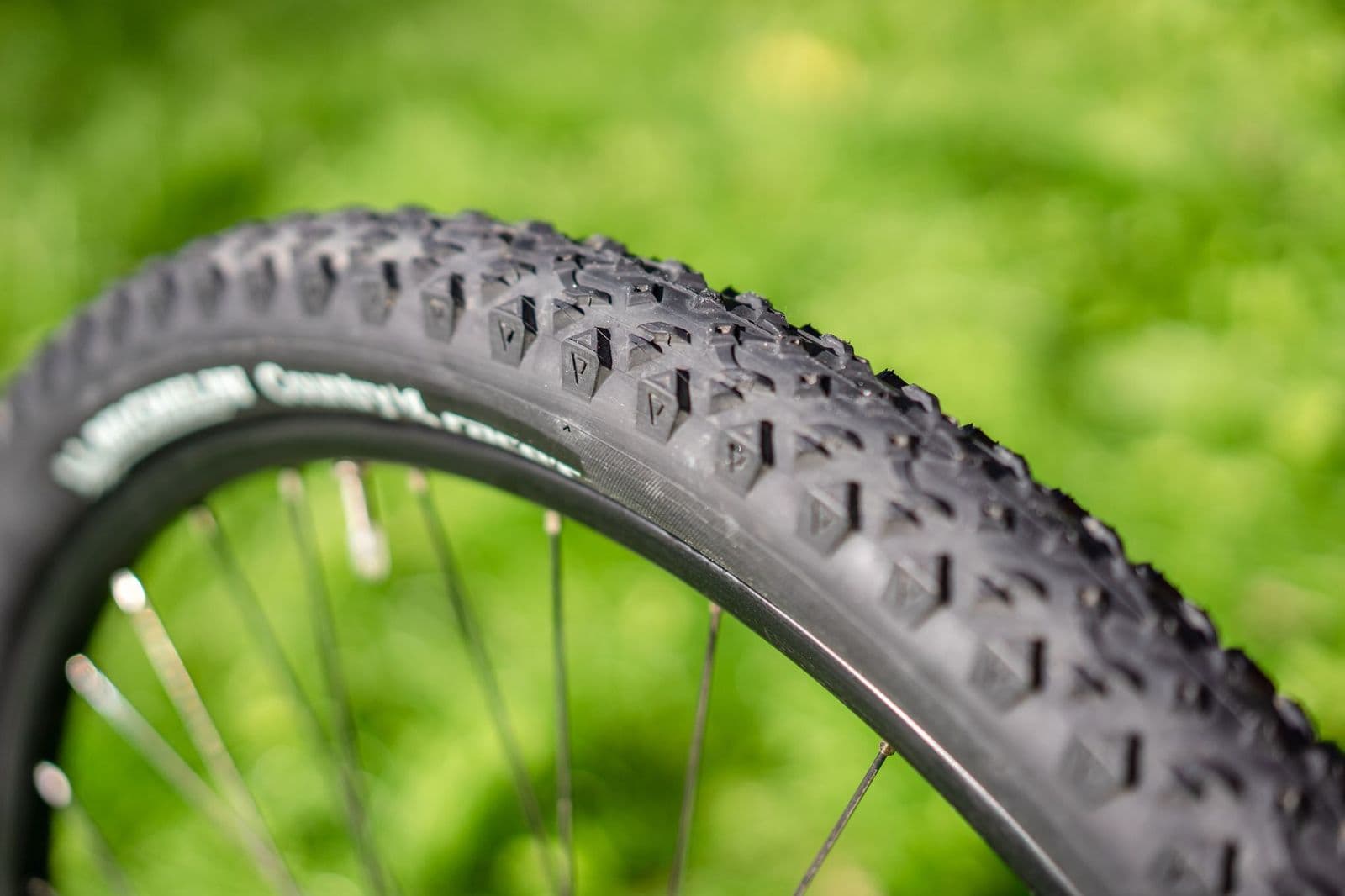
The 29 inch wheel rolls over roots and rocks with less drama than smaller wheels and holds speed well on open trail, which is why it suits this category. Tire width around 2.4 to 2.6 inches gives a good mix of grip and rolling speed for mixed terrain. Tubeless setups let you run lower pressure for traction and reduce punctures from thorns and sharp stones. When you compare spares or a second wheelset, our guide to the best mountain bike 29er wheels explains hub and rim choices in more depth.
What Strong Options Look Like at Each Level
Instead of naming specific models, use these three profiles to judge any bike you are considering. Match the profile to your terrain first, then see which individual bike comes closest to it within your budget.
Premium Profile
The strongest all around profile pairs 140 mm class suspension with hydraulic four piston brakes, a wide range single ring drivetrain, and a dropper post. Wheels should be tubeless ready with rims wide enough to support trail tires properly. Expect to pay about $2,500 to $4,500 for this level. Nothing here is exotic; the value lies in balance. Every part supports the others, so the bike climbs willingly, descends without drama, and needs no urgent upgrades in its first season.
Value Profile
A smart value profile keeps the same frame quality and suspension travel but accepts a heavier wheelset, a slightly narrower cassette range, and two piston brakes. Prices around $1,500 to $2,500 are typical. The key is what is not cut: brake power must still suit your weight, the fork should have adjustable rebound, and the frame should accept modern parts later. Savings taken from suspension quality or frame standards are false savings, because those parts cost the most to replace. Cosmetic savings, by contrast, cost you nothing on the trail.
Compact Profile
Some riders want an all mountain bike that feels nimble in tight woods and fits smaller frames well. That profile uses slightly less travel, around 120 to 130 mm, a shorter wheelbase, and lighter tires, so the bike changes direction quickly and is easier to lift and store. It suits smooth to moderately rough trails and riders who value agility over maximum descending calm. If your descents are steep and rocky for long stretches, this profile will feel busy and undergunned, so be honest about your hardest regular trail before choosing it.
Quick Buyer Checklist
Before you pay, answer each question honestly. A no on any of the first four items is a strong reason to keep looking.
- Does the suspension travel match the roughest trail you ride often?
- Can you reach the brakes and dropper lever comfortably from your normal grip?
- Is the lowest gear easy enough for your longest climb?
- Do the brakes suit your weight and your steepest descent?
- Does the frame size match your height and inseam on the maker sizing chart?
- Are replacement parts for the drivetrain easy to find locally or online?
- Does the warranty cover the frame for at least several years?
- Can you run the tire width your terrain needs without clearance issues?
Red Flags to Watch For
Vague specifications are the first warning sign: a listing that hides fork model, brake type, or total weight is asking you to guess. Be wary of very short frame warranties, because all mountain frames take real impacts. Suspicious review patterns, such as many glowing comments with no detail about trails or sizing, tell you little. Avoid bikes built around outdated axle or headset standards, since upgrade parts may be scarce. Finally, treat any price far below similar bikes with suspicion and check what was downgraded to reach it, especially the fork and brakes.
Tips to Get the Most From Your 29er Mountain Bike
Check tire pressure before every ride, because a few pounds of pressure change how the big wheels grip and roll. Clean and lube the chain every 100 to 200 miles, sooner after wet or dusty rides. Set suspension sag with your full riding kit on, including pack and water, so the numbers reflect real conditions. Book a professional tune up once a year to catch worn bearings and brake pads early. Small habits like these protect the parts you paid for and keep the bike quiet and predictable.
FAQs
How much travel does an all mountain bike need?
Most riders are well served by about 130 to 150 mm of travel front and rear. That range is plenty for rock gardens, roots, and steep descents, yet the bike still pedals efficiently on climbs. Go lower if your trails are smooth and fast, and higher only if you ride bike parks or very steep terrain.
Hardtail or full suspension for beginners?
Full suspension is usually kinder for a beginner on all mountain trails, because the rear suspension absorbs mistakes and keeps the tire in contact with the ground. A hardtail costs less and teaches clean line choice faster, though. Riders starting on smooth trails can begin with a hardtail and progress happily, and our guide to the best beginner 29er mountain bike choices walks through that decision in more detail.
How much should I spend on my first bike?
Around $1,200 to $2,000 buys a capable entry point with hydraulic brakes and an air fork, which are the two features that matter most early on. Spending less often means a heavy fork and weak brakes that limit how far you can progress. Budget for a helmet, a pump, and basic tools as well. If money is tight, our guide to the best affordable 29er mountain bike options shows where careful compromises are safest.
What size bike do I need?
Start with the maker sizing chart using your height and inseam, then check reach against your torso and arm length. Between sizes, smaller frames feel playful and larger frames feel calm at speed. A short ride on the bike tells you more than any chart: you should be able to stand over the frame, reach the controls without stretching, and move your weight back on a descent without the saddle blocking you. Shops can swap a stem to fine tune fit cheaply.
Is a 29er better than a smaller wheel for all mountain riding?
For most riders, yes. The 29 inch wheel rolls over obstacles more easily and carries speed through rough sections. Smaller wheels can feel more playful and are sometimes easier to fit on small frames, so shorter riders should compare sizes carefully before choosing.
Final Thoughts
Suspension quality, brake power, and honest fit decide how an all mountain bike feels far more than small weight differences or extra gears. Use the checklist above on every candidate, and let your roughest regular trail set the standard. When a best 29er all mountain bike choice passes on travel, brakes, and sizing for your terrain, it is the right buy, even if a rival lists flashier parts elsewhere.