The Best 29er Mountain Bike Wheels: Buying Guide and Checklist for 2026
Disclosure: We may earn a commission when you buy through links on this page, at no extra cost to you. As an Amazon Associate I earn from qualifying purchases. Learn more

Learn how to choose the best 29er mountain bike wheels with guidance on rim width, hubs, spokes, tubeless setup, and strength for your riding style.
Wheels change how a bike accelerates, climbs, and holds a line through rocks, yet listings describe them with a confusing mix of widths, spoke counts, and hub standards. This guide explains how to choose best 29er mountain bike wheels that match your bike and your trails. Start with the product table to compare options, then read on for the compatibility checks that prevent an expensive mistake.



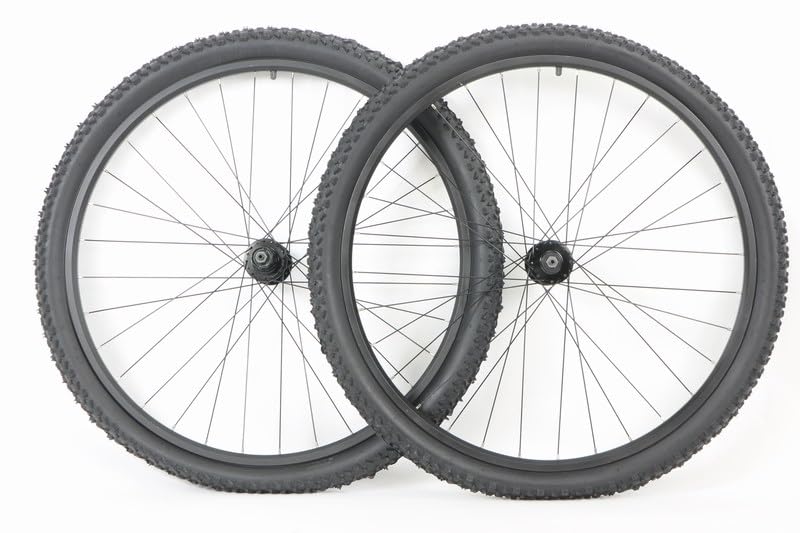
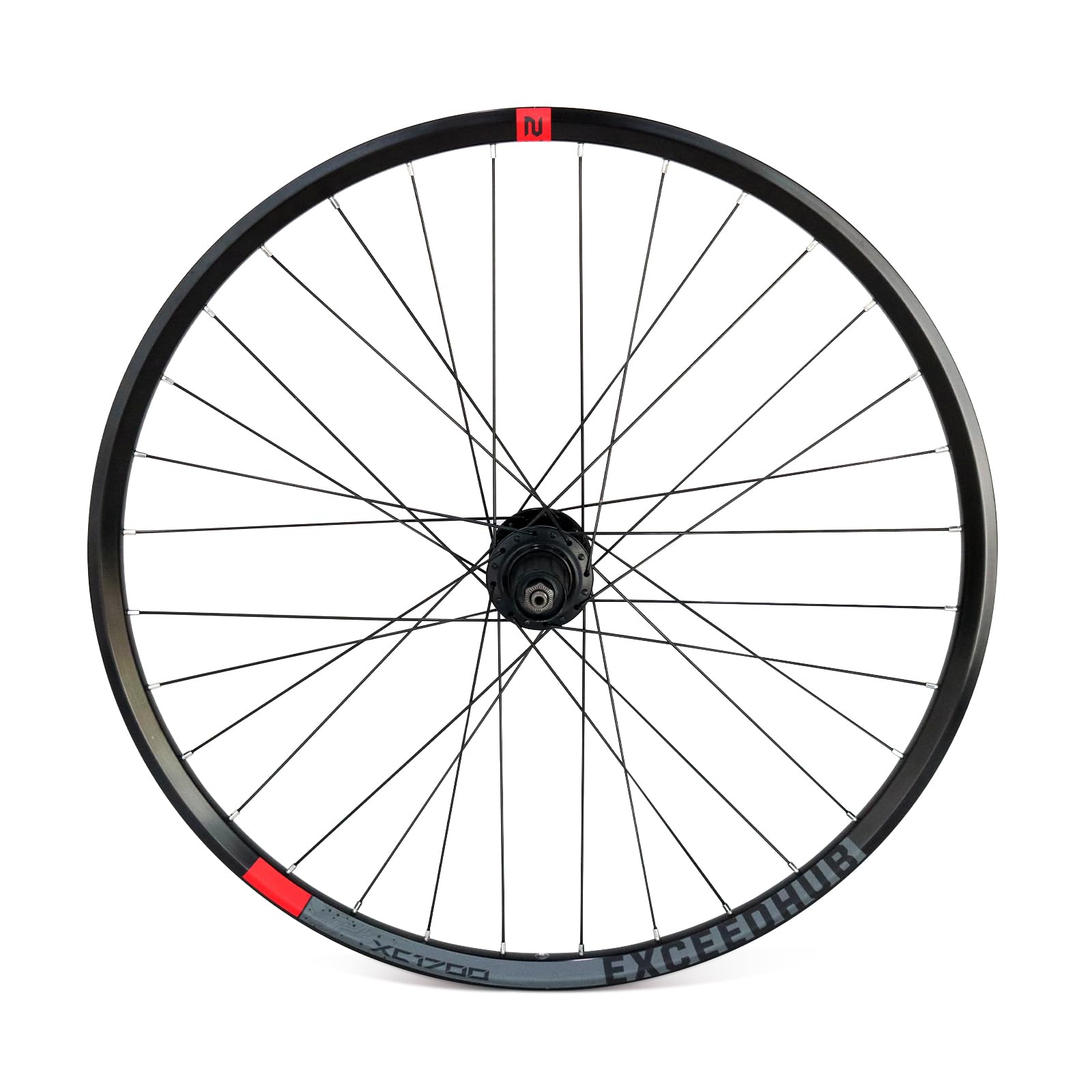


Wheel Tier Profiles at a Glance
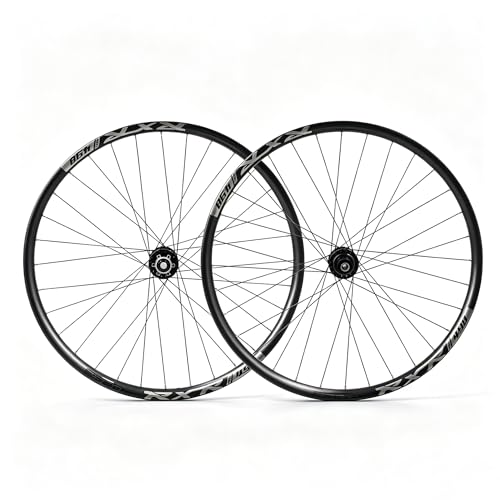
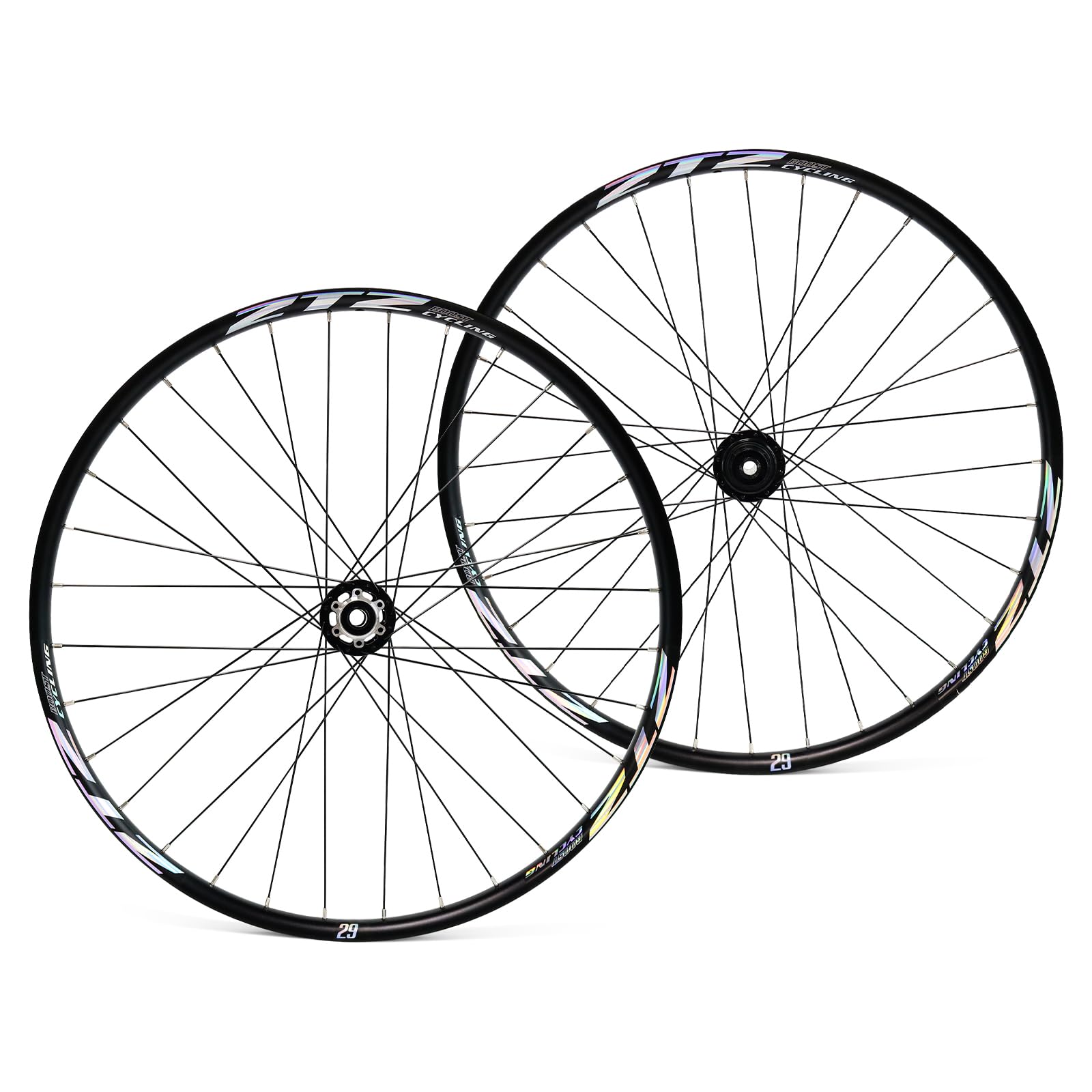
Wheelsets fall into clear tiers once you ignore paint and decals. The profiles below describe what each tier typically delivers, who it suits, and where its limits appear, so you can judge any set in the product table on substance.
Balanced All Round Tier
A balanced all round set pairs aluminum rims of moderate width with sealed bearing hubs and a sensible spoke count for your weight. It spins up well on climbs, shrugs off normal trail impacts, and can be serviced by any competent shop. This profile suits riders who ride varied trails and want one dependable set rather than a fragile race set and a spare. Its limit is ultimate stiffness and weight, where costlier sets still hold an edge.
Budget Tier
Budget sets cost less by using heavier rims, simpler hubs, and plain spokes, but they can still be strong and fully serviceable. They suit riders replacing worn stock wheels, building a spare set for muddy days, or upgrading an older bike without overspending. Check that the hubs use replaceable bearings and standard spokes, since odd parts make cheap wheels expensive later. Expect slower engagement when you start pedaling, which matters mostly on technical climbs with frequent stops.
Premium Tier
Premium sets use lighter rims, often carbon, with faster hub engagement and tighter build quality. They suit racers, strong climbers, and riders who notice small gains over long rides. Carbon rims can feel precise and shed weight where it matters most, at the outer edge of the wheel. The trade offs are price and impact risk, since a hard rock strike can crack a rim that an aluminum rim would only dent. Warranty terms matter greatly at this tier.
How to Choose the Best 29er Mountain Bike Wheels: Buying Guide
Compatibility comes before performance. A wheel that does not fit your frame, fork, or brake rotors is useless no matter how light it is. Work through these checks in order and any set you buy will mount cleanly and ride as intended.
Bike Type and Riding Style
Cross country riding rewards light weight and quick acceleration, trail riding rewards a balance of strength and width, and enduro riding rewards impact resistance above all. Heavier riders and aggressive riders should favor more spokes and stronger rims even at a weight cost. If you ride mainly smooth trails, a lighter set transforms how fresh the bike feels on climbs. Our broader guide to the best wheels for mountain bike use covers how these trade offs shift across wheel sizes.
Wheel Size and Tires
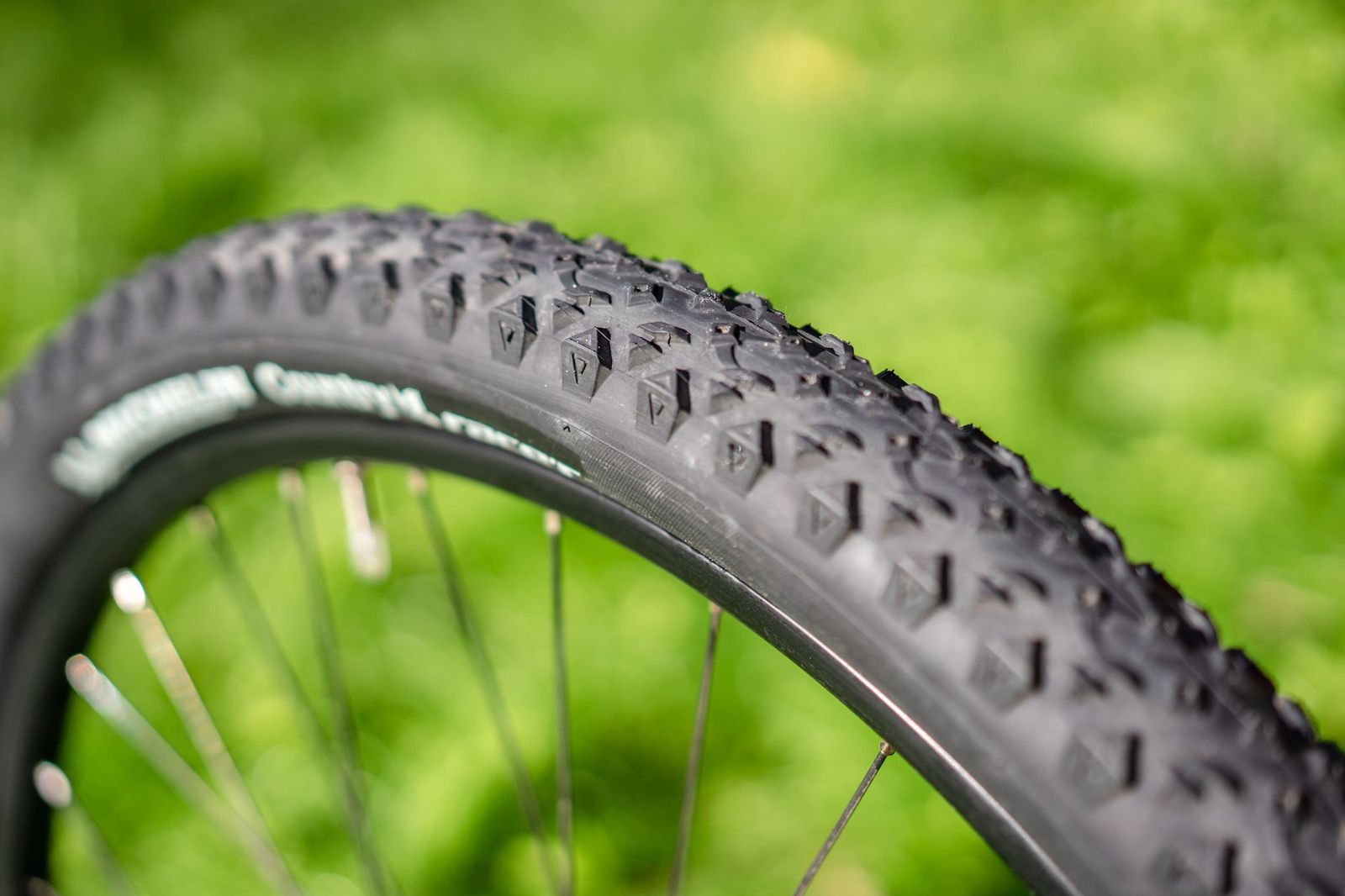
A 29 inch wheel rolls over roots and rocks with less effort and holds speed well, which is why it dominates endurance riding. Your new wheels must match the tire size your frame was built for, and rim width must suit your tires: about 25 to 30 mm internal width suits most trail tires around 2.3 to 2.5 inches wide. Tubeless ready rims let you run sealant instead of inner tubes, cutting pinch flats and allowing slightly lower pressure for grip.
Frame Material and Geometry
Your frame decides which axle standards fit. Modern trail frames commonly use through axles with wider hub spacing at the rear, while older frames may use quick release skewers. Measure or check the maker specifications before ordering, including rotor mount style and freehub type that matches your cassette. Geometry plays a smaller role here, but a slack modern frame built for rough descents deserves stronger wheels than a steep older cross country frame used on gentle trails.
Suspension: Hardtail vs Full Suspension and Travel
Wheels feel different depending on the bike they serve. A hardtail sends more impact through the rear wheel, so rear strength and tire volume matter more. Full suspension bikes spread impacts between wheel and shock, but long travel bikes invite harder hits at higher speeds. Match wheel strength to travel: short travel bikes pair well with lighter sets, while bikes with about 140 to 160 mm of travel deserve reinforced rims and higher spoke counts.
Weight and Components Upgrade Path
Wheel weight matters most at the rim and tire, where mass slows acceleration and steering response. Saving weight there improves climbing feel more than the same saving at the hub. Think about the upgrade path too: a set with standard spokes, common bearings, and a freehub that accepts newer cassettes stays useful longer. Riders planning a full bike change later should note that hub standards differ, and our guide to the best 29er mountain bike range explains current frame standards clearly.
Sizing and Fit
For wheels, sizing means standards, not rider height. Confirm four things: wheel diameter of 29 inches, axle type and spacing front and rear, rotor mount style, and freehub design for your drivetrain brand and speed count. Also check rider weight limits, since many light sets carry a stated maximum that includes your gear and pack. Exceeding that limit voids warranties and shortens spoke life, so heavier riders should choose reinforced builds without hesitation.
Types of 29er Mountain Bike Wheels
Wheelsets are often grouped by the bike style they serve. These short profiles help you place a listing correctly, because a strong enduro wheel and a light race wheel solve very different problems despite similar prices.
Cross Country Mountain Bikes
Cross country wheels prioritize low weight and quick acceleration, with narrower rims and lighter spokes. They suit racers and fitness riders on smooth to moderately rough trails. They feel lively on climbs but give less margin for hard impacts. Riders chasing low weight should study our guide to the best xc mountain bike wheels for the other end of the spectrum.
Hardtail Mountain Bikes
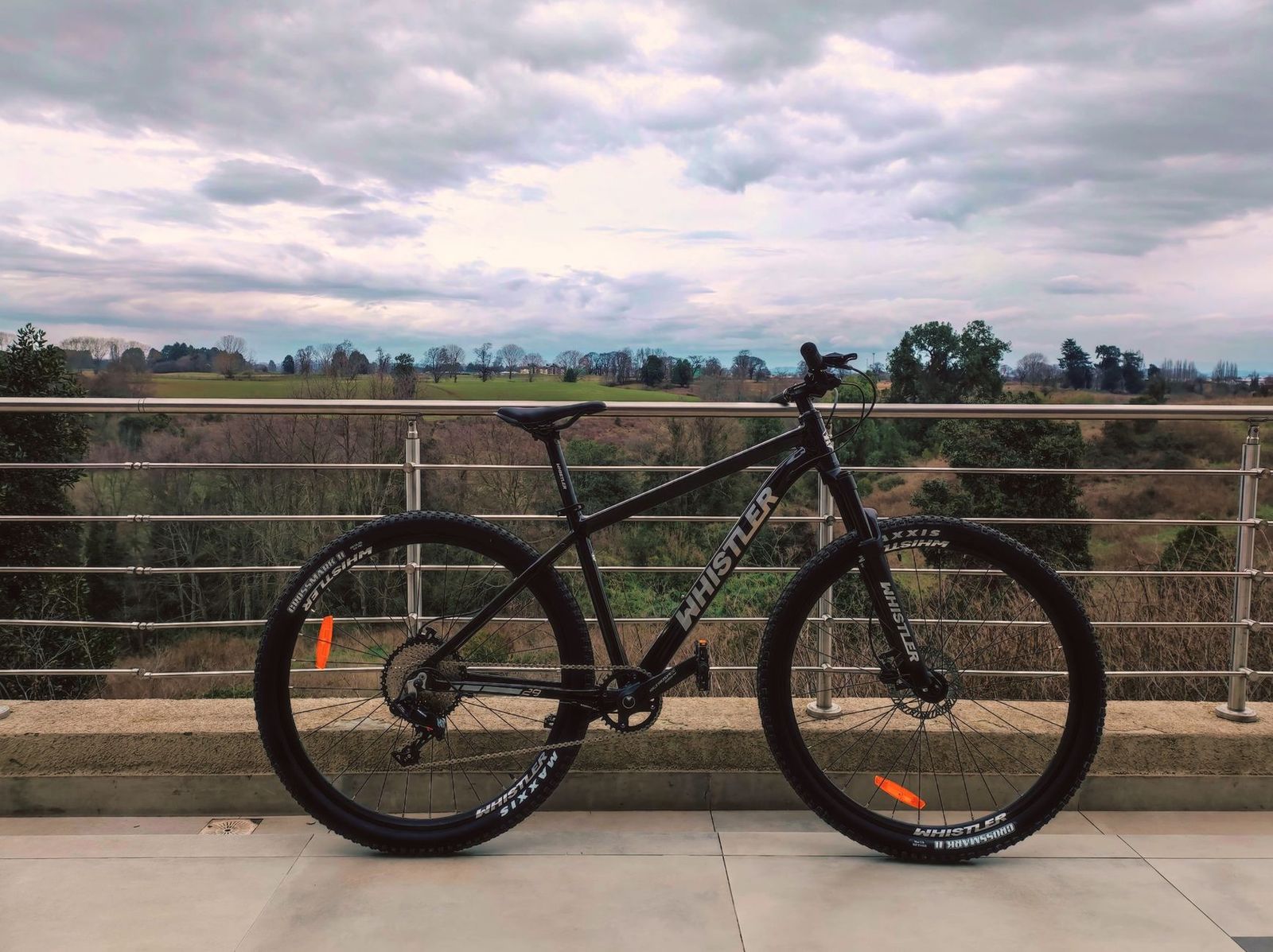
Wheels for hardtails need a resilient rear rim and enough tire volume to soften impacts that a frame cannot absorb. A slightly wider rim supports the tire sidewalls so you can run comfortable pressure without the tire rolling in corners. These sets suit the huge number of riders whose only suspension is the front fork. They reward careful pressure checks, since the rear tire does extra work on every rocky climb and descent.
Trail and Enduro Bikes
Trail and enduro wheels use wider, stronger rims, higher spoke counts, and hubs built for hard landings. They weigh more than race sets but protect against dents, broken spokes, and cracked rims on steep, rough terrain. Many use through axle hubs with wider spacing, so confirm your frame standard before ordering. They suit aggressive riders who value confidence over the last few grams.
Care and Maintenance Tips
- Check tire pressure before every ride, since tubeless setups lose air slowly and low pressure risks rim damage on rocks.
- Wipe rims and inspect for dents or cracks after hard impacts, and stop riding a cracked carbon rim at once.
- Have spoke tension checked during a yearly professional tune up, because even tension is what keeps wheels true and strong.
- Top up tubeless sealant every few months, since dried sealant cannot plug the small punctures it exists to seal.
- Clean hubs and rotors with care, keeping oil and spray lube away from brake surfaces to preserve stopping power.
- Store wheels off damp floors and out of strong heat, which protects tires, sealant, and bearing grease over time.
One more know how point saves real money: learn to true a slightly wobbly wheel with a spoke wrench before it worsens. Small corrections early prevent broken spokes later. Riders who race rough courses may also want the durability notes in our guide to the best enduro mountain bike wheels, since impact protection is the priority there. Carbon curious shoppers can compare material trade offs in our guide to the best carbon mountain bike wheels before paying the premium.
Frequently Asked Questions
Hardtail or full suspension for beginners?
For wheel buying, beginners on hardtails should choose durability over low weight, since the rear wheel takes direct hits while skills develop. A midweight aluminum set with common spokes is the wise starting point. Full suspension beginners can accept slightly lighter wheels because the shock absorbs part of each impact. Either way, correct tire pressure protects rims more than any single purchase decision you will make.
Are carbon wheels worth it for a 29er?
Carbon rims save weight at the outer edge and can feel stiff and precise, which suits racers and strong climbers. They cost more and can crack from a hard rock strike where aluminum would dent. For most trail riders, a well built aluminum set offers better value, and carbon makes sense once you want every small gain.
How much should I spend on my first bike wheel upgrade?
Spend enough to reach sealed bearing hubs, tubeless ready rims, and standard spokes, which is often the middle of the market. Very cheap wheels repeat the weaknesses of the stock set you are replacing. A useful rule is to upgrade wheels only after tires, because a good tire on a plain rim improves grip more than a costly rim wearing a worn tire. Keep your old set as a spare if storage allows.
What size bike do I need?
Wheel size is fixed by your frame, so a 29 inch frame needs 29 inch wheels, and no other diameter will fit safely. What you choose is rim width, and that should match your tire width as described above. If you are unsure whether your bike is a 29er at all, check the tire sidewall marking on your current tires. It states the diameter plainly and removes all guesswork before you order.
Do I need tubeless ready rims?
They are not required, since you can still run inner tubes, but they are worth having. Tubeless setups let you run lower pressure for grip and reduce pinch flats. If you plan to go tubeless later, buy rims and tape that support it now, and remember to refresh sealant regularly.
The Bottom Line
Confirm axle and freehub fit first, match rim width to your tires, and choose strength honestly for your weight and terrain. Those three checks matter more than small weight claims or striking graphics. Look back at the product table, apply the checks to each set, and you will land on the best 29er mountain bike wheels for your bike with no fit surprises waiting in the box.