Best 26 Inch Hardtail Mountain Bike: Our 2026 Checklist for Confident Buying
Disclosure: We may earn a commission when you buy through links on this page, at no extra cost to you. As an Amazon Associate I earn from qualifying purchases. Learn more

Use this checklist for the best 26 inch hardtail mountain bike to compare forks, brakes, gears and fit before you buy for trails or daily rides.
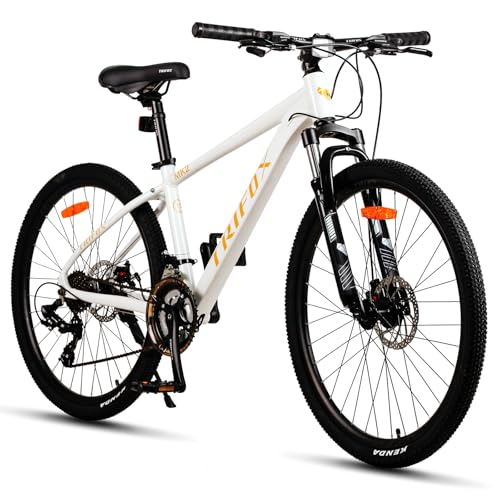
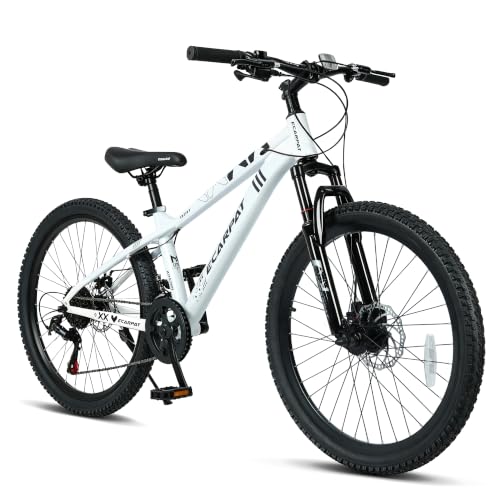
Shopping by checklist beats shopping by brand name, because a checklist forces every bike to answer the same questions. This guide gives you that checklist for finding a best 26 inch hardtail mountain bike, with clear pass and fail points for the fork, the brakes, the gears, and the fit. Use the product table as your short list, then score each option against the criteria that follow.
The 26 inch wheel was the mountain bike standard for decades, so parts are plentiful and prices stay fair. That history is your advantage when you know what to check.




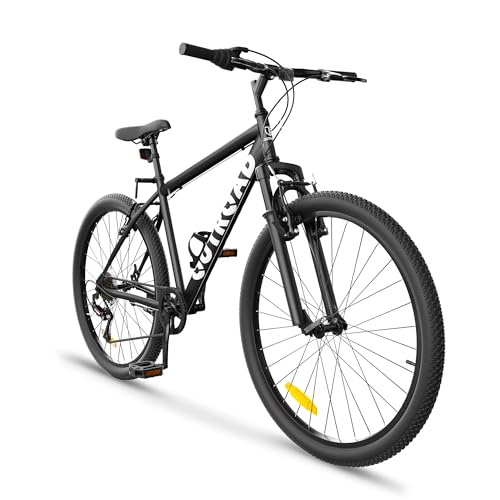
How to Choose the Best 26 Inch Hardtail Mountain Bike
Each criterion below includes a simple check you can apply in a shop or from a spec sheet. A bike does not need to ace every point, but it should not fail on brakes, fit, or frame quality. Those three protect the rider on every single ride.
Bike Type and Riding Style
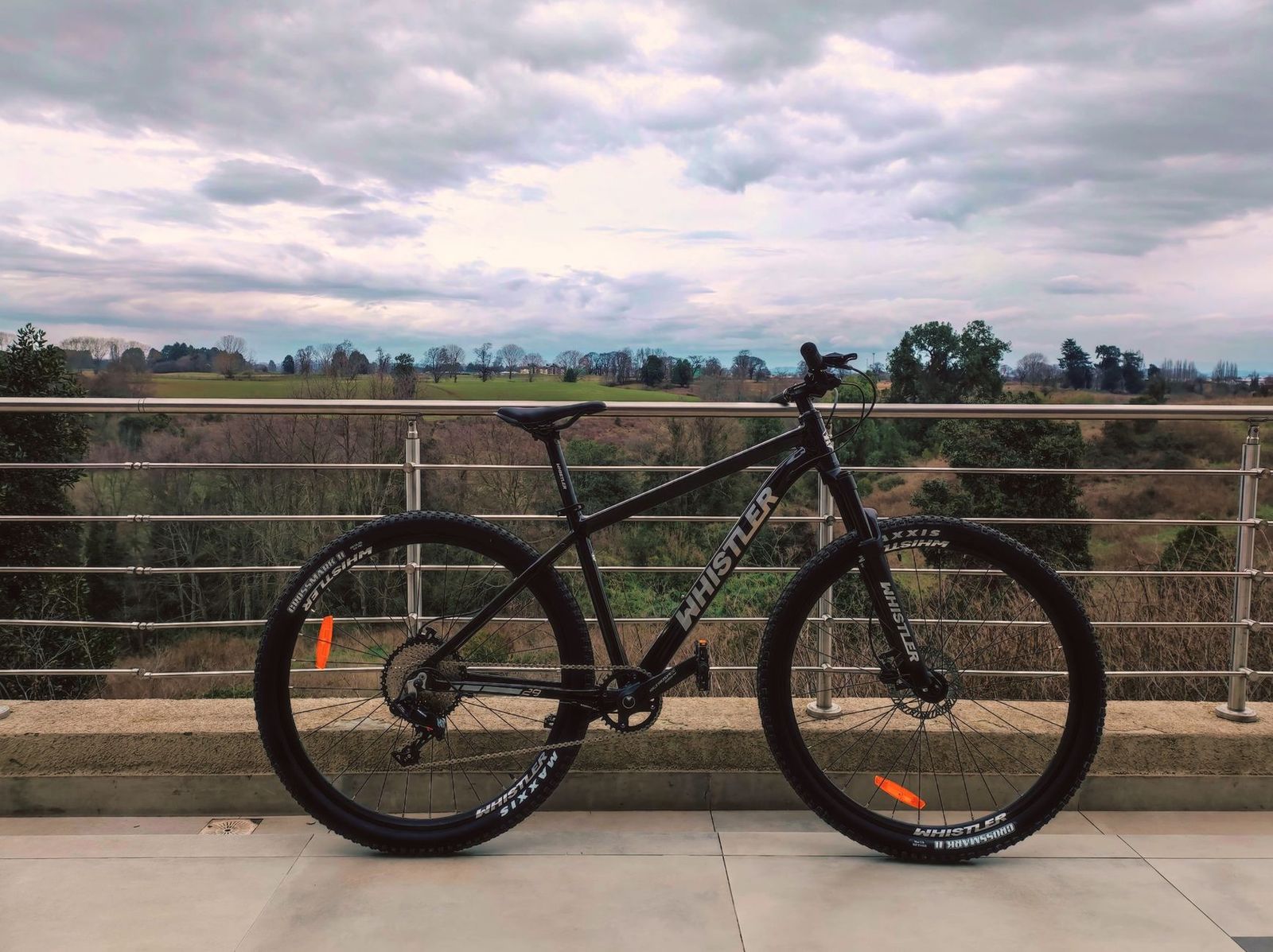
A good hardtail in this size should suit cross country and trail riding, with a riding position that works for both climbing and casual road links between trails. Pass a bike that lists its intended use clearly and has tire tread to match. Fail a bike with downhill styling but a weak fork and basic brakes, because the looks promise riding the parts cannot support. If your riding is mostly gravel and park paths, a lighter cross country setup will feel better than a heavy trail build.
Wheel Size and Tires
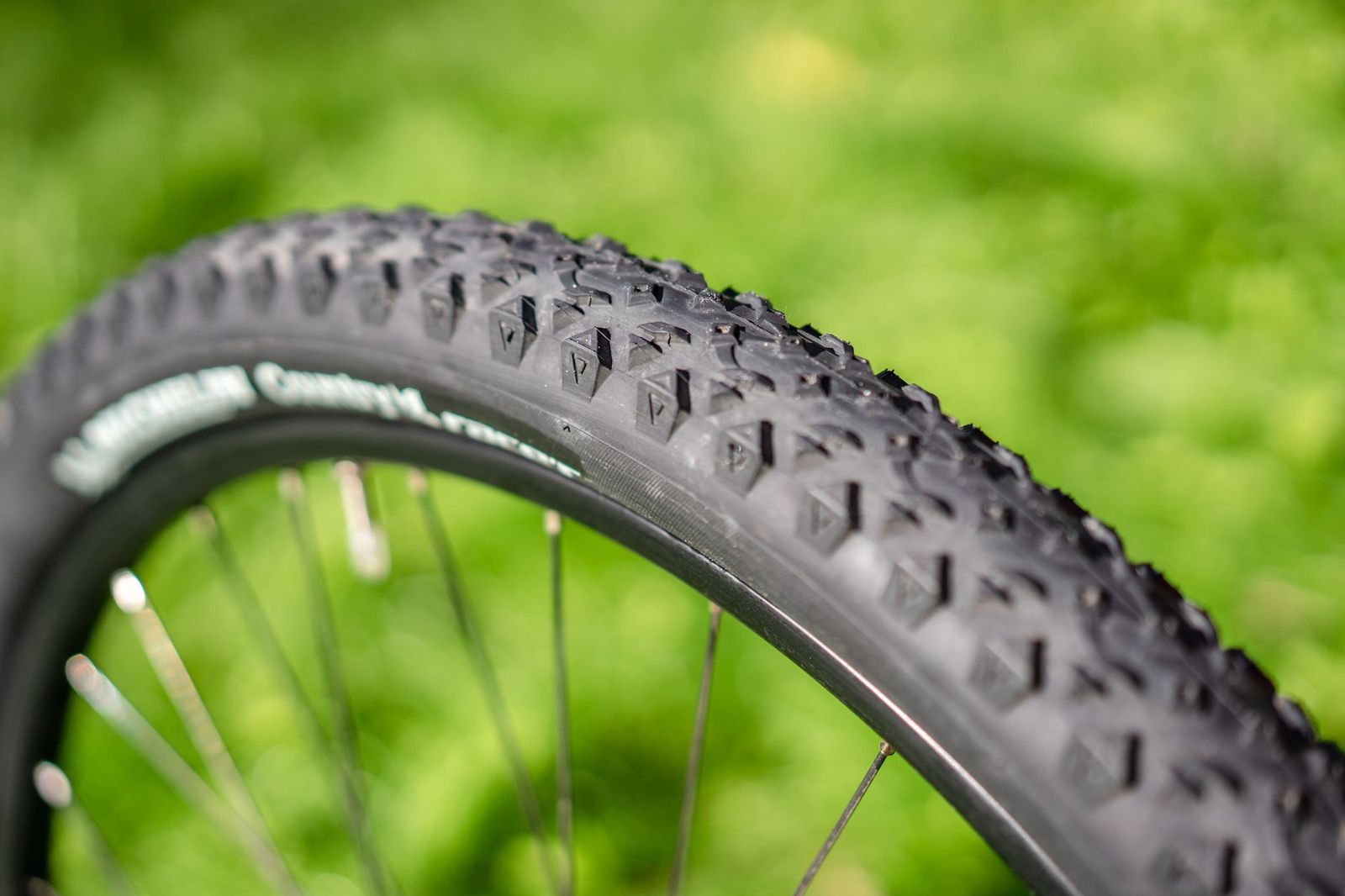
The 26 inch wheel accelerates quickly and keeps the bike nimble in tight turns, which suits smaller riders and technical trails. A good setup clears tires at least 2.0 inches wide, and better trail models clear 2.3 inches. Check whether the wheels are tubeless ready if you want fewer flats from thorns and pinch points, since sealant can close small holes while you ride. Fail any bike whose tire clearance is so tight that mud packs against the frame on wet trails.
Frame Material and Geometry
Aluminum frames pass for most riders: light, stiff, and rust free. Steel frames pass for riders who value toughness and a calm ride feel and accept extra weight. Geometry checks are simple numbers: a head angle around 67 to 70 degrees suits general trails, and reach should let the rider hold the bars without locking the elbows. Fail a frame with no size options at all, because one size rarely fits the wide height range that sellers claim for it.
Suspension and Travel
On a hardtail, the front fork does all the suspension work, so its quality decides comfort and control. Look for about 100 to 120 mm of travel for general trails, with a lockout for smooth climbs. A fork with adjustable rebound is a genuine plus at higher prices, because it stops the front wheel bouncing after rocks. Cheap forks with no damping feel springy and vague, so push down on the bars in the shop: the fork should return smoothly, not snap back.
Sizing and Fit
Fit passes when three checks pass together. The rider stands over the frame with clear space, pedals with a slight knee bend at the bottom of the stroke, and brakes without stretching the fingers. Most adult 26 inch hardtails suit riders from about 5 feet 2 inches to 6 feet 2 inches, depending on the frame size chosen. If you want shorter reach and narrower bars, see our guide to the best women's 26 inch mountain bike options, and always confirm the actual fit in person.
Brakes (Hydraulic vs Mechanical Disc)
Hydraulic disc brakes pass with the strongest marks: one finger braking, steady power in rain, and pads that adjust as they wear. Mechanical disc brakes can pass for lighter riders and gentler trails when set up well, though they need more hand strength and more frequent adjustment. Rim brakes are a weak choice for muddy trail use because wet rims lengthen stopping distances. Whatever the type, squeeze the levers hard in the shop: a lever that pulls to the bar means the system needs work before you pay.
To place this size in context, compare it with our guide to the best 26 inch mountain bike range in full, and with our guide to the best mountain bike 26 inch wheels if you plan to keep a frame and upgrade the wheels later. Riders torn between sizes can also read our guide to the best 29 inch hardtail mountain bike options to see what the larger wheel gives up in tight turns.
Three Profiles That Pass the Checklist
The profiles below describe the three kinds of bike that most often pass the checklist at sane prices. Match your riding to a profile, then use the product table to find models that fit it. No profile is right for everyone, and each one trades something away.
The All Rounder Profile
This profile pairs an aluminum frame with a damped fork, disc brakes, and a 21 speed drivetrain. It suits riders who ride trails weekly and want one bike for climbs, descents, and town trips. Expect to pay around $350 to $500 for this level in a 26 inch size. Its strength is balance, and its weakness is that determined racers and bike park riders will each want something more specialised later.
The Budget Profile
The budget profile accepts a steel frame or a simpler fork and a narrower gear range. It suits new riders, students, and anyone whose trails are mostly smooth, and it often lands around $150 to $300. The money saved can buy a good helmet and a floor pump. Check brakes and fit with extra care at this level, because those are the areas where cheap builds cut corners first.
The Compact Profile
Some riders choose 26 inch wheels precisely because the whole bike stays small and easy to store, carry up stairs, and fit in a car. This profile favours a lighter frame, a simple fork, and plain parts that a home mechanic can service. It suits apartment riders and travellers who ride moderate trails. Prices often sit around $200 to $400. The trade off is comfort on rough ground, which you can partly offset with wider tires run at sensible pressures.
Quick Buyer Checklist
- Can the rider stand over the frame with clear space and reach both brake levers with ease?
- Do the brakes stop the bike firmly with one or two fingers on each lever?
- Does the fork move smoothly and return without a harsh snap or a sticky start?
- Is there a low gear that makes your steepest local climb realistic?
- Do the wheels clear the tire width you plan to ride, with room for mud?
- Are replacement tires, tubes, and brake pads in this size stocked nearby?
- Does the frame warranty run for at least a year with a clear contact for help?
Red Flags to Watch For
- Vague specifications. Listings that hide frame material, total weight, or brake type usually hide weak parts as well.
- Dual suspension at a very low price. A rear shock on a budget bike often adds weight and flex without real control, so a good hardtail is the better buy.
- Unrealistic review patterns. A flood of short glowing comments with no detail tells you little about real durability.
- Very short warranty. A frame warranty under a year signals low confidence from the maker.
- Impossible promises. Claims of pro level parts at toy prices mean the part names are being used loosely.
Care and Maintenance Tips
Check tire pressure before every ride, because hardtail riders feel rear tire pressure directly through the saddle. Clean and lube the chain every 100 to 200 miles, and have a professional tune up once a year to check the fork, the headset, and wheel trueness. One extra habit pays off on hardtails: inspect the rear tire for cuts, since it takes the impacts the frame does not absorb.
Frequently Asked Questions
How much should I spend on my first bike?
About $250 to $500 buys a first hardtail that passes the brake and fit checks in this guide. Below that range, forks and brakes usually disappoint within months. One cost many first time buyers forget is a proper floor pump with a gauge, which costs little and prevents the under inflated tires that cause most early flats. Borrow tools where you can, but do not borrow safety: buy your own helmet.
Hardtail or full suspension for beginners?
A hardtail teaches beginners better habits and costs less to keep running. Without a rear shock, the rider learns to choose smooth lines and to stand over rough ground. Full suspension can mask mistakes until speeds rise, and its pivots and shock need periodic service that adds real cost. Choose full suspension when your trails are rocky enough that a hardtail limits your riding, not as a first step.
What size bike do I need?
Use inseam first: riders with an inseam around 28 to 32 inches often fit a small or medium 26 inch frame. Then confirm stand over space and brake reach in person. Bar width is an extra check, because bars wider than your shoulders make tight trails and doorways awkward. Many riders trim bars by a small amount, a cheap change that a shop can make in minutes.
Is a 26 inch wheel still a good choice?
Yes, for riders who value quick handling, a smaller frame, and easy to find tires and tubes. Larger wheels roll over bumps more easily, but the 26 inch size stays agile in tight turns and often costs less. Check that the tires you want are stocked locally before you buy.
Final Thoughts
Run the checklist in order: fit, brakes, fork, then gears and wheels. Match one of the three profiles to your trails and your budget, and ignore any model that fails on brakes or fit, however good it looks. Compare your finalists in the product table and choose the best 26 inch hardtail mountain bike that passes every check you set for it.