
Best 29 Inch Mountain Bike Wheels: A Clear Buying Guide for 2026
Disclosure: We may earn a commission when you buy through links on this page, at no extra cost to you. As an Amazon Associate I earn from qualifying purchases. Learn more

First time buying the best 29 inch mountain bike wheels? Learn the fit terms and avoid common mistakes with this easy guide.
Wheels are the upgrade riders feel most, and also the purchase with the most confusing vocabulary. Axle standards, rim widths, hub spacings, and freehub bodies all decide whether a wheelset fits your bike at all. This guide explains the best 29 inch mountain bike wheels in plain language, starting from the basics and ending with a simple way to choose, so first time buyers can shop with confidence.
The product table pulls current wheelsets into one view. Learn the fit checks in this article first, then use the table to match a set to your frame, your brakes, and your cassette.

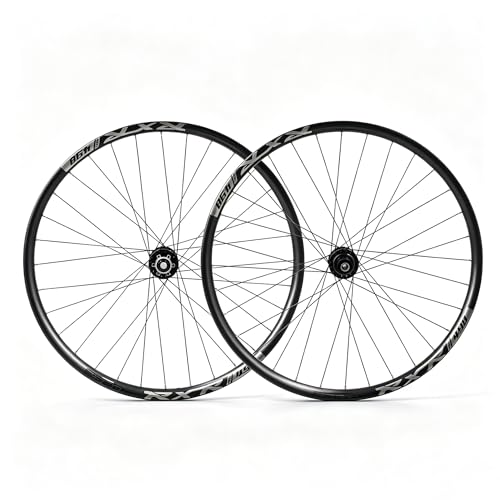

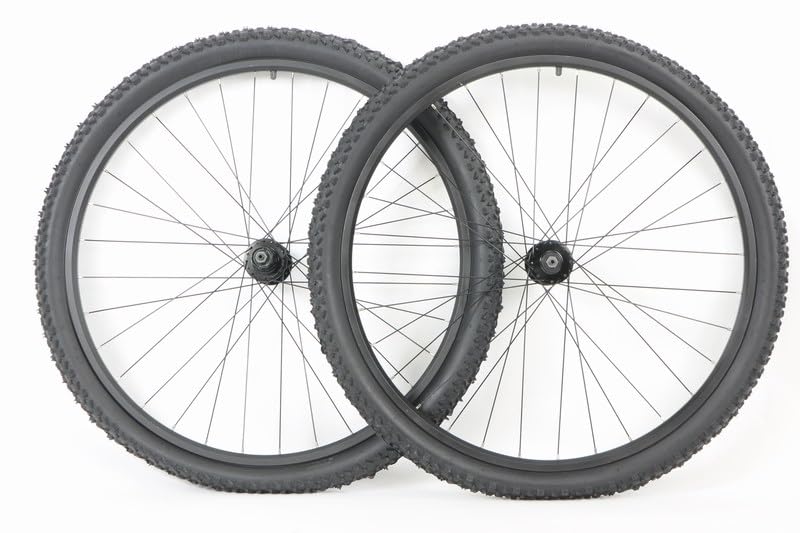

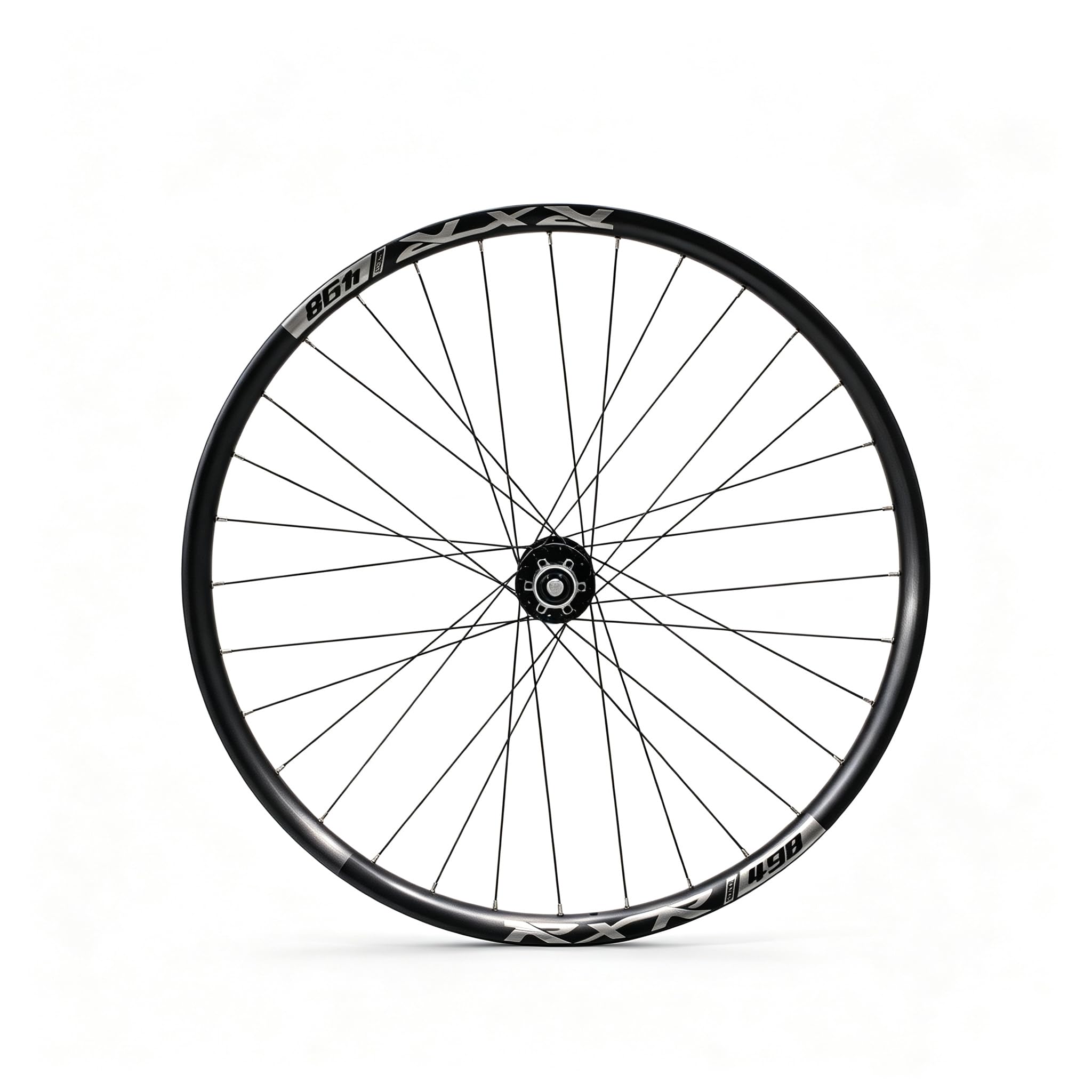


29 Inch Mountain Bike Wheels 101: The Basics
A 29 inch mountain bike wheel is built around a rim sized for tires marked 29 inch or 700c, with a hub at the center, spokes connecting hub to rim, and a tire mounted outside. Once rolling, big wheels carry momentum well, roll over roots and rocks with less drama, and offer a large contact patch for grip. Those traits are why 29 inch wheels became the default on modern trail bikes, as our guide to the best 29 inch mountain bike shows across full bike categories.
Four terms unlock every listing. Rim width, measured inside the rim, shapes how your tire sits and grips. Hub spacing and axle type decide frame fit. The freehub body decides which cassettes mount. And tubeless readiness decides whether you can run sealant instead of inner tubes, which most trail riders now prefer for fewer flats and better traction at lower pressure.
Key Specs Explained in Plain English
Bike Type and Riding Style
Your riding style sets the strength and weight you need. Cross country wheels are light and narrow, built for climbing speed on smoother trails, and they punish careless landings. Trail wheels, the best default for most riders, balance moderate weight with rims around 28 to 32 mm internal width. Enduro and downhill wheels are heavier and stronger, with reinforced rims that shrug off rock strikes.
Road, gravel, and hybrid wheels are not substitutes, because their hubs, rim strength, and tire clearance target smooth surfaces. Electric bikes need especially strong wheels, since motor torque and battery weight load the spokes harder than pedaling alone.
Wheel Size and Tires
The 29 versus 27.5 debate comes down to feel. The 29 inch wheel rolls over obstacles better and holds speed, while the smaller size accelerates quicker and feels more playful in tight turns. Some bikes even mix sizes, with a 29 inch front and a smaller rear. What matters for you is that the wheel, tire, and frame clearance all agree.
Tubeless setup is the second half of this spec. A tubeless ready rim and tire, plus sealant and the right valves, let you drop pressure for grip without pinch flats. Fat tire wheels are a separate category with much wider rims, so do not assume a standard trail rim can host very wide tires safely. Pair your choice with the guidance in our article on the best 29 inch mountain bike tires for tread advice.
Sizing and Fit
For wheels, sizing means compatibility, not your height. Check four numbers before ordering. First, axle diameter and length front and rear, such as quick release or through axle standards. Second, hub spacing, often called Boost or non Boost on modern frames. Third, brake mount type, either six bolt or center lock rotor fitting. Fourth, freehub body style, which must match your cassette family.
A practical check: measure your current setup or read the frame spec sheet, and photograph the hub labels before you shop. Guessing on spacing is the number one reason new wheels go back in the box. When in doubt, a bike shop can confirm all four numbers in minutes.
Drivetrain and Gearing
Wheels and gearing meet at the freehub. Cassettes from the major drivetrain families mount on specific freehub bodies, and a wheel built for one family may need a different driver body to accept the other. Count your cassette sprockets too, because older eight, nine, and ten speed systems fit more forgiving standards than current twelve speed systems.
The hub itself also matters. More engagement points in the rear hub mean the pedals catch sooner after coasting, which helps on technical climbs where you ratchet the cranks. Budget wheels engage slower but work fine on smoother trails. Match the new wheel to your existing cassette whenever possible, and the swap stays cheap and simple.
Frame Material and Geometry
Frame material shapes which wheels make sense. Aluminum frames pair well with aluminum rims for balanced cost and durability. Carbon frames often justify carbon rims, which are stiffer and lighter but cost far more, a category explored in our guide to the best carbon mountain bike wheels 29. Steel frames suit tough, repairable aluminum wheels that a shop can true easily after a knock.
Geometry enters through tire clearance and axle standards rather than angles. A frame built for narrow cross country tires may not clear the wide rubber that modern wide rims support. Always check the maximum tire size in the frame specs before choosing rim width.
Weight and Components Upgrade Path
Wheels are the best place to lose bike weight, because they rotate and you feel every gram when accelerating and climbing. A lighter trail wheelset can save meaningful weight over stock wheels, but chasing the lightest option sacrifices rim strength and raises price fast. Set a floor based on your weight and terrain, and let durability outrank small weight savings.
Think about the path beyond this purchase too. Standard parts, such as common spoke types and widely supported hub drivers, keep future repairs easy. Sealed cartridge bearings can be replaced when worn, extending wheel life for years. Riders curious about the terminology can also browse our guide to the best mountain bike 29 wheels for a second angle on the same standards.
Rookie Mistakes to Avoid
- Ignoring hub spacing. A wheel that does not match your frame spacing simply will not install, and adapters do not exist for every mismatch.
- Buying by rim size alone. Brake mount and freehub type matter just as much, and both are easy to check before ordering.
- Going too narrow or too wide. Rim width and tire width work as a pair, and extreme mismatches ruin cornering grip and tire shape.
- Forgetting the small parts. Tubeless tape, valves, sealant, and sometimes new rotors are part of the real installed cost.
- Skipping the spoke check. New wheels settle after the first rides, so ignoring loose spokes early turns a small truing job into rim damage.
Getting Started: Setup and First Use
Start by mounting rotors and the cassette with the correct torque, then fit tires and check that the bead seats evenly all the way around. For tubeless setups, add sealant after the tire seats, inflate to the maker recommended pressure, and spin and shake each wheel so sealant coats the inside. Confirm the wheels sit centered in the frame and fork, and that the brake rotors spin without rubbing.
Two habits from day one protect your investment. Check tire pressure before every ride, because tubeless tires lose air slowly and pressure is your main grip and rim protection setting. And clean and lube the chain every 100 to 200 miles so grit does not grind the new cassette. Retension and true the wheels after the first few rides, or have a shop do it, because fresh spokes always settle.
Frequently Asked Questions
Can I use 29 inch wheels on an electric mountain bike?
Only if they are rated for it. Electric bikes need stronger rims, more spokes, and hubs rated for motor torque and extra weight, so a standard trail wheelset is not automatically suitable. Check the maker weight and use ratings carefully, and check local rules before riding a motorized build on trails.
How much should I spend on a wheelset?
Spend enough for double wall rims, sealed bearings, and a correct fit for your bike. Riders on gentle paths can start with an affordable aluminum set, while rocky weekly riding justifies stronger and better built wheels. If you upgrade one part of a stock bike, wheels often give the clearest gain.
Will 29 inch wheels fit my frame?
Frame size follows your height, but wheel fit follows axle type, hub spacing, brake mount, and tire clearance. Check the frame specs for maximum tire size before ordering. Our guide to the best mountain bike 26 inch wheels explains the smaller option for youth and smaller frames.
Hardtail or full suspension: does it change the wheel choice?
A hardtail keeps wheel care straightforward. Full suspension adds comfort and traction on rough trails but also adds a rear wheel that takes bigger hits, so rim strength matters more. Either way, beginners should pick wheels with common parts and strong rims over the lightest race style options.
Do tires affect which wheels I should buy?
Yes. Rim width and tire width work as a pair, and correct tire pressure and smooth rolling tires improve both grip and rim protection. Check the tire sizes the rim supports before you order.
Wrapping Up
Fit first, strength second, weight third: match the spacing, brake mount, and freehub, choose rims wide enough for your tires, and buy the strongest set your budget allows. Chosen that way, the best 29 inch mountain bike wheels will transform how your current bike accelerates, corners, and climbs. Shortlist from the product table, verify the four fit numbers once more, and enjoy the first ride difference.


