Best 26 Inch Mountain Bike Under 200: A Clear Buying Guide for 2026
Disclosure: We may earn a commission when you buy through links on this page, at no extra cost to you. As an Amazon Associate I earn from qualifying purchases. Learn more

Shopping for the best 26 inch mountain bike under 200 for the first time? Learn the terms, compare options, and avoid rookie mistakes with this easy guide.
Buying your first mountain bike feels confusing because every listing uses words you have never needed before. This guide explains the best 26 inch mountain bike under 200 in plain language, step by step, so you can judge a bike by what matters and ignore the rest. Check the product table first, then read on to learn what each part does and what this budget can honestly deliver.
You do not need racing parts to enjoy dirt paths, canal trails, and park loops. You need a bike that fits, brakes you can trust, and gears that change when you ask them to.



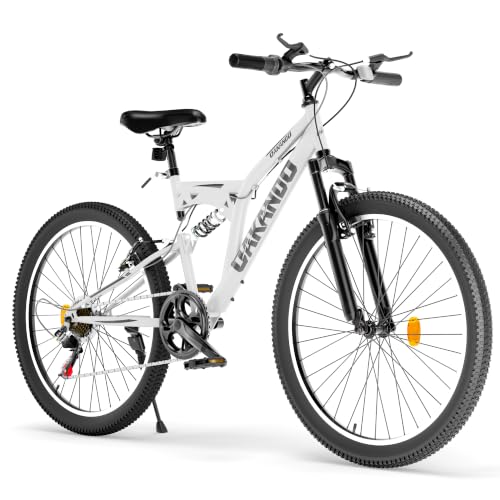

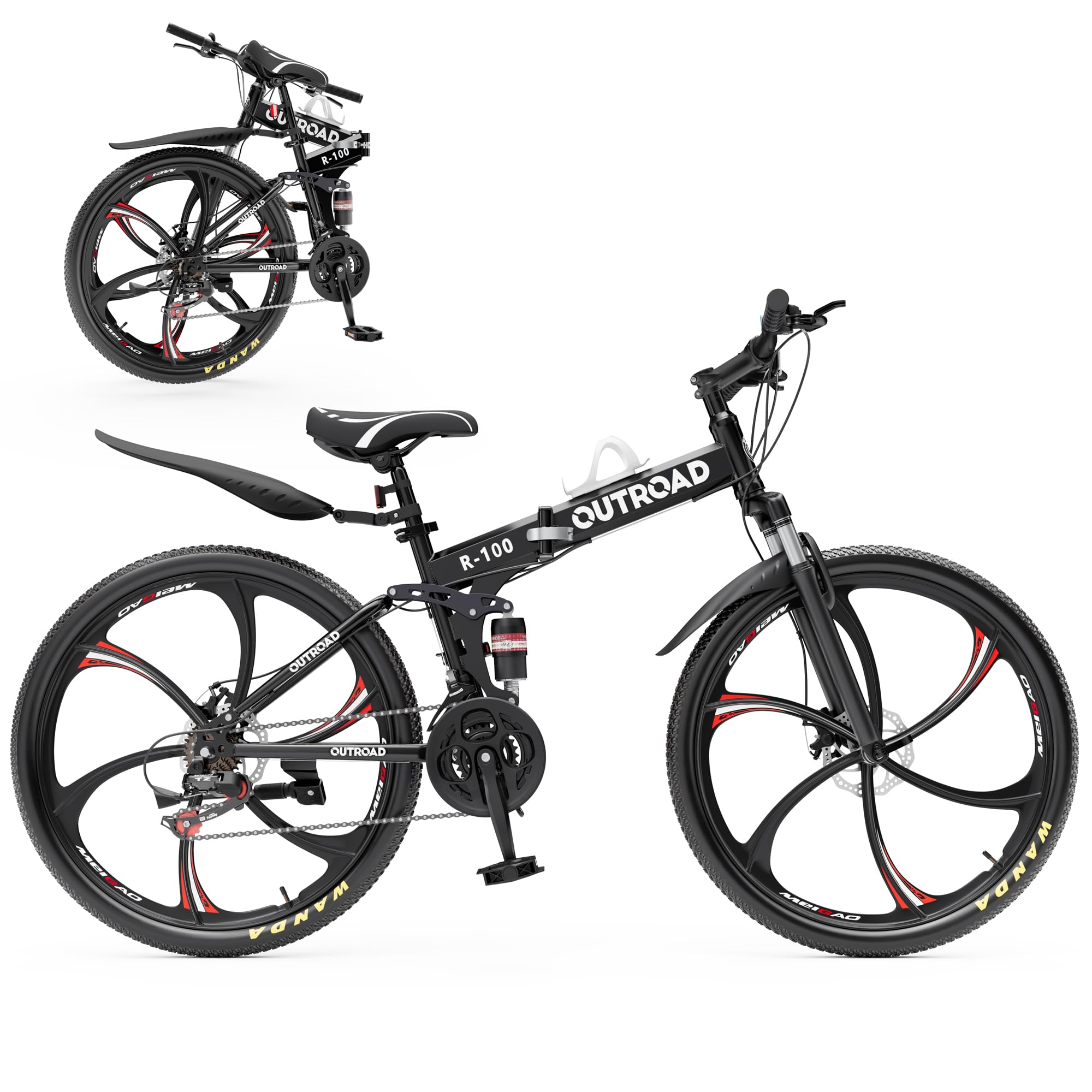
Best 26 Inch Mountain Bike Under 200: The Basics
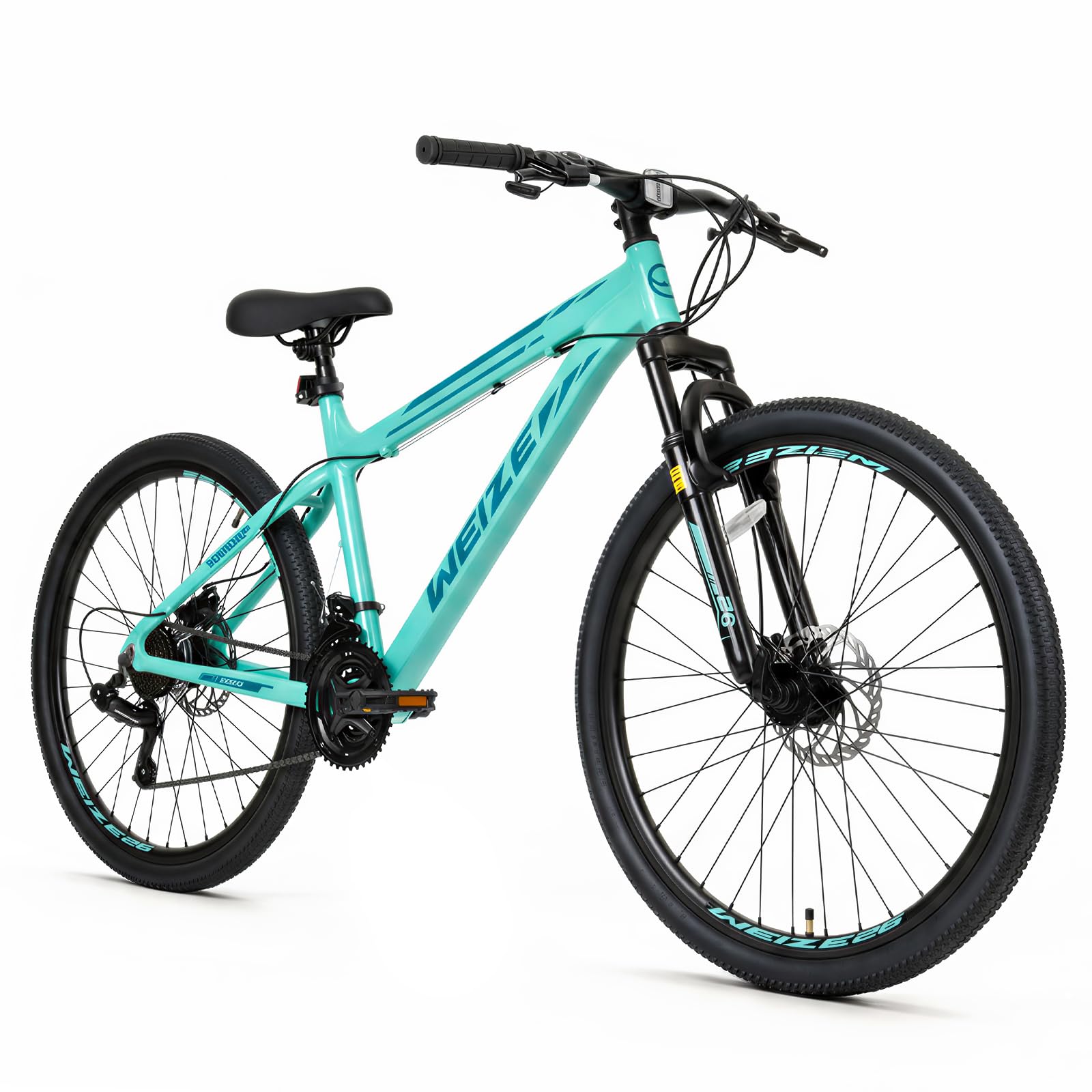
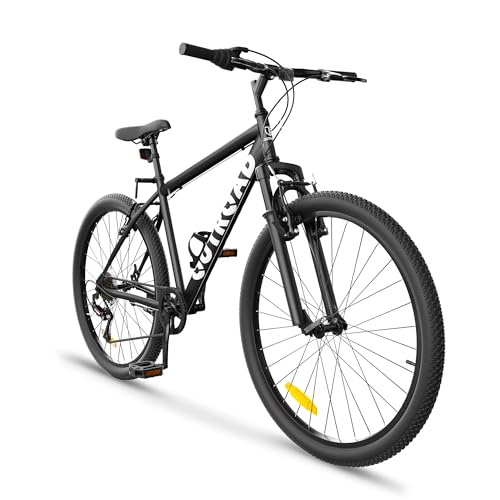
A 26 inch mountain bike has wheels that measure about 26 inches across, wide knobby tires, a sturdy frame, and low gears for hills and rough ground. The hardtail design is standard at this price: a spring fork at the front softens bumps, while the rear of the frame stays rigid. That keeps the bike lighter, cheaper, and easier to repair, which is exactly what a first bike should be.
A few terms unlock every listing. The drivetrain means the chain, gears, and shifters that drive the rear wheel. The fork is the part that holds the front wheel and absorbs bumps. Disc brakes squeeze a metal rotor at the center of the wheel, while rim brakes (often called V brakes) squeeze the wheel rim itself. Stand over height is the space between you and the top tube when you stand over the bike, and it is your quickest fit check.
This wheel size suits many teens and adults, and most adult 26 inch bikes list a rider height range of roughly 5 feet 2 inches to 6 feet 2 inches, depending on the frame size. Riders often choose it for value, because 26 inch parts have been made for decades and replacements are cheap and easy to find.
Key Specs Explained in Plain English
Read each spec below with one question in mind: what does this mean on my actual rides? If a listing hides one of these specs, that silence is information too.
What You Can Realistically Get Under $200
Under $200, expect a steel or basic aluminum frame, a simple front fork, rim brakes or basic mechanical disc brakes, and gears from a twist shifter or simple trigger shifters. The bike will be heavier than pricier models, often around 32 to 38 lb, and the saddle and pedals will be basic. That is fine for paths, light trails, and learning. Do not accept weak brakes or a frame that does not fit to save money, because those two points decide safety. Spend near the top of the budget if you can, around $170 to $200, where brakes and gears usually improve.
Bike Type and Riding Style
Mountain bikes split into styles by terrain. Cross country bikes suit climbing and longer rides on mixed ground, trail bikes add comfort for rougher descents, and downhill bikes are built only for steep bike park runs with a lift back up. At this budget you are buying a cross country style hardtail, whatever the paint suggests. It will handle dirt roads, park trails, and gentle woods riding well. It is not built for jumps, rock gardens, or downhill parks, and riding it there risks both the bike and you.
Weight and Components Upgrade Path
Weight matters because you lift the bike onto racks, carry it up steps, and push it up hills that beat you. A lighter bike feels friendlier from day one, so compare weights when listings give them. The good news is that the first upgrades are cheap and easy: better tires transform grip, a comfier saddle transforms long rides, and grippier pedals cost little. Buy the frame and fit first, because those cannot be upgraded. Leave costly parts like forks for a future bike, since a good fork can cost more than this whole bicycle.
Brakes and Gears
Most bikes at this price use either V brakes or mechanical disc brakes. V brakes are simple, light, and easy to adjust, while mechanical discs give more consistent stopping in wet weather but need the pads and cable checked now and then. Gear counts of 7, 18, or 21 speeds are common, and more gears mostly means more steps between the same low and high gear. Twist shifters are easy to learn, and what matters most is that each gear engages cleanly without the chain slipping or rubbing.
Wheel Size and Tires
The 26 inch wheel was the standard for years, so tires and tubes are sold everywhere at low prices. Compared with larger 27.5 and 29 inch wheels, a 26 inch wheel starts moving quickly and turns easily, but rolls over big roots and rocks with a bit more effort. For the riding this budget suits, that trade is barely noticeable. Tire width near 1.95 to 2.2 inches is the sweet spot: wide enough for grip on loose ground, narrow enough to roll well on pavement. Tubeless setups are rare here, so carry a spare tube and a small pump.
Frame Material and Geometry
Steel frames are common at this price: they are heavy but tough, and they shrug off the knocks of learning. Aluminum frames weigh less and do not rust, and they appear near the top of this budget. Geometry is simply the shape of the frame: a lower top tube makes mounting easier and stand over safer, while a longer frame feels calmer at speed and a shorter one feels nimbler in turns. For a first bike, choose the frame you can stand over with clear space and reach the bars without leaning far forward.
If your budget grows later, our guide to the best 26 inch mountain bike under 300 shows what the next step buys, and our guide to the best 26 inch mountain bike under 500 shows the step after that. If the rider is smaller, our guide to the best 24 inch mountain bike under 200 covers the same budget in the smaller wheel size.
Rookie Mistakes to Avoid
- Choosing by colour or by gear count. More gears does not mean better gears, and paint does not stop you on a wet hill.
- Buying a size too big to grow into. A bike you cannot control today teaches fear, not skill, and brake levers sit too far from small hands.
- Skipping assembly checks. Bikes shipped in boxes need the bars, pedals, and wheels fitted and every bolt checked before the first ride.
- Forgetting the safety budget. A helmet is not an optional extra, so include one in your plan from the start. Our guide to mountain bike helmets under $50 can help.
- Riding trails beyond the bike. A budget hardtail on a downhill track is a safety problem, not a bargain, so build up gradually.
Getting Started: Setup and First Use
When the bike arrives, work through a calm setup before any trail. Inflate the tires to the range printed on the sidewall, set the saddle so your knee keeps a slight bend at the bottom of the pedal stroke, and squeeze both brakes while walking the bike to feel them bite. Spin each wheel and watch for wobbles, then shift through every gear while a friend lifts the rear wheel.
- Check tire pressure before every ride, because soft tires pinch tubes on bumps.
- Clean and lube the chain every 100 to 200 miles to keep shifting smooth and quiet.
- Wear a helmet on every ride, and add lights if you ride near traffic at dusk.
- Start on smooth paths for the first rides, then add gentle dirt as your braking feels natural.
26 Inch Mountain Bikes: Your Questions Answered
Can you get a good 26 inch mountain bike under $200?
Yes, if good means safe, comfortable, and fun on paths and light trails. You will not get light weight, plush suspension, or strong hydraulic brakes at this price, and honest guides should say so. A point sellers rarely stress is assembly: many returns and bad reviews trace back to poor home assembly, not bad parts. If you are unsure, paying a shop a modest fee for a safety setup is the smartest money in the whole purchase.
How much should I spend on my first bike?
For a first bike, spending near the top of a budget you can afford usually beats the very cheapest option, because brakes and shifters improve quickly between about $120 and $200. Keep roughly $40 to $60 outside the bike price for a helmet, a lock, and a pump. Borrowing a bike for a weekend first is also wise: one real ride tells you whether you enjoy the sport before you commit any money at all.
Hardtail or full suspension for beginners?
Choose a hardtail if you can. Many bikes at this price advertise dual suspension, but a rear spring at under $200 usually adds weight and bounce without real control, and its pivots wear fast. A hardtail is also easier to store, clean, and repair while you learn basic care. When you later ride rocky trails weekly and your budget reaches several times this level, full suspension becomes a real and worthwhile option.
What rider height fits a 26 inch mountain bike?
Most adult 26 inch models list a range from about 5 feet 2 inches to 6 feet 2 inches, though some start nearer 5 feet 4 inches. Always read the listed height range and compare it with your inseam, because the seat post only adjusts so far. Riders below that range are usually more comfortable on a smaller wheel size.
Are disc brakes or V brakes better on a budget bike?
Both work well when they are adjusted properly. V brakes are light and simple to fix, while mechanical disc brakes handle wet conditions more consistently. Whichever you choose, squeeze both levers before your first ride and make sure the bike stops smoothly without squealing or the levers touching the bars.
Wrapping Up
Your first bike decision rests on fit, brakes, and honest expectations about this budget. Choose a bike that you can stand over safely, set it up with care, and start on gentle ground while your confidence grows. Compare the picks in the product table, and pick the best 26 inch mountain bike under 200 that feels right on your very first ride.