
Best Mountain Bike Helmets Under $50: A Complete Buying Guide
Disclosure: We may earn a commission when you buy through links on this page, at no extra cost to you. As an Amazon Associate I earn from qualifying purchases. Learn more

A tight budget doesn't have to mean riding without real protection. Mountain bike helmets under $50 have come a long way, and the best ones in this price range meet the same impact standards as helmets costing three or four times as much. The catch is that "cheap" and "unsafe" aren't the same thing, but "cheap" and "full-featured" usually are. Knowing exactly what you're trading away when you shop under $50, and what you should never compromise on, is what separates a smart budget buy from a risky one.
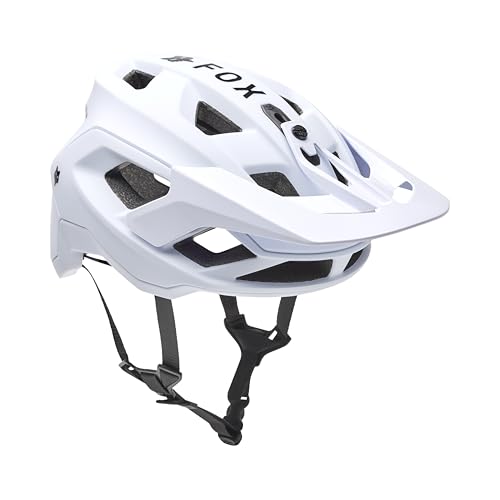
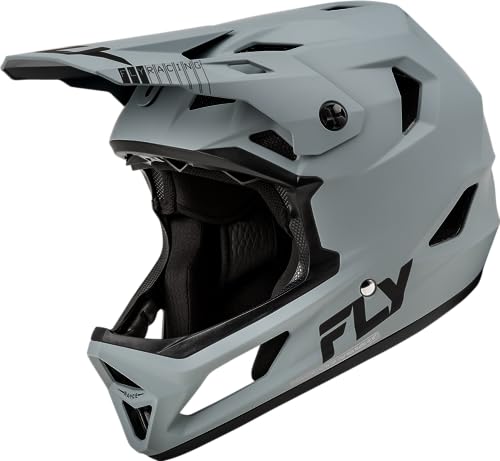
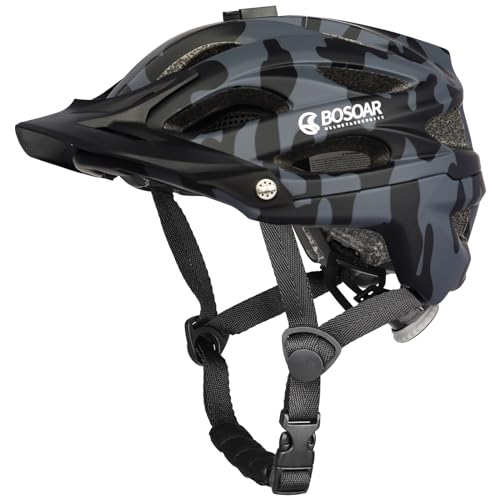
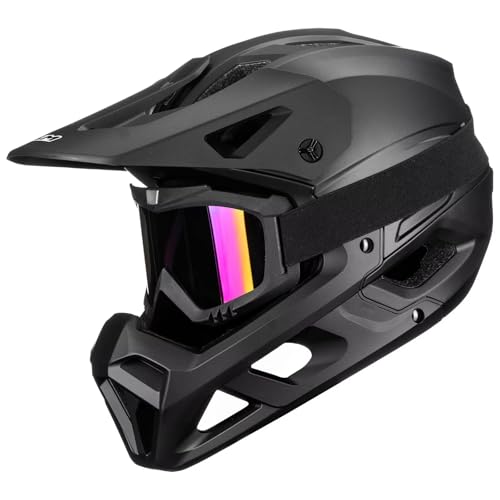
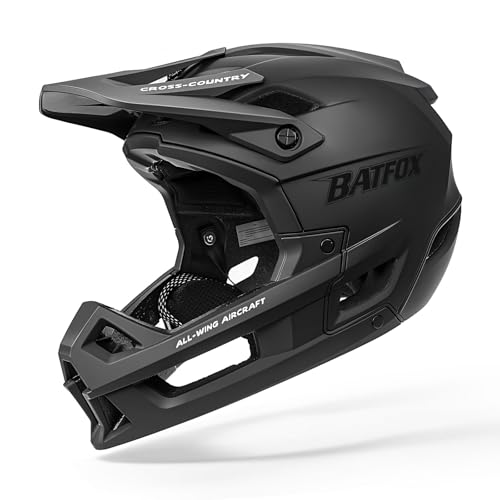
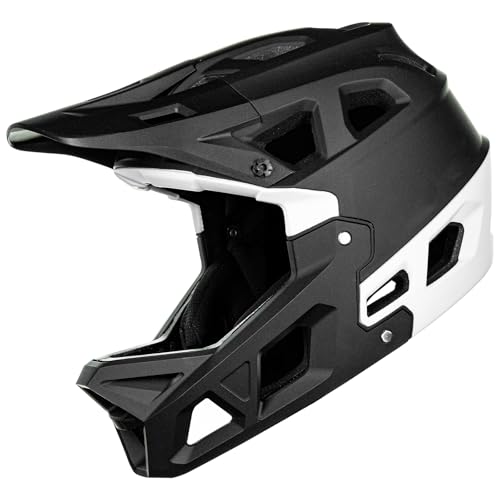

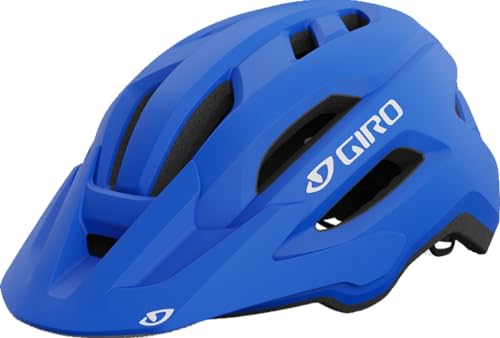
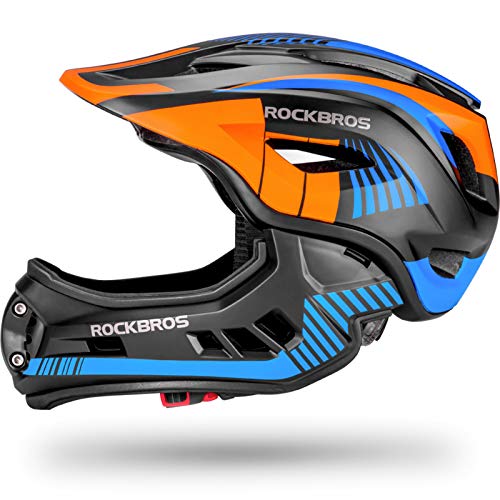
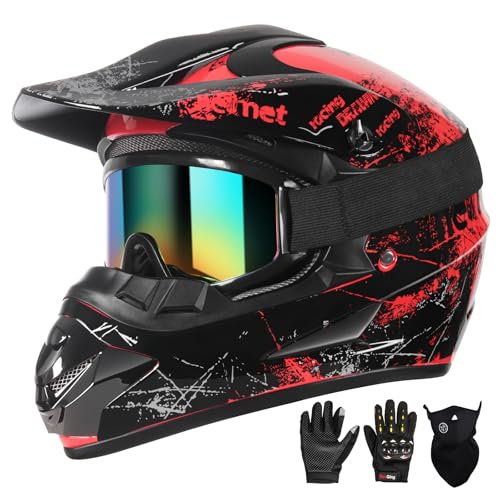
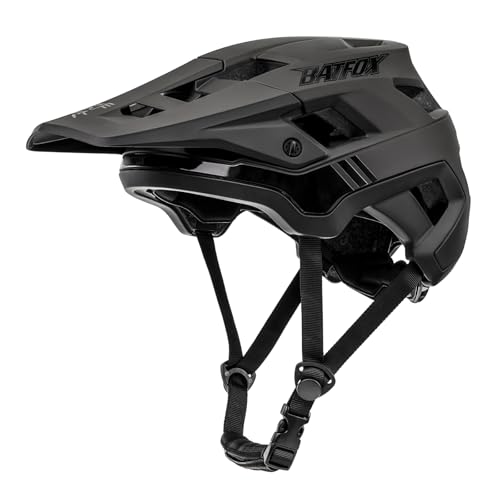
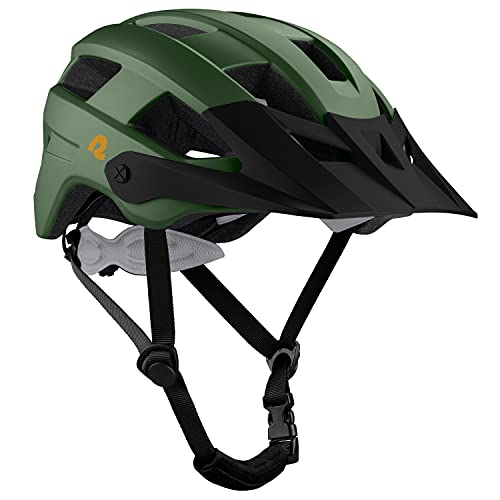
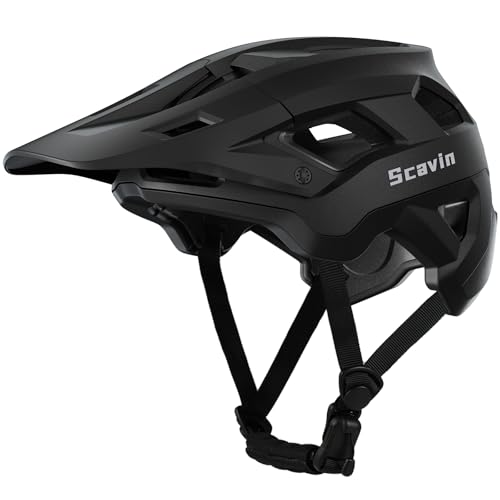
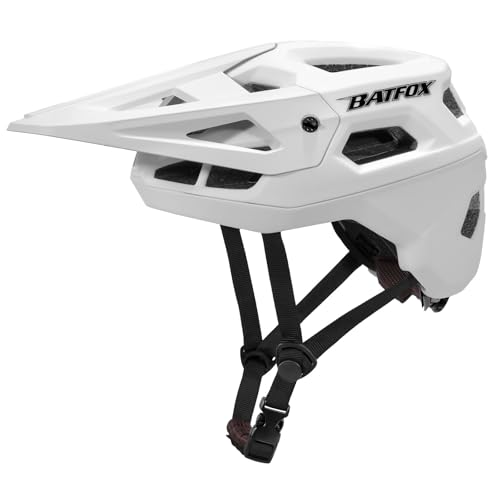
What $50 Actually Buys You in a Mountain Bike Helmet
Every helmet legally sold for cycling in the United States has to pass the same government impact test, regardless of price. That means a $30 helmet and a $150 helmet are both required to absorb energy well enough to protect your skull in a standard fall. Independent testing that compared helmets across a wide price spread found impact performance was nearly identical from the cheapest models to the priciest ones, because the pass/fail bar is fixed by regulation, not by marketing.
What changes as price climbs isn't crash protection so much as comfort and refinement. Higher-end helmets tend to be lighter, better ventilated, and built with nicer retention dials and pads. Under $50, you're getting a helmet built to the same safety floor, just without the polish. That's a fair trade for most casual and intermediate trail riders, as long as you know where to look for genuine safety compliance and where the corner-cutting actually happens. If your riding mixes pavement commuting with trail time, it's worth comparing this against a guide like best road bike helmets under $100 to see what a slightly higher budget adds for a more road-focused ride.
Safety Certification Is Non-Negotiable at Any Price
Before anything else, confirm the helmet carries a CPSC compliance sticker on the inside of the shell. This is a legal requirement for bike helmets sold in the U.S., and it's the one thing that should never be optional, no matter how low the price. Look for the sticker itself, not just a mention of "CPSC certified" in the product listing description, since listing text can be copied or misapplied.
Budget prices unfortunately attract counterfeit and knockoff helmets, especially from unfamiliar third-party sellers on large marketplaces. Warning signs include a helmet that feels unusually light and flimsy for its size, foam padding that seems thin or spongy rather than dense, a shell that flexes easily under light pressure, and the absence of an internal reinforcement skeleton (sometimes called a roll cage) that keeps the shell intact on impact. If a listing shows only European-style markings with no CPSC sticker visible in any photo, or the price seems too good to be true compared to the same model elsewhere, treat it as a red flag.
The safest approach under $50 is buying directly from the brand's own site, an authorized bike shop, or a large retailer that sells the item as new with the manufacturer as the seller of record, rather than an unverified third party.
Where Cheaper Helmets Cut Corners (and Where They Don't)
Since impact protection is regulated and fairly consistent across price points, the differences you'll actually feel on the trail are in the details. Budget helmets are typically a bit heavier, since lighter-weight foam and shell construction cost more to produce. Over a long ride, that extra weight is noticeable, though rarely a dealbreaker for casual trail use.
Ventilation is another area where price shows. A budget helmet might look like it has plenty of vent holes on the outside, but cheaper molding often lets those vents narrow sharply as they pass through the shell, choking off airflow that a similar-looking vent on a pricier helmet would deliver in full. You'll also notice differences in finish quality: the plastic shell, the strap hardware, and especially the rear retention dial tend to feel cheaper and can wear out sooner with heavy use.
None of that changes whether the helmet does its core job. It just means a sub-$50 helmet runs a little warmer and a little heavier than a $150 one, which is a reasonable trade if you ride a few times a week rather than every day.
Does MIPS Matter Under $50?
MIPS is a thin, low-friction liner inside the helmet designed to let the shell rotate slightly against your head during an angled impact, reducing the rotational force that reaches your brain. It's become one of the more talked-about safety features in cycling helmets over the past several years, and it's a genuine, evidence-backed addition rather than a marketing gimmick.
At full retail price, MIPS is usually reserved for mid-range and premium helmets. Under $50, it's inconsistent: you'll occasionally find older-generation or clearance models from major brands that include it, but plenty of solid, properly certified budget helmets simply don't offer it at this price. If you find a certified helmet under $50 with MIPS included, that's a genuine bonus worth prioritizing. If you don't, it's not a reason to panic or assume the helmet is unsafe. A well-fitted, CPSC-certified helmet without MIPS still protects far better than an ill-fitting or uncertified helmet that happens to have it, so don't let a missing feature push you toward a sketchy listing chasing the badge.
Getting a Safe Fit When You Can't Try Before You Buy
A lot of under-$50 helmet shopping happens online, which means you're relying on a size chart rather than a mirror. Measure around your head about an inch above your eyebrows and compare that number against the specific brand's chart rather than guessing your size from a different helmet you own, since sizing varies noticeably between manufacturers.
Once it arrives, the helmet should sit level on your head, roughly two finger-widths above your eyebrows, snug enough that it doesn't shift when you shake your head but not so tight that it pinches. Budget helmets almost always include a rear dial retention system, which is worth adjusting fully before your first ride rather than relying on the pads alone to hold it in place. If a helmet arrives and doesn't feel secure even at its tightest dial setting, size down or return it. No helmet protects you if it slides forward, backward, or off entirely during a fall.
It's also worth budgeting for the reality that any helmet, regardless of price, needs replacing after a real crash impact, even without visible cracks, since the foam liner can be crushed internally in ways you can't see. Riders working with a similar budget on the bike itself, such as one of the options in a best mountain bikes under $1,000 lineup, often find it makes sense to plan for a helmet replacement every few seasons of regular use as part of normal upkeep, the same way you'd budget for tires or a chain. Outfitting the whole family on a budget follows the same logic, and the sizing and fit advice above applies just as much when you're shopping a kids bike helmet for a young rider as it does for an adult helmet.
Frequently Asked Questions
Is a $50 mountain bike helmet actually safe?
Yes, as long as it carries a genuine CPSC compliance sticker. U.S. safety regulations require the same impact standard regardless of price, so a properly certified budget helmet meets the same legal safety bar as an expensive one.
Why do some cheap helmets feel hot on the trail?
Vent shaping is usually the culprit. Budget molding can narrow vent channels inside the shell even when the outer holes look generous, which restricts airflow compared to a similarly vented premium helmet.
Should I avoid a budget helmet without MIPS?
Not necessarily. MIPS is a valuable extra when you find it at this price, but a correctly fitted, properly certified helmet without MIPS is still a safe choice, and fit matters more than any single feature.
How can I tell if a cheap helmet online is counterfeit?
Check for a visible interior CPSC sticker in the product photos, be wary of unusually steep discounts from unfamiliar third-party sellers, and buy directly from the brand or an authorized retailer whenever possible.
How long does a budget helmet actually last?
Plan on replacing any bike helmet after a hard crash impact, and consider a routine replacement every few seasons of regular riding even without a crash, since foam and straps degrade with sun exposure and sweat over time.