Best 16 Inch Mountain Bike: Our 2026 Checklist for Parents
Disclosure: We may earn a commission when you buy through links on this page, at no extra cost to you. As an Amazon Associate I earn from qualifying purchases. Learn more
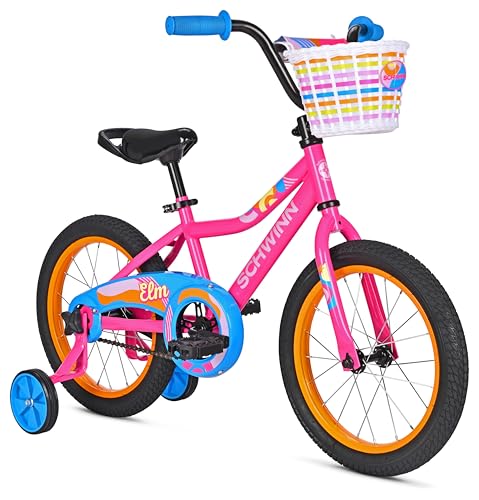
A parent's checklist for the best 16 inch mountain bike: fit, brakes, weight, gearing, tires, and the red flags to avoid.
A 16 inch bike is often the first real mountain bike a child rides on dirt, and it is also the size parents most often buy too big or too heavy. This checklist shows you how to judge the best 16 inch mountain bike options: fit first, then brakes a small hand can actually squeeze, then weight, gearing, and tires. Work through each criterion before you buy, and compare the picks in the product table against the same standards.
One safety note before anything else. Whatever bike you choose, pair it with a properly fitted helmet (our guide to the best mountain bike helmet covers the options), and supervise young riders on trails until their braking and steering are reliable.
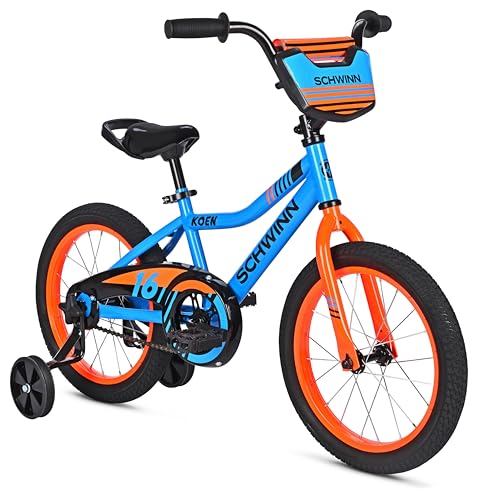
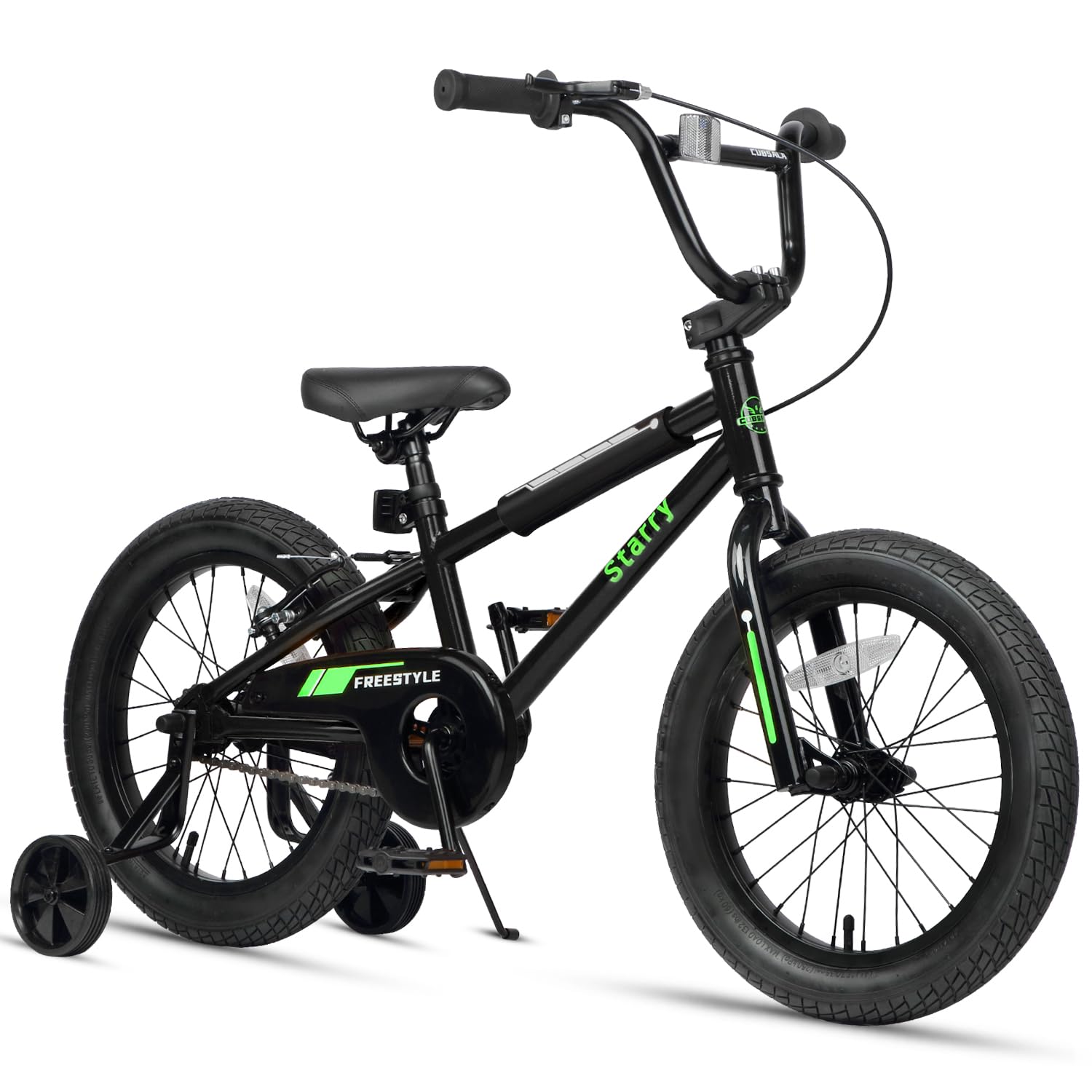

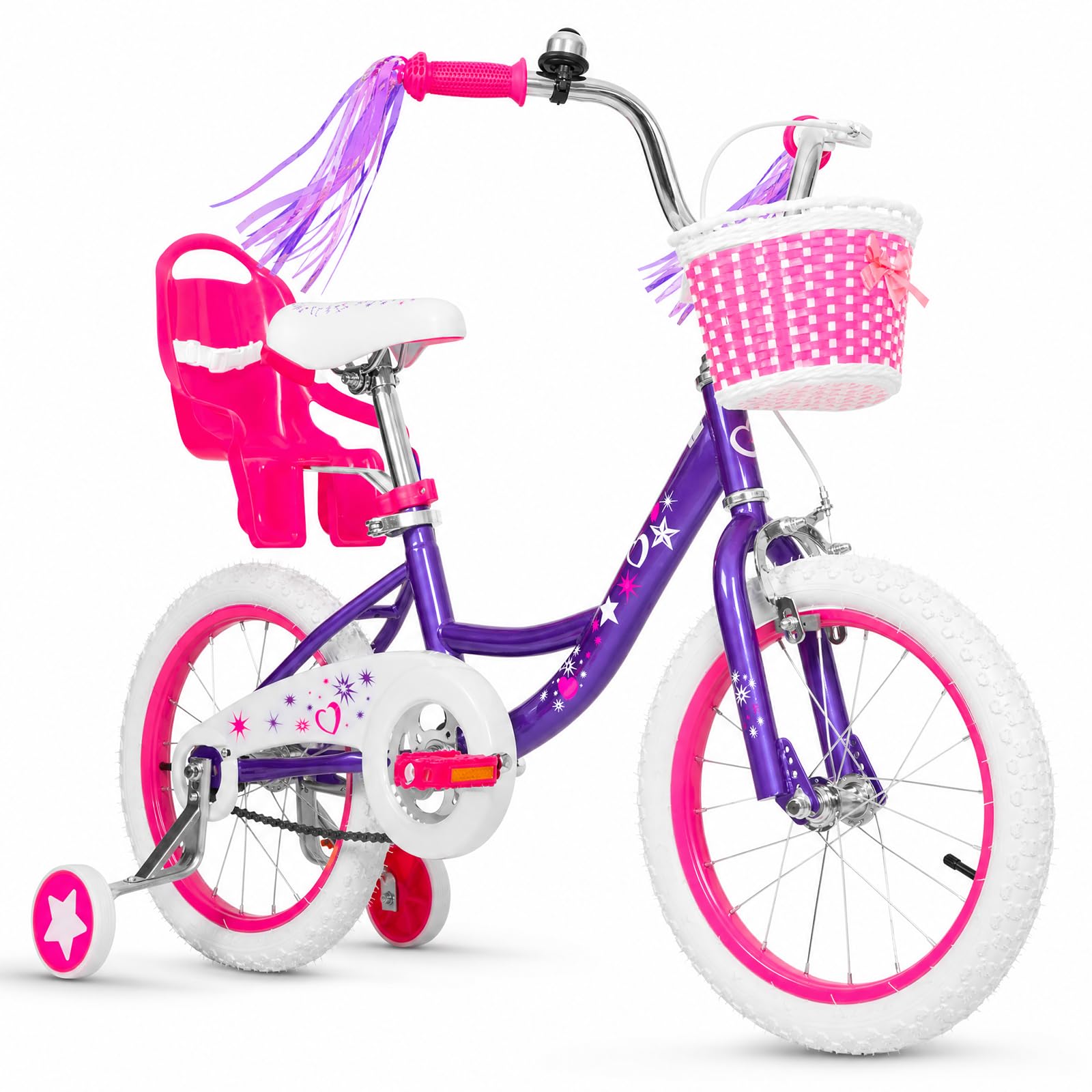
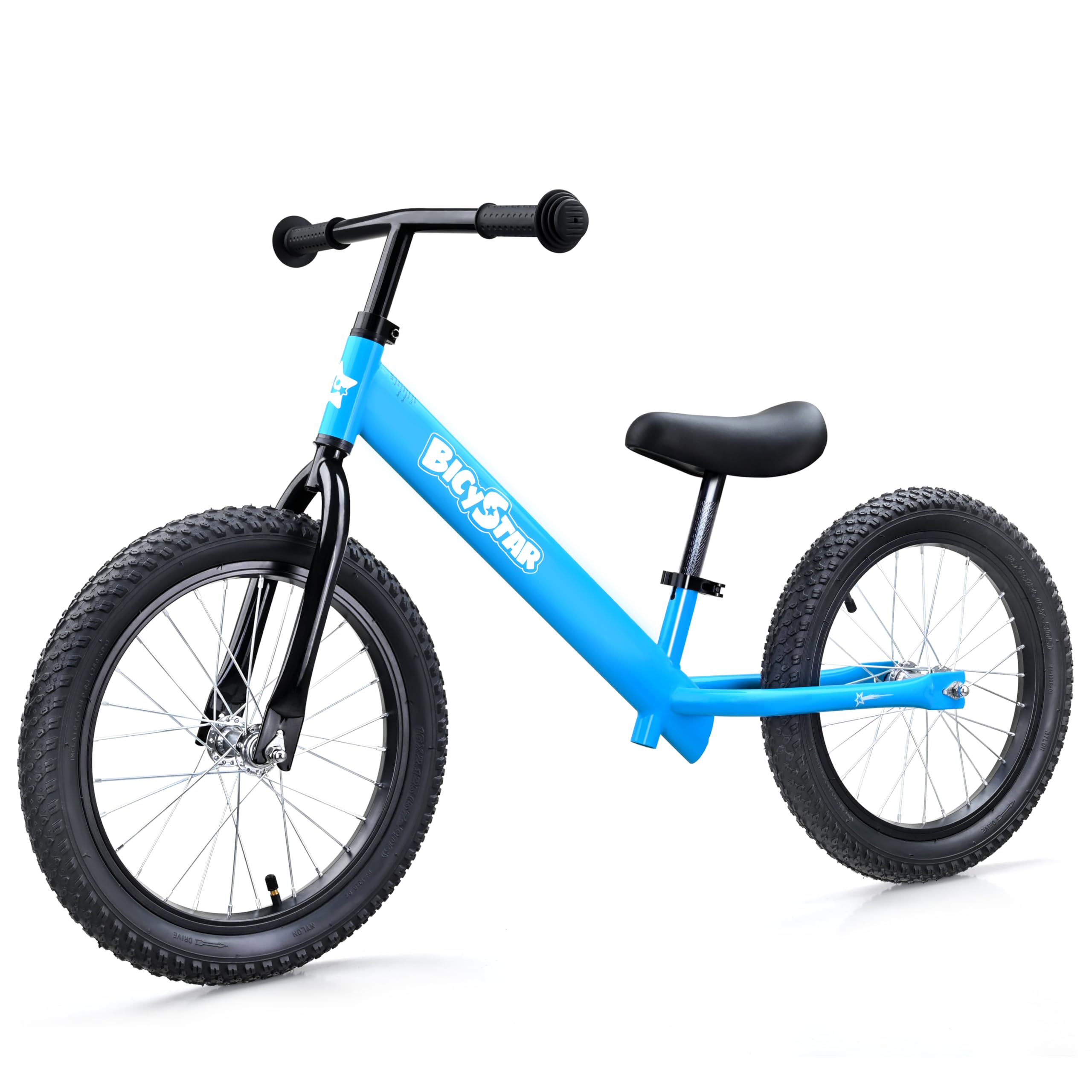
How to Choose the Best 16 Inch Mountain Bike
At this size, the rider is usually about four to six years old, so adult mountain bike rules only partly apply. Suspension, huge gear ranges, and exotic materials matter far less than a bike your child can lift, stop, and control with confidence.
Bike Type and Riding Style
Most 16 inch mountain bikes are simple hardtails, and many skip front suspension entirely, which is fine at this age. A rigid fork keeps weight down and steering predictable on pump tracks, gravel paths, and mellow singletrack. Full suspension at this size usually adds pounds without adding control, because a light child cannot compress the shock properly. Match the bike to where your child will actually ride most weeks: neighborhood paths and easy trails call for simplicity, while a young rider at a bike park needs stronger parts and better brakes.
Brakes (Hydraulic vs Mechanical Disc)
Braking is the safety core of this checklist. Many 16 inch bikes use a coaster brake, where the child pedals backward to stop, sometimes paired with one hand brake. Coaster brakes work on flat ground but can confuse kids learning to position their feet, and they offer no help on descents. A bike with two hand operated rim brakes or mechanical disc brakes teaches real braking skills, provided the levers adjust close enough for small hands. Hydraulic disc brakes are rare at this size and unnecessary at these speeds and weights.
Sizing and Fit
Wheel size alone does not guarantee fit. Your child should stand over the top tube with both feet flat and a little clearance, and reach the brake levers without stretching. Seat height should let them place the balls of their feet on the ground while seated. Most riders on 16 inch wheels are roughly 39 to 47 inches tall, but inseam matters more than overall height. When your child outgrows this size, our guide to the best 20 inch mountain bike explains the next step up.
Drivetrain and Gearing
A single speed drivetrain is the right call for most 16 inch bikes. One gear means no shifters to fumble, a simple chain line, and less to break or adjust. Some models add a small cassette and a single shifter for kids riding real hills, and that can work for experienced young riders. Skip front derailleurs entirely at this size. Check that the chain has a guard or a narrow wide style ring to keep the chain on over bumps and to keep pant legs out of the drivetrain.
Frame Material and Geometry
Aluminum frames dominate this size for good reason: they keep total bike weight low, and weight is what children feel most. A good target is a bike under about 18 lb, and ideally closer to 16 lb, since a heavy bike is hard for a small rider to maneuver. Steel frames are durable but usually too heavy here, and carbon is pointless at this price and rider size. Geometry should be upright and stable, with a low stand over height so mounts and dismounts stay stress free.
Wheel Size and Tires
The 16 inch wheel keeps the bike low and manageable, and it rolls over small roots and cracks better than the 12 inch wheels of balance bike graduates. Tires around 1.75 to 2.1 inches wide with a light knob pattern grip dirt without dragging badly on pavement. Tubeless setups are uncommon at this size and not worth chasing; tubes are cheap, light, and easy to fix at the trailhead. If your child will ride mostly pavement, a smoother tread rolls faster and still handles hard packed dirt paths fine.
Price Tiers That Pass Our Checklist
Models change every season, so judge by tier instead. Each tier below states what your money should buy and where the corners usually get cut.
The Everyday Trail Tier
Bikes around $250 to $400 typically deliver the full checklist: an aluminum frame near or under 17 lb, two hand brakes with reach adjustable levers, a chain guard, and tires that work on both pavement and dirt. This tier suits a child who rides several times a week and will pass the bike down to a sibling later. The limitation is gearing, since most are single speed, so a child riding steep trails may walk the climbs. Resale value in this tier stays strong because quality kids bikes are always in demand used.
The Value Tier
Value bikes around $130 to $250 can be smart buys for a first season, as long as you hold firm on two hand brakes and a sane weight. Expect a heavier frame, simpler grips and saddles, and parts that need more frequent adjustment. Department store bikes below this range often weigh over 22 lb with coaster brakes only, which fails the checklist even at a tempting price. Buy the value tier for a growing child who rides mostly flat paths, and budget a little for a shop tune after the first month.
The Heavy Use Tier
Bikes around $400 to $550 add stronger wheels, sealed bearings, better tires, and sometimes a small gear range with a proper shifter. This tier makes sense for kids in riding programs, families who ride trails every weekend, or a bike that must survive two or three siblings in a row. You also get frames that shops are happier to service, with standard parts instead of oddball sizes. The trade off is simple: a heavy use bike costs more upfront, and a child may outgrow it before wearing it out.
Quick Buyer Checklist
Answer these questions at the store or from the product listing. A strong candidate earns a yes on nearly every line.
- Can your child stand over the frame with both feet flat on the ground?
- Does the bike have two hand brakes with levers a small hand can reach and squeeze?
- Does the bike weigh under about 18 lb?
- Is the frame aluminum rather than heavy steel?
- Does it have a chain guard and a saddle your child finds comfortable?
- Are replacement tires and tubes in this size easy to find locally?
- Does the warranty cover the frame for at least a few years?
Red Flags to Watch For
Walk away from bikes that weigh more than about 22 lb, because a bike that heavy relative to a small child makes steering and stopping genuinely hard. Be wary of toy style suspension forks that add weight and flex without damping anything. Vague listings that never state the bike weight or brake type usually hide a coaster brake and a steel frame. Decorative extras such as fake number plates, noisy accessories, and oversized tires signal a toy, not a trail bike. Finally, check that the seller follows the manufacturer's safety guidance and lists a real warranty, not just a short return window.
Tips to Get the Most From a 16 Inch Mountain Bike
Check tire pressure before every ride, since small tires lose air quickly and a soft tire makes steering vague; most kids tires run happily around 25 to 35 psi. Clean and lube the chain every 100 to 200 miles of riding, or after any muddy ride. Teach your child to brake with both hands evenly, and have a professional tune up done yearly so cables, brake pads, and bearings stay ahead of wear.
Frequently Asked Questions
Hardtail or full suspension for beginners?
Choose a hardtail, and at 16 inches that usually means a fully rigid bike. Young riders are light, so suspension parts designed for heavier riders barely move, yet still add cost, weight, and maintenance. A rigid bike also teaches clean line choice and balance. Save suspension for larger sizes, like the models in our guide to the best 24 inch mountain bike, once your rider is heavier and riding rougher trails.
Does a 16 inch mountain bike need gears?
Not usually. A single speed bike is easier to learn on and has less to adjust. Gears only start to matter when a child regularly rides steep hills, and even then one shifter with a small cassette is plenty.
What size bike do I need?
Start with inseam, not age. Measure your child standing in riding shoes, then pick a bike whose minimum seat height sits a little below that inseam so they can touch the ground securely. A 16 inch bike usually fits inseams around 16 to 20 inches. When the seat is at its maximum height and knees stay bent sharply, it is time to size up rather than forcing another season.
How much should I spend on my first bike?
For most families, about $200 to $400 buys a safe, light bike that a child will love riding and a sibling can inherit. Spending less often means a heavy steel bike that gathers dust, while spending more mainly buys durability and small refinements. Remember to budget for a helmet, a floor pump, and a spare tube as well, since those are not optional extras.
Are training wheels a good idea on a 16 inch bike?
They can help a child who is just learning to pedal, but they do not teach balance. Many families remove them early or start on a balance bike. For general kids bike options, see our guide to the best kids bikes, and move up to the best 26 inch mountain bike category only when your rider is much taller.
Our Verdict
Fit, brakes, and weight decide whether a child loves or dreads trail riding, so judge every candidate on those three first. Use the product table to compare the best 16 inch mountain bike options that clear those bars, then pick the tier that matches how often your family rides. A light bike your child can stop confidently will get ridden constantly, and that is the whole point.