Best 24 Inch Mountain Bike Under 200: A Clear Buying Guide for 2026
Disclosure: We may earn a commission when you buy through links on this page, at no extra cost to you. As an Amazon Associate I earn from qualifying purchases. Learn more

A plain-English guide to the best 24 inch mountain bike under 200: sizing, specs, what the budget buys and mistakes to avoid.
Buying a first trail bike on a tight budget raises fair questions. What does the wheel size mean, which parts matter, and where does a low price start to hurt safety or fun? If you are hunting for the best 24 inch mountain bike under 200 dollars for a young rider or a smaller teen, this guide starts with the basics and ends with a clear shopping plan.
We will translate the jargon into plain English, set honest expectations for the price, and flag the mistakes that waste money. The product table shows the current options in this budget in one place, and every section that follows helps you read it with confidence.


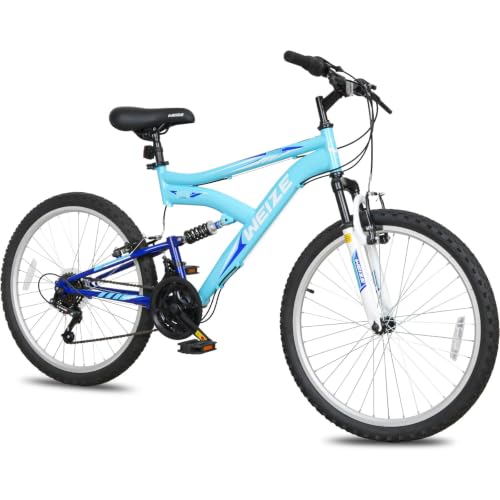
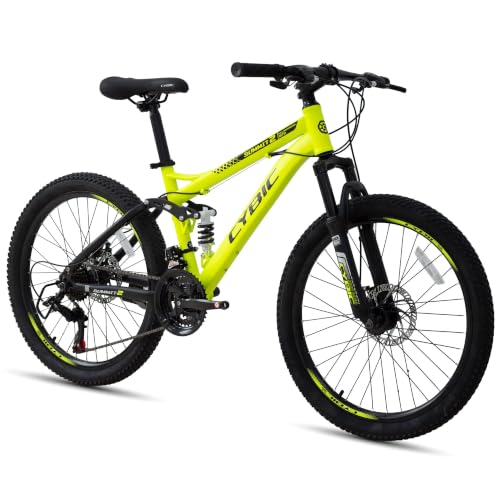

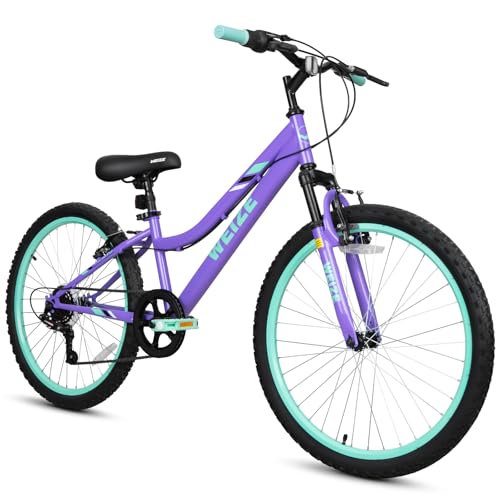
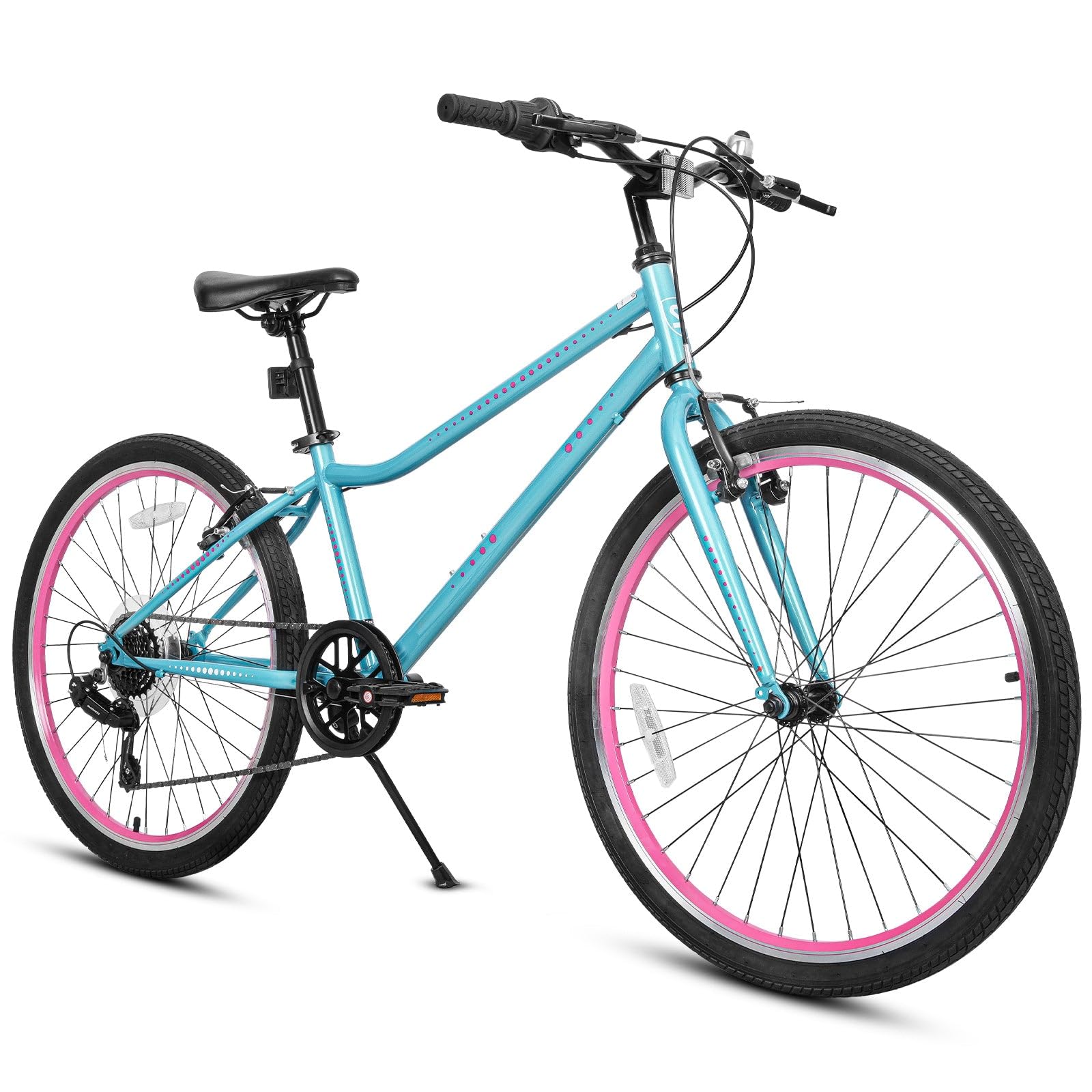
24 Inch Mountain Bikes 101: The Basics
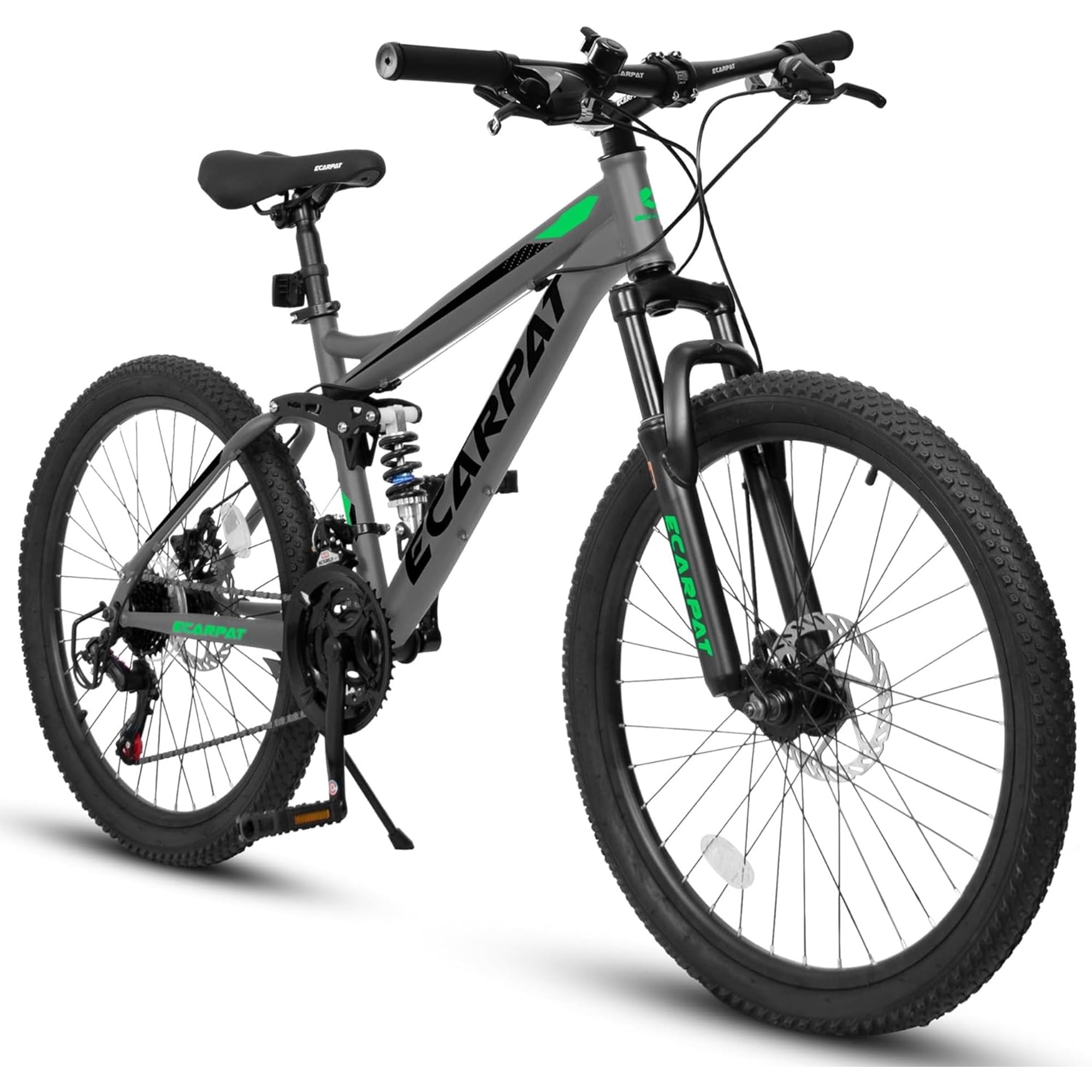
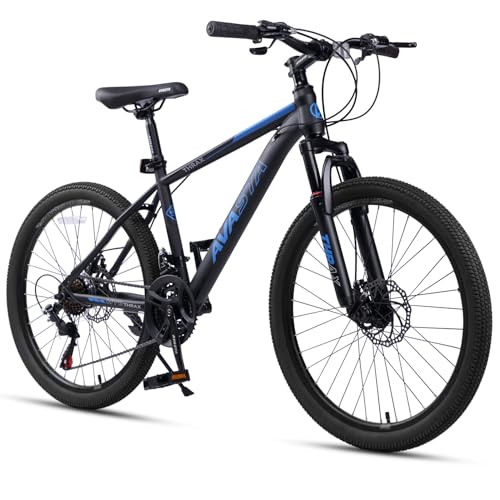
The 24 inch figure describes the wheel diameter. Bikes this size usually fit riders about 53 to 62 inches tall, often in the eight to twelve age range, though inseam is a better guide than age. A mountain bike adds wide knobby tires, a sturdy frame, low gears for hills, and brakes built for dirt and wet paths, which separates it from a simple street bike.
Most models at this size are hardtails, meaning a suspension fork in front and no suspension at the back. The rider stands over the frame to judge fit, shifts gears with a twist shifter or trigger, and stops with rim brakes or disc brakes. Think of the bike as a bridge size: bigger and more capable than a kids bike, yet lighter and easier to handle than a full adult model.
Key Specs Explained in Plain English
What You Can Realistically Get Under $200
At under $200, expect a steel or basic aluminum frame, a simple suspension fork or a rigid fork, six to eight gears, and rim brakes or entry level mechanical disc brakes. What gets cut is weight, smooth shifting under strain, and fork quality. Do not compromise on brake function, frame welds, or correct fit to save a few dollars, because those decide safety. Assembly from a box is normal at this price, so budget time or a shop fee of about $50 to $80 for a proper build and safety check.
Bike Type and Riding Style
Most bikes in this budget are built for light trails, park paths, and school commutes, and they do that job well. If your rider wants jumps, steep rocky descents, or long rough trail days, this price band will feel limiting and a higher budget or a good used bike serves better. For a sense of how the same budget stretches at other sizes, compare our guides to the best 20 inch mountain bike under 200 for younger riders and the best 26 inch mountain bike under 200 for taller ones.
Drivetrain and Gearing
The drivetrain is the chain, gears, and shifters that move the bike. A single chainring up front with seven or eight rear gears, called a 1x setup in shop talk, is simplest for new riders because there is one shifter and no confusing overlap. Older style 3x setups offer more gears on paper but confuse beginners. What matters is a low enough easiest gear for hills, so look for a large rear cog of 34 teeth or more.
Electric Mountain Bikes at This Price
True electric mountain bikes do not exist at this price in any form worth buying, and that is fine. Listings that promise a motor, a battery, and a full bike for under $200 are cutting corners on the parts that keep a rider safe, especially brakes and battery quality. If electric help is essential, save longer or look at the wider market, and use our guide to the best 24 inch mountain bike range as a starting point for sizing.
Suspension: Hardtail vs Full Suspension, and Travel
Travel is how far a fork can compress, and budget forks offer about 50 to 80 mm with basic spring internals. They take the edge off bumps but add weight and can feel bouncy. Full suspension under $200 uses heavy, poorly controlled parts that rob pedaling energy, so a hardtail or even a rigid fork is the smarter buy here. Good tires run at sensible pressure give a young rider more comfort than a poor fork does.
Weight and Components Upgrade Path
Weight is the hidden spec at this price. Many budget bikes weigh 30 lb or more, which is a lot for a rider who weighs 70 lb. A lighter bike climbs easier, stops shorter, and gets ridden more. Sensible first upgrades later include tires suited to your trails, brake pads, and a more comfortable saddle. If the rider loves the sport, the honest upgrade path is a better complete bike, and our look at the best 24 inch mountain bike under 300 shows what the next step buys.
Rookie Mistakes to Avoid
- Buying a size to grow into. A too large bike scares new riders and delays skills, so fit today wins.
- Choosing by suspension looks. A shiny dual suspension label on a heavy budget bike usually means worse brakes and gears.
- Skipping the brake check. Squeeze both levers hard before the first ride; pads should bite without the lever reaching the grip.
- Forgetting the extras budget. A helmet, lock, pump, and spare tube add about $40 to $70 and are not optional.
- Ignoring assembly quality. Loose stems and reversed forks are common in user reviews of boxed bikes, so follow the manual or pay a shop.
Getting Started: Setup and First Use
Begin with fit. Set saddle height so the rider's knee keeps a slight bend at the bottom of the pedal stroke, and confirm both feet can reach the ground with confidence at a stop. Check tire pressure before every ride; the sidewall range is your guide, and softer within that range grips dirt better.
Clean and lube the chain every 100 to 200 miles so shifting stays light. Plan the first rides on flat, quiet ground, practice braking with both hands, and add hills only when stopping feels automatic. Always fit a helmet, and follow the manufacturer's instructions for assembly and maintenance.
FAQs
Can you get a good 24 inch mountain bike under $200?
Yes, if good means safe, correctly sized, and fun on paths and light trails. You give up low weight, refined shifting, and strong fork performance at this price, and assembly care matters more than ever. A well chosen budget bike that fits today will teach more skills than an expensive bike that is too big. Check brakes and bolts after the first few rides as parts settle.
What size bike do I need?
Use height and inseam together. Most riders about 53 to 62 inches tall with an inseam of roughly 24 to 28 inches fit a 24 inch wheel bike. The rider should clear the top tube standing flat footed and reach the brake levers without strain. If the rider is near the top of the range and confident, also try the next size up, since growth can be fast at this age.
Hardtail or full suspension for beginners?
Choose a hardtail at this budget, every time. Budget full suspension adds weight, bounce, and care needs while taking money away from brakes and gears. A hardtail teaches balance and line choice, and its fork handles the bumps that beginner trails offer. Save the full suspension question for a later bike with a budget that can support decent parts, like the adult sizes covered in our guide to the best 29 inch mountain bike under 200 for older teens.
How much should I spend on my first bike?
Spend enough for safe brakes, honest gears, and the right size, which this under $200 band can deliver for light use. Add the cost of a helmet and basic tools to your real total. If the bike will be ridden daily on real trails, stretching toward $300 usually buys a lighter frame and better brakes that repay the difference. Resale on a cared for youth bike also softens the cost.
Can I buy an electric bike for under $200?
Not a sound one. Electric bikes start well above this budget, and very cheap listings that promise a motor and battery usually cut corners on brakes and battery quality. A standard pedal bike like the ones in this guide is welcome anywhere regular bikes are allowed, and it is the smarter use of a $200 budget.
Final Thoughts
Fit first, brakes second, weight third: that order will steer you right in this budget. Set honest expectations, assemble with care, and spend a little of the savings on a helmet and a pump. Do that, and the best 24 inch mountain bike under 200 for your rider is easy to find in the product table above.