Best 24 Inch Gas Ranges in 2026: Compact Buying Guide
Disclosure: We may earn a commission when you buy through links on this page, at no extra cost to you. As an Amazon Associate I earn from qualifying purchases. Learn more

Compare the best 24 inch gas range styles by burners, oven room, fuel type and installation needs for apartments and small homes.
Your old range gives out on a Tuesday, the cabinet opening measures just under 24 inches, and every standard model you find is too wide for the gap. Finding the best 24 inch gas range for that opening is less about chasing the longest feature list and more about honest fit, household size, and daily ease.
This guide helps you choose by space, by the number of people at your table, and by budget, with the three styles below laying the main options side by side. If measuring shows your opening is wider than you thought, our guide to the best gas range covers full size models instead.


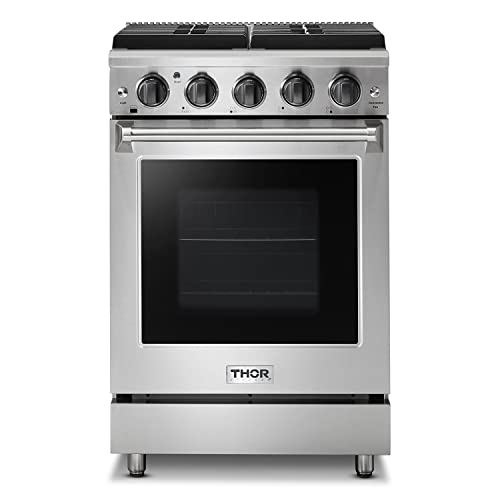
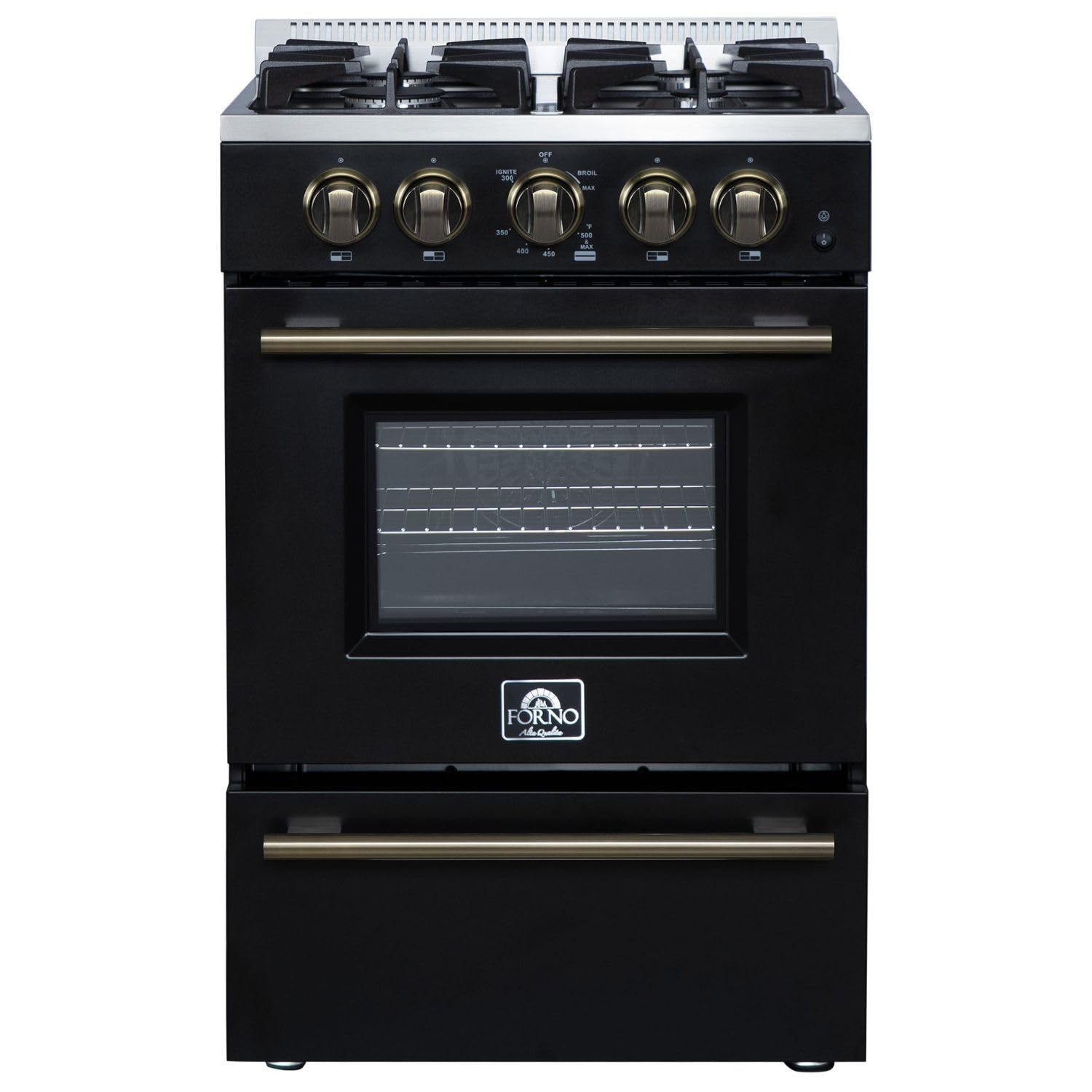

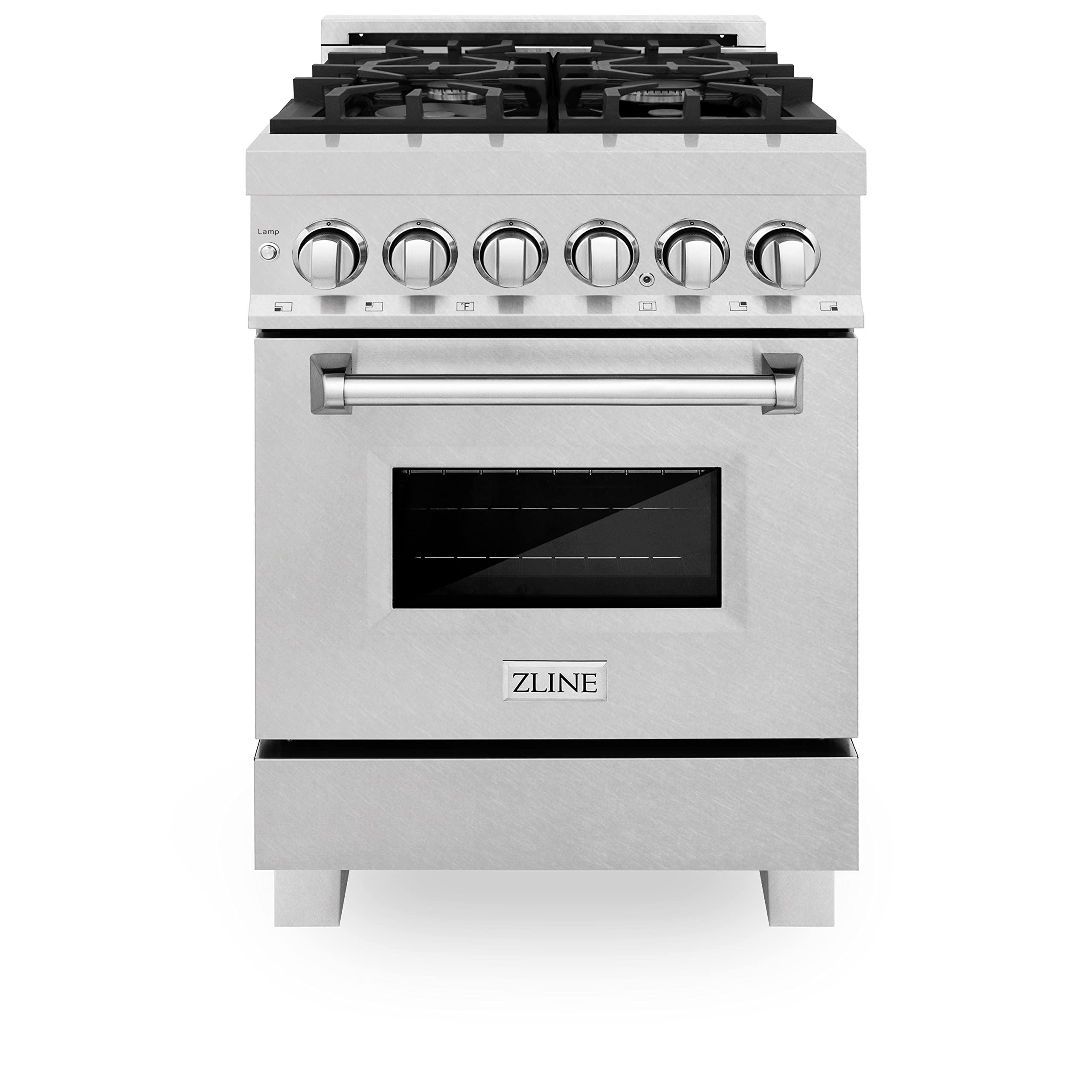
Quick Answer: What Matters Most in a 24 Inch Model
The slim width trades oven room and burner spacing for a fit that standard ranges cannot offer, so daily details matter more than extra modes. Look for sealed burners that wipe clean, a low flame that holds a gentle simmer, an oven that fits your regular pans, and controls you can read at a glance.
Before You Buy: A Quick Checklist for Choosing a Gas Range
Work through these points in order. Size and fit come first, since no feature can rescue a range that will not slide into place or connect to the gas line you already have.
Size: Match It to Your Space
Ranges come in widths of 20, 24, 30, 36, and 48 inches, and each step up buys oven room at the cost of cabinet space. A 20 inch model suits a tiny studio but shrinks the oven a great deal, while 30 inches is the common standard and 36 or 48 inches usually means a remodel. The 24 inch size keeps four burners and a usable oven in the gap that apartments, older homes, and rental units often have. Measure your opening at its narrowest point, because older cabinets are rarely square.
Which Type Fits Your Routine
Most 24 inch models are freestanding, with finished sides and controls on a rear panel, so they can sit at the end of a counter run or between cabinets. Slide in models put the controls at the front and give a built in look, but they need counters that meet the sides neatly and cost more at this width. Pro style versions add heavier grates and larger knobs, yet the cooking inside is much the same. Dual fuel designs are rare and pricey in this size.
Features Worth Paying For, and Ones to Skip
Sealed burners are worth the money because spills stay on the cooktop surface instead of falling inside the range, and a convection fan earns its keep if you bake or roast often. Continuous grates help when you slide heavy pots between burners, and an oven light saves opening the door to check food. Air fry modes mostly duplicate a countertop appliance, smart controls add little at this size, and a griddle plate crowds a narrow cooktop, so those are safe to skip.
Measurements and Compatibility With Your Setup
Beyond width, check depth so the door and handle clear your walkway, and confirm the oven door can open fully without striking an island or a fridge door. Note where your gas line and shutoff valve sit, since a stub out in the wrong spot can block the range from sitting flush to the wall. The ignition needs a standard household outlet nearby, so locate yours before ordering. Propane homes should also confirm the model can be converted.
Certifications and Safety Marks
Look for a safety listing from a recognized lab, shown as a UL or ETL mark on the rating plate, which means the design was checked against national standards for gas cooking appliances. Every range also ships with an anti tip bracket. Fit it during installation, because a child leaning on an open oven door can pull an unsecured range forward.
Installation: Doing It Yourself Versus Hiring a Pro
Gas work is where this purchase differs from swapping a microwave. Many towns require a licensed installer and a permit for a new gas connection, and insurers may care about that paperwork if anything goes wrong. Before you decide, read our breakdown of gas range installation cost to see what the labor and parts involve. Our walkthrough of how to install a gas range shows the full sequence, including the leak check no installation should skip. If you smell gas, leave the house and call your utility from outside.
Realistic Budget Ranges
Spending under $800 usually buys a basic freestanding model with a broiler drawer, standard burners, and simple controls, which is plenty for many small households. A budget of about $800 to $1,400 adds sealed burners, a convection fan, and a nicer finish, where most buyers find their balance. Paying over $1,400 should bring heavier grates, a larger oven, and a longer warranty. Installation and haul away sit on top of the sticker price, so hold some budget back.
Types Compared: Three Styles of 24 Inch Gas Range
At this size the market falls into three clear styles. Comparing styles, rather than chasing individual models, shows you which group deserves your money.
Basic Freestanding Models for Everyday Cooking
The entry style keeps things simple: four burners, a modest oven, and often a broiler in a drawer below. Controls sit on a rear panel, away from small hands, and finishes are usually white or black enamel with widely stocked parts. Choose this style if you cook straightforward meals and would rather keep the budget for other parts of the kitchen.
Convection Models for People Who Bake Often
A fan inside the oven moves hot air around the food, which evens out the hot spots that small oven cavities are prone to. Cookies brown more evenly from rack to rack, and a roast cooks with fewer turns of the pan. This style suits households that bake weekly. The fan adds a part that can need service one day, and the cavity may lose a little depth to house it, so check your roasting pan fit.
Upgraded Models With Heavier Build and Finish
The top style spends money on the frame and surfaces rather than on extra modes: thicker grates that stay put under heavy pots, a stainless steel finish, and smoother oven racks. Burner range usually widens too, with a stronger high flame for boiling and a steadier low flame for sauces. This style fits a small home you plan to stay in for years, where the range cooks daily and should still feel solid after a decade.
How Options Were Screened for This Guide
This guide weighs published specifications from makers, the measurements in their manuals, and patterns that repeat across verified buyer reviews for this size class. The screening criteria were fit and installation needs, build quality and finish, the usefulness of each feature in daily cooking, safety certification, and warranty length. Prices move often, so confirm the final numbers on the product page before you order.
Is a 24 Inch Gas Range the Right Size for You?
For one to three people in an apartment, a small house, a guest suite, or a cabin, the answer is usually yes. You keep four burners and a real oven, and you gain counter room that a 30 inch model would swallow.
The limits show up when two large pots need the cooktop at once, since wide pans crowd each other, and when holiday cooking asks the oven to hold a large bird plus sides. If you regularly cook for five or more, compare the best 30 inch gas range options, and if you host big gatherings often, the best 36 inch gas range class gives the breathing room this size cannot.
Common Mistakes to Avoid
- Measuring only the width of the opening, then finding the oven door cannot open past a kitchen island.
- Assuming the gas line and outlet sit where the new range needs them, which can leave the range sitting proud of the wall.
- Buying before checking your largest roasting pan against the oven interior, so the pan you use monthly does not fit.
- Paying for extra cooking modes before checking the burner layout, then finding two big pans still cannot share the cooktop.
- Skipping the anti tip bracket and leveling feet, which leaves the range able to rock or tip under a heavy door load.
Cost of Ownership and Care
Running costs stay modest, since a gas range burns fuel only while you cook and draws a trickle of power for the ignition and clock. The predictable expenses are small parts over the years: burner caps, grates, knobs, and an igniter are all replaceable. A service visit will cost more than the part itself, which is why warranty length matters when you compare similar models.
Daily care is simple. Wipe the cooktop once it cools, and lift the grates off for a wash when spills build up. Keep the model and serial numbers from the rating plate in your phone, because every parts order starts with them. Register the warranty when the range arrives.
Your Questions, Answered
How do you clean a 24 inch gas range without damaging the finish?
Wait until the grates and burner caps are fully cool, then soak them in warm water with dish soap while you wipe the cooktop. Use a soft cloth or a nylon pad on enamel and stainless steel, since steel wool and scouring powders can dull both finishes. Dry every burner part completely before it goes back on, because a damp cap can make the flame burn unevenly.
Is a 24 inch gas range worth it compared with an electric range?
For many small kitchens, yes, because the burners respond the moment you turn the knob, and running costs depend on local gas and electricity rates, which vary by region. The trade offs are the gas line requirement and the need for ventilation. If your building has no gas supply, our comparison of gas vs induction range cooking explains how the two fuels differ in daily use, cost, and pan compatibility.
How long does a 24 inch gas range usually last?
A gas range often serves for around 15 years, and the simple design at this size has few electronics to fail early. End of life signs include an oven that drifts far from the set temperature, an igniter that needs replacing again and again, or burner valves that stick. Any smell of gas, yellow lazy flames, or soot on pan bottoms calls for a prompt service visit rather than being lived with.
What size gas range does a household of four need?
Four people can cook happily on 24 inches when meals center on one main dish, because the constraint is pan width rather than headcount. The pinch comes when a stockpot, a skillet, and a saucepan all need heat at once, or when two oven dishes must share one rack. Count how often your dinners need three burners plus the oven together. If that happens most nights, size up; if monthly, the smaller range will rarely bother you.
Can a 24 inch gas range run on propane?
Many models can, using a conversion kit that changes the burner orifices and adjusts the pressure regulator for propane. The kit is small and inexpensive, but the work involves the gas system, so most makers require a qualified technician to fit it and test every burner afterward.
Does a 24 inch gas range need a vent hood?
Gas burners produce moisture, heat, and combustion byproducts, so venting matters even in a small kitchen. A hood that vents outdoors clears far more than a recirculating model, which mainly traps grease and returns air to the room. If a full hood will not fit, opening a nearby window while you cook still helps.
Final Thoughts
Start with the tape measure, then match the style to your routine and the price to your budget, and the right choice usually becomes obvious. The product table above pulls the leading options together so you can compare fit, features, and cost in one place. For small homes that cook daily, the best 24 inch gas range is the one that fits your opening, fits your pans, and still feels solid years from now.