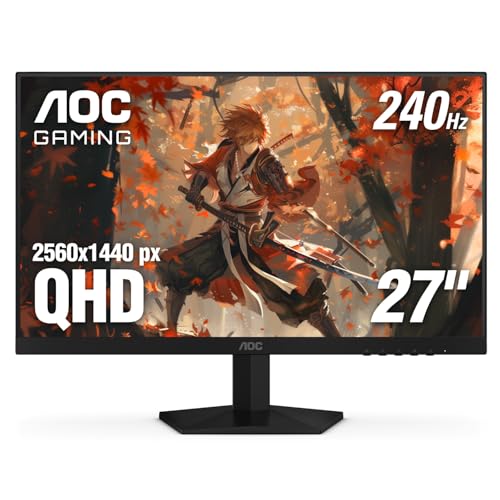
Best 23 Inch Monitors for 2026: Matching the Right Model to Your Routine
Disclosure: We may earn a commission when you buy through links on this page, at no extra cost to you. As an Amazon Associate I earn from qualifying purchases. Learn more
Pick the best 23 inch monitors for study, office work or gaming by comparing resolution, panel type, refresh rate, ports and stand fit.
No single screen suits every desk. The best 23 inch monitors share a compact footprint, but they differ in sharpness, motion handling, color and stand design. This guide matches those differences to real routines, so you can spot the right fit fast.
Start with how you spend most hours at the screen. Long reading rewards clear text and a stand that sets the panel at a comfortable height. Fast games reward quick motion handling, while photo work rewards accurate color. Price matters, but only after those basics fit your day.
Who Should Buy Which 23 Inch Monitors?
A 23 inch screen sits between a laptop display and a large desk monitor. Choose by your main task first, and let extras follow.
Students and Everyday Users on a Tight Budget
You need clear text for reading, a stable picture for classes and video, and a price that leaves room for other gear. A basic 1080p IPS model covers those needs well, and budget displays at this size often cost about $80 to $140. Look for a matte finish that cuts glare in bright dorm rooms. Skip high refresh rates and HDR labels, because neither changes homework or streaming in a way you will notice.
Gamers Who Play Fast Titles on a Compact Desk
You need motion that keeps pace with quick turns and sudden action. Prioritize a refresh rate of 144Hz or higher, a response time near 1 to 5 milliseconds, and adaptive sync that matches the screen to your graphics card. A 1080p panel helps mid range cards hold high frame rates. For deeper coverage of competitive play, see our guide to the best gaming monitors.
Remote Workers and Creators at a Home Desk
You sit with documents, calls and creative tools open for hours, so comfort and color carry the day. Choose an IPS panel with accurate color, a height adjustable stand, and a USB C input if your laptop supports video over that port. That single cable can carry the picture and reduce desk clutter. Built in speakers are fine for calls, though separate speakers sound fuller for music.
Dual Monitor Setups and Small Desks
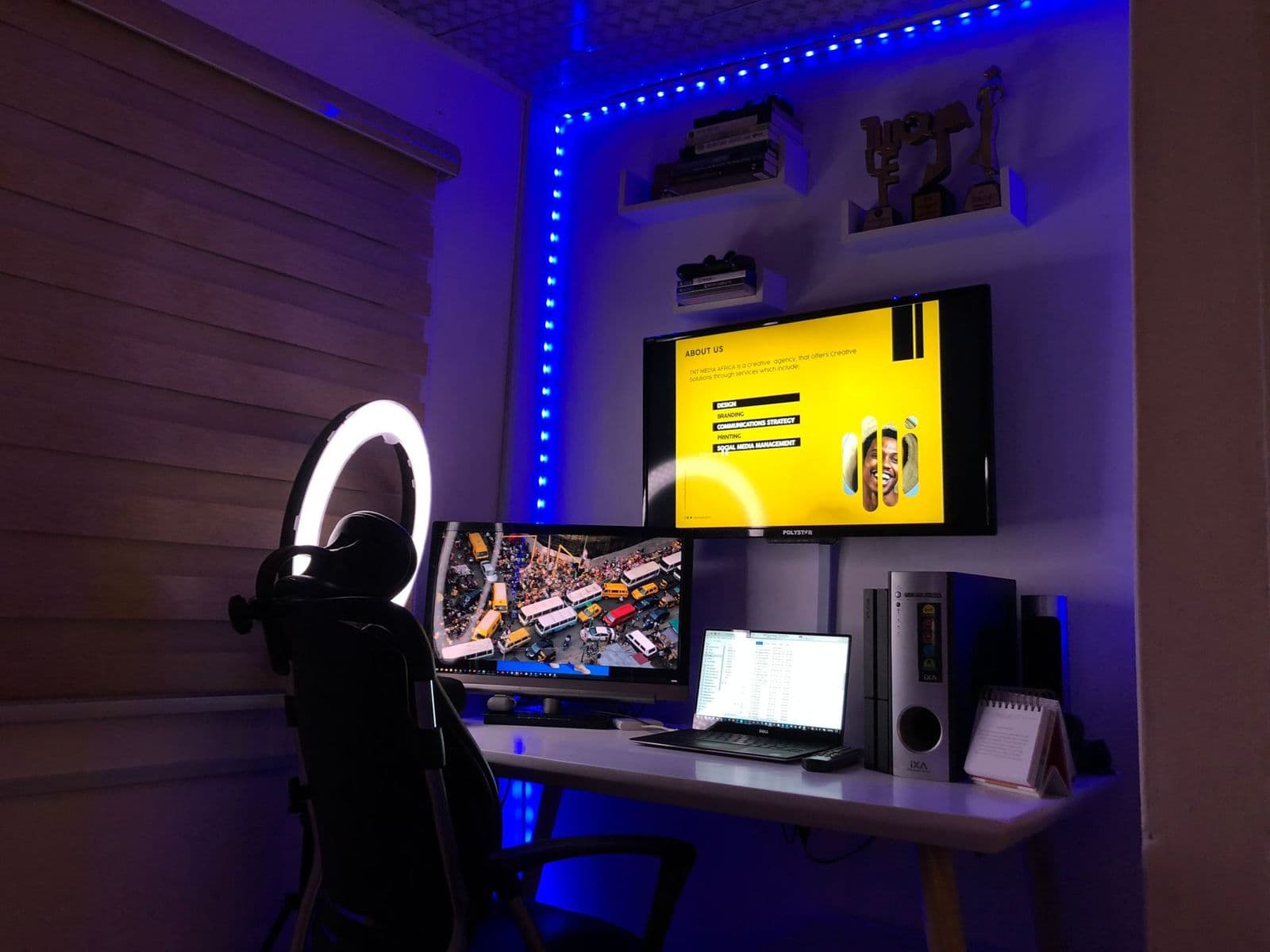
You want more room than one laptop screen gives, without a panel that crowds a shallow desk. Two 23 inch monitors sit side by side in about 42 to 44 inches of width, and thin bezels keep the gap small. Match both screens in size and resolution so text stays the same height as you move windows across. A VESA mount arm frees the desk surface under each screen.
Key Features to Compare
Work through these five factors in order. Together they explain most price gaps at this size.
Resolution and Pixel Density at 23 Inches
Most models at this size use 1920 by 1080 resolution, often called 1080p or Full HD. On a 23 inch panel that gives about 96 pixels per inch, so text looks clean at a normal desk distance. A 1440p panel looks sharper still, but such models are rare here and cost more. A 4K panel packs detail so tightly that most readers gain little, while apps may need scaling to keep text large enough.
Panel Technology: IPS, VA, TN and OLED
IPS panels hold color and brightness well from the side, which suits shared viewing and dual setups. VA panels give deeper contrast, so dark scenes look richer, but their color shifts more at wide angles and their motion can smear in fast games. TN panels respond quickly yet show the weakest color, so they suit only strict budget esports builds. OLED offers superb contrast, but it is scarce and costly here.
How Refresh Rate and Response Time Feel at 23 Inches
Refresh rate, measured in hertz, tells how often the picture updates each second. A 60Hz or 75Hz screen feels fine for office work and video, while 144Hz makes scrolling and game motion look smoother. Response time tells how fast pixels change color, and lower numbers reduce blur behind moving objects. Adaptive sync keeps the update rate matched to your game, which cuts tearing. HDMI 2.1 adds little here, because 1080p at 144Hz fits older HDMI limits.
Brightness, Contrast and HDR
Brightness is listed in nits, and about 250 to 300 nits suits most indoor desks. Choose closer to 350 nits if the screen faces a bright window. Contrast shapes how dark and light areas separate, and VA panels lead IPS panels on this point. Many budget models accept an HDR signal but lack the brightness to show it well, so treat HDR as a minor bonus here.
Ports, Stands and VESA Mounts on Compact 23 Inch Screens
Check the ports against your computer before you buy. HDMI suits almost every laptop and console, DisplayPort gives the most reliable path to high refresh rates on a desktop, and older machines may still need VGA. Two inputs help if a laptop and a console share the screen. Tilt alone is common on budget stands. Height adjustment, pivot and a 100 by 100 millimeter VESA pattern give you far more control over posture.
Is 23 Inches the Right Size for Your Desk?
A 23 inch measurement runs corner to corner, and the full monitor body is usually about 21 to 22 inches wide and 13 to 15 inches tall on its stand. Measure your desk width first, then check depth. A depth of about 24 inches or more lets you set the screen roughly 20 to 30 inches from your eyes, where 1080p text stays sharp.
That compact body is exactly why the best 23 inch monitors remain popular in dorms, small home offices and dual setups, even as larger screens get cheaper. If your desk is wide and deep, stepping up brings more room for split windows. Readers weighing that move can see our guide to the best 27 inch monitors and our guide to the best 32 inch monitors. Truly large screen options, covered in our guide to the best 49 inch monitors, demand far more desk depth.
Shoppers in this same size class can also see our guide to the best 23 inch computer monitors, which focuses on desktop pairing and port layouts. Keep your shortlist in one size class until the desk math works, because a screen that forces your keyboard to the desk edge will annoy you daily.
Common Mistakes to Avoid When Buying 23 Inch Monitors
- Choosing on price alone can leave you with a dim panel and a stand that only tilts.
- Ignoring port types can force you into adapters when your laptop lacks the input the monitor expects.
- Paying for 4K at this size can shrink on screen text while adding cost you barely see.
- Skipping the VESA pattern check can block the monitor arm you planned to use.
- Overlooking warranty length can turn a dead pixel dispute into an out of pocket replacement.
Setup and Care Tips
Set the top of the screen at or just below eye level, and tilt the panel slightly upward so you look straight at the center. In the picture menu, choose the standard or sRGB mode rather than a vivid mode, because vivid settings push color past accurate levels. Set brightness so white areas match the light in your room.
Clean the screen only with a dry or lightly damp microfiber cloth, and never spray liquid straight onto the panel. Keep drinks behind the stand so a spill cannot reach the lower vents. Every few months, check that cables sit fully in their ports. On an OLED model, run its built in pixel refresh when prompted.
23 Inch Monitors: Your Questions Answered
How long do 23 inch monitors usually last?
A 23 inch monitor usually lasts about five to eight years of daily use. The backlight slowly dims over that span, so an older screen may look less bright even though it still works. Keeping brightness near the middle of its range slows that fade. Dust free vents also help, since heat shortens the life of internal parts.
What desk depth suits a 23 inch monitor best?
A desk depth of about 24 to 30 inches suits a 23 inch monitor best. That depth leaves room for the stand base, a keyboard and a natural viewing distance in one line. On a shallower desk, a VESA arm pulls the screen closer to the wall and returns several inches to your work surface. Measure from the wall if a shelf sits behind the screen.
Does refresh rate matter for non gamers on a 23 inch monitor?
Yes, refresh rate can matter for non gamers, but the gain is modest. Scrolling through long documents and moving windows look smoother at 100Hz or 144Hz than at 60Hz. It does not make text sharper or color better. If your budget is tight, spend on panel quality and stand height first, then add refresh rate only if money remains.
Is 4K worth it on a 23 inch monitor?
4K is rarely worth it on a 23 inch monitor. At this size most eyes cannot separate 4K detail from 1440p detail at a normal desk distance. Your system must also scale text up, or menus become tiny. Photo editors who inspect images at full size are the main exception. For everyone else, the same money buys a better stand or a second screen.
IPS vs OLED: Which is better for a 23 inch monitor?
IPS is the better buy for most 23 inch monitor shoppers. OLED wins on contrast and black depth, but models at this size are few, costly and carry a small risk of burn in from static toolbars. IPS gives accurate color and far lower prices, with no burn in concern during long document work. Choose OLED only if dark room film viewing is your main use.
Our Verdict
Match the panel to your main task, confirm the ports fit your computer, and check that the stand or a VESA arm can place the screen at eye level. Those three checks matter more than HDR badges at this size. Students can save with a basic IPS model, gamers should fund refresh rate first, and remote workers gain most from height adjustment and USB C.
Use the checklist above to confirm size, ports and price against your shortlist. When you compare best 23 inch monitors this way, the right screen usually stands out.