Best 21 Inch Snow Blower in 2026: Buying Guide and Top Picks
Disclosure: We may earn a commission when you buy through links on this page, at no extra cost to you. As an Amazon Associate I earn from qualifying purchases. Learn more

What to look for in the best 21 inch snow blower: the main types, key features, realistic price ranges and mistakes to avoid before you order.
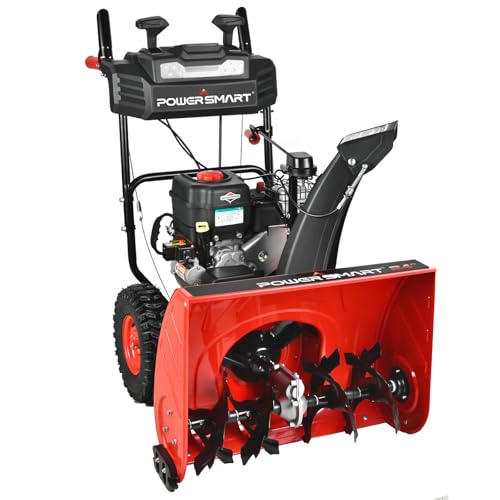
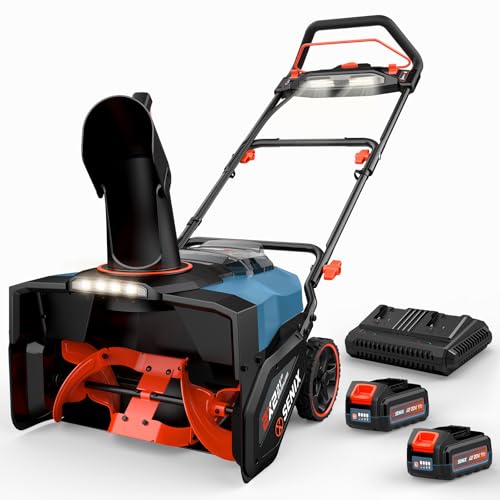
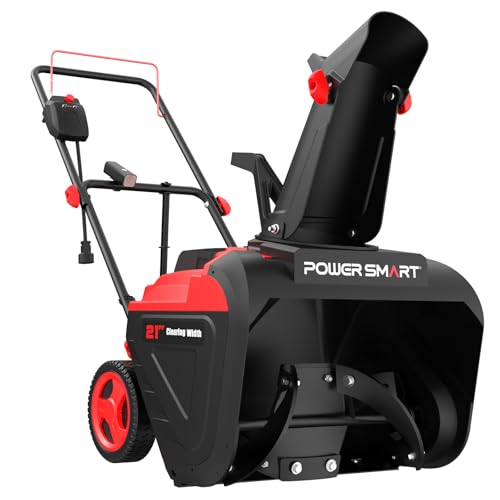
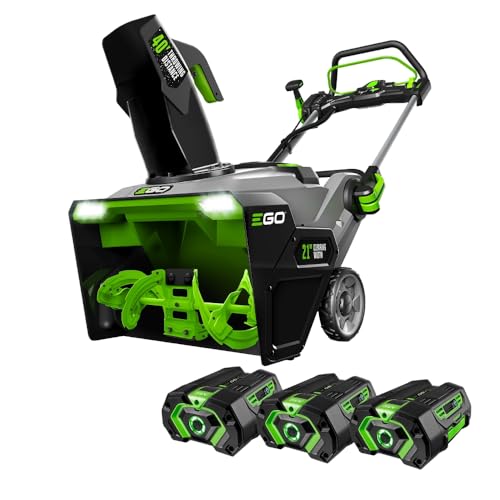
A 21 inch clearing width sits in the middle of the residential range, wide enough to clear a two car driveway in a reasonable number of passes and narrow enough to store in a crowded garage. Choosing the best 21 inch snow blower for your home comes down to power source, build materials, and how much snow your area usually gets. The product table below the intro lets you compare current models, and the sections that follow explain how to compare them fairly.
If you are still weighing this width against smaller and larger machines, our guide to the best snow blower options for every driveway size gives useful context first. Most 21 inch models are single stage machines built for paved surfaces, and that one fact shapes almost every other choice in this guide.


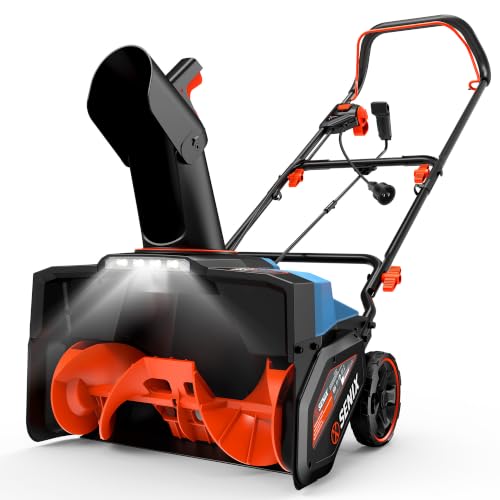
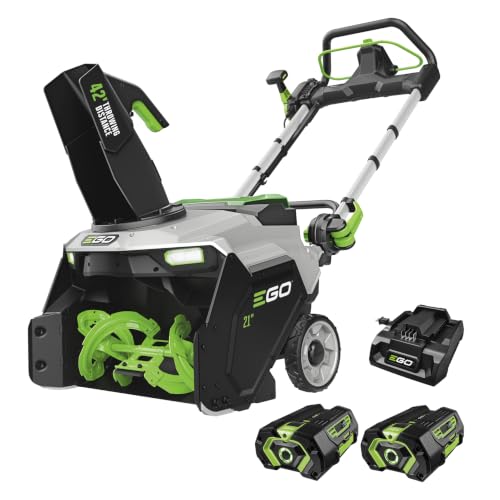
Types of 21 Inch Snow Blowers Compared
Nearly every 21 inch model falls into one of three groups, and the group matters more than any single feature. Here is how each type clears snow and where it fits best.
Single Stage Gas Models
A gas single stage blower uses rubber paddles on a fast spinning auger, and the paddles touch the pavement as they turn. That contact scrapes the surface almost clean and also pulls the machine forward, so you guide it more than push it. These models handle fresh snow up to about 8 to 10 inches deep and throw it a useful distance through a chute you aim by hand or with a lever. You do take on fuel mixing or oil changes, spark plug care, and pull starting on cold mornings.
Cordless Battery Models
Battery models drive the same paddle style auger with an electric motor, so they start with a button and run far more quietly than gas. Clearing power is strong in fresh snow, though heavy wet snow drains a pack faster. Run time depends on battery size, and many owners keep a second pack charging so one can swap in mid job. If you already own tools on the same battery platform, our roundup of the best battery snow blower models shows how the main platforms compare.
Corded Electric Models
A corded model is the lightest and simplest option at this width, with no fuel, no oil, and no battery to charge. It runs as long as you need, which suits small driveways where the whole job sits within reach of an outdoor outlet. The cord is the trade off, since you manage its path on every pass and keep it clear of the auger. For a fuller look at plug in options, see our guide to the best electric snow blower picks for small spaces.
How to Compare 21 Inch Snow Blowers
Weigh five things when you compare models at this size. Build materials and weather resistance decide how the housing, chute, and paddles hold up to ice, road salt, and years of storage. Size and capacity cover clearing width, intake height, and rated throwing distance. Assembly should be simple enough to finish in one short session. Durability shows up in paddle and scraper bar quality, since those parts wear first. Finally, warranty length and local parts access tell you how costly a breakdown will be in year four or five.
How to Choose the Right Snow Blower
Size and Form Factor
Residential widths run from about 18 inches up to 30 inches, and stage count rises with width. Single stage machines dominate the 18 to 22 inch range, two stage models take over from about 24 inches, and three stage designs sit at the top for very deep snow. A 21 inch blower pairs a mid pack width with a compact frame that turns easily at the end of a driveway. If your storms regularly bury the 21 inch class, our single stage vs two stage snow blower comparison explains where the bigger design earns its size.
Type and Power Source
Gas gives you unlimited run time and strong power in wet snow, at the cost of fuel storage, oil changes, and a louder engine. Battery power removes fuel chores and starts instantly, but your clearing time is capped by the packs you own. Corded electric is the lowest effort to own and the cheapest to run, yet it ties you to an outlet and a heavy duty outdoor cord rated for cold weather. Match the power source to how long your longest clearing job takes, not your average one.
Features Worth Paying For
Electric start on a gas model is worth the small premium if cold morning pull starts frustrate you. A chute control you can work with one gloved hand saves real time, because you redirect snow constantly along a driveway. Headlights matter only if you often clear before dawn or after dark. Heated handles and power steering are rare at this width and belong mostly to larger two stage machines, so skip paying for them here. A folding handle, by contrast, costs little and shrinks storage space a lot.
Weather Resistant Materials
The chute takes constant hits from ice chunks, so a steel chute or a thick polymer one both outlast thin plastic that cracks in deep cold. Look for a powder coated steel housing or a sturdy polymer body that shrugs off road salt without rusting. Rubber paddles should feel thick and flexible rather than stiff, since brittle paddles chip on frozen edges. Control cables and chute joints that are sealed or simple to rinse will also survive salty slush better over several winters.
Size for Your Space
Measure the narrowest gate, side door, or shed opening the blower must pass through, since a 21 inch clearing width still means a body a bit wider than that. Check the storage corner too, including whether the handle folds flat against a wall. Weight matters if you lift the machine onto a deck or into a truck bed, and corded models are far easier to carry than gas ones. Finally, think about turning room at the top of your driveway, where a compact frame beats a wide one.
Assembly and Setup
Most 21 inch blowers arrive mostly assembled, and setup usually means attaching or unfolding the handle, fitting the chute, and checking the controls. Expect about 15 to 30 minutes with basic hand tools. Gas models also need oil added before the first start, and the oil is not always in the crankcase from the factory, so check the dipstick before pulling the cord. Battery models need a full first charge, which can take a few hours, so unbox the machine before the first storm is forecast.
Care and Off Season Storage
Brush snow and slush off the auger housing after each use so melt water does not refreeze around the paddles overnight. Store the blower indoors or under a cover, off bare concrete if you can, so the scraper bar stays dry. For gas models, the end of season steps matter most, and our guide on how to winterize a snow blower walks through fuel and oil care in order. Battery packs store best indoors at a partial charge, away from freezing temperatures.
How Much Should You Spend?
Under about $300 you mostly find corded models and basic battery kits, fine for small paved driveways and light snow regions. From about $300 to $500, gas single stage models and stronger battery kits with a second pack become common, and this is the sweet spot for most homes. From about $500 to $1000 you pay for bigger batteries, steel chutes, and better controls rather than more width. Spending above that usually means you should be shopping wider two stage machines instead.
Common Mistakes to Avoid
- Buying a single stage blower for a gravel driveway, where the paddles scoop up stones and throw them with the snow.
- Ignoring intake height and then facing a storm that drops more snow than the housing can swallow in one pass.
- Choosing a battery model without checking whether your other yard tools share the same pack, which raises your total cost.
- Storing a gas blower with old untreated fuel, which gums up the carburetor and causes hard starting next winter.
- Pointing the chute toward windows, parked cars, or a neighbor walkway instead of planning your throwing direction first.
Is a 21 Inch Snow Blower the Right Size for You?
This size fits paved driveways up to about two cars wide, plus the walkways and sidewalks that come with a typical suburban lot. It suits regions where most storms drop 2 to 8 inches at a time and only a few each winter go deeper. If your driveway is long, gravel surfaced, or regularly blocked by a tall pile left by the street plow, step up to the wider machines in our guide to the best two stage snow blower models. If you only clear a small patio and a short path, a narrower electric shovel style tool may be all you need.
FAQ
What is the best 21 inch snow blower?
There is no single winner, because the right pick depends on your power source preference and your snow type. Gas suits long jobs and wet snow, battery suits quiet neighborhoods and easy storage, and corded suits small driveways near an outlet. One extra check helps: compare rated throwing distance with care, since brands measure it in ideal conditions and real slush often flies about half as far.
What size snow blower do I need?
Count the passes your driveway needs. A driveway about 16 feet wide takes roughly 10 passes with a 21 inch blower once you overlap each pass slightly to avoid leaving ridges. If that count feels fine for your biggest storms, the size works. If your driveway is much wider or far longer than two car lengths, a wider machine cuts the pass count enough to justify its size and cost.
How long does a snow blower last?
A cared for residential blower often lasts about 10 to 15 years. The parts that wear out first are the rubber paddles and the scraper bar, and replacing them every few seasons restores clearing performance for little money. Engines and motors usually outlast these wear parts by a wide margin, so a blower that starts leaving a layer of snow behind often needs paddles, not a full replacement.
Is a snow blower worth it?
For most homes with a real driveway, yes. Shoveling a two car driveway after a moderate storm can take an hour or more, while a 21 inch blower often finishes in about 20 to 30 minutes with far less strain on your back. Spread the purchase price across a decade of winters and the cost per season is small next to hiring a plow service even a few times each year.
How do you clean a snow blower?
Clean it after every use, not just at the end of the season. With the machine off and the spark plug wire or battery removed, use the clearing tool clipped to the housing or a wooden stick to push packed snow out of the chute and auger area. Never reach into the auger with your hands, even when the engine is off. A quick wipe of the housing keeps salt from sitting on the finish for weeks.
What is the most reliable snow blower brand?
Reliability at this size depends less on the badge and more on support near you. Brands with local dealers or easy parts ordering get you back to clearing faster when a paddle or belt fails mid winter. Simple designs with fewer electronic extras also tend to age well. Before you buy, check how long the warranty runs, whether wear parts are sold separately, and whether a shop within a short drive services that brand.
Final Thoughts
Start with your driveway surface and your typical storm depth, then pick the power source that fits your storage and your patience for upkeep. The product table above pulls the leading options together so you can compare width, intake height, and materials side by side. For most paved two car driveways in moderate snow country, the best 21 inch snow blower is the one whose paddles, chute, and fuel or battery setup you will happily maintain for the next ten winters.