Best 20 Inch Wheel Mountain Bike of 2026: Complete Buying Guide
Disclosure: We may earn a commission when you buy through links on this page, at no extra cost to you. As an Amazon Associate I earn from qualifying purchases. Learn more
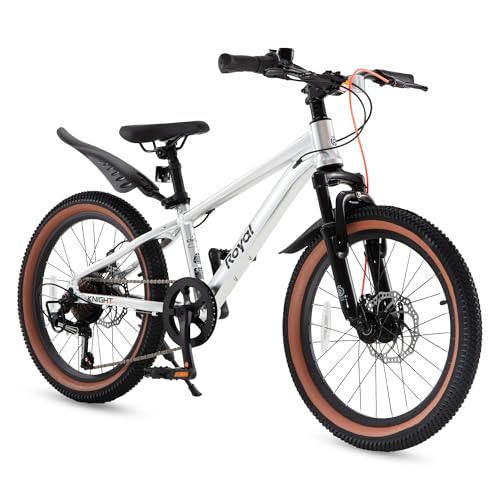
Parents shopping for the best 20 inch wheel mountain bike will find sizing, brake, suspension, and frame tips to pick a bike that fits a young rider.
Twenty inch wheels are the classic size for kids who have outgrown a first pedal bike and want to ride dirt paths and trails. Picking the best 20 inch wheel mountain bike means checking fit, brakes, weight, and gearing, because small details matter a lot at this size.
This guide walks you through fit, frame choices, brake types, and gearing in plain terms. The product table lists the main picks side by side so you can compare without opening a dozen tabs.

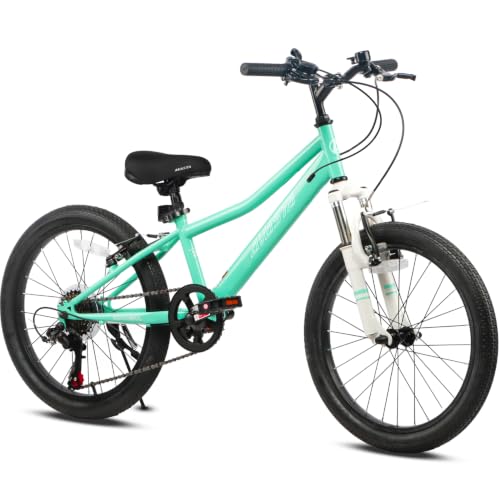
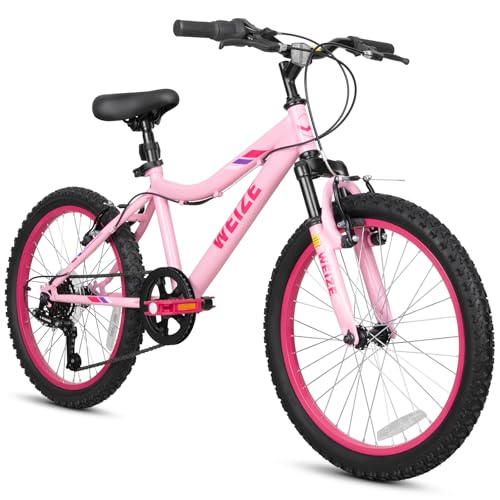

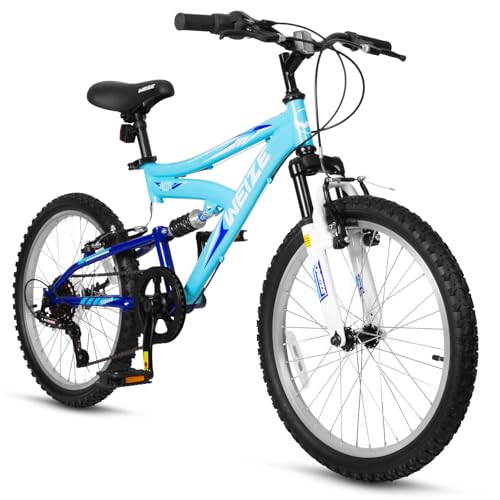
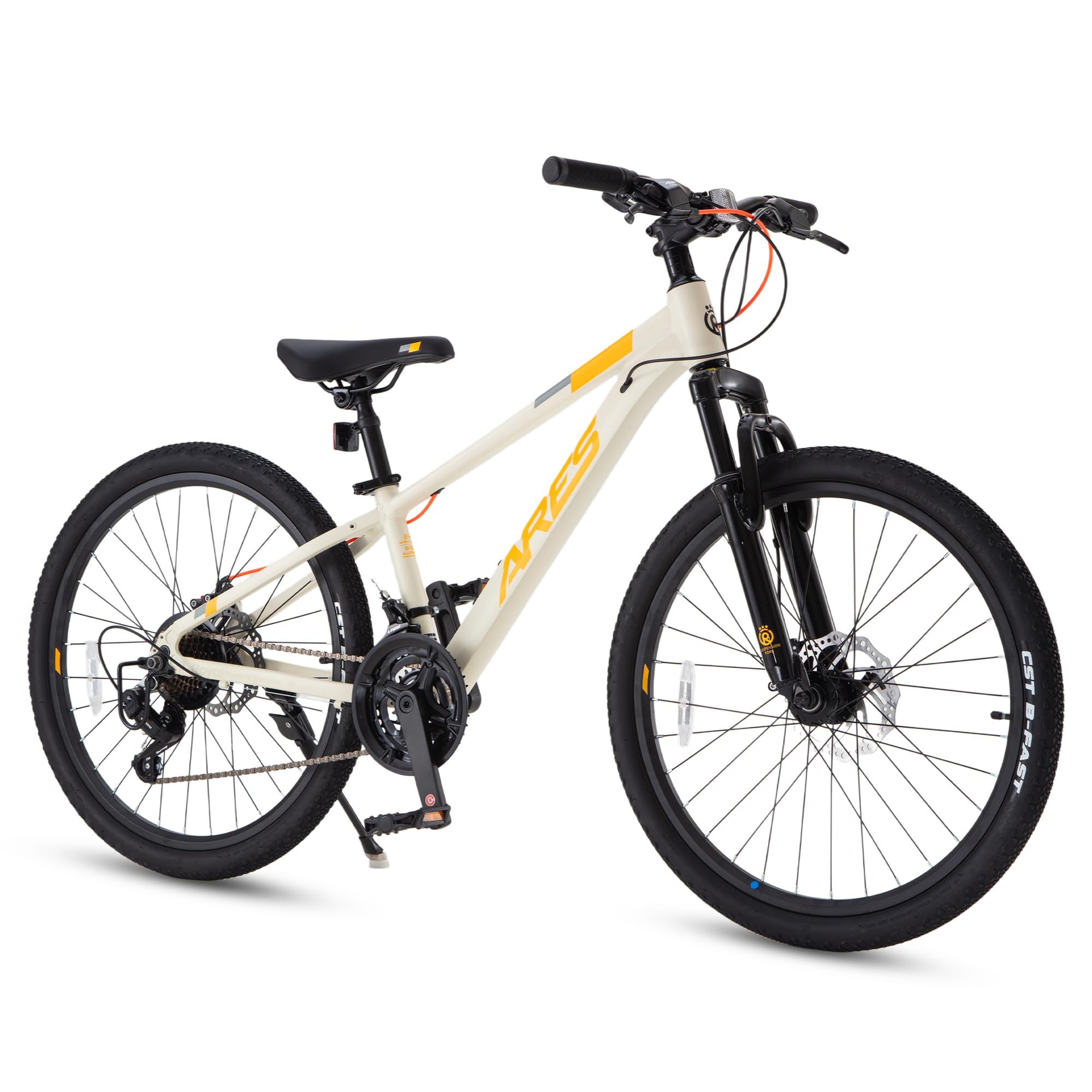


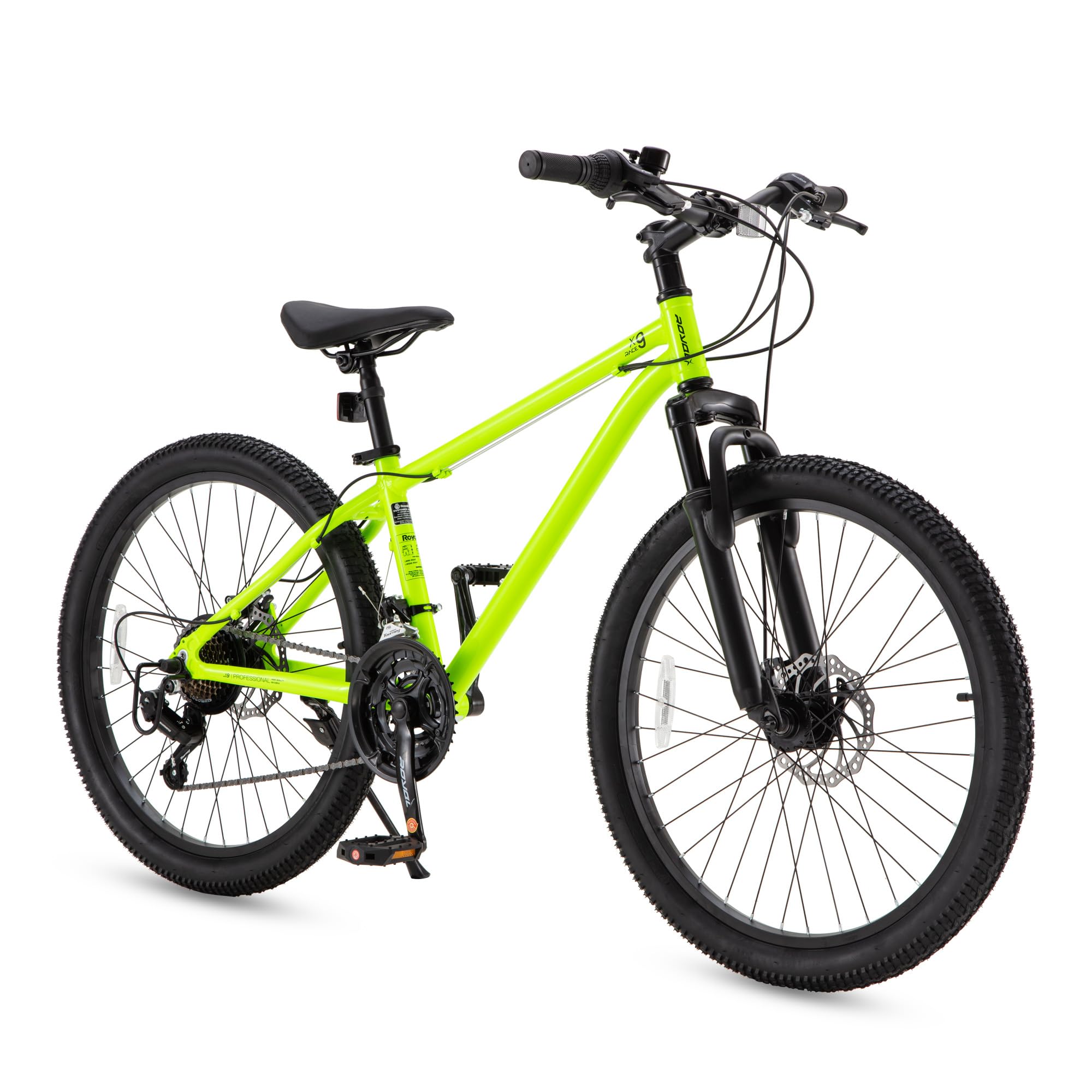
Three Price Tiers to Match Your Rider
Rather than crown one winner, shop by tier. Each tier below describes what a price range normally delivers, who it suits, and where the limits show up on the trail.
The Mid-Range Tier
Look for an aluminum frame, a simple and reliable drivetrain with a wide gear range, and disc brakes or strong rim brakes matched to the rider weight. Weight matters more here than in any other bike category, because a heavy bike discourages a young rider fast. Expect to pay about $300 to $500 for a well sorted kids trail bike in this tier, with sealed bearings and tires that grip dirt rather than only pavement.
The Budget Tier
Budget models, often around $120 to $300, use steel or basic aluminum frames, rim brakes or entry level mechanical disc brakes, and a simple six or seven speed drivetrain. They suit neighborhood paths, school rides, and light dirt. The main trade off is weight and shifting quality under load. For a rider who will outgrow the bike in two seasons, this tier often makes the most financial sense.
The Premium Tier
Premium youth models, about $500 to $900, add hydraulic disc brakes, lighter wheels, air forks, and sometimes tubeless ready rims. These bikes climb better, stop with one finger, and survive hand me down use by a second child. Choose this tier for a young rider who joins family trail rides weekly.
How to Choose a 20 Inch Wheel Mountain Bike: Buying Guide
Bike Type and Riding Style
Match the bike to the surface it will see most. Smooth rail trails and school rides need only basic tires and a rigid or light suspension fork. Rocky singletrack calls for stronger brakes, lower gearing, and tires with real shoulder knobs. Be honest about the mix, because a bike built for jumps makes a poor daily rider.
Sizing and Fit
For kids, stand over height is the first check. The rider should stand flat footed over the top tube with at least an inch of clearance, and reach the brake levers without stretching. Most 20 inch wheel youth bikes suit riders about 45 to 55 inches tall, but inseam matters more than age. Compare the details with our guide to the best 20 inch mountain bike range if you are deciding between wheel sizes for a growing child.
Brakes: Hydraulic vs Mechanical Disc
Hydraulic disc brakes give stronger, smoother stopping with less hand effort, which helps small hands on long descents. They need little routine care beyond pad changes and an occasional bleed by a shop. Mechanical disc brakes cost less and are easy to adjust at home, but they need more frequent tweaks. Rim brakes remain fine for dry, gentle riding and keep weight and price down.
Frame Material and Geometry
Aluminum is the sweet spot for most buyers, since it keeps the bike light enough for a child to lift and resists rust. Steel is tough and cheap but heavy at this size. Carbon is rare and hard to justify here. Geometry should be relaxed, with a low center of gravity and a head angle that feels calm rather than twitchy. Short cranks and a narrow grip diameter are small details that make a big difference to young riders.
Weight and Components Upgrade Path
Try to keep a youth bike under about 22 to 25 lb. Every extra pound is a larger share of a small rider body weight than it would be for an adult. Upgrades worth planning include better tires, lighter pedals, and brake pads. Proprietary parts and unusual hub sizes limit your options, so favor standard fittings. If you later move up in size, our overview of the best mountain bike 26 inch wheels options shows what changes at the next step.
Types of 20 Inch Wheel Mountain Bikes
Hardtail Mountain Bikes
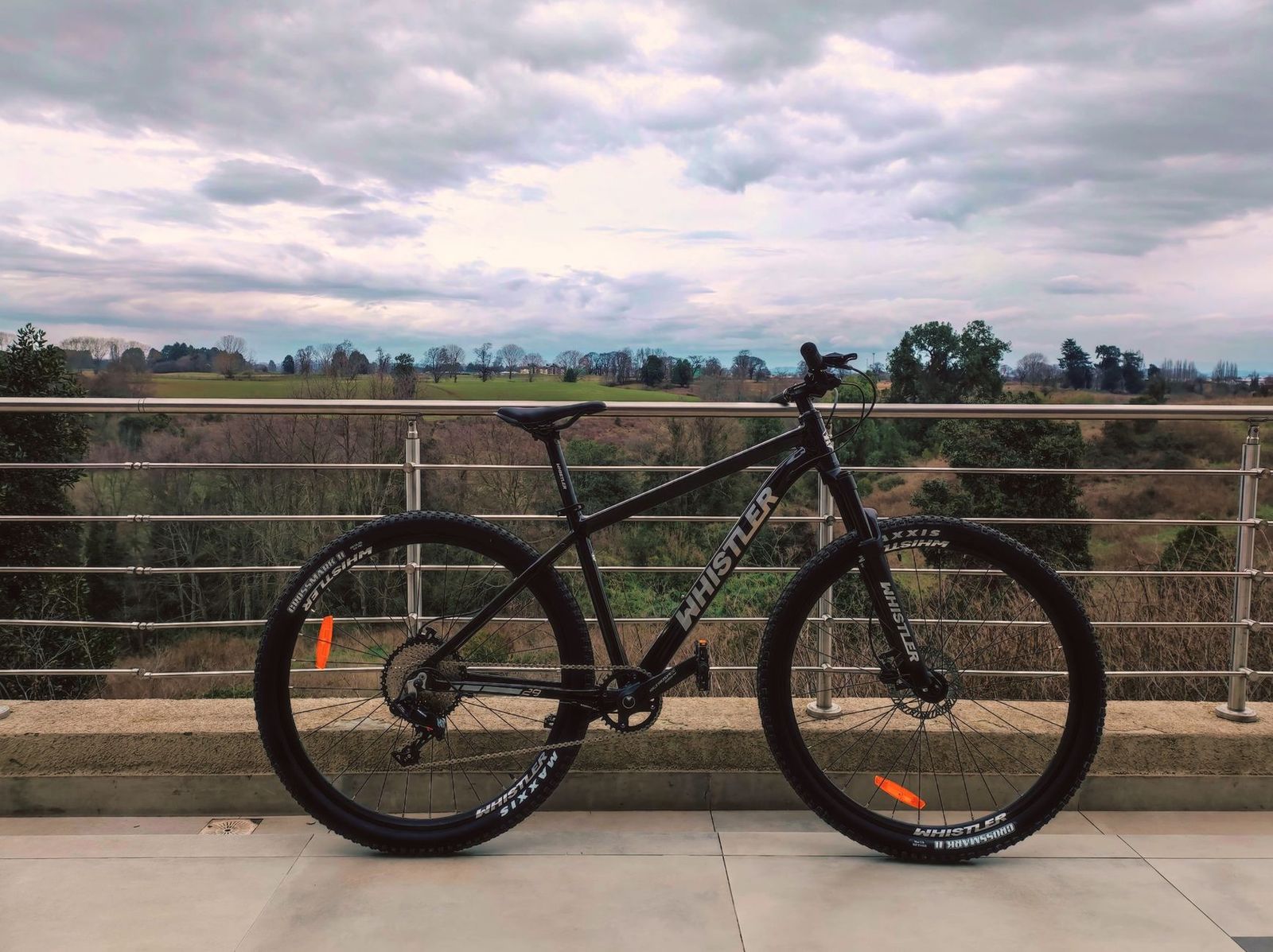
A hardtail has a suspension fork up front and a rigid rear end. It is the default choice here, light, simple, and efficient on climbs and smooth trails. A decent fork with a lockout helps on pavement. For kids learning skills like braking, cornering, and climbing out of the saddle, a hardtail teaches clean habits without the cost and care of a rear shock.
Full Suspension Mountain Bikes
Full suspension at this wheel size is uncommon and usually aimed at skilled young riders on rough trails. It adds comfort and rear wheel grip, but also weight, cost, and pivot care. For most families, the money buys more joy when spent on lighter parts and better brakes. Consider it only when the rider already charges hard terrain and complains about being bounced off line.
Fat Tire Models
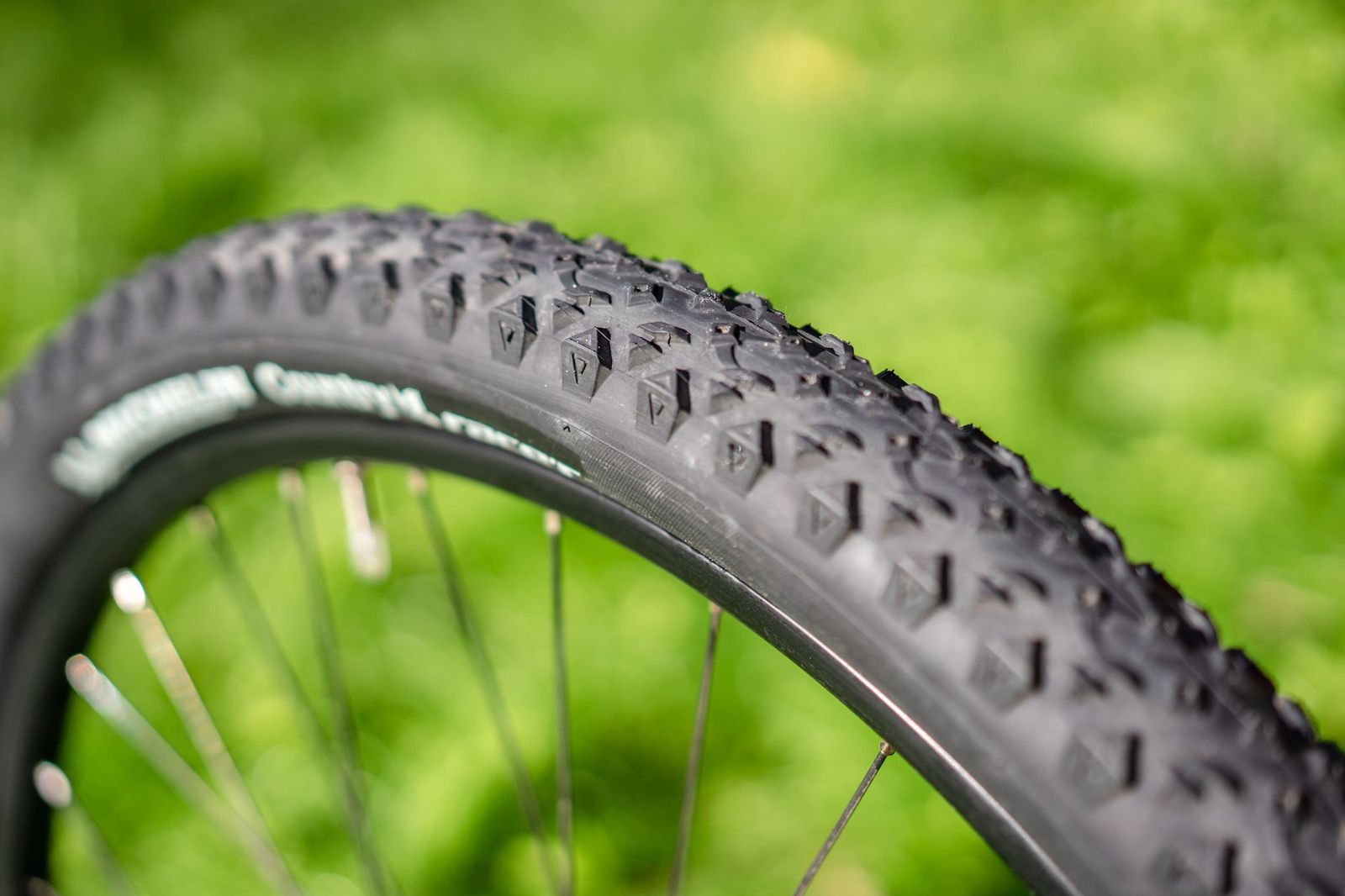
Some 20 inch bikes use wide tires of about 4 inches for sand, snow, and loose dirt. They add grip and comfort at low pressure, but they are heavier and slower on pavement. Tire choice matters on any model, and our page on the best 20 inch mountain bike tire range explains tread options for mixed surfaces.
Choosing for Specific Needs
When a Bigger Wheel Fits Better
If you are really shopping for a 29 inch wheel mountain bike, you are looking at an adult bike, and the decision points change. Larger wheels roll over rocks and roots more easily and hold speed on open trails, and our guide to the best 29 inch mountain bike wheels covers that upgrade path. The rider needs enough stand over clearance and strength to handle a bigger, heavier bike, which is why teens usually pass through 24 or 26 inch wheels first. A broader look at the best wheels for mountain bike setups can help you compare roll over, weight, and cost across sizes.
Setup and Care Tips
- Check tire pressure before every ride. About 20 to 30 psi is a common dirt range for light riders, adjusted for weight and terrain.
- Clean and lube the chain every 100 to 200 miles, or after any wet or dusty ride, to keep shifting crisp and slow wear.
- Have a professional tune up yearly. A shop will check brake pads, bearing play, and wheel true, which are easy to miss at home.
- Fit a helmet on every ride and check that it sits level and snug. Follow the manufacturer's instructions and replace a helmet after a crash.
FAQs
What size bike do I need?
Start with inseam and stand over clearance rather than age charts. The rider should reach the ground with both feet mostly flat while seated at the lowest saddle position, and clear the top tube when standing. If a child sits between sizes and rides gently, the larger size may last longer, but a bike that feels scary today teaches bad habits and gathers dust.
How much should I spend on my first bike?
For a youth rider, about $150 to $400 buys an enjoyable bike that will hold some resale value. Spending less often means heavy steel parts and brakes that need constant adjustment, which frustrates new riders. Budget extra for a helmet, a lock, and a floor pump. If the rider sticks with the sport, a later upgrade costs less per ride than a cheap bike replaced within a year.
Hardtail or full suspension for beginners?
A hardtail is better for almost every beginner at this wheel size. It costs less, weighs less, and needs less care, and it builds good habits like choosing a smooth line. Full suspension helps on truly rough trails, but the added weight makes climbing and carrying the bike harder for a small rider. Spend the savings on tires, a helmet, and gloves instead.
Are disc brakes better than rim brakes for kids?
Disc brakes need less hand force and work better in wet or muddy conditions, which suits small hands. Rim brakes are lighter, cheaper, and fine for dry paths. Whichever you pick, check that the rider can reach and squeeze the levers comfortably.
Wrapping Up
Decide who rides the bike, check stand over fit, and keep weight low. Then choose brakes and gearing that match your trails, and let price tiers guide the rest. With those basics settled, the best 20 inch wheel mountain bike for your family is waiting in the product table, ready to compare side by side.