Best 20 Inch Mountain Bike Tire by Budget: A Guide for 2026
Disclosure: We may earn a commission when you buy through links on this page, at no extra cost to you. As an Amazon Associate I earn from qualifying purchases. Learn more

Compare the best 20 inch mountain bike tire at every price point. Learn what you get at budget, midrange, and premium levels and where spending more pays off.
Tire prices for the same small wheel can range from the cost of a pizza to the cost of a nice dinner, and the listings all claim grip, speed, and durability. The best 20 inch mountain bike tire for you depends on where the bike rides, who rides it, and how often you want to fix flats. This guide sorts the market by budget so you can see exactly what each extra dollar buys.
Twenty inch wheels are most common on kids mountain bikes, BMX inspired builds, and compact folding bikes, so fit and tread matter more than fashion. Check the product table, then use the tiers here to match a tire to your trails.




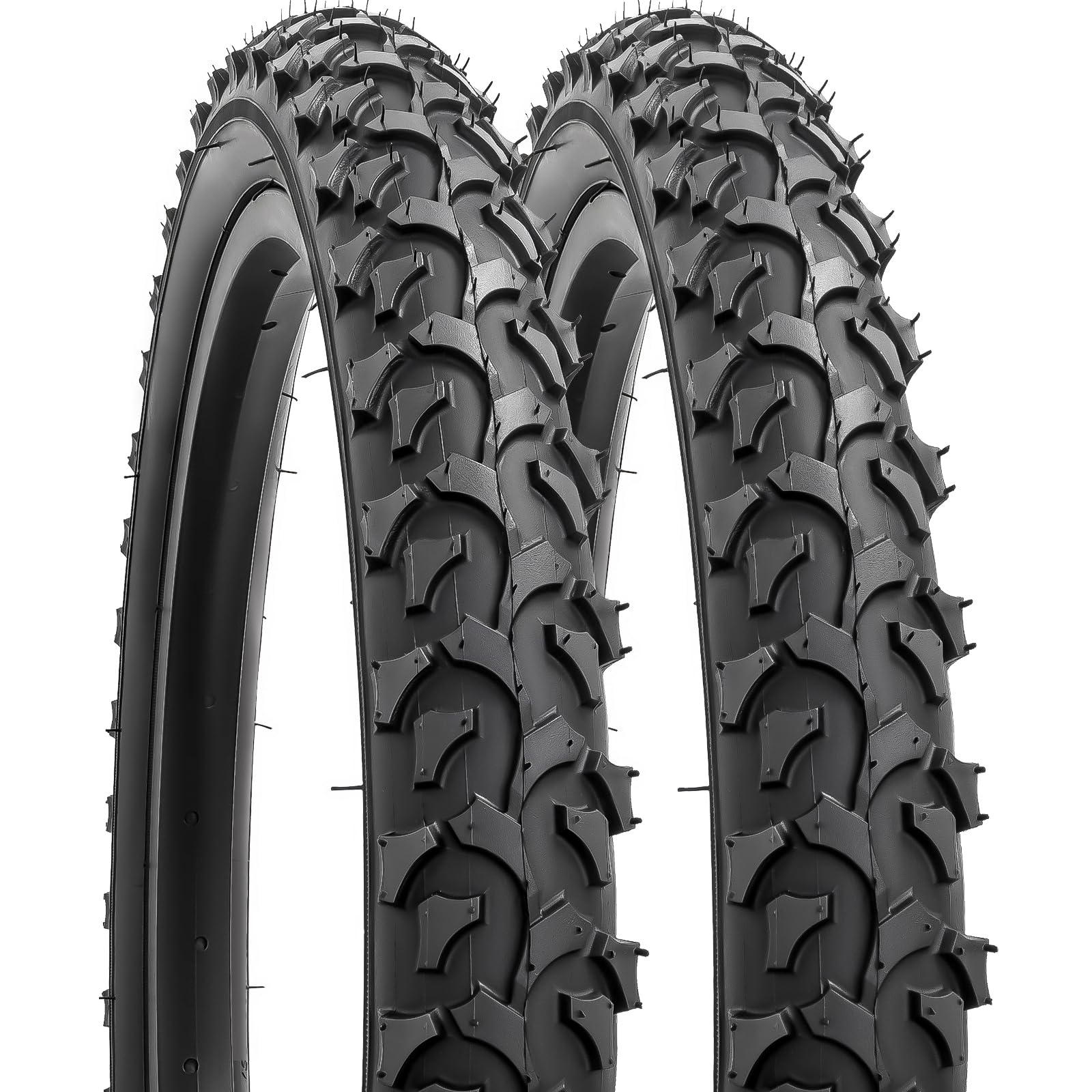

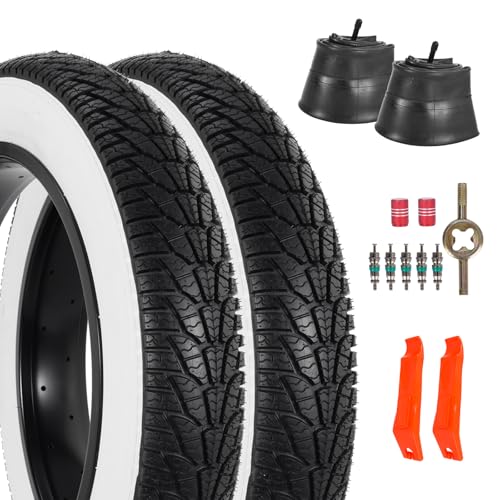
What to Look For in the Best 20 Inch Mountain Bike Tire at Each Budget
Think of the tiers as answers to three different rider questions, not as good, better, and best in the abstract.
Budget Tier: For Growing Riders and Light Trails
At around $20 to $35 per tire, you are buying honest basic rubber for a rider who may outgrow the bike within two seasons. Expect a wire bead, a simple center tread with modest side knobs, and a casing that shrugs off pavement, hardpack paths, and school commutes.
Grip on wet roots and loose climbs will be limited, and the tire will feel heavier than premium options. For a young rider on dry local trails, that trade is usually smart, because the money saved covers a helmet or gloves instead.
Midrange Tier: For Weekly Trail Riding
At around $35 to $60 per tire, the rubber compound improves and the tread design gets purposeful. You will find softer shoulder knobs that bite in corners, a folding bead that trims weight, and casings with some flat protection woven in.
This tier suits the rider who hits real singletrack every week, corners with intent, and wants predictable braking on loose descents. Most families and keen young riders land here, because the performance jump from budget rubber is easy to feel on the first ride.
Premium Tier: For Racing and Rough Ground
Above about $60 per tire, you pay for advanced compounds, light casings, and often tubeless ready construction. Grip improves in the wet, rolling speed improves on hardpack, and the tire conforms to rocks and roots instead of bouncing off them.
The limits are real too: soft race compounds wear faster, and light casings cut more easily on sharp rock. Choose this tier for a skilled rider chasing results or riding genuinely rough trails, where traction matters a great deal.
What Your Money Gets You at Each Price Tier
Budget Tier: What to Expect
Budget tires use a single firm compound, a steel wire bead, and a basic nylon casing. They mount easily, last a long time on pavement, and resist abuse from skids, which young riders dish out daily. What you give up is wet grip, supple ride feel, and flat protection.
Weigh a budget tire against its replacement cost: for a bike that will be sold or handed down soon, durability and low price beat every other trait, and a spare tube matters more than exotic rubber.
Midrange Tier: The Sweet Spot for Most Buyers
Midrange money buys a dual compound tread, with firmer rubber in the center for speed and softer rubber on the shoulders for cornering. Casings gain a protection layer under the tread, beads often fold for easier storage and lower weight, and many models set up tubeless.
This is where the cost per mile makes sense for regular riders. The tire still lasts a full season or more, yet it brakes and corners with a confidence that basic rubber cannot match on loose or damp trails.
Premium Tier: When Spending More Pays Off
Premium tires combine sticky compounds with engineered casings that balance suppleness and support. Tubeless ready beads seal reliably, sidewalls gain cut resistance without turning harsh, and tread patterns are tuned for a specific job such as loose dirt or mixed terrain.
Spending more pays off when the rider is light and skilled enough to feel grip differences, or when the trails are steep and wet enough that traction decides whether a section gets ridden or walked. For gentle paths, this tier is money spent on speed you will never notice.
Features Worth Paying For (and Ones to Skip)
Beyond tiers, the best 20 inch mountain bike tire choice comes down to five feature checks. Spend on the ones that match your ground and skip the rest.
Bike Type and Riding Style
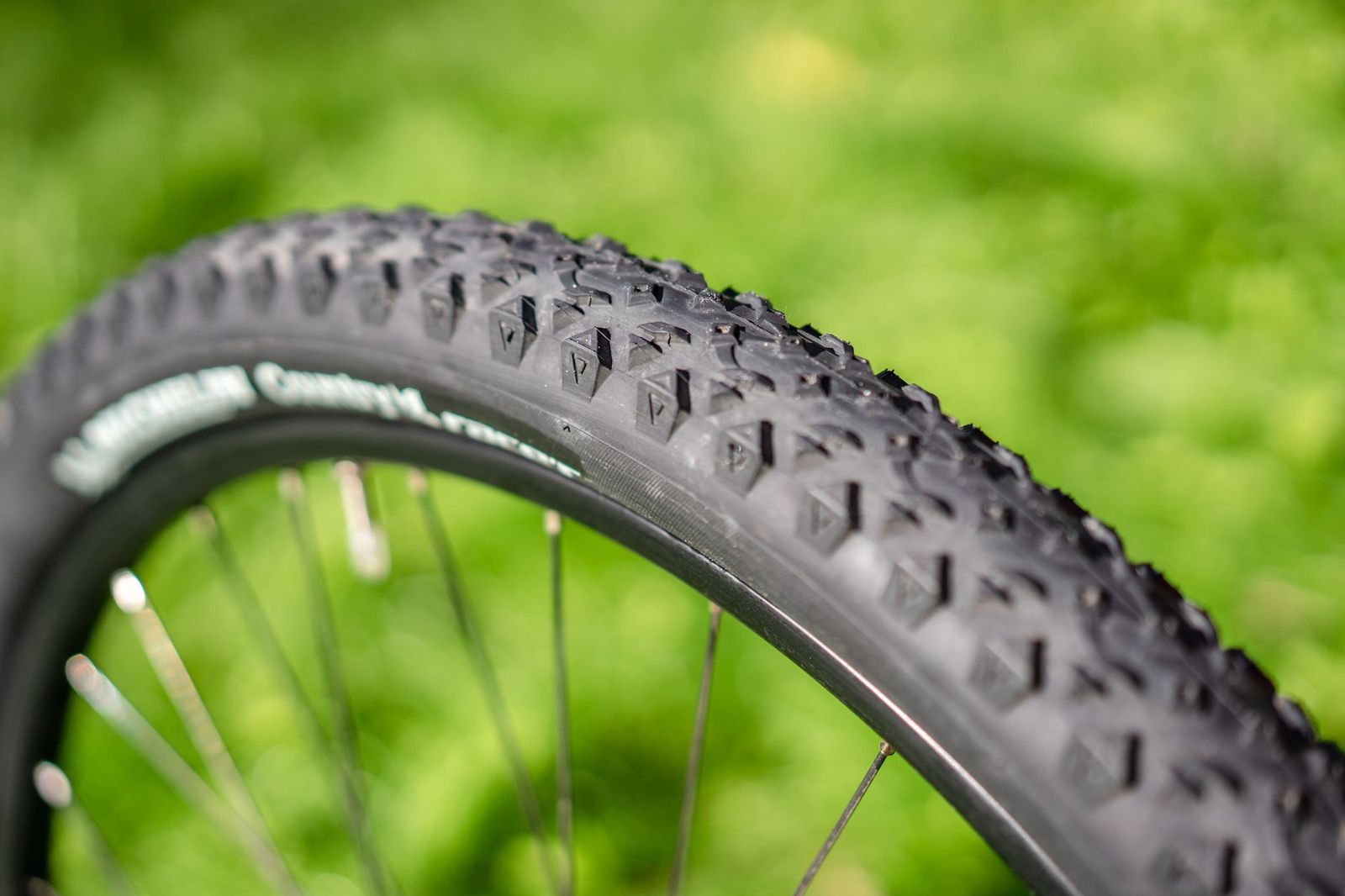
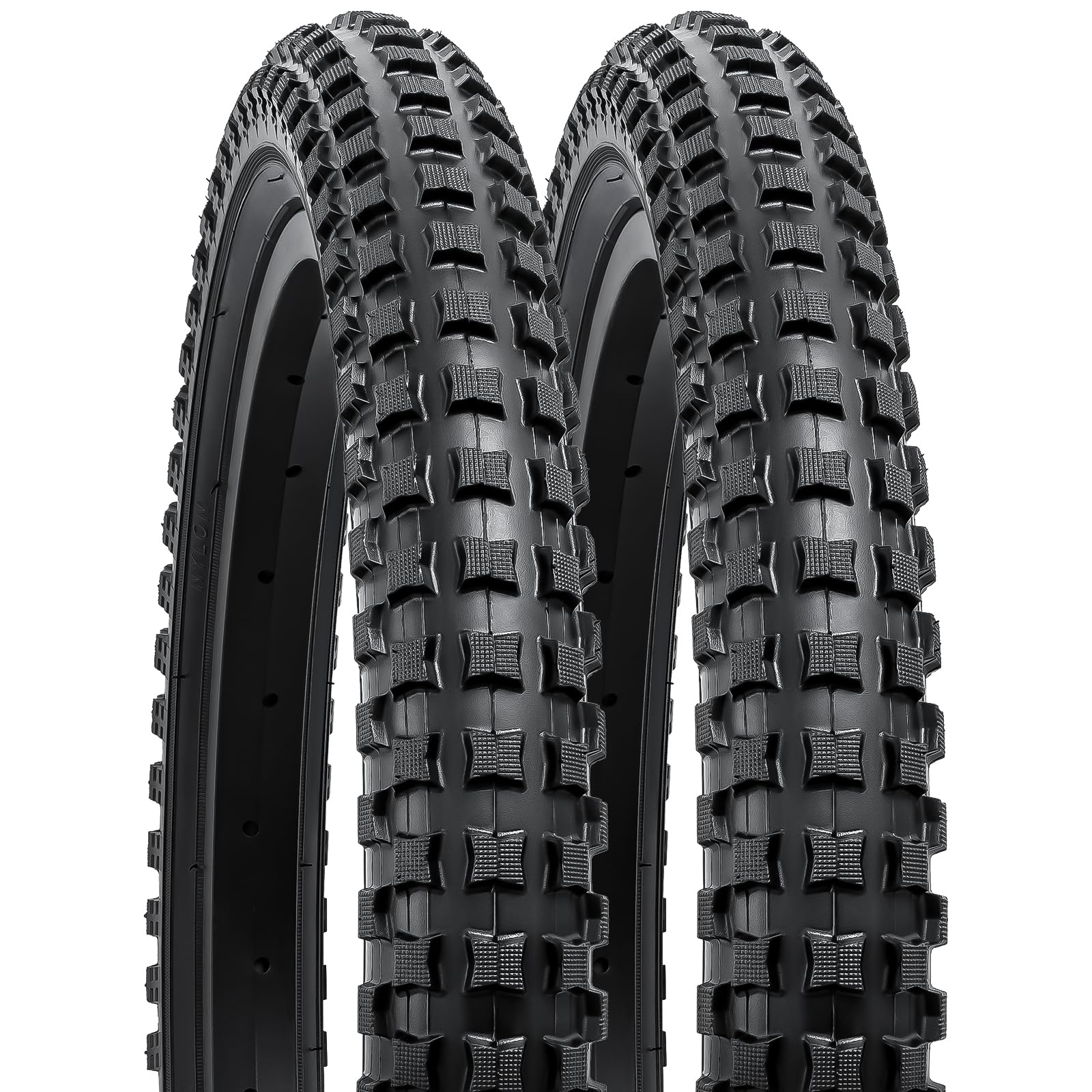
Match tread to terrain first. Hardpack and pavement call for low, closely spaced center knobs that roll fast. Loose dirt and mud want tall, widely spaced knobs that dig in and shed debris.
A kids mountain bike ridden to school all week and trails on weekends needs the middle ground: a fast center with real shoulder knobs for dirt corners. Aggressive tread on a mostly paved route feels slow and wears quickly, so be honest about the surface split before paying for knobs you will grind down on asphalt.
Load Rating and Fat Tire Options
Some compact 20 inch bikes use wide fat tires, often 3.0 to 4.0 inches, and these are a different fit from standard 1.95 to 2.4 inch mountain tires. Make sure your frame, fork, and rim are built for the wider size before ordering.
Whatever the width, choose a tire with a stated load rating that covers bike, rider, and cargo together. Heavier loads make flats more of a hassle, so flat protection moves up the priority list.
Weight and Upgrade Path
Tire weight matters more on small wheels because the rider is often small too. A heavy tire on a child bike makes starts sluggish and lifting the bike onto a rack harder. Folding bead tires weigh less and store flat as spares.
When planning upgrades, tires are the cheapest place to change how a bike feels, ahead of wheels or suspension. If a tire you like is discontinued later, note its width and tread style so you can match a similar model when the pair wears out.
Sizing and Fit
Read the sidewall of the current tire before you order anything. You need the diameter, which is 20 inches here, and the width, commonly around 1.95 to 2.4 inches on mountain models. The international ETRTO number, printed as a pair such as 50 to 406, is the most reliable match because inch markings can vary by style.
Check frame and fork clearance for wider rubber, and confirm the rim width range the tire maker allows. A tire that is too wide for the rim feels vague in corners even when it technically fits.
Frame Material and Clearance
For a tire purchase, the frame matters only as a clearance question. Aluminum, steel, and carbon frames all accept the same tires if the space between the stays allows it. Measure the gap at the chain stays and seat stays and leave room for mud, since a tire that clears on a stand can rub when the wheel flexes or picks up dirt.
Long Term Costs to Factor In
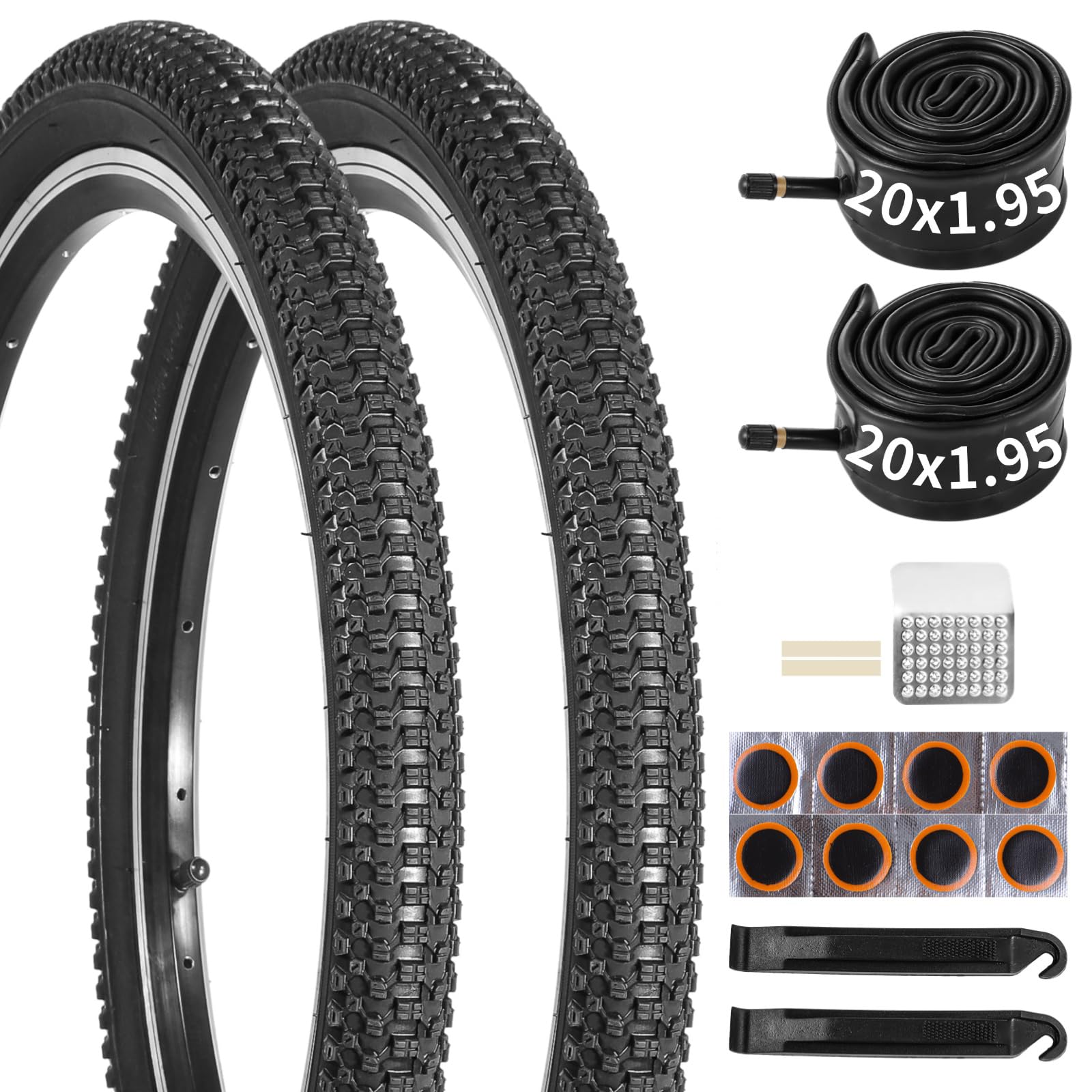
A tire is a consumable, so price the whole system. Tubes cost a few dollars each and every rider should carry a spare, while tubeless setups need sealant refreshed every few months and an occasional plug kit.
Expect a rear tire to wear about twice as fast as the front, so many riders rotate a fresh tire to the front and move the older front tire to the rear. Add a floor pump with a gauge, since correct pressure prevents the pinch flats that kill budget tires early. Riders comparing other wheel sizes will find the same math in our guide to the best 24 inch mountain bike tires, and the fit checks carry over directly.
20 Inch Mountain Bike Tires: Your Questions Answered
What size tire do I need?
Match the sidewall numbers on the tire already fitted. The diameter must be 20 inches and the width should stay within what your frame clears and your rim supports. If you are also choosing the bike itself, wheel size follows rider height, and our guide to the best 20 inch mountain bike models explains the height ranges that suit this wheel.
Should I choose tubes or tubeless?
Most budget and midrange 20 inch tires are set up with tubes, which is simple and cheap to fix on the trail. Tubeless ready tires suit riders who want lower pressure and fewer pinch flats, but they need compatible rims and regular sealant refreshes. For a growing child, tubes are usually the easier choice.
Hardtail or full suspension for beginners?
Most 20 inch bikes are rigid or hardtail designs, and that is fine for learning, because tires do much of the comfort work at this size. A slightly wider tire run at sensible pressure absorbs trail chatter better than any budget suspension part. Spend on rubber before suspension. Riders stepping up in size later can compare how the same choice plays out in our guide to the best 29 inch mountain bike tires for adult wheels.
How much should I spend on my first bike tire?
Spend about $25 to $45 for a first replacement tire on a 20 inch bike. That range buys decent rubber, a reliable casing, and enough tread for real trails without overspending on race features a new rider cannot yet use. Put the savings toward a spare tube, a pump, and a tire lever set. Upgrade to midrange rubber once the rider corners hard enough to slide the budget tread.
What tire pressure should I run?
Follow the pressure range printed on the tire sidewall and adjust within it for rider weight and terrain. Lower pressure within the range adds grip on dirt, while higher pressure rolls faster on pavement. Check pressure often, because small tires lose air quickly. Our guide to the best 20 inch wheel mountain bike options shows how these small wheels are used.
Final Thoughts
Match the sidewall size exactly, pick tread for your real ground, and let your riding frequency choose the tier. The best 20 inch mountain bike tire for your bike is among the picks in the product table, so confirm the width, check the compound and casing against your trails, and spend the savings on the tubes and pump that keep you rolling.