
Best 24 Inch Mountain Bike Tires for 2026: What Actually Matters Before You Buy
Disclosure: We may earn a commission when you buy through links on this page, at no extra cost to you. As an Amazon Associate I earn from qualifying purchases. Learn more

A simple checklist for picking the best 24 inch mountain bike tires: size fit, tread, casing, tubeless setup, grip, and durability for young riders.
Tires are the only part of the bike that touches the ground, yet they are often bought by price and a quick glance at the tread photo. For a 24 inch wheel bike, usually ridden by kids, teens, and smaller riders, the right tire adds grip, comfort, and puncture protection all at once. This checklist shows you how to judge the best 24 inch mountain bike tires before you spend, so the set you mount matches your trails and your rider.
Work through each criterion below in order: fit first, then tread, then casing and setup. The product table collects the sizes and specs that matter most in one view.


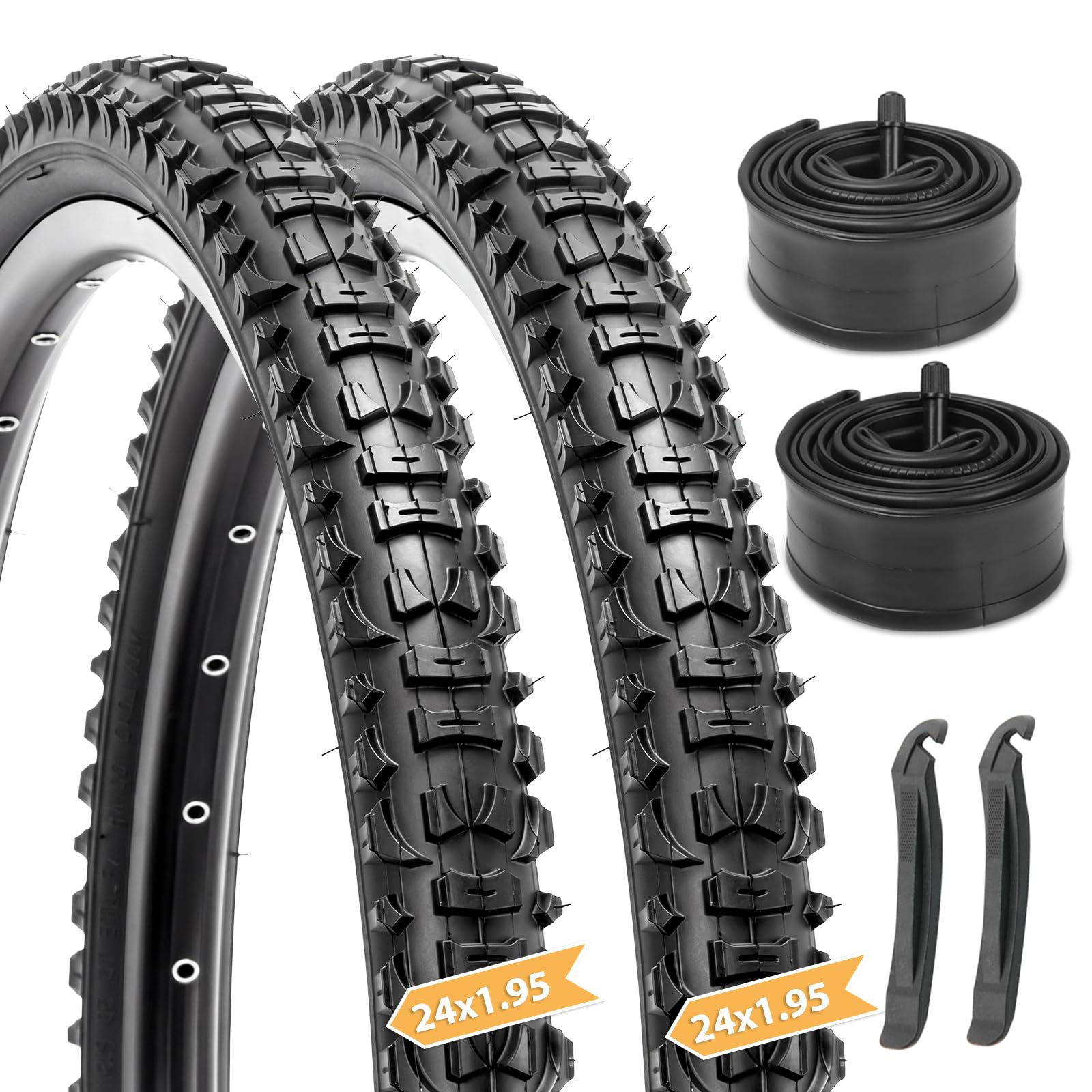
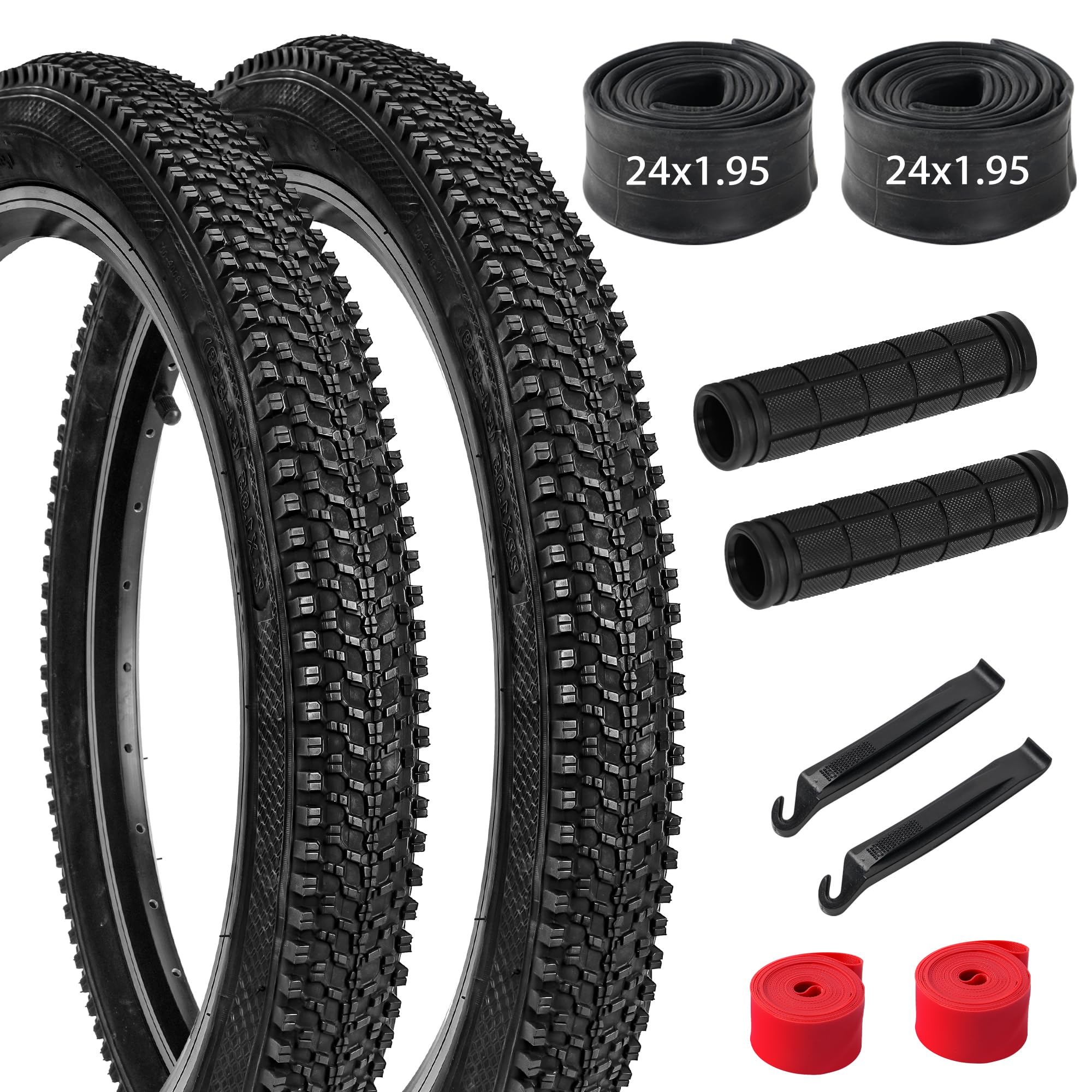

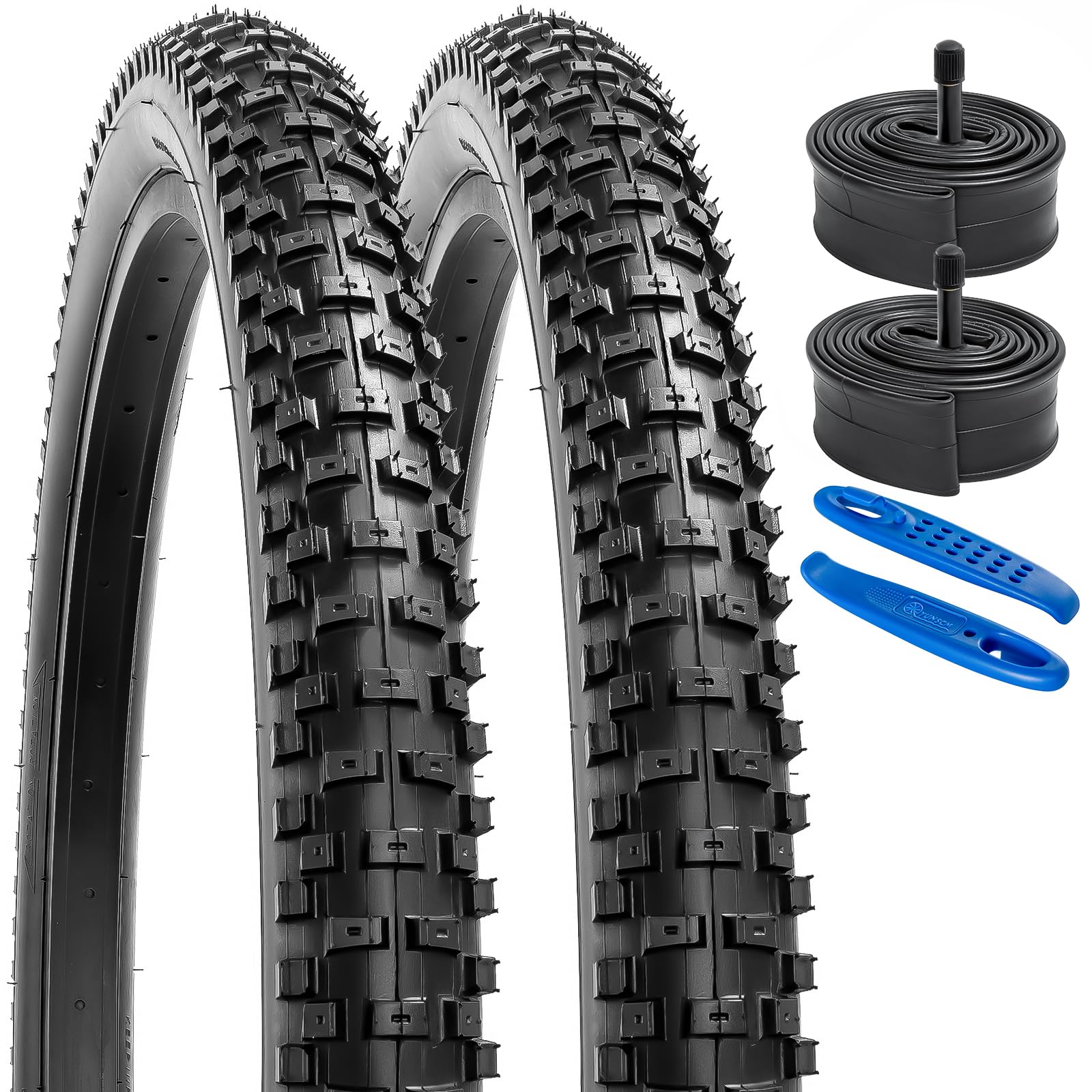
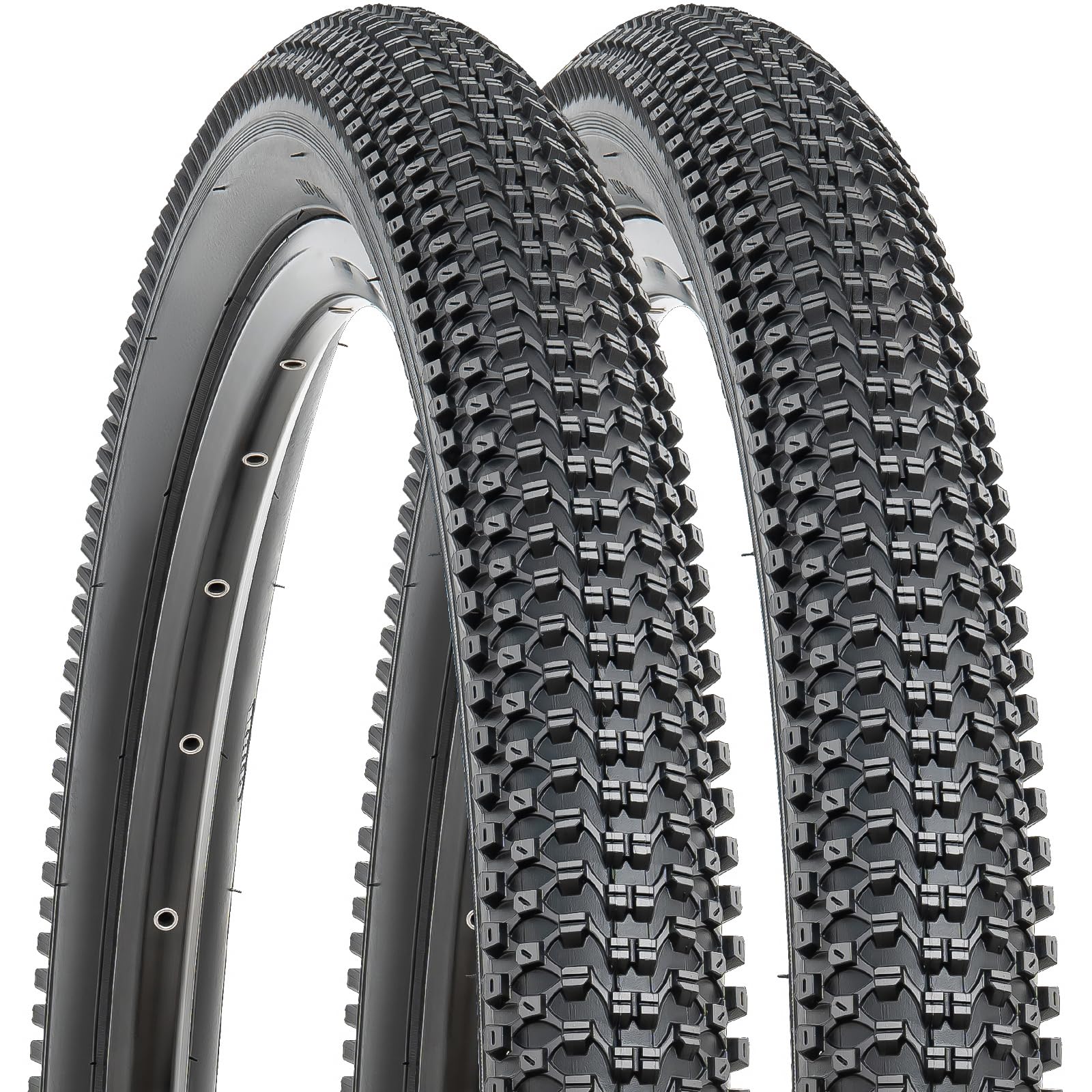

How to Choose the Best 24 Inch Mountain Bike Tires
Think of this section as a scoring sheet you can apply to any listing. A tire that passes the first three checks and scores well on the rest will serve almost any young rider.
Bike and Rim Compatibility
Start with the numbers on the old tire sidewall, written like 24 x 2.10, and match the first number exactly. Width must clear the frame, fork, and any fenders, with a few millimeters to spare for mud. Check rim width too, since a very wide tire on a narrow rim folds in corners and feels vague. If you are shopping for the whole bike rather than rubber alone, our guide to the best 24 inch mountain bike range covers sizing from the ground up.
Tread Pattern and Extras
Tread should match your ground. Tightly spaced center knobs roll fast on hardpack and pavement, while open, tall knobs bite in mud and loose soil. Many good all round tires pair a fast center with chunky shoulder knobs for cornering grip. Useful extras include a reflective sidewall stripe for road visibility and a folding bead that cuts weight. Skip heavy downhill tread for a child who mostly rides smooth paths, because it only adds drag.
Ease of Installation
Most riders can mount these tires at home with two plastic tire levers, a pump, and ten to fifteen minutes per wheel. A wire bead costs less but fights you a little more; a folding bead seats more easily and packs flat as a spare. Tubeless ready tires need rim tape, valves, and sealant, plus a fast burst of air to seat. If the bike has rim brakes, confirm the new tire width still lets the pads release the wheel for removal.
Safety Features
Safety starts with the correct size and a pressure range printed on the sidewall; never inflate beyond the stated maximum, and follow the manufacturer's instructions. Puncture protection layers under the tread cut the odds of a flat far from home, which matters when a child rides alone. Check that the tire direction arrow points forward, since angled knobs are designed to clear mud and brake in one direction. Replace any tire with cracked sidewalls, exposed threads, or a bulge, because those are signs of a worn-out tire.
Performance Specs That Matter
The numbers worth comparing are width in inches, weight in grams, thread count of the casing, often written as TPI, and the pressure range. A higher TPI casing feels supple and grips better but costs more and can cut more easily. Rubber compound matters too: softer compounds grip wet roots and rocks, while harder compounds last longer on pavement. For growing riders moving up later, our notes on the best 29 inch mountain bike tires show how these specs scale on adult bikes.
Warranty and Brand Support
Tires are wear items, so warranties cover defects rather than worn tread. Still, established makers stand behind casing flaws, bead defects, and early cracking, and they publish clear size charts and support lines. Buy from sellers with an easy return window, because a size mistake is the most common problem and is simple to fix when returns are painless. Keep the packaging until the first ride confirms the fit.
Build Quality and Weather Resistance
Look for even knob molding, a clean bead that sits straight on the rim, and sidewalls without thin spots. A reinforced casing shrugs off the pinch flats that happen when a light rider hits a curb or rock edge at low pressure. For wet seasons, a tread with open channels clears mud instead of packing smooth. Riders in dry, thorny regions should favor thicker casings and sealant over pure low weight.
Tire Profiles by Budget and Riding Style
The All Round Profile
An all round tire about 2.0 to 2.2 inches wide, with a mixed tread, a puncture protection layer, and a folding bead hits the mark for most families. It rolls well to school, grips on weekend dirt, and survives a full season or more. Expect to pay around $25 to $40 per tire. This profile suits the rider who does a bit of everything and whose parents want one less thing to think about.
The Budget Profile
Value tires with a wire bead and a simpler tread often cost about $12 to $25 each and work fine for pavement, packed paths, and gentle trails. They weigh more and lack tubeless options, but for a bike that will be outgrown within two years, the savings are sensible. Spend the difference on a good pump and a spare tube. If the rider also needs front suspension matched to the wheel, see our guide to the best fork for 24 inch mountain bike fit before mixing parts.
The Premium Profile
Premium tires add a high TPI casing, softer grip compounds, and tubeless ready construction for about $40 to $65 each. Young racers and skilled riders feel the difference as extra cornering confidence and fewer flats with sealant. The trade off is faster wear from the soft rubber. Choose this tier when the rider trains or races often enough that grip and reliability decide the day.
Quick Buyer Checklist
Before you order the best 24 inch mountain bike tires for your rider, run through these questions.
- Does the sidewall size match your current tire, starting with 24?
- Will the width clear your frame, fork, and brakes with room for mud?
- Does the tread match your most common surface, dirt, pavement, or a mix?
- Do you want tubes, or is your rim ready for a tubeless setup with sealant?
- Is there a puncture protection layer for your local thorns, glass, or sharp rock?
- Does the pressure range suit your rider weight and terrain?
- Can you return the tire easily if the size is wrong?
Red Flags to Watch For
- Vague sizing with no printed width or rim standard, which invites fit mistakes.
- No stated pressure range or weight limit on the listing or sidewall.
- Photos that hide the tread shoulder, where cornering grip actually comes from.
- Extremely low prices paired with heavy, thick rubber that will make a small bike feel sluggish.
- Listings that confuse tire size systems, mixing decimal and fraction sizes that are not interchangeable.
Tips to Get the Most From Your New Tires
Check pressure weekly with a gauge rather than a thumb squeeze, because small volume tires change feel with just a few psi. Inspect for glass and thorns after rides and pick debris out before it works through the casing. Riders stepping down a size for a sibling can compare with the best 20 inch mountain bike tire options, and those planning ahead can scan the best mountain bike tires 26 inch guide for the next stage. Store the bike out of direct sun, since ultraviolet light dries rubber and shortens tire life.
24 Inch Mountain Bike Tires: Your Questions Answered
Will a 24 inch mountain bike tire fit my bike?
It will fit if the first size number is 24 and the width clears your frame and brakes. Match the marking on your current tire, and measure the gap at the fork and rear stays with the old tire inflated. Most 24 inch mountain rims accept widths from about 1.75 to 2.4 inches, but rim width and frame clearance set the real limits.
What tire specs matter most for a 24 inch wheel?
Width, tread pattern, and casing protection matter most, in that order. Width sets comfort and grip, tread sets how the tire behaves on your surface, and the casing decides flat resistance and feel. Weight and compound come next. Thread count is a useful quality signal, but a well chosen mid range tire beats a race tire used on the wrong terrain every time.
Do I need professional installation for bike tires?
No, most riders can fit these tires at home with plastic levers and a floor pump. The skill worth learning is seating the bead evenly all the way around before full inflation. Tubeless setups are the one exception for many families, since seating can need an air compressor or a booster pump, and a shop can do the first setup quickly and check your tape and valves.
How long does a 24 inch mountain bike tire last?
A typical tire lasts about 1,000 to 2,500 miles, or one to three seasons for a young rider, depending on surface and compound. Pavement wears center knobs fastest, while sun and age crack sidewalls even on little used bikes. Replace the tire when knobs are rounded down, the casing shows through, or flats become frequent despite correct pressure and a clean rim strip.
The Bottom Line
Confirm the size, match the tread to your ground, and insist on decent flat protection. Those three checks do most of the work, and the budget profiles above handle the price call. With them in mind, the best 24 inch mountain bike tires for your rider are easy to spot in the product table.


