Best 12v Cordless Drills (2026): Buying Guide
Disclosure: We may earn a commission when you buy through links on this page, at no extra cost to you. As an Amazon Associate I earn from qualifying purchases. Learn more
What to check before you buy the best 12v cordless drill: chuck, battery platform and torque, and which type fits your home.
A 12v drill looks simple until you compare torque ratings, chuck sizes, and battery systems that do not swap between brands. Pick too weak a tool and screws stall in hardwood. Pick too large a tool and you lose the whole point of this class, which is easy handling in tight spots. The best 12v cordless drill for you balances enough power for household jobs with a body you can control with one hand.
This guide compares the main types side by side, explains the specs that change how the tool feels, and shows where a 12v model stops being enough. Start with the comparison table below, then match a type to your projects, your space, and your budget.
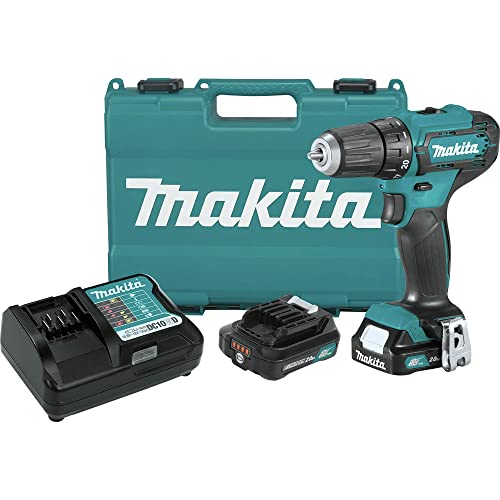
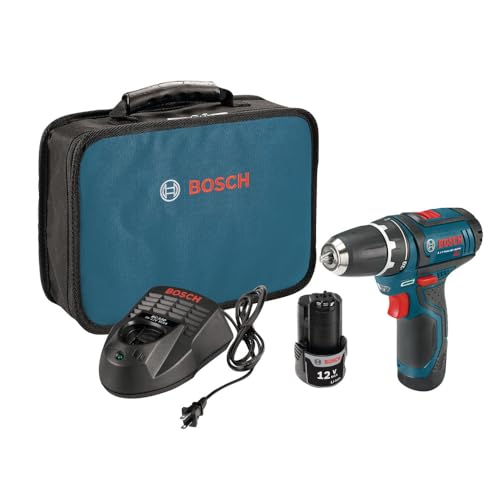
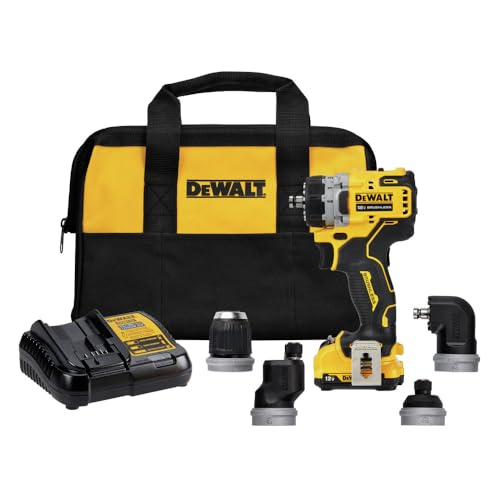

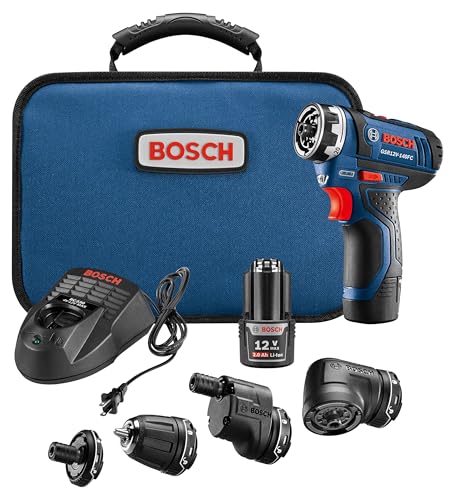


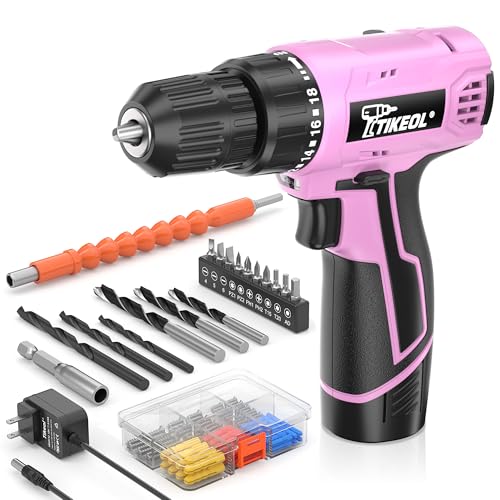

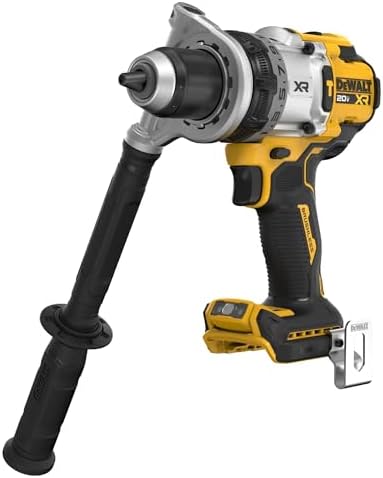
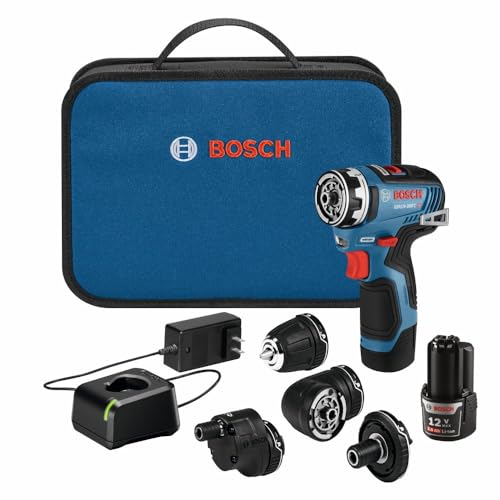
Types to Compare at a Glance
The first type is the standard drill driver. It handles pilot holes, flat pack furniture, hinges, and most screws around the home. Its two speed gearbox and adjustable clutch cover nearly every light task, and it is usually the least costly way into a 12v platform.
The second type is the subcompact brushless drill driver. It shortens the head length so the bit fits inside cabinets and between studs, and it cuts weight for work above shoulder height. You pay more for that smaller body, but torque for household work stays similar, so the gain is access and comfort.
The third type pairs drilling with a hammer mode for light masonry, or bundles the drill with a second tool in a combo kit. A hammer mode helps with small anchors in brick or block, while a kit adds value only when you will truly use the second tool.
Who Should Buy a 12v Cordless Drill?
Apartment and Condo Owners With Limited Storage
You need one tool that assembles furniture, hangs shelves, and fixes cabinet hardware, then fits in a closet or a single drawer. A 12v drill driver covers those jobs without the bulk of a larger platform, and one battery is usually enough because no task runs long. If your list looks like this, our guide to the best cordless drill for home use shows how this class compares with bigger options.
Users Who Work in Tight Spaces or Overhead
You drill inside sink cabinets, above ceiling panels, or between narrow framing, where a long drill body will not fit or tires your arm fast. A subcompact 12v model with a short head length and a weight near two pounds lets you keep the bit aligned without bracing your other hand. Balance matters more than peak torque for you, so grip shape and battery position should drive your choice.
Homeowners With Occasional Medium Duty Jobs
You mostly do light work but now and then drive longer screws into deck boards or drill into a brick wall for an anchor. A stronger 12v model with a metal chuck, a second battery, and a hammer mode can stretch to those jobs if you work slowly and let the tool cool. If most of your work looks like that, step up in power instead.
How These Drills Were Evaluated
Instead of ranking by a single torque number, this guide weighs five factors together. Power and performance decide which materials the drill handles, the battery platform decides your running time and future tool options, and size and weight decide how long you can work comfortably. Build quality and warranty coverage round out the picture.
How to Choose the Right 12v Cordless Drill
Start With the Drill Type You Need
Most buyers need a plain drill driver, which drills holes and drives screws with a clutch that stops the bit from sinking too deep. A hammer drill driver adds a rapid pulsing action for small holes in masonry, and the guide to the best hammer cordless drill explains when that action matters. A right angle drill solves access problems in cramped framing, but it makes a poor only drill because its shape is awkward for normal screws.
Features Worth Paying For
A keyless chuck that grips firmly, a clear clutch ring with enough settings, and an LED light aimed at the bit all earn their cost in daily use. A battery gauge also helps, since a 12v pack gives little warning before it fades. Skip paying extra for huge bit sets bundled in the box, because the common sizes wear out while the odd sizes sit unused.
Cordless Freedom Compared With Corded Power
A corded drill never needs charging and suits long sessions of drilling one hole after another, but the cord limits where you can work and snags on bench edges. A 12v cordless model trades that endless running time for freedom on ladders, in yards, and in rooms with few outlets. Gas power has no place in this class, since drilling needs control at low speed, not engine output.
Choose the Battery Platform, Not Just the Drill
Every brand locks its 12v batteries to its own tools, so the drill you buy today decides which small saws, lights, and drivers you can add later without buying new packs. Check how many tools share the platform and what a spare battery costs before you commit. Capacity is rated in amp hours, and a higher number means longer running time, not more torque.
What a Brushless Motor Changes
A brushed motor uses physical contacts that wear over time, while a brushless motor uses electronic control to deliver power. In a 12v drill, that design usually brings a shorter body, longer running time from the same battery, and less heat during long screw runs. The trade off is price. If you drill only a few times a year, a brushed model does the same jobs and costs less.
Accessories and Warranty Coverage
Budget for the bits the tool does not include, starting with a basic twist bit set, Phillips and flat drivers, and a few spade bits for larger holes in wood. A sturdy case protects the chuck and keeps the charger with the tool. Warranty terms vary by brand and by part, with batteries often covered for a shorter period than the drill itself, so read both numbers before you buy.
How Much Should You Spend?
At under $50 you generally get a basic brushed drill with one battery, suited to furniture assembly and light hanging jobs. Around $50 to $100 brings a second battery, a faster charger, and a better clutch, which is where most home users should shop, and the guide to the best budget cordless drill covers that range in depth. About $100 to $150 adds brushless motors and subcompact bodies.
12v Drills Compared With Other Cordless Drills
The case for 12v is control. These drills are lighter, shorter, and easier to guide with one hand, so screws go in straight and your wrist lasts through a full afternoon of cabinet work. For drilling into softwood, drywall, plastic, and thin metal, and for driving the screws used in furniture and fixtures, that smaller size costs you nothing in results.
The case against 12v is headroom. Larger 18v and 20v class drills deliver more torque for lag screws, large spade bits, and repeated holes in dense lumber, and their batteries run longer between charges. A 12v drill can do some of that work slowly, but heat builds and battery drain speeds up. If your list includes building a deck or drilling studs for wiring every month, choose the larger class.
- Choose 12v when your jobs are indoors, your storage is tight, and you value light weight over maximum torque.
- Choose a larger class when you drill big holes often, drive structural screws, or already own batteries from that platform.
- Own both when you renovate regularly, since the small drill handles finish work while the big drill handles framing and boring.
Common Mistakes to Avoid
- Using full speed for screws, which strips heads and splits wood near board edges.
- Leaving the clutch on the drill setting for flat pack furniture, which lets one firm pull crack thin panels.
- Buying a drill from a battery platform you plan to abandon, which makes every later tool cost more.
- Forcing a dull bit with body weight, which overheats the motor and bends small bits.
- Storing the drill with a fully drained battery, which shortens the life of the pack.
- Choosing an impact driver for delicate assembly, a confusion our drill vs impact driver comparison clears up before you spend money.
How to Make Your 12v Cordless Drill Last Longer
Store batteries indoors at room temperature, partly charged if they will sit for months, and top them up before a big project day. Let a hot pack cool before charging after heavy use, since charging a hot battery adds wear. Keep spare bits sharp or replace them when they darken and slip, because a sharp bit lets the motor work at the load it was built for.
After dusty work, blow loose debris off the vents with dry air and wipe the chuck jaws so grit does not score them. If you drop the drill, check that the chuck spins true before trusting it on finish work. If you are still learning technique, the guide on how to use a cordless drill covers grip, speed choice, and safe bit changes.
FAQ
What is the best 12v cordless drill?
The right answer depends on the battery platform you want to live with, because the drills in this class perform close to one another on household jobs. Pick the subcompact brushless type if access and weight matter most, and the standard drill driver type if value matters most. Either way, buy the version sold with two batteries, since a single pack leaves you waiting during the one project you planned your weekend around.
Are 12v cordless drills worth it?
Yes, if most of your drilling and driving happens indoors on furniture, fixtures, and light framing. The smaller body earns its keep the first time you work inside a cabinet. They are not worth it as an only tool if you plan to bore large holes in beams or set many lag screws, because you will spend the savings on spare batteries and still finish slowly.
How long does a cordless drill last?
The drill body often lasts many years, while the batteries are the part that ages out first, typically after a few years of regular charging. You will notice the end coming when running time drops sharply or a pack refuses to hold a charge overnight. Replacing the packs can revive an otherwise sound drill, so check pack prices for your platform before you assume the whole tool needs replacing.
Is a cordless drill worth it if you rarely do projects?
It can be, because the small jobs that justify it, like hanging a frame, tightening a hinge, or assembling a shelf, show up without warning. Borrowing or renting makes sense for one large project, but it is a poor plan for ten minute fixes. A basic 12v model costs little to store, needs almost no upkeep, and is ready the moment a task appears.
How do you clean a cordless drill?
Remove the battery first, then wipe the body with a dry or slightly damp cloth and clear the vents with a soft brush or dry compressed air. Open and close the chuck several times to shake grit out of the jaws, and wipe the jaws with a dry cloth. Never spray water or solvent into the vents or the chuck, and let the tool dry fully before you refit the battery and store it.
What is the most reliable cordless drill brand?
No single brand wins for every buyer, because reliability in this class depends as much on battery care and local service options as on the motor. Look for a platform with a clear warranty, spare packs that stay in stock, and service centers you can actually reach. Shoppers weighing the two biggest pro platforms can start with our dewalt vs milwaukee comparison, then judge 12v lineups by the same service and support points.
Final Thoughts
A 12v drill succeeds when it matches the scale of your work, light, handy, and strong enough for the materials in your home. Use the product table above to compare types on size, battery, and price tier, then commit to the platform you are happiest to expand. Chosen that way, the best 12v cordless drill is simply the one that fits your hand, your storage, and your project list without strain.