
Best 12v Drill: What Actually Matters Before You Buy for 2026
Disclosure: We may earn a commission when you buy through links on this page, at no extra cost to you. As an Amazon Associate I earn from qualifying purchases. Learn more

The best 12v drill balances torque, clutch range, chuck, and battery platform. Use this checklist to pick one for home projects.
A compact drill suits a wide range of home work, from assembling furniture and hanging shelves to drilling pilot holes and driving screws in tight spaces. A best 12v drill guide should therefore focus on balance, control, and battery fit, not on raw power alone. The right drill feels steady in one hand, reaches into cabinets and corners, and drives screws without stripping heads or splitting wood.
The checklist below covers power, battery platform, chuck, speed control, safety, and warranty. Use the product table as a starting point, then work through the checklist before you decide.


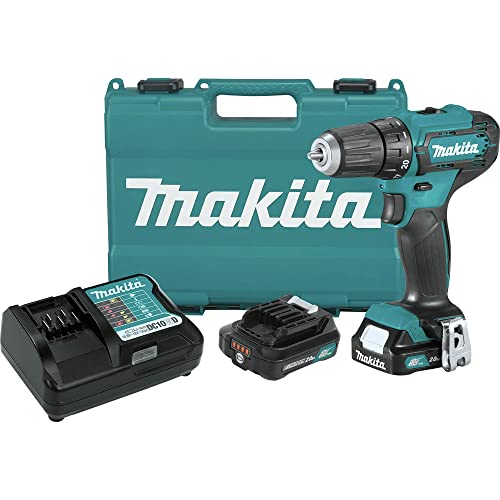
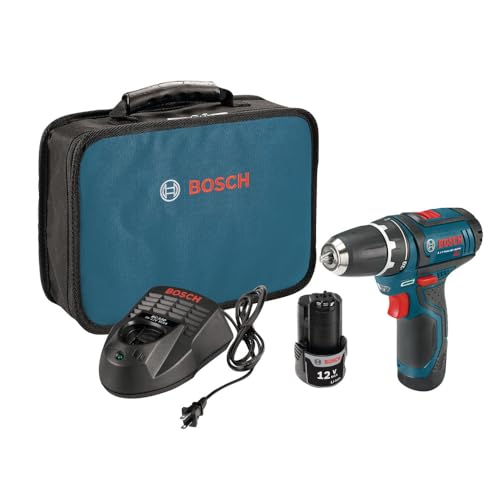


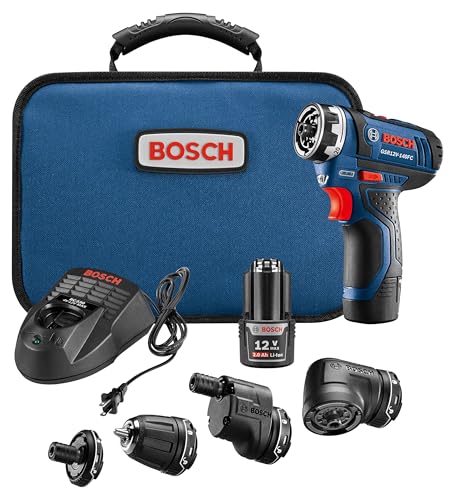


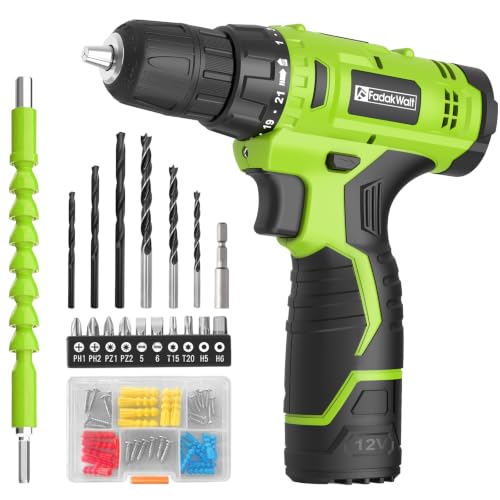
Best 12v Drill Buying Checklist
A checklist beats a headline spec, because a drill that looks strong on paper can still feel awkward, drain fast, or lack the chuck and clutch range your projects need.
Corded or Cordless Power
Most 12 volt drills are cordless, which suits home work because you can move between rooms, ladders, and outdoor projects without an outlet. A corded drill offers steady power for long sessions, but it adds a cord to manage and limits reach. For a compact home drill, cordless power plus a spare battery usually beats corded power, since short jobs rarely need endless run time.
Accessories Included in the Box
The box contents change the real cost more than buyers expect. A kit with two batteries, a charger, a belt hook, and a case is often better value than a bare tool that needs separate purchases. Check whether bits are included and whether they suit wood, drywall, and light metal, or whether you will buy a bit set at once. A case keeps the drill, charger, and bits together and protects the chuck from dust.
Durability and Brushless Motors
A brushless motor usually runs cooler, lasts longer between charges, and needs less upkeep than a brushed motor, although it often costs more. For occasional home use, a brushed motor can still serve well if the drill feels solid and the clutch works smoothly. Check the housing, grip, and chuck for play or flex, and read the warranty terms, since a longer warranty often signals stronger build.
Capacity and Working Range
Capacity means the largest bit and screw the drill handles with control, not just the chuck size. A 12 volt drill suits pilot holes, small to medium screws, and light drilling in wood, drywall, and thin metal, but it is not the right tool for large holes in masonry or thick hardwood. Check the chuck capacity, often about 10mm on compact models, and the clutch settings, which let you stop before a screw sinks too deep. If your projects include large spade bits or long lag screws, a larger voltage platform may suit you better.
Safety Features to Check
Safety features on a compact drill include a lock for the trigger, a clutch that limits torque, and a grip that stays firm when the bit catches. Wear eye and hearing protection, keep the work clamped or steady, and let the tool do the work instead of forcing it, since forcing a bit raises the risk of slipping or snapping. Keep bits sharp, since a dull bit needs more pressure and wanders off the mark. Follow the manufacturer's instructions for battery charging and storage.
Warranty and Battery Platform
Warranty terms for home drills often run about 3 to 5 years, although coverage varies by maker and by battery. A shared battery platform matters because one charger and a few batteries can serve several compact tools, which lowers cost and clutter. Check whether batteries are still sold for that platform. A strong platform with clear warranty terms is worth more than a small price saving on a tool with an uncertain battery future.
Choosing by Budget and Workload
Budget and workload should be matched together, since a light use drill can fail early under daily shop work, while a heavy duty drill can feel bulky for simple assembly. Use the levels below as a guide to features and trade offs when picking the best 12v drill for your needs, and check the product table against your own project list.
Lower Budget Level
A lower budget level, often about $50 to $90, suits light assembly, picture hanging, and occasional pilot holes. Expect a brushed motor, one battery, and a basic clutch range, which is enough for furniture, shelves, and drywall anchors. You may give up run time and a second battery, so this level suits a buyer who drills a few times a month.
Middle Budget Level
A middle budget level, often about $90 to $150, suits regular home projects, cabinet work, and light shop use. Expect better balance, a smoother clutch, a second battery or faster charger, and a sturdier case. This level suits a buyer who wants one compact drill for most home jobs and values control over raw power.
Higher Budget Level
A higher budget level, often about $150 and up, suits frequent use, longer sessions, and buyers who want a brushless motor and a wider battery platform. Expect stronger run time, better durability, and a fuller kit. This level makes sense when you drill weekly or share batteries across tools.
Quick Buyer Checklist
Run through these questions before you order, and skip any drill that fails on a point you use often.
- Does the drill feel balanced in one hand, with a grip that suits your hand size?
- Does the chuck hold bits firmly, with a capacity that covers your largest common bit?
- Does the clutch offer enough settings to drive screws without stripping heads?
- Does the battery platform match tools you already own, or offer batteries you can buy easily?
- Does the kit include a charger, a case, and at least one spare battery or a fast charger?
- Does the speed control let you start slowly for pilot holes and small screws?
- Does the warranty cover the tool and battery for a period you accept?
- Does the drill reach into the tight spaces where you work most, such as cabinets and corners?
For a wider look at drill kits, see our guide to the best drill sets, and for general help choosing a drill, see our drill buying guide. If you want a larger stationary option, see our guide to the best drill presses, and for motor type detail, see our guide to the best brushless drill.
Red Flags to Watch For
A few warning signs can save a bad purchase. Vague torque or speed figures without clear settings suggest weak detail, while a very short warranty suggests limited maker confidence. Unusual review patterns deserve a second look, and a missing safety certification is a reason to pause. Also watch for a drill sold without a charger or battery, since the full kit cost may be much higher once those parts are added.
Setup and Care Tips
Charge the battery fully, check that the chuck tightens evenly, and try the clutch settings on scrap wood before your first project. Wear eye and hearing protection, let the tool do the work, and do not force a bit that stalls. Keep bits sharp, wipe dust from vents and the chuck, and store batteries in a cool dry place away from metal objects.
Frequently Asked Questions
Is a brushless motor worth it in a 12v drill?
A brushless motor is worth it when you drill often, want longer run time, or plan to keep the drill for many years. It usually runs cooler and more efficiently than a brushed motor, which helps battery life on longer jobs. For light use a few times a month, a brushed motor can still serve well at a lower price. Judge the motor together with balance, clutch range, and battery platform.
What specs matter most for home projects?
Clutch range, speed control, chuck capacity, and battery fit matter most for home projects, because they decide control on screws and pilot holes. Torque matters, but a very high torque figure without a fine clutch can strip screws or split thin wood. Check how slowly the drill starts, how many clutch settings it offers, and whether the battery lasts through a typical job. A compact size also matters, since many home jobs happen inside cabinets, corners, and stairwells.
Corded or cordless: which is better for DIY?
Cordless is better for most DIY work, because it moves freely between rooms, ladders, and outdoor projects without an outlet or extension cord. A corded drill suits long, steady sessions where run time matters more than mobility, such as repeated drilling in a workshop. For a compact home drill, cordless power with a spare battery covers most jobs, while a corded option adds cord management for little gain. Choose cordless when your jobs are short and spread around the home.
Can I use batteries across brands?
Batteries generally do not fit across brands, since each maker uses its own mount, voltage layout, and safety lock. Adapters exist for some platforms, but they can affect fit, warranty, and safety, so follow the manufacturer's instructions before using one. The safer path is to stay within one battery platform for your compact tools, so chargers and batteries stay interchangeable. Before you buy, confirm that spare batteries for that platform are easy to find at a price you accept.
The Bottom Line
Pick a compact drill that balances well, offers a fine clutch, and fits a battery platform you can live with for years. A middle budget kit suits most homeowners, while a lower budget kit suits light use and a higher budget kit suits frequent work. Check the product table against the quick checklist and try the clutch settings on scrap wood first. With those points settled, a best 12v drill choice should feel controlled, comfortable, and ready for the next home project.


