Best Brushless Impact Drivers (2026): Types and Buying Guide
Disclosure: We may earn a commission when you buy through links on this page, at no extra cost to you. As an Amazon Associate I earn from qualifying purchases. Learn more

Match torque, size and battery platform to your fasteners to find the best brushless impact driver.
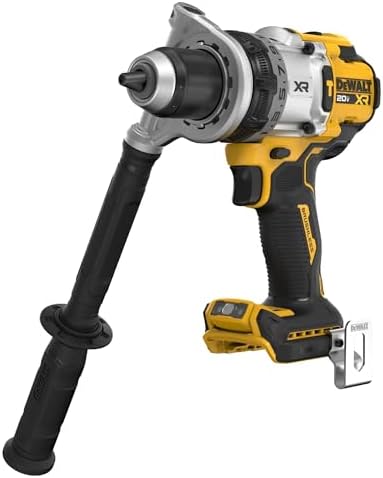
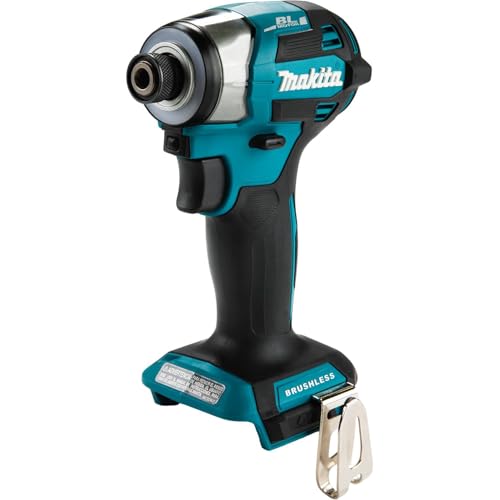
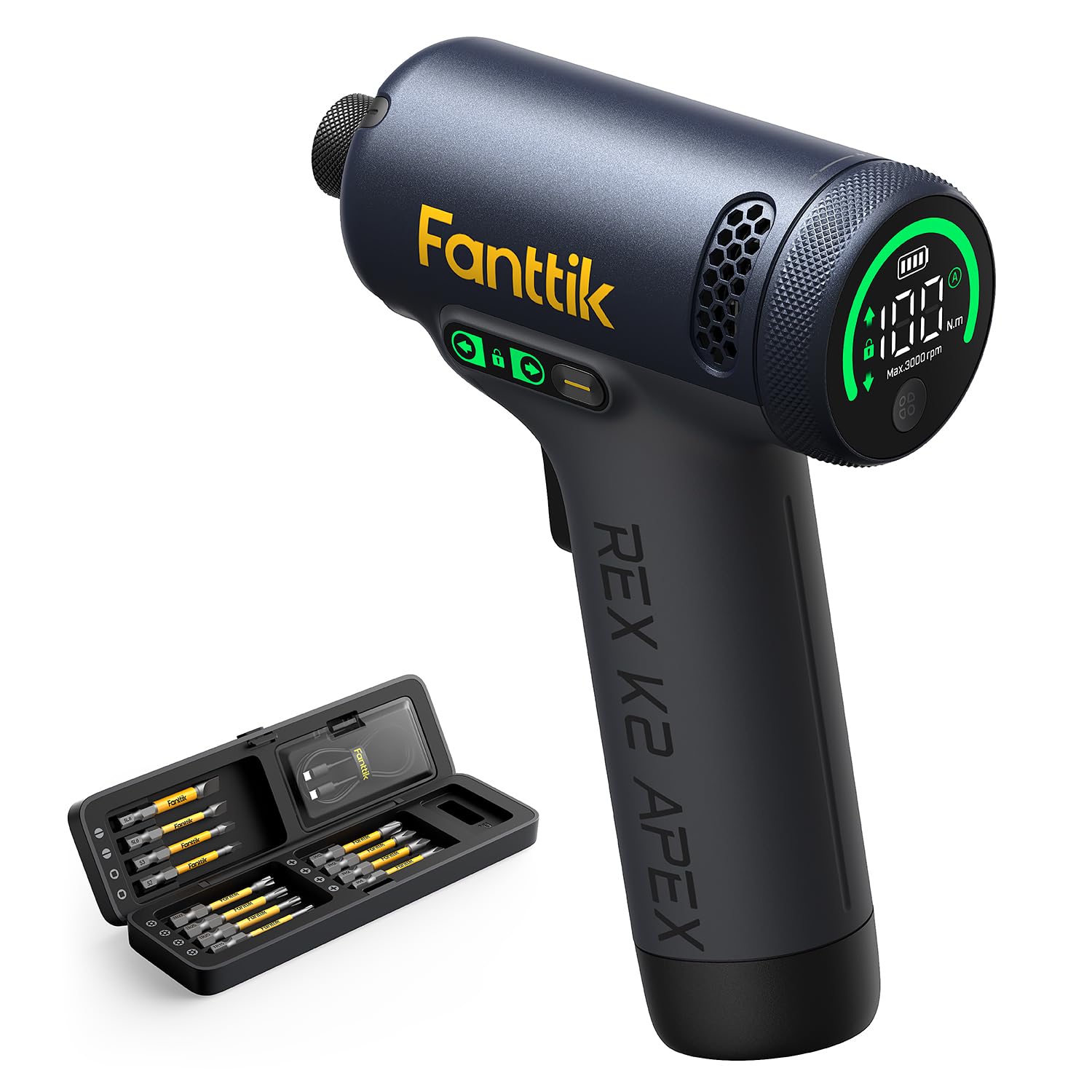
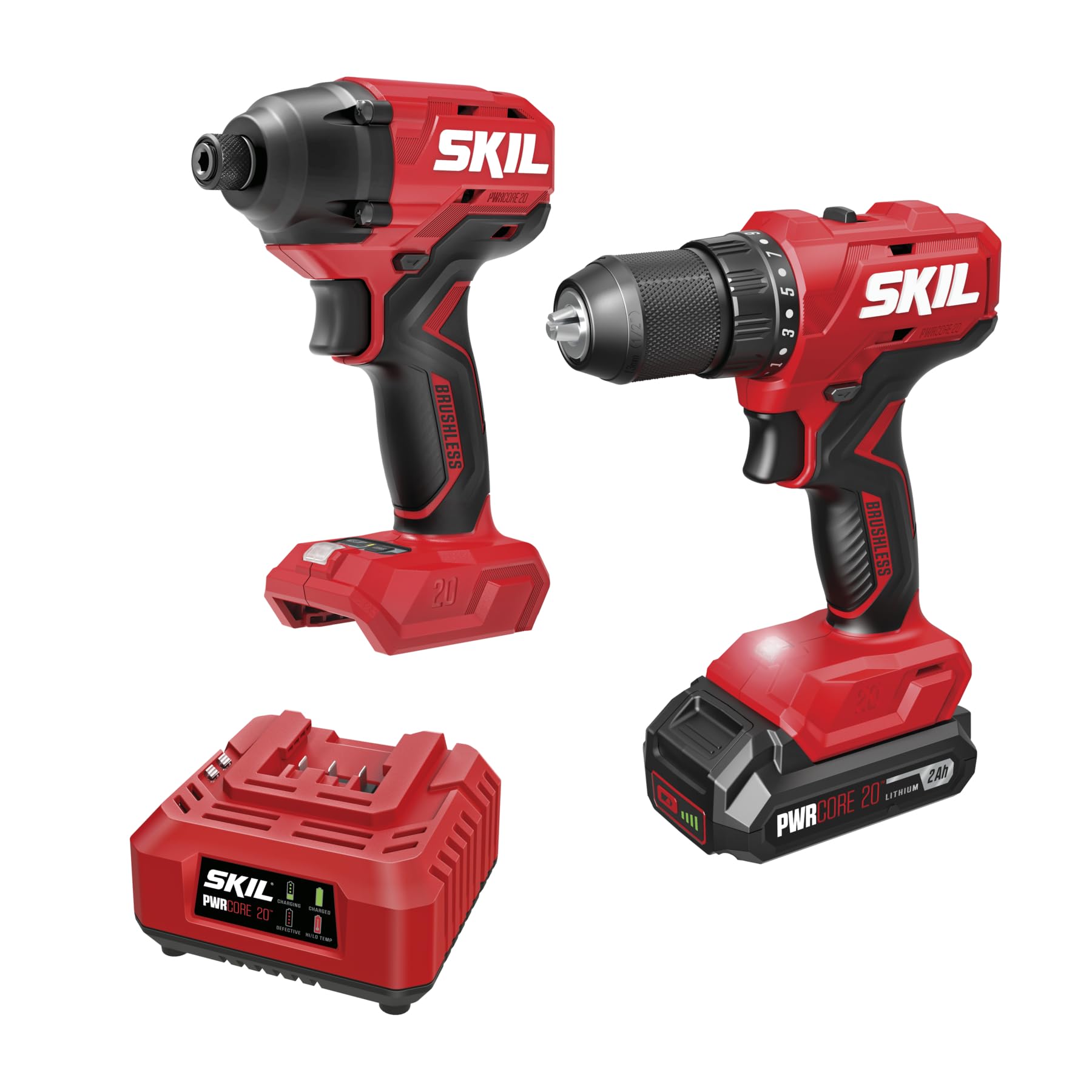
Choosing a best brushless impact driver sounds simple until you face a wall of voltage classes, torque figures, and battery platforms that all claim to do the same job. The motor type is only the starting point. What really separates one driver from another is how much power it delivers, how long it runs on a charge, and how it feels in your hand after an hour of driving screws. This guide compares the main types on power and performance, battery platform and runtime, and ergonomics and weight, so you can match a driver to your work. The product table above lists the drivers we compared, then read on for the details behind each spec. If you want the wider picture first, our overview of the best impact driver options covers brushed and brushless models side by side.




Types of Brushless Impact Drivers Compared
Brushless drivers fall into three broad types, and the right one depends on the size of your fasteners and the spaces you work in. None of them is best for everyone, so think about your typical jobs rather than the biggest numbers on the box. Keep that in mind as you look for the best brushless impact driver for your work.
Standard 18V and 20V Max Drivers
This is the default choice for most buyers and the type that handles deck building, framing hardware, and lag bolts without complaint. Full size brushless models in this class deliver the highest torque of the three types, enough for structural screws and most automotive fasteners short of wheel work. They weigh more than compact models, but the extra mass helps absorb reaction forces on large fasteners. If you only buy one driver, this class covers the widest range of jobs.
Compact and Sub Compact Drivers
Shorter bodies and lighter weight make this type the pick for cabinet work, flat pack furniture, electrical boxes, and any job inside a tight bay or between studs. Torque is lower, which still drives construction screws and machine bolts with ease. The shorter head length lets you work where a full size driver simply cannot fit. Shoppers who prize access over raw power should look at the best compact impact driver category before settling on a standard model.
12V Brushless Drivers
The smallest brushless drivers run on 12V battery platforms and suit light assembly, appliance repair, and hardware installation around the home. Expect the lowest torque of the three, fine for screws into studs and predrilled holes but slow going on long lag bolts. The payoff is a tool you can carry on a belt all day without fatigue. Homeowners whose projects stay light often find the best impact driver for home use in this class rather than in the heavier pro ranges.
The Criteria Behind This Guide
Every type above was judged on the same five factors, drawn from manufacturer specifications and verified buyer feedback. Power and performance come first, since a driver that stalls on your fasteners is useless no matter how light it feels. Battery platform and runtime matter because the battery you own today shapes what the tool costs you over its life. Ergonomics and weight decide whether you reach for the tool happily or leave it in the case. Durability and warranty round out the list, because brushless electronics cost more to replace than a set of motor brushes.
How to Choose the Right Impact Driver
Voltage Class and Tool Size
Voltage labels can mislead, since 18V and 20V Max describe the same class of battery under different naming rules. What matters more is the physical size of the driver and the torque it produces. Pick the smallest class that handles your largest regular fastener with room to spare. A homeowner driving 3 inch deck screws needs far less than a contractor setting structural lags daily. Oversizing adds weight and cost you feel on every job, while undersizing shows up as stalled screws and a hot motor.
Torque, Speed, and Impact Rate
Torque tells you the largest fastener a driver can seat, while no load speed and impacts per minute tell you how fast it works on small screws. Most brushless models offer two to four speed settings, and the lower settings matter more than buyers expect. Low speed prevents snapped screw heads, stripped threads, and fasteners driven clean through soft material. When you compare figures, remember that torque ratings come from manufacturer testing and vary by method, so treat small differences between brands as meaningless and look for a clear step up in class instead.
Battery Platform and Runtime
Your existing batteries should drive this decision more than any spec sheet. A brushless motor draws current more efficiently than a brushed one, so the same battery runs noticeably longer, especially under load. If you already own cordless tools from one platform, staying with it saves the cost of extra batteries and chargers. New buyers should weigh how many other tools share the platform, because a driver rarely stays your only cordless purchase. Battery capacity, listed in amp hours, sets runtime more than voltage does.
Features Worth Paying For
A few features earn their price, and the rest are decoration. Multiple speed modes plus a precision mode that stops when a fastener seats protect your work and your bits. A bright LED work light positioned at the base of the handle lights the screw without casting a shadow from the chuck. A 1/4 inch hex collet with one handed bit changes speeds up swaps on a ladder. Brushless models also pair well with smart battery gauges that show remaining charge. Skip bundled bit sets of unknown quality and buy good impact rated bits separately.
Accessories and Warranty
Plan on impact rated bits from the start, because standard drill bits shatter under repeated hammering. A belt hook and a bit holder on the tool body sound minor until you are working overhead. Warranty terms differ by brand and by whether the tool is sold as a bare tool or in a kit, so read the coverage length and whether it includes the battery. Keep your receipt and register the tool, since some brands extend coverage for registered purchases.
How Much Should You Spend?
Bare brushless drivers generally run about $80 to $180, while kits with two batteries and a charger land around $120 to $250. Spending more mainly buys torque, extra speed modes, and a tougher housing rather than a different kind of tool. Around $100 gets a solid compact kit for home projects. Around $150 to $200 covers full size models suited to daily trade work. If most of your driving is light assembly, the lower tiers will not hold you back, and the savings buy quality bits and spare batteries.
Brushless vs Brushed: Pros and Cons
A brushed motor uses carbon brushes that press against the spinning commutator, and that friction wastes energy as heat and wears the brushes down over time. A brushless motor replaces that contact with electronic controls that switch the magnetic field, so nothing rubs inside the motor. The practical results are longer runtime per charge, more torque from the same battery, a cooler running tool, and no brushes to replace. The trade off is price, since the control electronics cost more, and repairs usually mean swapping a board rather than a cheap wear part. For occasional light use a brushed driver still works, but anyone driving fasteners weekly will feel the brushless advantages quickly. If you are also weighing a different tool entirely, our breakdown of impact driver vs impact wrench explains where each one belongs.
Common Mistakes to Avoid
- Buying on torque alone and ending up with a heavy driver you avoid using for small jobs.
- Using standard drill bits that crack under impact, instead of impact rated bits with a torsion zone.
- Running every screw on the highest speed setting, which snaps heads and strips out soft wood.
- Mixing battery platforms across brands, so you end up maintaining several chargers and battery sizes.
- Treating an impact driver like a drill for delicate work, where it can crack tile or split trim without a clutch.
- Storing the tool in a damp garage with the battery attached, which corrodes contacts over time.
Care and Maintenance
Brushless drivers need little upkeep because there are no brushes to inspect or replace. Wipe dust from the cooling vents after dusty jobs, since blocked vents trap heat around the electronics. Clean the collet with a dry brush so bits seat fully, and store batteries at partial charge in a dry place away from freezing temperatures. Check the housing screws and belt hook for looseness every few months. If the tool starts cutting out under light loads or the collet wobbles, those are signs for a service visit rather than a home repair. For technique pointers that also extend tool life, see how to use an impact driver.
FAQ
Are brushless impact drivers worth the extra cost?
For most buyers, yes. The higher price buys longer runtime from each battery, stronger torque in a smaller body, and a motor with no brushes to wear out. The gap matters least if you drive a handful of screws a few times a year. It matters most when a single battery must last through a deck build or a day of hardware installs. Over the life of the tool, the runtime savings alone often closes the price gap.
How long does a brushless impact driver last?
The motor itself rarely sets the limit, because there is no brush wear. In practice, the switch, the electronic control board, and the batteries age first, and batteries typically lose noticeable capacity after a few years of regular charging. A homeowner can expect many years of service from the tool body. Keeping a second battery in rotation spreads the wear and keeps the driver useful long after a single battery would have faded.
Does a brushless impact driver need special bits?
Yes, and this catches many first time owners out. Impact rated bits use a softer steel blend and a narrowed torsion section that flexes under each hammer blow instead of snapping. Standard bits are harder and more brittle, so they can shatter and throw fragments. The bits also need a secure fit in the 1/4 inch hex collet. A wobbling bit is usually a worn or cheap bit, not a faulty tool.
Can a brushless impact driver remove lug nuts?
Smaller drivers usually cannot, and forcing the attempt overheats the motor. Lug nuts on passenger cars are often tightened to torque levels near the top of what a full size driver can break loose, with no margin for rust or over tightening at a shop. A compact or 12V model will simply stall. This is a job for an impact wrench or a breaker bar, and using the driver as a substitute shortens its life.
How do you clean a brushless impact driver?
Start with the battery removed. Blow out the vents and the collet area with dry compressed air or a soft brush, working from the motor housing outward so dust does not pack deeper inside. Wipe the housing with a cloth slightly dampened with water only, never solvents, which can soften the grip overmolding. Avoid opening the housing to clean inside, since the sealed electronics gain nothing from it and the warranty may not survive the attempt.
What size brushless impact driver do most homeowners need?
A compact 18V or 20V Max model covers nearly every home job, from hanging cabinets to building a fence gate, without the bulk of a full size pro driver. The exception is regular work with long lag bolts, where the standard class earns its weight. Homeowners torn between the two should also read how to choose an impact driver, which walks through fastener sizes in more detail.
Final Thoughts
Match the driver class to your largest regular fastener, let your battery platform narrow the field, and spend the savings on good impact rated bits. The product table above pulls the comparison together so you can check the key specs at a glance. Whichever class you pick, the best brushless impact driver for you is the one that runs longest on the batteries you own and feels balanced in your hand, not simply the one with the highest torque figure on the box.