
Best Brushless Cordless Drills (2026): Types and Buying Guide
Disclosure: We may earn a commission when you buy through links on this page, at no extra cost to you. As an Amazon Associate I earn from qualifying purchases. Learn more
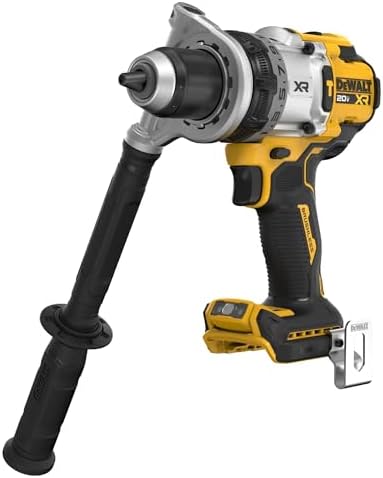
Compact, full size or hammer drill? Compare torque, chuck and batteries to find the best brushless cordless drill.
Choosing a cordless drill used to mean picking a voltage and hoping the battery lasted the weekend. Brushless motors changed that math, giving you more work from each charge and less upkeep over the life of the tool. This guide to the best brushless cordless drill options compares drills by the three styles worth buying, then walks through the specs that matter most.
Instead of ranking models, the guide groups brushless drills into compact, full size, and hammer drill styles, and explains how torque, chuck size, and battery platform affect daily use. Our overview of the best cordless drill choices gives useful background. Check the product table above, then read the style that matches your projects.

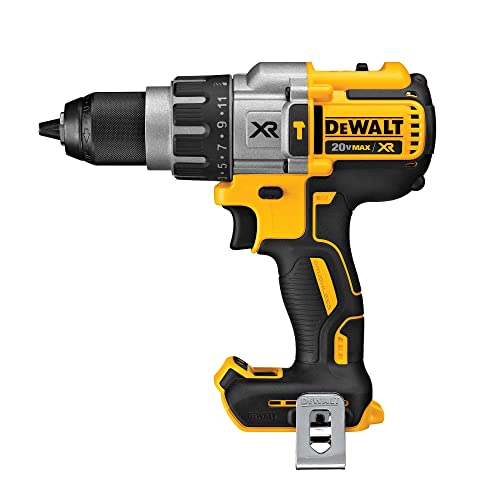


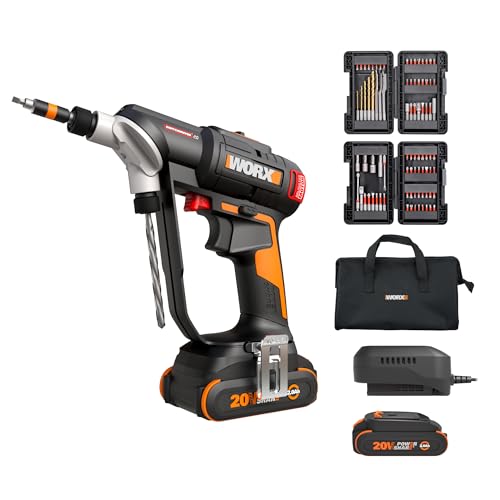
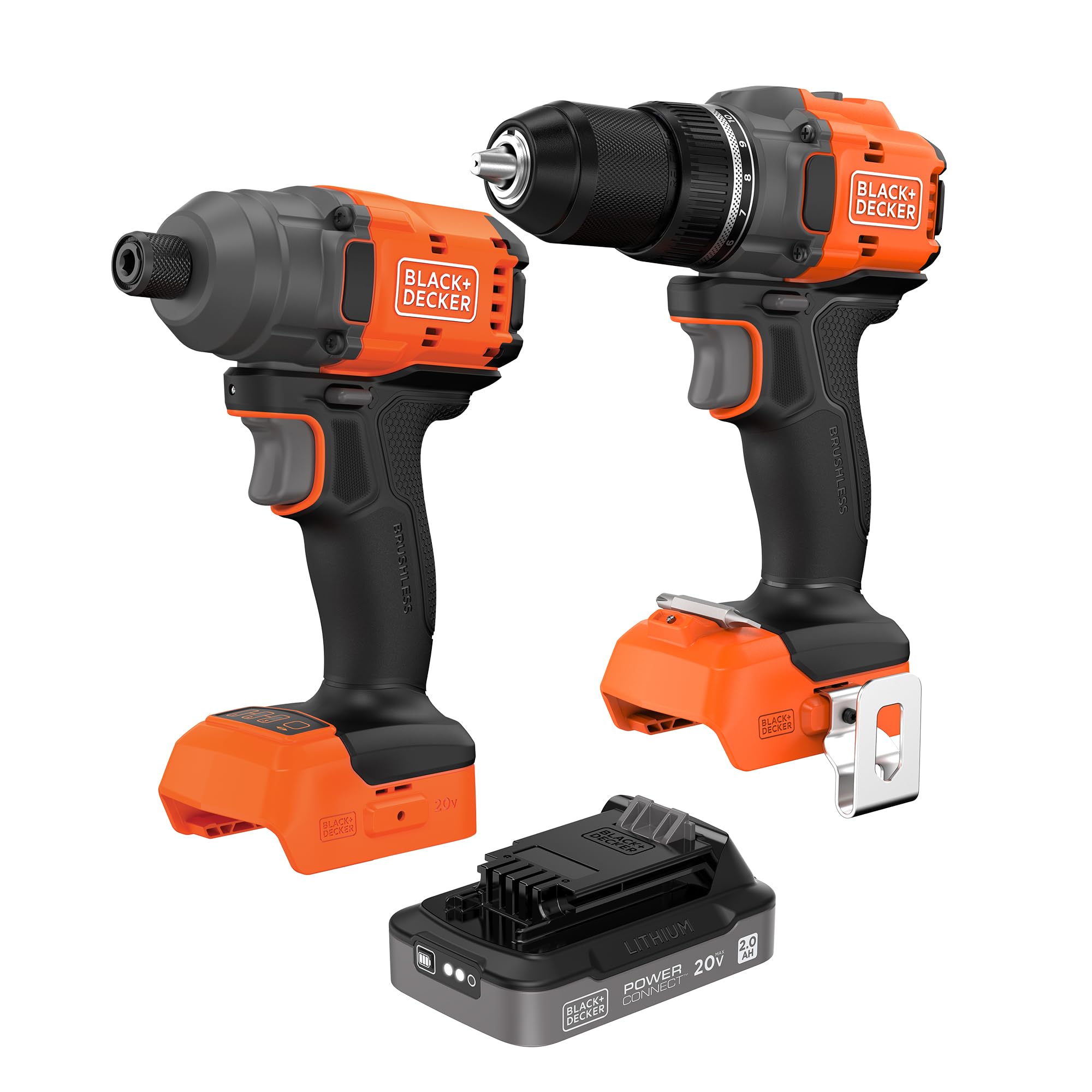
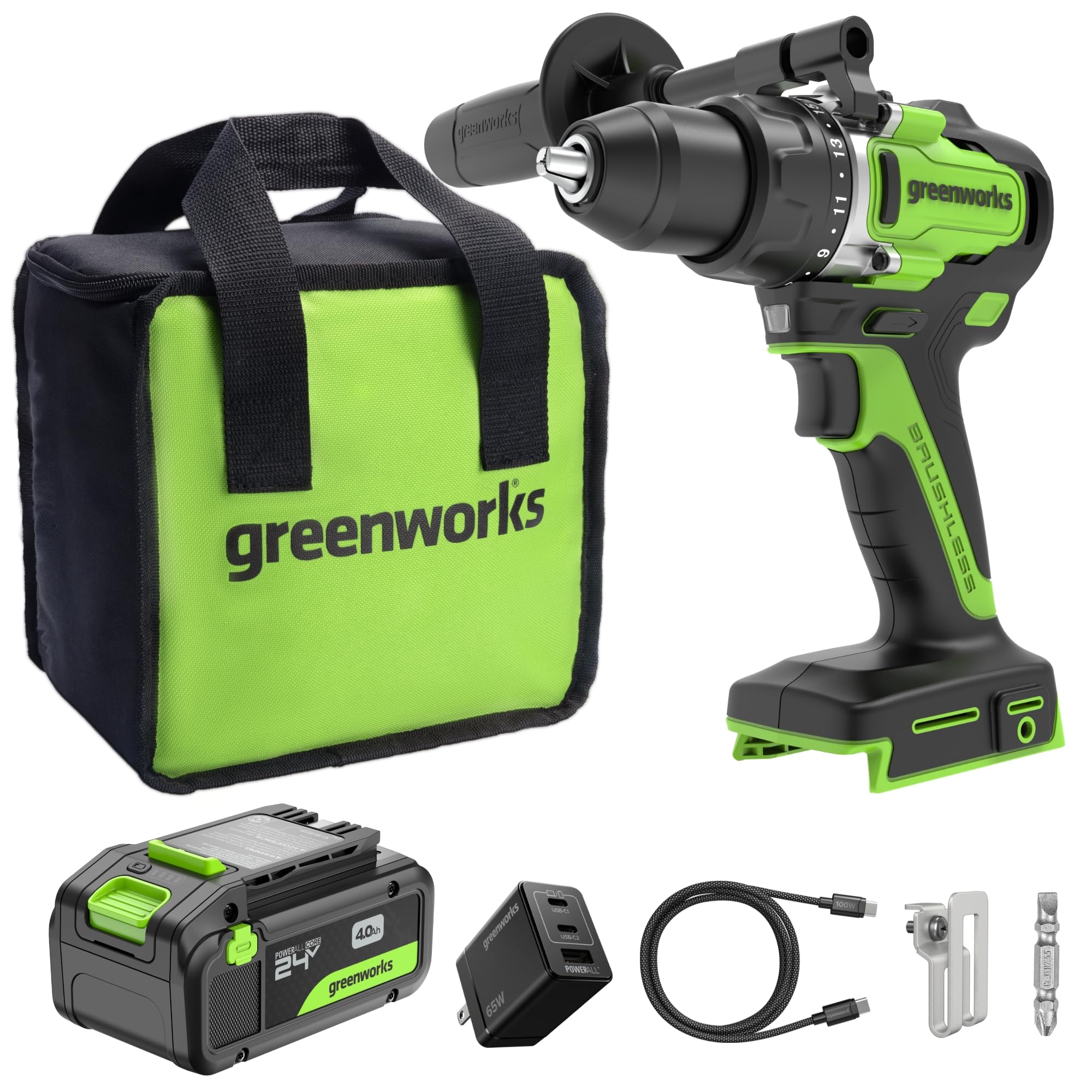

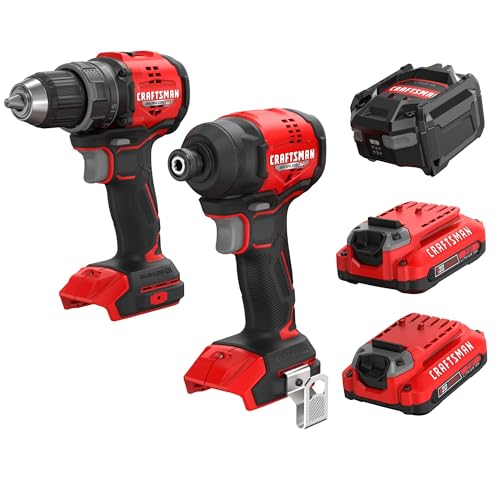
Three Brushless Drill Styles Compared
Brushless drills fall into three broad styles, and the right one depends on the holes you drill and the fasteners you drive. Each style uses the same efficient motor design, but size, gearing, and chuck capacity differ. Match the style to your hardest regular task.
Compact Brushless Drills for Home Work
Compact brushless drills have a short head length and a lighter body, so they fit inside cabinets and between joists where a larger tool cannot sit square to the work. Most use a 12 volt or compact 18 volt or 20 volt max battery and a three eighths inch or half inch chuck. Torque is lower than on full size models, yet it covers flat pack furniture, shelving, and curtain hardware with ease. If most of your projects happen indoors, our guide to the best cordless drill for home use explains the household tasks that matter most.
Full Size Brushless Drill Drivers for Mixed Work
A full size brushless drill driver is the general purpose choice for readers who drill in timber, fit hardware, and drive long screws in the same afternoon. A half inch metal chuck grips larger bits securely, and a two speed gearbox lets you trade speed for torque when a hole saw or a large auger bit starts to bind. Weight sits in the middle of the range, and most models add a side handle option on higher torque versions. This is the style to buy if one drill has to cover the house, the yard, and the workshop.
Brushless Hammer Drills for Masonry Tasks
A hammer drill adds a rapid pulsing action behind the chuck, and that action helps a masonry bit chew into brick, block, and poured concrete. In drill only mode it behaves like a standard drill driver, so you are not giving up everyday function to gain the masonry setting. The trade off is extra weight and a longer body. Shoppers who mount fixtures into brick or concrete on a regular basis should read our guide to the best hammer cordless drill before deciding, since bit choice and dust control matter as much as motor power for clean holes in masonry.
How We Chose the Criteria in This Guide
This guide is built on criteria buyers can verify on a spec sheet and feel in the hand: power and performance, battery platform and runtime, ergonomics and weight, durability, and warranty support. We weighed published torque figures, chuck size, gearbox speeds, and battery options from manufacturer documentation. The goal is a short list of checks you can apply to any brushless drill, whichever platform you choose.
How to Choose the Right Cordless Drill
Start with the work, not the wattage. List the largest hole you expect to drill, the material you drill most often, and how long a typical session lasts. Those three answers point you toward a style, a chuck size, and a battery capacity. If you have never owned a drill, our walkthrough on how to use a cordless drill covers grip, clutch settings, and safe bit changes before you buy.
Type
Type decides what the drill can do before any spec matters. A drill driver handles holes and screws in wood, metal, and plastic, and it is the only type most households need. A hammer drill adds the masonry mode described above, while a right angle drill uses a low profile head for holes inside cabinets and between studs where a standard body cannot fit. Voltage class matters too: 12 volt tools favor light tasks and low weight, 18 volt and 20 volt max tools cover general work, and higher voltage lines target demanding trade use. Pick the type by material first, then by voltage.
Features Worth Paying For
A few features repay their cost every time you pick the tool up. A metal ratcheting chuck holds bits without slipping, a two speed gearbox covers both fast pilot holes and slow power driving, and a clear clutch with enough settings stops screws before they snap or sink through soft material. A bright work light aimed at the chuck helps in cabinets and closets. A bundled second battery matters more than most extras, since you can keep working while the first pack charges. If you also drive many long fasteners, read our explainer on drill vs impact driver to see why the two tools pair so well in one kit.
Cordless vs Corded
Cordless drills win on freedom: no cable to drag across a roof or a crowded bench, and no search for an outlet in a half finished room. Modern brushless models close most of the power gap for drilling and driving, so the corded tool now shines mainly in one niche, namely long sessions of large holes in thick material where a battery swap every hour becomes a nuisance. For everyone else, the convenience of cordless outweighs the limit, and spare packs erase most of the downtime.
Battery Platform and Runtime
A drill is only one piece of a battery platform, and the platform often matters more than the drill itself. Once you own two or three packs and a charger, every later tool on that same platform costs less because you can buy it without a battery. Capacity, listed in amp hours, sets runtime: compact packs around 2 Ah keep weight down for overhead work, while packs around 4 Ah to 5 Ah suit long drilling sessions. Packs are not interchangeable across brands, so choose a platform with the other tools you plan to own.
Brushless Motors Explained
A brushed motor uses physical carbon brushes to deliver power, and those brushes wear down and create friction and heat. A brushless motor replaces them with electronic controls that sense load and feed power only as needed. That change brings three practical gains: more runtime from the same battery, stronger torque in a smaller body, and no brushes to replace as the tool ages. The motor also runs cooler under load, which helps during long drilling sessions. Brushless drills cost more at purchase, but the efficiency and the longer service life are why they have become the default choice for new buyers.
Accessories and Warranty
Plan for the accessories that turn a drill into a working setup. A basic drill bit set for wood and metal, masonry bits if you chose a hammer drill, and a magnetic bit holder cover most household work. A sturdy case protects the tool in a vehicle and keeps the charger and packs together. On warranty, compare the tool warranty and the battery warranty separately, since packs often carry a shorter term. Keep your receipt and register the tool if the maker asks.
How Much Should You Spend?
Bare brushless drills, sold without a battery, often cost about $80 to $150, which makes them a smart buy when you already own packs on that platform. Complete kits with one or two batteries and a charger usually run about $120 to $250, and higher torque hammer drill kits can reach about $300. Spending more buys metal chucks, higher torque, and larger batteries rather than a different kind of tool. Readers hunting value should start with our roundup of the best budget cordless drill options, since kit pricing shifts with the season.
Brushless vs Other Cordless Drills: Pros and Cons
The case for brushless rests on efficiency. You get more holes per charge, a smaller and lighter tool for the same output, and a motor with no brushes to service. Against that, brushless models carry a higher price, and their electronics make repair a job for a service center rather than a simple parts swap at home.
Brushed drills still make sense in narrow cases. If a drill will see only a few weekends of light use each year, a brushed kit at a low price can be the sensible spend. But for anyone drilling weekly, building furniture, or working overhead where weight and runtime decide how the day feels, the brushless design is the stronger default.
Common Mistakes to Avoid
- Buying by voltage alone, which ignores torque, chuck size, and weight, the specs you actually feel in use.
- Choosing a hammer drill for wood only projects, then carrying extra weight on every task for a mode you never switch on.
- Starting on the highest clutch setting, which snaps small screws and strips soft material before you learn the range.
- Running a standard twist bit into concrete, which dulls the bit quickly and leaves a ragged hole that anchors cannot grip.
- Storing batteries fully drained in a cold garage, which shortens pack life far faster than normal use does.
- Skipping the side handle on large bits, so a sudden bind twists the drill in your hands instead of bracing against your arm.
FAQ
What is the best brushless cordless drill?
The right answer depends on your hardest regular task. Compact models suit indoor repairs and cabinet work, full size drill drivers cover mixed drilling and driving, and hammer drills add masonry work. Judge any candidate on chuck size, torque, weight with the battery fitted, and the platform behind it. A drill that balances well in your hand and shares packs with tools you plan to own will serve you better than the model with the largest number on the box.
Are brushless cordless drills worth it?
For regular users, yes, because the premium buys runtime and longevity rather than a cosmetic badge. You drill more holes per charge, the tool runs cooler under load, and there are no brushes to wear out. The math is weaker for a drill that comes out twice a year for picture hanging, since a brushed kit costs less and does that job fine. Think in hours of use per month: the more hours you log, the faster the brushless upgrade pays for itself in convenience and in delayed replacement.
How long does a cordless drill last?
A brushless drill body often serves for many years of home use, since the motor has no brushes to consume. Batteries are the shorter lived part, and most packs deliver strong service for about three to five years before capacity fades noticeably. Storing packs partly charged, indoors, and away from heat helps them last. When runtime falls, replacing a pack usually restores the tool, so budget for batteries rather than a whole new drill.
Is a cordless drill worth it compared with a corded drill?
For most homes, yes, since the freedom to work anywhere in the house or yard outweighs the runtime limit for typical projects. Corded drills keep an edge only for hours of continuous large hole drilling, where endless power matters more than mobility. A useful middle path is owning one cordless drill for daily work and renting a corded tool for a rare heavy session.
How do you clean a cordless drill?
Remove the battery first, then blow dust from the vents and chuck with dry air or wipe the body with a slightly damp cloth. Clear packed sawdust from the chuck jaws with an old toothbrush, and add a drop of light machine oil to the chuck if its maker recommends it. Never soak the tool or use solvents on the housing. Cleaning after dusty jobs matters most, since fine dust drawn into the vents shortens motor and switch life.
Final Thoughts
Pick the style first, then the platform, then the individual specs, and the decision gets simple. Compact drills reward indoor work, full size models cover the widest range, and hammer drills earn their weight when masonry is on your list. Check the product table above against those priorities, and choose the best brushless cordless drill that fits your hand, your materials, and the batteries you want to build on for years.


