Best Budget Cordless Drills in 2026: Types Compared and Buying Guide
Disclosure: We may earn a commission when you buy through links on this page, at no extra cost to you. As an Amazon Associate I earn from qualifying purchases. Learn more

Choose the best budget cordless drill by torque, battery platform and runtime, with price tiers for renters, weekend DIY builders and homeowners.
Cheap drills can feel like a gamble. One model stalls in a stud, another dies halfway through a shelf build, and a third uses a battery that fits nothing else you own. A good best budget cordless drill avoids all three traps, and you do not need to spend a lot to get there. What matters is matching power, battery platform, and size to the jobs you actually do around the house.
This guide compares drill types instead of pushing specific models, so you can judge any deal you find. We look at torque, runtime, chuck size, weight, and price tiers, and the comparison table below sums up the main types side by side.



Who Should Buy a Budget Cordless Drill?
Apartment Renters and New Homeowners
You need a drill for hanging curtains, assembling flat pack furniture, mounting a TV bracket, and tightening loose hardware. None of that asks for huge torque, so a modest drill driver with two speed settings and one or two small batteries covers your list easily.
Weekend DIY Builders
You build planters, repair fences, and drill pilot holes in lumber most weekends. You will notice weak runtime and slow charging more than a renter would, so look for a kit with two batteries and a charger that refills a pack in about an hour. Our guide to the best cordless drill explains how step up models compare when your projects outgrow an entry level tool.
Homeowners Tackling Occasional Masonry
You mostly drill wood and metal, but a few times a year you need anchors in brick or concrete block for shelving or a hose reel. A standard drill driver will struggle there. A budget model with a hammer mode gives you that option without buying a separate tool, and the best hammer cordless drill guide covers heavier duty choices if masonry becomes a regular job.
Budget Drill Types Compared
Budget drills fall into a few clear types, and picking the right type matters more than chasing small spec differences. A 12 volt drill is the smallest option. It is light, easy to control in tight spaces, and strong enough for furniture assembly and light drilling.
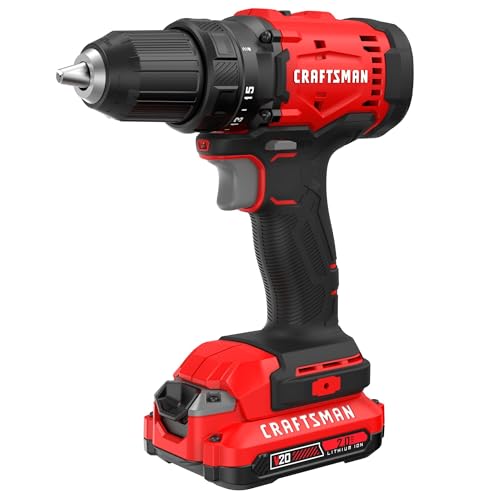
Drills in the 18 volt and 20 volt class are the mainstream choice. Packs labeled 20 volt max and packs labeled 18 volt sit in the same general class, and the label mostly reflects how the maker rates peak voltage. These drills handle deck repairs, stud drilling, and most home projects. If small size is your top priority, the best compact cordless drill roundup focuses on short body models that still use full size batteries.
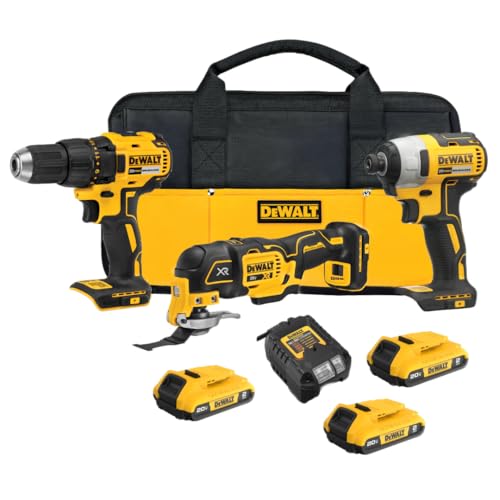
A hammer drill adds a pulsing action behind the chuck for masonry work, while a combo kit pairs a drill driver with a second tool, often an impact driver, plus shared batteries. If you are unsure where driving ends and impacting begins, read drill vs impact driver before paying extra for a kit.
Key Features to Compare
Power and Torque
Torque is the twisting force that decides whether a bit keeps turning in dense material or stalls. Budget drills state it in inch pounds, and higher numbers generally mean easier work in hardwood and with larger bits. Raw torque is not the whole story, though. A drill with a low gear range turns that force into control for big bits, while a model with only one fast gear can feel weak even with a similar rating.
Battery Platform and Runtime
The battery platform is the most important long term choice in a budget kit, because batteries and chargers usually cost more over time than the drill itself. Once you own packs from one platform, every extra bare tool on that platform gets cheaper to run. Runtime depends on amp hours. Small packs around 1.5 to 2 amp hours suit light work and keep weight down, while packs around 4 amp hours run far longer between charges but add bulk.
Chuck Size and Speed Settings
Most budget drills use a keyless chuck you tighten by hand. A 3/8 inch chuck covers common bit shanks and keeps the tool small, while a 1/2 inch chuck accepts larger bits, hole saws, and mixing paddles for paint or thinset in small batches. Speed settings matter just as much. Low range gives torque and control for driving screws and drilling metal, and high range spins fast for clean holes in wood and plastic.
Size, Weight, and Grip
A drill you hold overhead or inside a cabinet should feel balanced, not nose heavy. Shorter head length helps you drill straight in tight bays between studs, and a slim grip suits smaller hands during long assembly sessions. Weight figures on listings sometimes exclude the battery, so compare drills with the pack fitted when you can. An LED work light near the base sounds minor, yet it genuinely helps inside dark cabinets and closets. For whole house project lists, the best cordless drill for home use guide weighs comfort factors like these in more depth.
Brushless Versus Brushed Motors
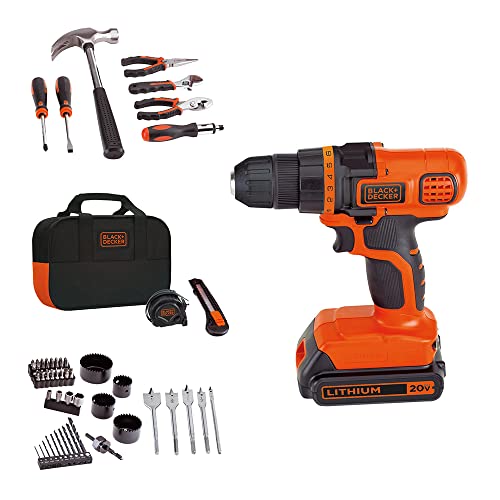
Brushed motors are the older, cheaper design, and they keep many budget kits affordable. Brushless motors cost more but usually deliver more work per charge and tend to run cooler under load, and they have no brushes to wear out. At the budget end, the practical choice is simple. If a brushless model and a brushed model sit at a similar price with similar batteries included, the brushless one is usually the better value. If the brushless option forces you down to a single tiny battery, the brushed kit with two packs may serve you better day to day.
Clutch Settings and Extras
The adjustable clutch limits torque when you drive screws, so you stop sinking them too deep or snapping small hardware. Most budget drills offer about 15 to 25 positions plus a drill setting that bypasses the clutch for full power. More positions give finer control for delicate work like cabinet hinges. Useful extras include a belt hook, a bit holder on the tool, and a battery fuel gauge.
How Much Should You Spend?
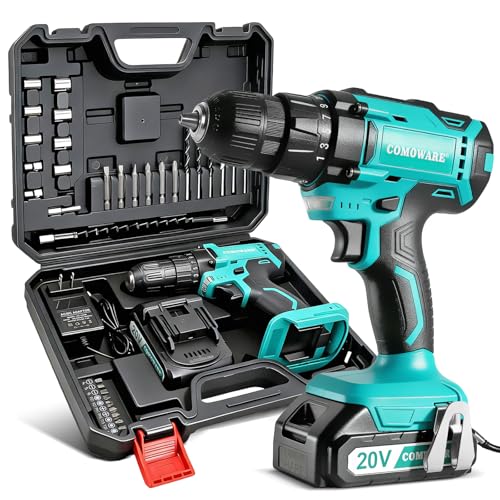
Price tiers in this category buy clear differences. Under about $50, expect a basic 12 volt or small drill driver meant for assembly and light drilling, often with one battery. Treat these as occasional use tools, not renovation tools. Around $50 to $100 is where most homeowners should shop. Kits here commonly add a second battery, a faster charger, a two speed gearbox, and a 1/2 inch chuck.
Around $100 to $150 usually buys a brushless motor, larger batteries, or a hammer mode, and combo kits with an impact driver start appearing on sale in this band. Around $150 to $200 moves you toward stronger platforms with bigger packs and longer warranties.
Budget Versus Other Cordless Drills: Pros and Cons
The case for a budget model is strong for most homes. You pay far less, the tool weighs less, and for drilling and driving around the house you rarely feel the gap versus a pro grade drill.
The trade offs are real, though. Budget drills tend to use more plastic in the housing and chuck, charge more slowly, and bog down sooner in long runs of large holes. Warranties are often shorter, and a corded drill still wins for nonstop heavy drilling since it never needs a charged pack. If your work is daily or on a job site, stepping up makes sense. If your drill lives in a closet between weekend projects, budget tiers cover nearly everything you will ask of them.
Common Mistakes to Avoid
- Buying on voltage alone: a bigger voltage label does not guarantee more torque, so you may pay extra and still stall in dense lumber.
- Ignoring the battery platform: a bargain drill with orphan batteries locks you into pricey packs and limits every future bare tool purchase.
- Skipping the second battery: a single pack kit stops every job cold when it runs flat, right when you are halfway through.
- Using drill mode for screws: bypassing the clutch sinks screws too deep and can snap small screws or crack trim.
- Drilling masonry without hammer mode: a standard chuck setting just polishes the bit and overheats it, leaving you with a shallow, dusty hole.
- Storing batteries fully flat: packs left empty for months can lose capacity or refuse a charge when you need them again.
How to Make Your Budget Drill Last Longer
Care for a budget drill is simple, and it protects the parts that wear first. Let the tool do the work instead of leaning your full weight on it, and back the bit out of deep holes now and then to clear chips and cut heat. Heat is the main enemy of both bits and batteries, so pause during long runs and swap in a fresh pack rather than forcing a hot one to finish.
Store batteries indoors at room temperature with a partial to full charge, and keep them off cold concrete floors in winter. Wipe grit off the chuck jaws so they grip evenly, and check that the chuck runs true after any drop onto concrete. If you are still building basic technique, how to use a cordless drill walks through grip, speed choice, and safe bit changes step by step.
FAQ
What is the best budget cordless drill for a first home?
For a first home, the sweet spot is a two speed drill driver in the 18 volt or 20 volt class with a 1/2 inch chuck and two batteries included. That setup handles furniture, shelving, and light repairs without a second purchase. Add a basic bit and driver set at the same time, since many budget kits ship with few or no bits, and your first project should not wait on accessories.
Are budget cordless drills worth it for renovations?
They are worth it for light renovation work like hanging drywall patches, building closet shelving, and drilling occasional studs. The limit is pace, not capability. A budget drill needs more pauses and more battery swaps during long runs of large holes. If you plan a full kitchen gut or a big deck, renting a heavier tool for the heaviest days costs less than upgrading your whole kit for one project.
How long does a budget cordless drill battery last?
Battery life has two meanings. Per charge, a small pack may drive screws for an hour or two of steady work, while a large pack can stretch across a full day of light tasks. Over years, lithium packs slowly lose capacity with age and charge cycles. Storing packs indoors, away from heat, and not leaving them on the charger for weeks at a time helps them hold useful capacity for several years of home use.
How do you clean a cordless drill?
Unplug the charger and remove the battery first. Brush dust out of the motor vents with a soft, dry brush, and wipe the housing and grip with a slightly damp cloth, never a soaking one. Clear packed sawdust from the chuck jaws with a dry toothbrush so bits seat straight. Avoid blowing compressed air deep into the vents, since that can push fine dust further into the motor housing.
What should you check before buying a budget drill on sale?
Check what the sale kit actually includes before you judge the price. Some low prices are for a bare tool with no battery and no charger, which is only a bargain if you already own that platform. Also confirm the return window, the warranty length, and whether replacement batteries for that platform are easy to find, because a drill is only cheap if its packs stay available and affordable.
Final Thoughts
The right best budget cordless drill is the one whose battery platform, chuck size, and weight fit the projects on your list, not the one with the loudest box claims. Spend most of your money on two decent batteries and a two speed gearbox, keep expectations in line with the price tier, and a budget drill will handle years of home projects. Use the product table above to compare types against your budget before you order, and check that the kit you pick includes the charger and packs you counted on.