Best Brushless Circular Saws (2026): Types and Buying Guide
Disclosure: We may earn a commission when you buy through links on this page, at no extra cost to you. As an Amazon Associate I earn from qualifying purchases. Learn more

Compare blade size, battery platform and weight to find the best brushless circular saw for your projects.
A brushless circular saw looks like a standard cordless saw, yet its motor design changes how it uses battery power, how it holds speed in thick stock, and how long it should serve you. Shop by headline specs alone and you can pay for power you cannot use. The best brushless circular saw for you matches your material, your battery platform, and the way you work.
This guide compares saw types by power and performance, battery platform and runtime, and ergonomics and weight. The product table above lists the saws we compared, and if you want the wider category view first, see our guide to the best circular saw.


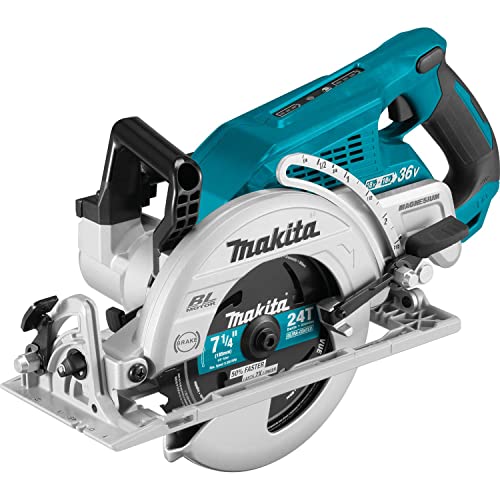
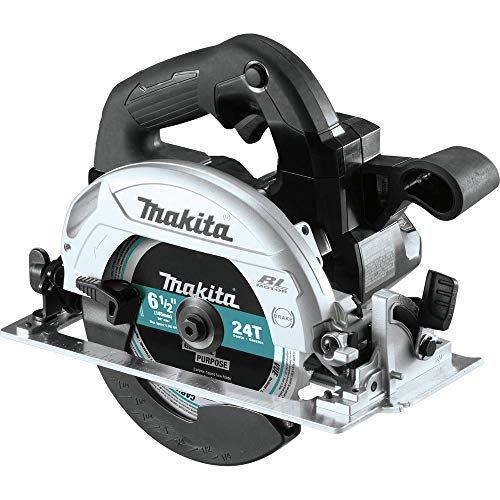
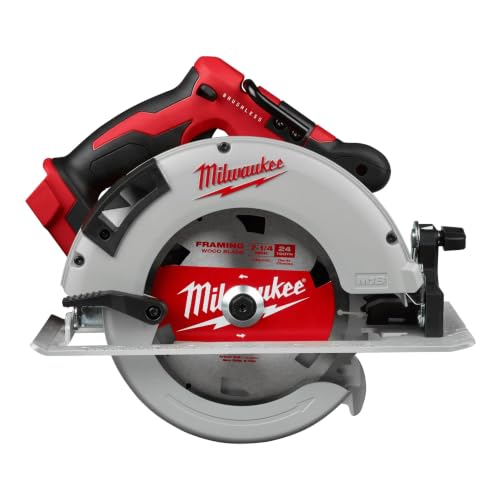

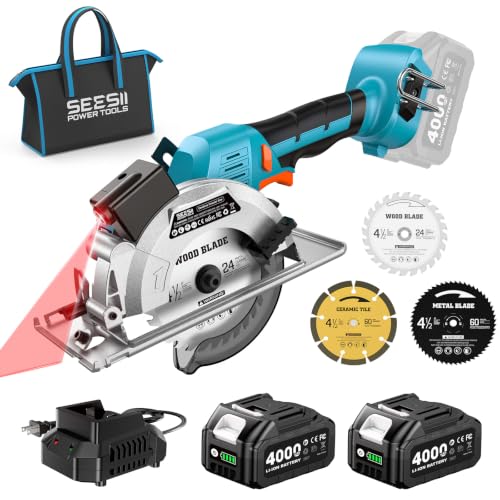
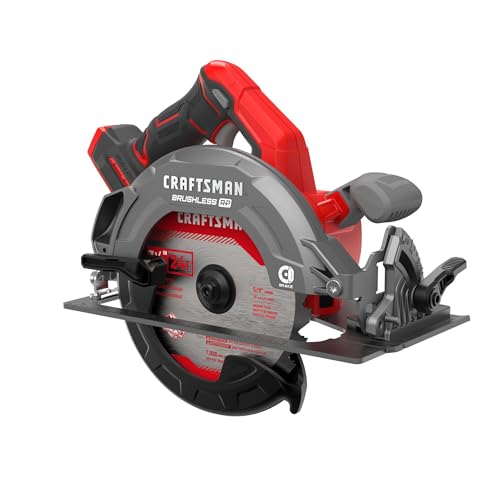
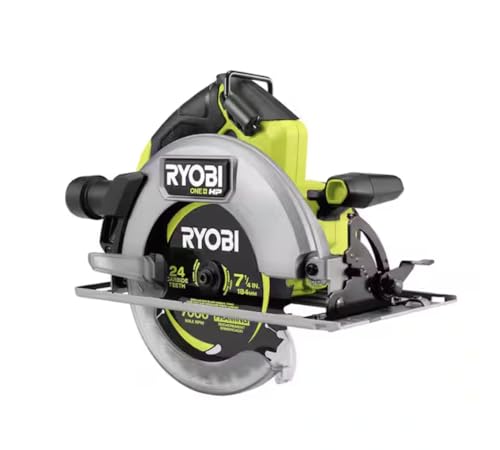
Brushless Saw Types at a Glance
Three broad types cover nearly every buyer. They share brushless motors, but differ in blade size, weight, torque delivery, and the cuts they handle best.
- Full size sidewinder models use a 7 1/4 inch blade and suit general construction, deck work, and sheet goods. The motor sits beside the blade, which keeps the saw shorter and lighter.
- Compact models use a 6 1/2 inch blade, weigh less, and fit work in tight bays, on ladders, and above shoulder height.
- Worm drive style models place the motor behind the blade, deliver strong torque, and track well through long rips in thick lumber.
Blade size is the quickest filter. A 7 1/4 inch blade cuts deeper in one pass, while a 6 1/2 inch blade trades depth for a saw you can guide with one hand.
Brushless Circular Saw Types Compared
Full Size Sidewinder Models for General Work
This is the default choice for most buyers. A 7 1/4 inch blade cuts dimensional lumber at a 90 degree angle and still leaves depth for bevel cuts in the same stock. The sidewinder layout keeps the body compact, so the saw feels nimble on sheet goods. Power delivery suits framing, deck boards, plywood, and trim work in one tool. Choose this type if you own one saw and expect it to handle almost everything. Its main limit is torque in wet or dense lumber, where a worm drive style saw pulls ahead.
Compact Models for Tight Spaces and Overhead Work
A compact brushless saw trades cutting depth for control. With a 6 1/2 inch blade it still severs most sheet goods and thinner lumber in one pass, but thick beams may need two passes or a different tool. The payoff is lower weight, a shorter body that fits between studs, and less arm fatigue during overhead cuts. Renovators, cabinet installers, and anyone working from a ladder often value that control more than raw depth. If small size is your top priority, compare the options in our guide to the best mini circular saw.
Worm Drive Style Models for Heavy Framing
Worm drive style saws put the motor in line behind the blade and use gears to produce strong, steady torque. That layout shines in long rips, stacked sheet goods, and wet lumber that would slow a lighter saw. The body is longer and heavier, and the blade usually sits on the left, which many right handed users like for a clear view of the cut line. Framers who cut all day often accept the extra weight for the pulling power. To see dedicated options, read our guide to the best worm drive circular saw.
How to Evaluate a Brushless Circular Saw
Judge every candidate against the same five criteria, in this order. Start with power and performance, meaning blade speed under load and the depth of cut you actually get. Next comes battery platform and runtime, then ergonomics and weight, then durability, and finally warranty terms. Base your judgment on maker specifications and on the pattern of verified buyer reports about runtime, guard function, and base plate accuracy.
How to Choose the Right Circular Saw
Size and Form Factor
Match blade size to the thickest stock you cut often, not to a rare worst case. A 6 1/2 inch blade handles plywood, flooring, and most boards, while a 7 1/4 inch blade adds the depth needed for thick lumber at a bevel. Mini and compact bodies reduce fatigue and fit confined framing bays, though their shallow depth limits beam work. Worm drive bodies stretch longer, which helps the saw track straight on long cuts but can feel awkward in a cramped loft.
Type
Your main choice is cordless or corded, and then sidewinder or worm drive within each group. Cordless brushless models dominate new sales because they pair strong power with freedom from a cord. Track saws are a separate tool class built for guided, splinter free edges on sheet goods, and our comparison of circular saw vs track saw explains when that upgrade makes sense. Compact saws serve as a second tool for many owners rather than the only saw. Decide which role the saw fills in your kit before you compare specs.
Features Worth Paying For
A few features earn their cost on almost every job. An electric brake stops the blade quickly once you release the trigger, which matters when you set the saw down between cuts. A dust port or blower keeps the cut line visible, and a rafter hook saves you from resting the saw on its guard. A laser guide can help new users start a cut on the line, but a clear sight notch matters more in bright sun. A rip fence earns its place if you rip narrow strips often.
Cordless and Corded Power
Cordless brushless saws now match corded models for most cutting, and they remove the cord drag that can pull a saw off its line at the end of a long panel. Corded power still suits long sessions of heavy ripping at a fixed bench, where battery swaps slow you down. If your work sits in that second group, our guide to the best corded circular saw covers the leading style choices. For everyone else, cordless convenience usually wins.
Battery Platform
Your existing batteries may be the strongest reason to pick one saw over another. A brushless saw on a platform you already own costs less to run, since you can buy the bare tool and share packs across your other tools. Check the amp hour rating of your packs, because a compact pack that works fine in a drill can fade fast in a saw under load. Larger packs extend runtime and hold speed better in thick stock.
How a Brushless Motor Helps You
A brushed motor uses physical carbon brushes that wear down and waste energy as heat and friction. A brushless motor replaces them with electronic control that adjusts power delivery in response to load. You feel the difference as steadier blade speed when the cut gets hard, longer runtime from the same pack, and a motor with no brushes to replace. The trade off is price, since the electronics cost more to build. For a saw you use weekly, the runtime and service life gains usually repay that premium.
Accessories and Warranty
Budget for the extras that make the saw useful on day one. A fine tooth blade for plywood, a framing blade for lumber, and a case or bag can add about $40 to $90 to your total. Check what the box includes, since some bare tools ship with only a general purpose blade. Warranty length varies by maker, and bare tool purchases sometimes carry different terms than full kits. Keep your receipt, because warranty claims usually need proof of purchase.
How Much Should You Spend?
Bare brushless saws under $100 are usually compact models with modest depth, suited to light duty cutting. The about $100 to $200 band holds most full size sidewinder saws and gives you the best balance of power, features, and build for home and site work. Above about $200 you pay for worm drive style torque, higher capacity kits with large batteries, or pro grade durability and longer warranties. Kits that bundle two large packs and a rapid charger often beat bare tool prices once you add the cost of batteries you would otherwise buy alone.
Brushless and Other Circular Saws: Strengths and Limits
Against a brushed cordless saw, a brushless model runs longer per charge, holds speed better in dense stock, and removes brush replacement from your maintenance list. Against a corded saw, it trades unlimited runtime for mobility and a work area with no cord to manage. The honest limits are price and platform lock in. You pay more up front, and your saw is only as useful as the battery system behind it. If you cut rarely and own no cordless tools at all, a corded saw can still be the smarter value.
- Strengths: longer runtime per charge, steady speed under load, fewer wear parts, cooler running motor.
- Limits: higher purchase price, dependence on one battery platform, runtime caps on long heavy ripping days.
FAQ
What is the best brushless circular saw for most buyers?
For most buyers it is a full size 7 1/4 inch sidewinder model on a battery platform you already own. That mix covers framing, sheet goods, and deck work in one tool. One point buyers often miss is blade position. A blade on the left gives right handed users a clearer view of the line, so check which side the blade sits on before you buy, since makers offer both layouts.
Are brushless circular saws worth the extra cost?
Yes, if you cut often enough to notice runtime and speed loss in a brushed saw. The premium buys you more cuts per charge and a motor with no brushes to service. Light users who cut a few boards a year gain less, because a brushed or corded saw already meets their needs. Think in cost per year of ownership rather than shelf price, and the brushless premium looks smaller the longer you keep the tool.
How long does a brushless circular saw last?
A brushless saw body can serve for many years of regular use, because the motor has no brushes wearing against moving parts. In practice the batteries age first, and packs often lose noticeable capacity after a few years of heavy cycling. You can slow that decline by storing packs partly charged in a cool, dry place rather than leaving them full on the charger. Blades, guards, and base plates remain service items, so treat lifespan as a system question, not just a motor question.
Is a circular saw worth buying if you already own other saws?
Yes, when your work includes breaking down sheet goods or cutting lumber away from a bench. A miter saw excels at repeated cross cuts at set angles but cannot rip a plywood sheet in the driveway. A circular saw fills that mobile role, and a simple straight edge turns it into a panel cutting station. Most renovation work quickly creates cuts that only a portable saw can reach.
How do you clean a brushless circular saw?
Remove the battery first, then brush dust from the vents, guard, and base plate with a dry brush or low pressure air. Wipe resin buildup off the blade with a blade cleaning solution and check that the lower guard snaps back freely when you release it. One step many owners skip is clearing packed dust from the depth and bevel locks, which keeps those adjustments moving smoothly. Never wash the tool with water, and let everything dry fully before you store it.
What makes a circular saw brand reliable?
Reliability shows up less in a badge than in support you can actually use. Look for ready availability of replacement blades, guards, and base plates, a service network you can reach, and clear warranty terms for both tool and batteries. Read recent buyer reports for patterns about guard sticking or plate flex rather than single complaints, and weigh those patterns more than brand loyalty.
Final Thoughts
Start with the type that fits your work, confirm the battery platform, and then compare features and price within that shortlist. The best brushless circular saw is rarely the one with the longest spec sheet. It is the one whose size, weight, and power match the cuts you make every week. Before your first project, read our walkthrough on how to use a circular saw, and check the product table above to confirm your choice fits your budget.