
Best 12v Battery for Camping 2026: What Your Money Really Gets You at Every Price
Disclosure: We may earn a commission when you buy through links on this page, at no extra cost to you. As an Amazon Associate I earn from qualifying purchases. Learn more

Campers sizing a power source can compare the best 12v battery for camping by budget, capacity and charging needs, with a simple sizing checklist.
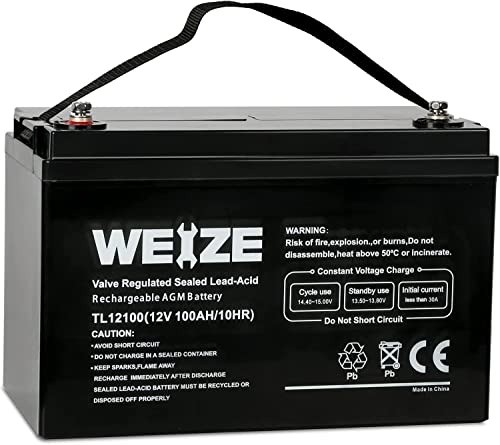
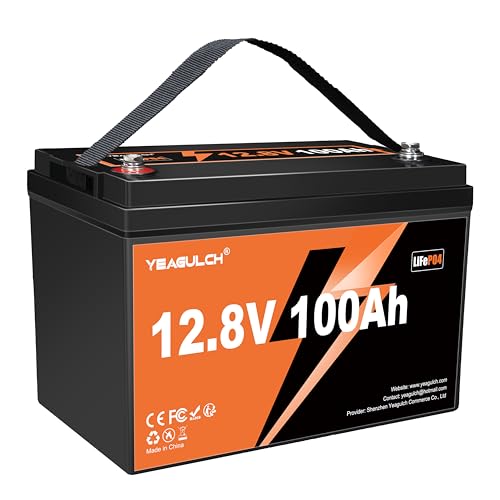
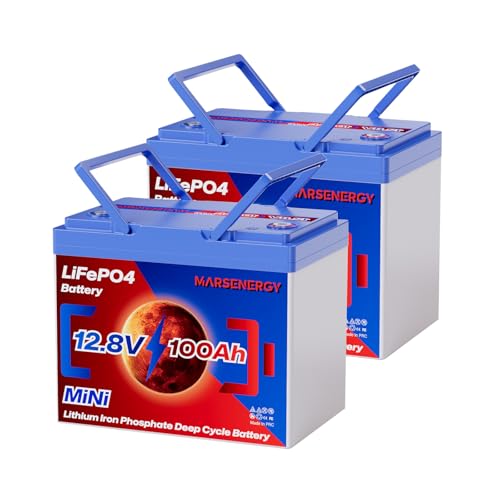
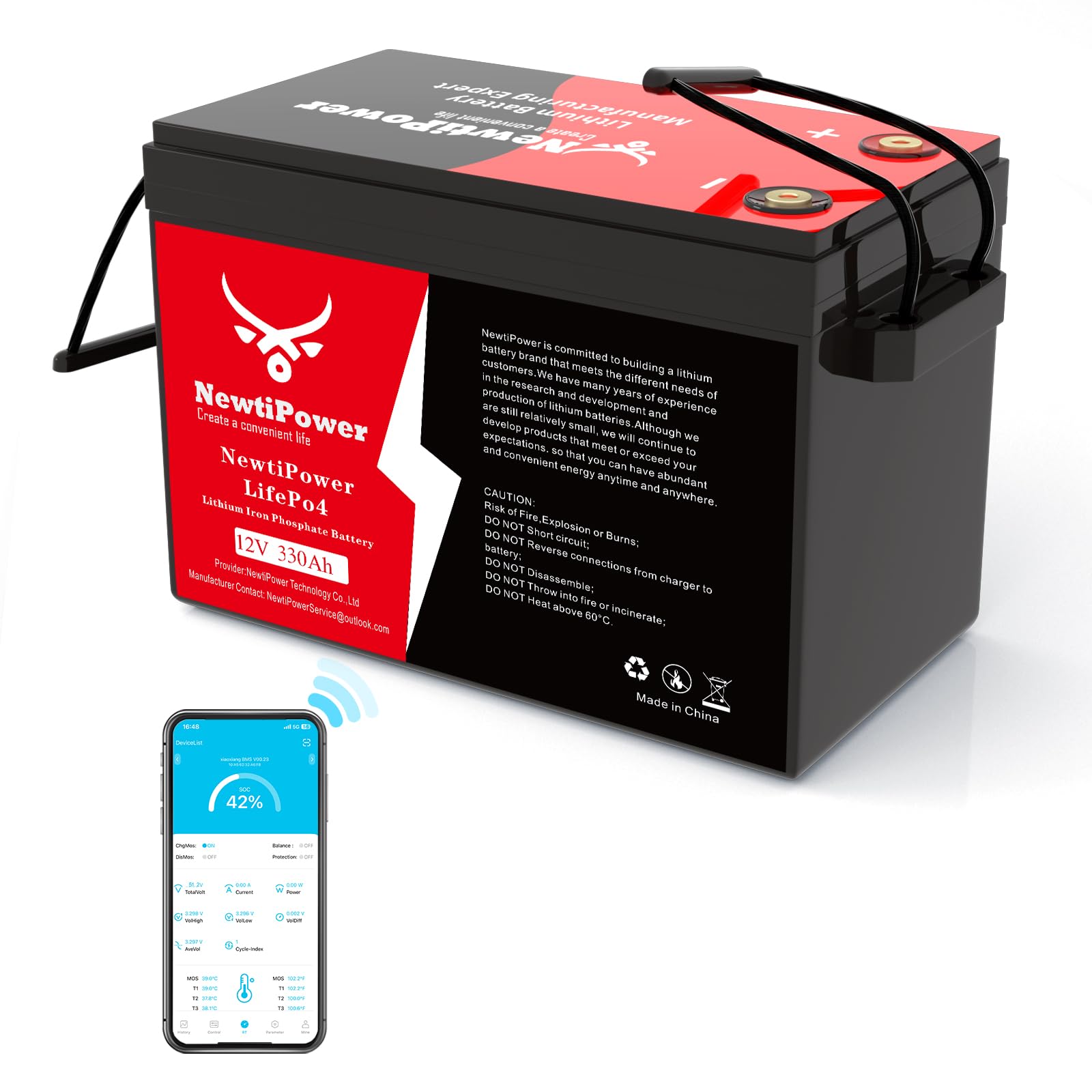
Prices for a camp battery range from under $100 to well over $500, and the gap is not just about brand names. You pay for usable capacity, chemistry, weight and safe handling of deep discharge. The best 12v battery for camping for your trips runs your actual loads through the night without being drawn down too far. The product table lines up the main options, and the tiers below explain what each price level delivers.
This guide shows what each budget level delivers, which upgrades are worth paying for and which you can skip, plus simple sizing math and care habits.



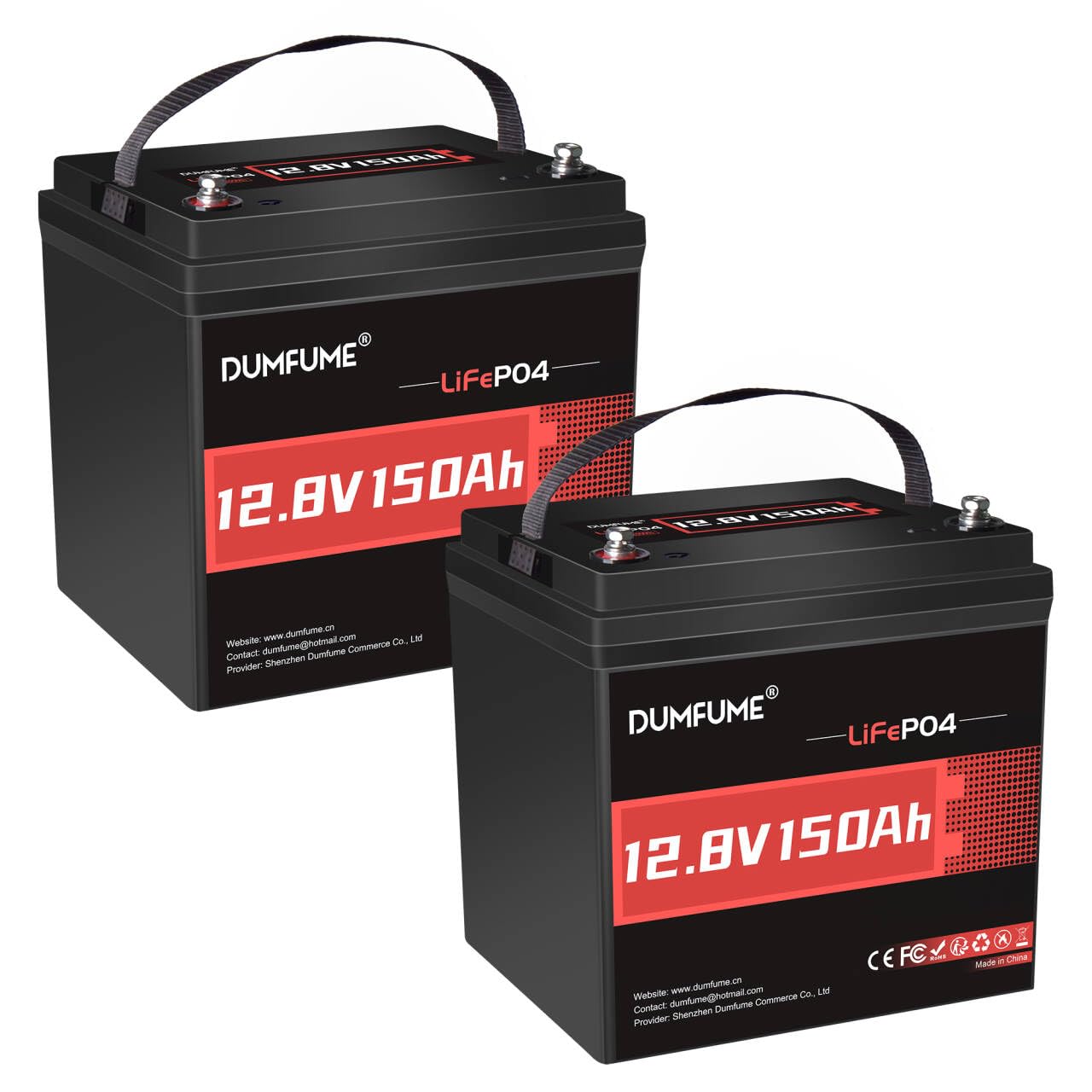

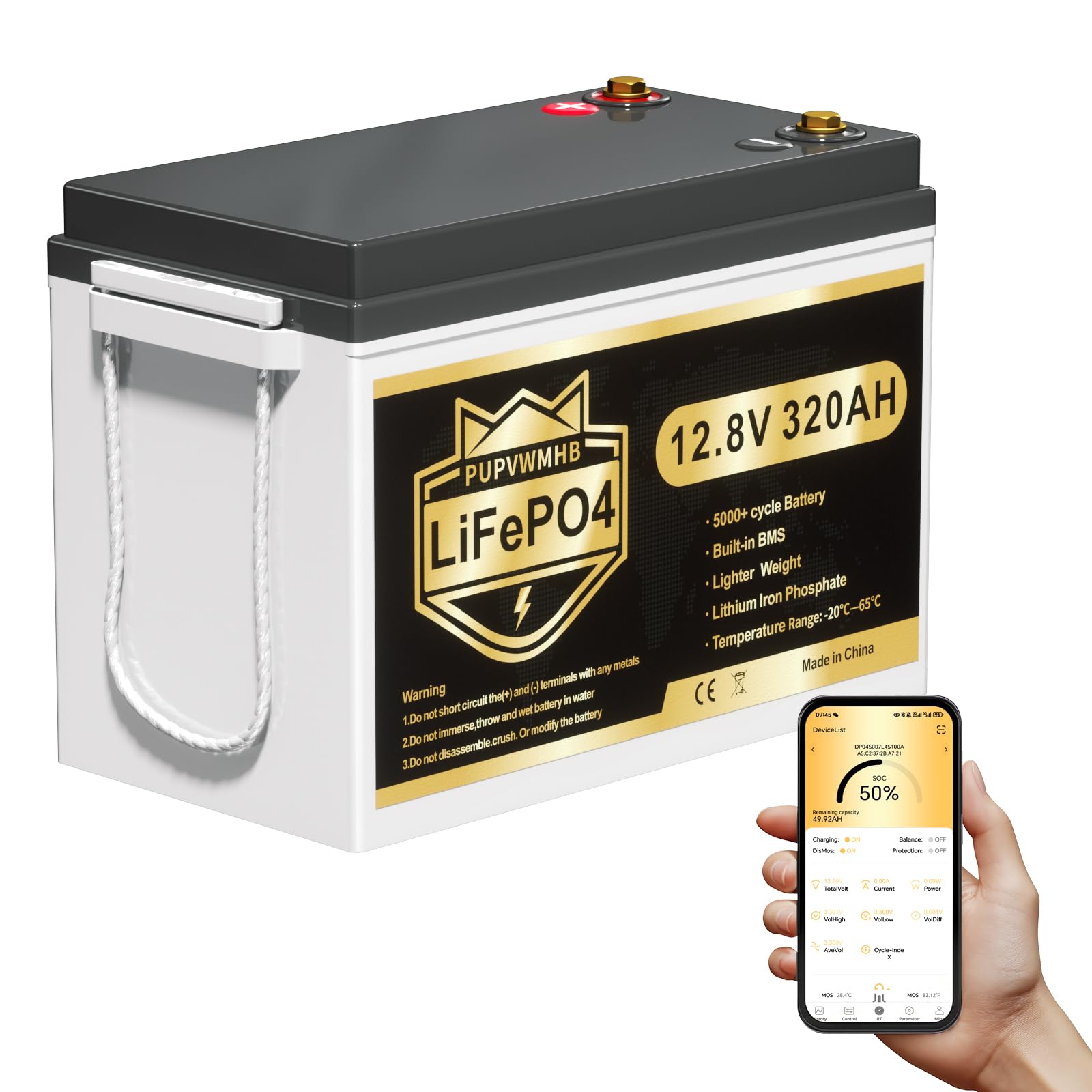
Who Should Buy a 12v Camp Battery by Trip Style
Your trip style decides how much stored energy you need and how much weight makes sense. If you are still weighing a separate power source, see our guide to the best batteries for camping for a broader look.
Weekend Tent Campers Running Lights and Phones
You camp one or two nights at a time and power LED lights, phone charging and a small fan, and you recharge at home between trips. A budget or mid range option in the 50 to 100 amp hour range usually covers this modest load with room to spare, so a large premium bank rarely improves your trips.
RV and Van Campers Running a Fridge All Day
A 12 volt fridge draws power around the clock, so your daily use is far higher than lights alone. You need a battery that tolerates daily deep cycling, plus capacity for a cloudy day. Before you size it, see our guide to the best camping coolers to see how fridge size changes the load.
Longer Off Grid Campers Who Need Extra Runtime
You stay out for several nights and run a fridge, lights, a water pump and device charging, and you may add solar panels to stretch each charge. Premium lithium options earn their price here, since you can use more of the rated capacity each day, recharge faster when sunlight is limited and carry far less weight to the tent site.
How Camping Battery Prices Track Chemistry and Capacity
Price tiers here track chemistry and usable energy more than any single feature. Use the tiers below as a map, then check the features section before you spend.
Budget Tier: Basic Runtime for Light Camp Loads
Budget options at under $150 are mostly flooded lead acid and basic AGM designs rated at about 35 to 100 amp hours. They run lights and small devices well, but you should only use about half the rated capacity, so usable energy is lower than the label suggests. They are heavy for their output, yet they remain a sensible value choice for short trips and light loads.
Mid Range Tier: More Usable Energy and Easier Charging
Mid range options at about $150 to $350 bring better AGM builds and entry level lithium models with stronger cycle life and lower self discharge. You get more usable energy from the same rated size and steadier voltage as the battery drains. For most campers this tier gives the best value, since the battery lasts more seasons and handles a fridge load with less stress.
Premium Tier: Lighter Weight and Smarter Protection
Premium options at about $350 and up are mainly lithium iron phosphate batteries with a built in management system that guards against overcharge, over discharge and short circuits. They weigh roughly half as much as a lead acid battery of similar usable size and hold up through far more cycles. The price pays off when you camp often.
Key Features to Compare Before You Spend
Choosing the best 12v battery for camping starts with matching five factors to your gear list and budget. Each point below explains what the factor means in camp and where a cheaper choice is fine.
Capacity in Amp Hours and Usable Energy
Capacity is rated in amp hours, and multiplying amp hours by 12 gives a rough watt hour total for planning. The key detail is usable energy, since lead acid batteries should stay above about half charge while most lithium batteries can safely use 80 percent or more of their rating. Fridge owners should compare usable figures, not label figures, because a smaller lithium battery can deliver more nightly energy than a larger lead acid one.
Chemistry: Lead Acid, AGM and Lithium Compared
Flooded lead acid costs the least but needs ventilation, upright storage and fluid checks on serviceable models. AGM is sealed, handles vibration well and suits most vehicle based campers at a moderate price. Lithium iron phosphate costs more up front, yet it is lighter, charges faster and tolerates deeper daily discharge. Pick chemistry by trip length and carry weight first.
Weight, Size and How Easy the Battery Is to Carry
A 100 amp hour lead acid battery can weigh around 60 pounds, while a lithium battery of the same rating often weighs around 25 to 30 pounds. That gap decides whether one person can move the battery safely and whether it fits your storage box. Check case dimensions against your space, look for sturdy handles and confirm the terminals sit where your cables reach.
Charging Options, Speed and Solar Compatibility
Every camp battery needs a charger matched to its chemistry, and the wrong charge profile shortens its life. Vehicle charging, solar panels and a home charger each suit different trip patterns, and lithium batteries usually recharge in fewer hours than lead acid ones. If recharging is your main concern, see our guide to the best 12v rechargeable battery for more on charger types.
Protection, Durability, Warranty and Overall Value
A built in management system on lithium models monitors voltage, current and temperature, and it shuts the battery down before damage occurs. Lead acid models rely on your charger and habits for that protection. Also check terminal style and maximum discharge current, since loads can draw at once. Judge durability by case strength and cycle life, and value by cost per usable watt hour, not sticker price alone.
How to Size a 12v Battery for Your Camp Loads
List each device, its watt draw and the hours it runs each day, then add them up to get your daily watt hours. A fridge at about 45 watts running a third of the day, lights at 10 watts for 4 hours and two phone charges come to roughly 400 watt hours a day. Divide that total by the usable share for your chemistry and add a margin for cold nights.
Keep this list on paper rather than guessing from the largest load alone, and recheck the math whenever you add a device.
Common Mistakes to Avoid When Buying a Camp Battery
- Buying by rated amp hours alone leaves you short at night, because usable capacity is far lower on lead acid models.
- Running a battery flat after every trip shortens its life, since repeated deep discharge damages the plates or cells.
- Using a charger with the wrong chemistry setting undercharges or overcharges the battery, and either error cuts its lifespan.
- Ignoring the weight of a large battery makes loading painful, so a battery you dread lifting gets left behind.
- Skipping a fuse near the terminal leaves wiring unprotected, because a short circuit can then overheat a cable.
Storage, Charging and Terminal Care Between Trips
Store the battery partly charged in a cool dry place, top it up regularly and keep the terminals clean and tight. Lead acid batteries need a full recharge soon after each trip, while lithium batteries store best at a partial charge. If a battery swells, hisses, smells of chemicals or becomes hot to the touch, stop using it and contact a qualified technician, since those signs can point to internal damage.
Long term costs include a proper charger at about $30 to $120, cables and fuses, a solar controller if you add panels and eventual replacement. Warranty length matters, because a battery with twice the cycle life can cost less per trip despite a higher starting price.
Frequently Asked Questions
What features matter most in a 12v battery for camping?
Usable capacity, chemistry and charging speed matter most in a 12v battery for camping. Start with usable energy, since that decides whether your fridge and lights last the night. One extra check is the maximum continuous discharge current, which must cover all your devices running at the same moment.
Are expensive 12v batteries for camping worth the money?
Expensive 12v batteries for camping are worth it if you camp often or carry the battery by hand. Lithium models give more usable energy per pound and survive many more cycles, so the cost per trip falls over time. If you camp twice a year with lights only, a budget AGM battery gives nearly the same experience for far less.
How do I maintain a 12v battery used for camping?
Maintain a 12v battery for camping by recharging it after each trip and storing it away from heat and freezing cold. Wipe the case, check cable ends for corrosion and check the voltage before the first trip of the season. Label it with the date of its last full charge.
How long does a 12v battery for camping last on one charge?
Runtime on one charge depends on your load, and a 100 amp hour lithium battery can run a modest fridge for about two days. Runtime drops when several devices run together or in cold weather. A small battery monitor gives a better estimate on the second night than guessing from the first.
Can I charge a 12v camping battery from my vehicle while driving?
Yes, you can charge a 12v camping battery from your vehicle while driving with a suitable DC to DC charger. That charger regulates voltage for the battery chemistry and protects your starter battery from being drained at camp. It suits road based trips best, since a short drive adds little charge compared with a day of solar input.
Final Thoughts
Match usable capacity to your daily loads, choose the chemistry your budget and carry weight allow, and buy a charger that suits that chemistry. Those three decisions matter more than any extra feature. When you are ready to choose the best 12v battery for camping for your trips, compare your shortlist against the product table and pick the tier that fits your gear.


