
Best 12v Rechargeable Battery in 2026: Everything to Know Before Your First Purchase
Disclosure: We may earn a commission when you buy through links on this page, at no extra cost to you. As an Amazon Associate I earn from qualifying purchases. Learn more

Shopping for the best 12v rechargeable battery for the first time? Learn the terms, compare options, and avoid rookie mistakes with this easy guide.
Buying your first 12 volt power pack can feel confusing, because labels mix voltage, capacity and chemistry. The best 12v rechargeable battery for you is simply the one whose size and runtime match the device you need to power. This guide starts with plain language basics, so you can use the product table with confidence.
You need to know what you will run, how long it must run, and how you will charge the pack between uses. Note the charger type and terminal style your device expects before you order.
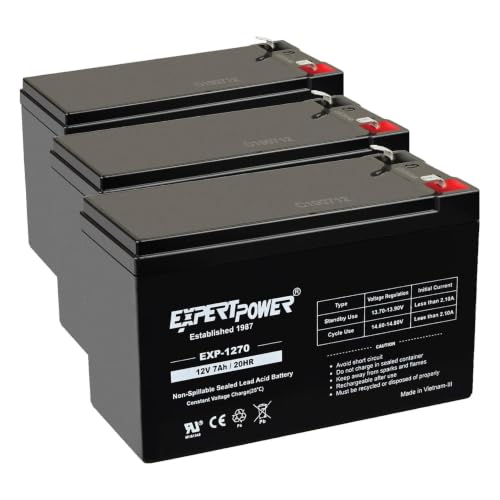

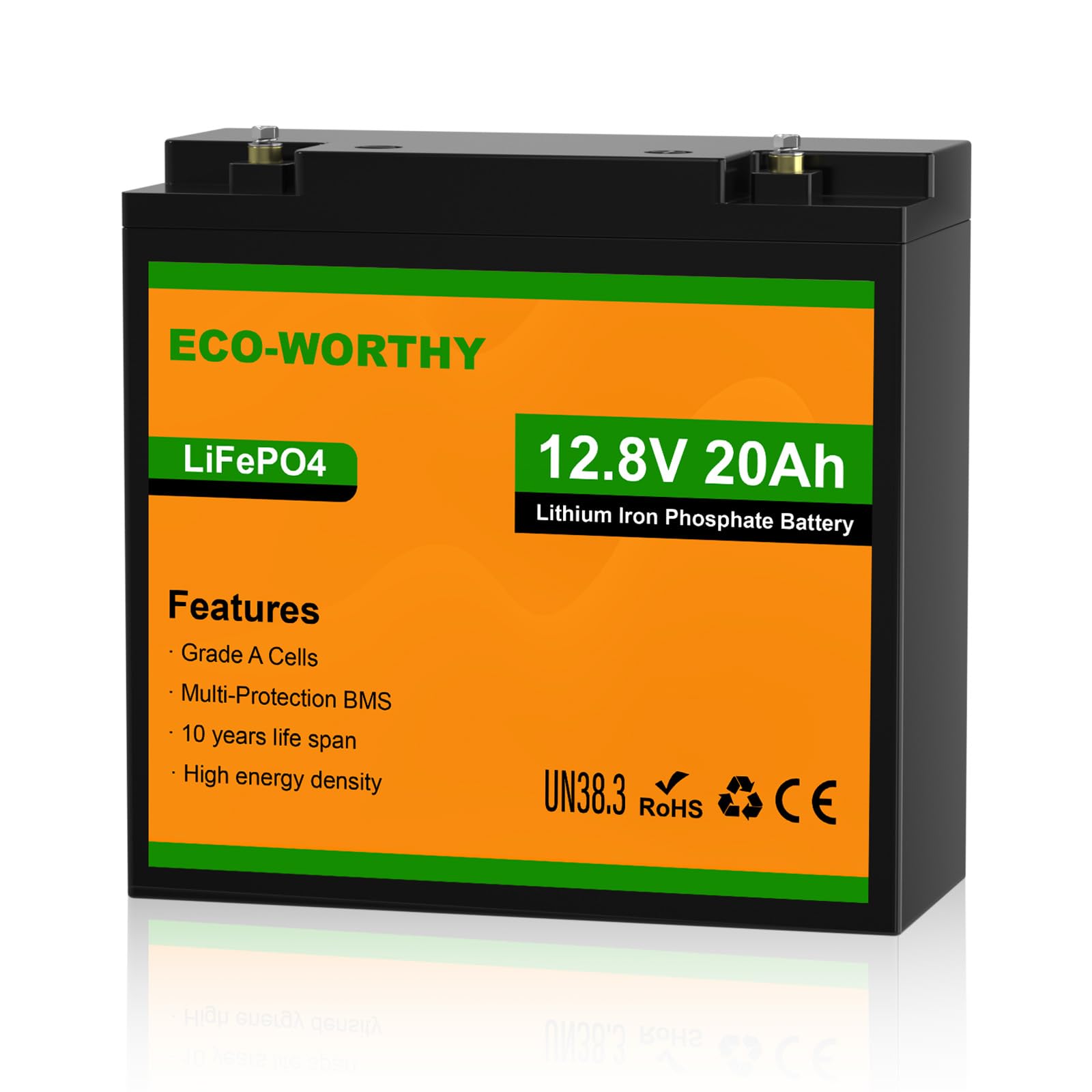
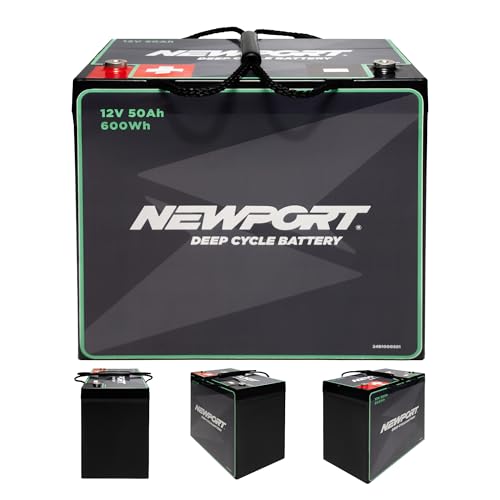
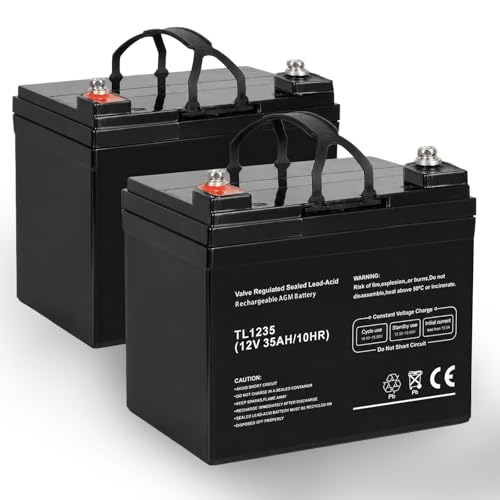
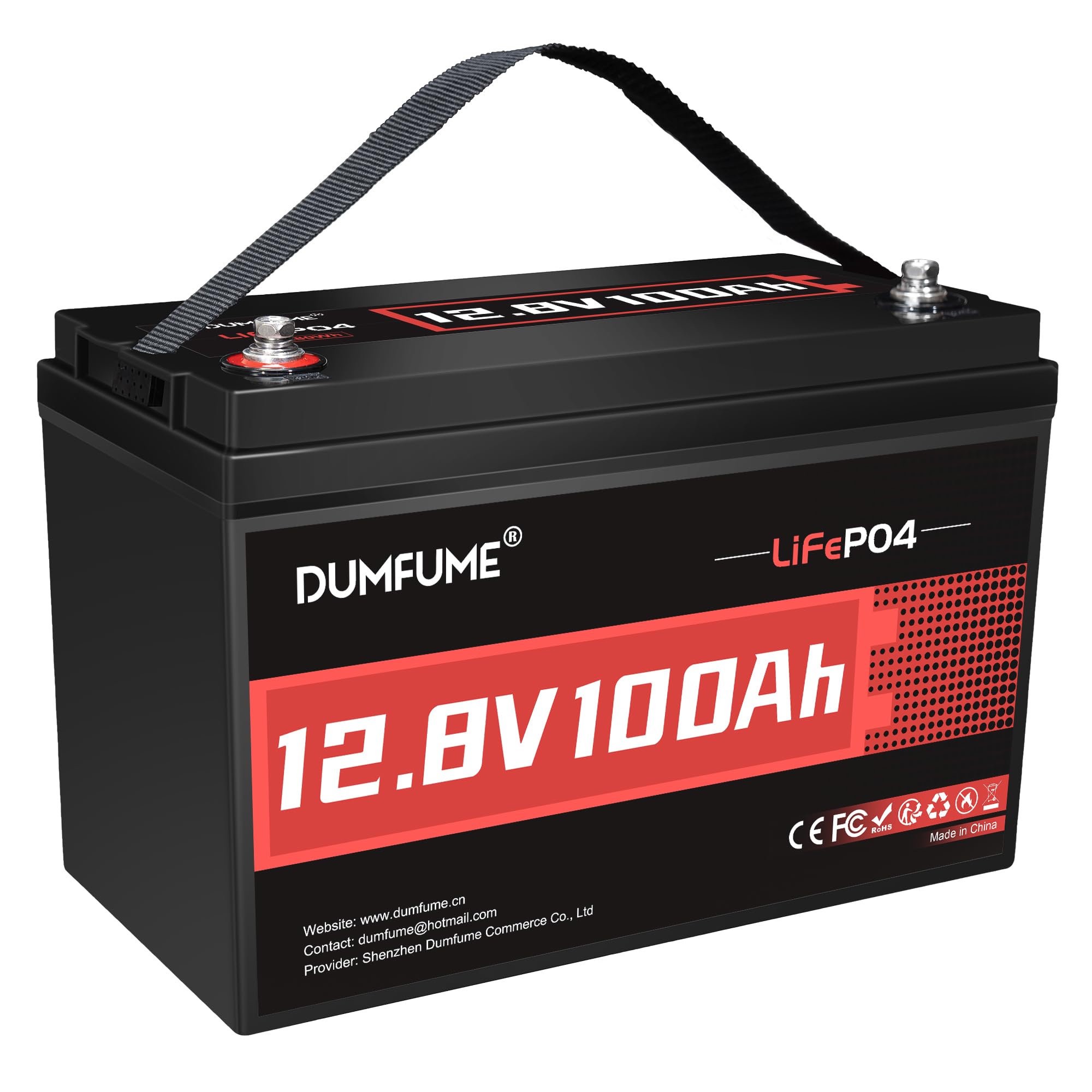
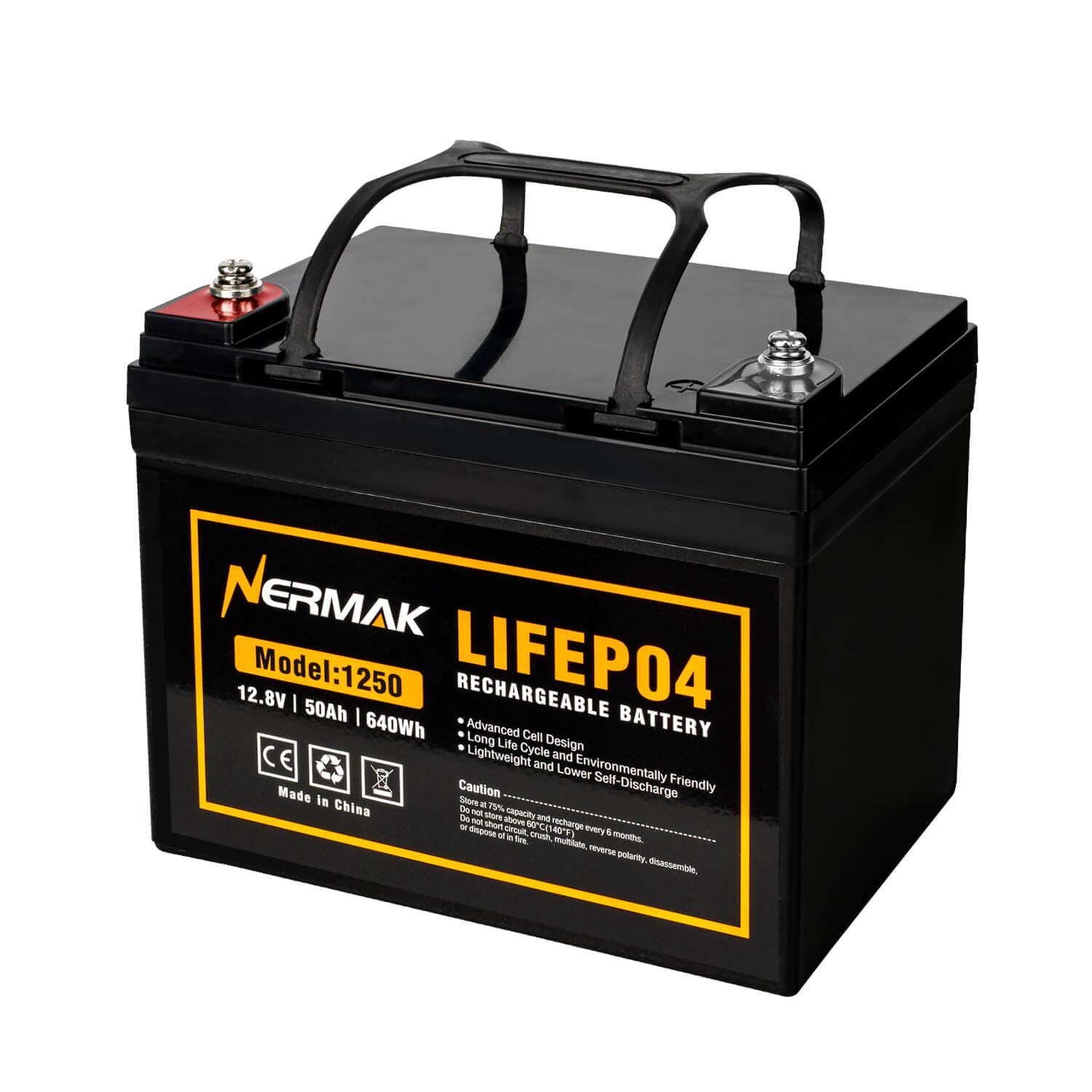
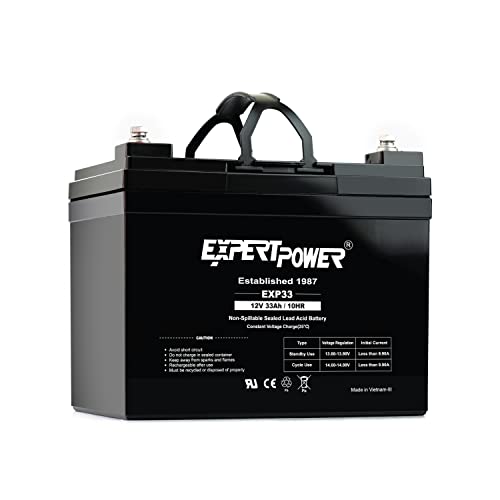
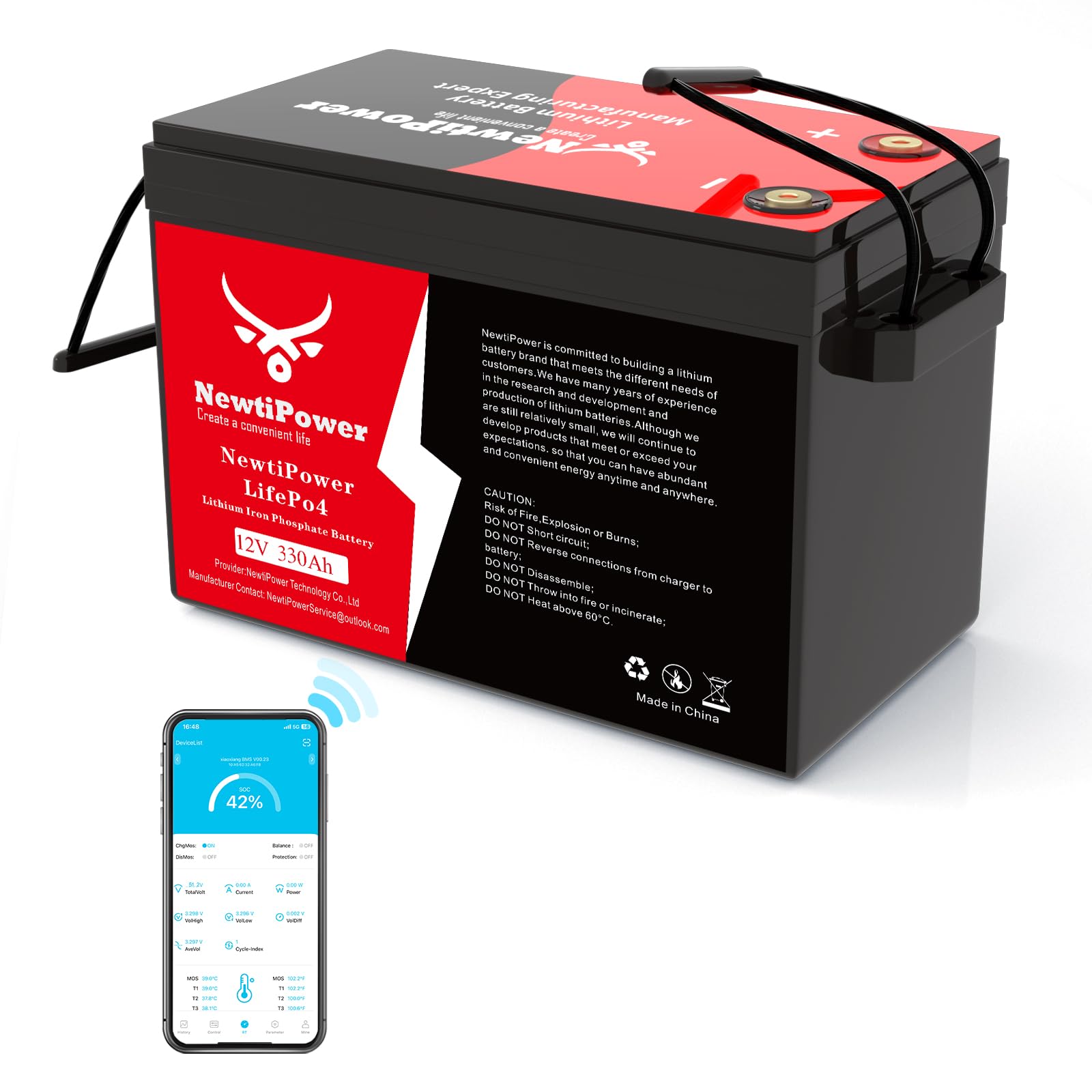


12v Rechargeable Batteries 101: The Basics
A 12v rechargeable battery is a pack built to deliver about 12 volts and then accept charge again for the next use. Inside the case, smaller cells connect in a row so their voltages add up. The pack sends direct current through two terminals, one positive and one negative, to lights, alarms, motors, pumps and electronics rated for 12 volt power.
That format differs from loose household cells. A single rechargeable AA cell gives only about 1.2 volts, so it suits remotes rather than 12 volt equipment. If your device takes loose cells instead, see our guide to the best rechargeable aa batteries for that separate choice.
Who Should Buy a 12v Rechargeable Battery?
Most first purchases fall into one of three patterns, and yours decides which specs deserve your money.
Campers and Small Solar Users
You run lights, a small fan, a powered cooler or phone charging gear away from wall power, often for a full evening. Runtime and weight matter most, and solar charging may matter too. A lighter lithium pack is easier to carry, while a heavier lead acid pack suits car based use. If camping is your main plan, see our guide to the best 12v battery for camping for more sizing notes.
Home Backup and Security System Users
You keep an alarm panel, emergency lights or a small backup unit ready for an outage. Your pack sits still for long stretches and must work without warning when called on. A sealed lead acid pack often fits this stationary job well, since weight hardly matters and cost stays low. Slow self discharge and a charger that maintains a full pack matter more than fast discharge.
Boat, Fishing and Trail Camera Users
You power a fish finder, a bilge pump or a camera that must run for weeks outdoors. Your pack faces damp air, vibration and long gaps between checks, so a sturdy case and steady voltage under load matter greatly. Many trail camera owners add an outside pack to stretch time between visits, so see our guide to the best rechargeable batteries for trail cameras and confirm your camera power port voltage first.
Reading 12V Pack Specs as Questions About Your Load
There is no single best 12v rechargeable battery for every job, because a stationary alarm pack and a portable fishing pack face very different loads. Read each spec as a question about your own use.
Chemistry, Case and Build Quality
Chemistry is the material system inside the pack, and it sets weight, lifespan and price. Sealed lead acid packs cost the least and feel heavy, but they serve stationary backup jobs well. Lithium iron phosphate packs cost more, weigh much less, and deliver many more charge cycles, which suits gear you move often. Flooded lead acid packs need venting and water checks, so most first time buyers do better with a sealed case that is easy to use.
Capacity in Amp Hours and Runtime
Capacity, written in amp hours, tells you how much charge the pack holds. Divide your device power in watts by 12 to get its rough draw in amps, then divide the usable capacity by that draw. A device that pulls about 1 amp can run for roughly 7 to 8 hours on a healthy 10 amp hour lithium pack. Lead acid packs last longest when you use only about half of the rated capacity, so size them larger.
Discharge Rate and Key Performance Specs
Discharge rate tells you how much current the pack can send at once without its voltage sagging or its protection shutting down. Lights, alarms and cameras draw little, so almost any pack can feed them. Motors, pumps and inverters draw far more, and they may pull a brief surge at the start. Check the rating for maximum continuous amps and match it to your largest load, with room to spare. Cold weather lowers output for every chemistry.
Safety Features and Certifications
Lithium packs should carry a built in battery management system that stops charging or discharge when voltage, current or temperature moves outside safe limits. Sealed lead acid packs should have a sound case, covered terminals and clear polarity marks. Look for a recognized safety listing and a warranty you can read. If a pack ever swells, cracks, leaks or grows hot while charging, stop using it and contact the maker or a qualified battery professional for help.
Price and Value for First Time Buyers
Small sealed lead acid packs often cost about $20 to $40, while compact options in lithium often cost about $60 to $150, and larger lithium packs can cost about $250 to $400. Mid range options usually give the best value for a first purchase, since they pair sound durability with a fair warranty. A cheap pack you replace twice can cost more than a quality pack you replace once, and a required charger adds to the true total.
Rookie Mistakes to Avoid
Most first purchase regrets come from these simple errors.
- Choosing by voltage alone and ignoring capacity leaves you with a pack that runs out far sooner than planned.
- Using a charger made for a different chemistry can leave a pack partly charged or shorten its life.
- Draining a lead acid pack fully on every use cuts the number of cycles it can deliver before its runtime fades.
- Connecting the terminals in reverse can blow a fuse or damage the device in a moment.
- Storing a pack empty for months lets self discharge pull its voltage so low that it may never accept a full charge again.
First Charge and Safe Connection Steps
Read the manual before first use, because charge advice varies by chemistry. Set the pack on a dry, level surface, inspect the case and terminals for damage, and charge it fully with the correct charger before you rely on it. Connect the positive lead first and the negative lead last, and secure the pack so it cannot tip in transit.
For your first run, power your actual device and note how long it runs. Write the date and that runtime on a label on the case, so later changes stand out. If runtime falls far short of your estimate, recheck the device draw and charge state first.
Care and Maintenance of a 12v Rechargeable Battery
Store the pack in a cool, dry place away from direct sun, and keep its terminals clean and covered. Wipe dust and light corrosion from the terminals with a dry cloth. Recharge a stored lead acid pack about every 3 to 6 months. For lithium packs, follow the storage charge level in the manual, which is often a partial charge rather than a full one.
Inspect the pack regularly for swelling, cracks, leaks or a warm case, and take a pack with any of those signs out of service. When a pack no longer holds a useful charge, take it to a battery collection point for recycling, never to household trash.
Frequently Asked Questions
What features matter most when buying a 12v rechargeable battery for the first time?
Start with fit. Measure the compartment or mounting space with a tape, leave room for cables to bend, and confirm the terminal style matches your leads before you weigh any other features. After fit, rank capacity for your runtime goal, then charger match, then weight. A pack that cannot sit where it must live is the wrong pack, no matter how strong its numbers look.
How do I maintain a 12v rechargeable battery between uses?
Set a calendar reminder for a charge check rather than trusting memory, because most storage damage builds slowly and quietly between uses. On each check, confirm the pack sits at the charge level its manual asks for, look over the case, and top up only with its correct charger. Store its cables with the pack, so you never grab a similar looking charger from a different chemistry.
How long does a 12v rechargeable battery last before replacement?
Most packs last about 3 to 5 years in lead acid form or about 5 to 10 years in lithium iron phosphate form, depending on use and storage. Calendar age matters too, since materials age while the pack sits. A load check at a battery shop can confirm a weak pack. Replace it when its runtime no longer covers your shortest real job.
How much should I spend on a 12v rechargeable battery for a first purchase?
Budget for the whole working setup, not the pack alone. Add the correct charger if one is not included, plus cables, a fuse holder and a case, and compare that full total. For a light first job, a total of about $40 to $100 often covers a sound setup. Spending more makes sense mainly when the pack must be light or must run for many hours.
Are expensive 12v rechargeable batteries worth it for light use?
Rarely, if your use is light and rare. Premium packs earn their price when low weight saves real effort or when long cycle life replaces several cheap packs. If you are unsure how often you will use the pack, buy a sound basic model now and upgrade only after a season of real use shows a clear limit you need to fix.
Wrapping Up
Keep three checks at the center of your choice. Match the chemistry to where the pack will live and how often you will move it, size the capacity to your runtime goal with a margin, and confirm the charger and terminals before you pay. Use the product table to compare capacity, chemistry, size and price against those checks.
When you compare the best 12v rechargeable battery options with a clear job, a measured space and a matched charger in mind, you can order once with confidence.


