
Best Batteries for Camping in 2026: Which One Fits the Way You Use It?
Disclosure: We may earn a commission when you buy through links on this page, at no extra cost to you. As an Amazon Associate I earn from qualifying purchases. Learn more

Match the best batteries for camping to your nightly load, from lanterns and phones to fans and coolers, with honest notes on cold weather and spares.
The right battery choice starts with what you plug in after dark, not with the biggest capacity number on the box. A camper running one lantern and two phones needs a completely different setup from a family keeping a fan and an electric cooler going all weekend. This guide walks through the best batteries for camping by load first, so the class, the size and the price all follow the way you actually camp.
You will find the main classes compared in plain language, the numbers that matter and the ones that mislead, safety rules for loose cells and power stations, and the mistakes that leave campers in the dark. The comparison table below lines the classes up side by side so you can match one to your own load list before you spend anything.


Start With the Load You Plan to Run
Every battery decision gets easier once you write down what runs at your site each night and for how long. A load list takes five minutes, and it stops you buying capacity you will never use or, worse, capacity that runs out on the second night.
Light Loads: Lanterns, Headlamps and Phones
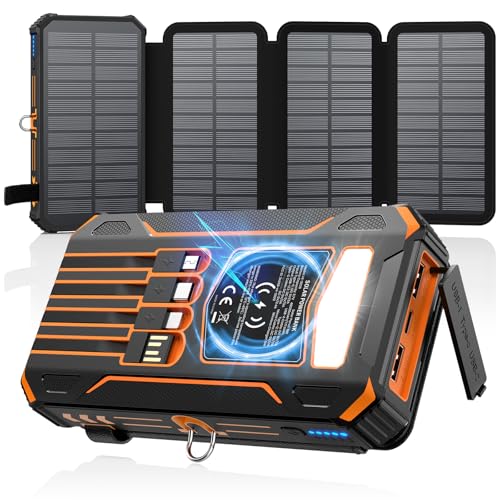
If your night load is light, with a lantern, a headlamp and a couple of phones, loose cells and a small power bank cover the whole trip. Lanterns and headlamps run on AA or AAA cells, and a power bank of about 10,000 to 20,000 milliamp hours tops up two phones for a weekend. Cell packs cost about $8 to $25 depending on chemistry, and a decent power bank runs about $20 to $50. The priority at this level is spares, because a dead headlamp battery matters far more than a dead speaker battery.
Heavy Loads: Fans, Coolers and 12 Volt Gear
A fan through a hot night and an electric cooler cycling all weekend move you into power station territory. The cooler is the hungriest load most campers bring, and the guide to best camping coolers shows how much size changes its draw. If you plan to run gear straight from a large standalone battery in the vehicle, the guide to the best 12v battery for camping covers that deeper setup. For most families, a mid size power station of about 500 to 1,000 watt hours, at about $300 to $700, is the class that fits this load.
Cold Trips and Long Stays Away From Outlets
Trips longer than three nights, or any trip in cold weather, change the buying question from capacity to recovery. You either carry enough stored energy for the whole stay or you plan a way to recharge at camp, usually a solar panel or a drive day with the vehicle charging the station. Cold also shrinks what any battery can deliver, so long cold trips need a margin on top of the load list rather than an exact match to it.
The Best Batteries for Camping: Three Classes Campers Actually Buy
Nearly everything sold for camp power falls into three classes. The table below summarises them, and the passages after it explain where each one earns its place.
| Class | Common formats | Best for | Watch out for | Typical price |
|---|---|---|---|---|
| Single use cells | AA, AAA, C and D sizes in alkaline or lithium classes | Lanterns, headlamps, radios, clocks | Running cost adds up and spent cells become waste | About $8 to $25 per pack |
| Rechargeable cells | AA and AAA rechargeable sets, larger format cells, USB rechargeable cells | Repeat trips with the same gear | You must charge before the trip and cells slowly self discharge in storage | About $15 to $40 for a set with a charger |
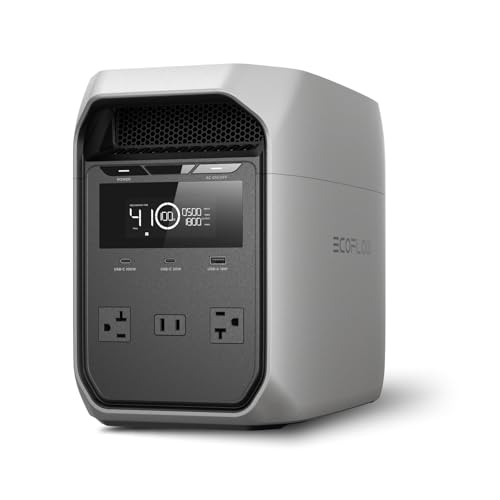
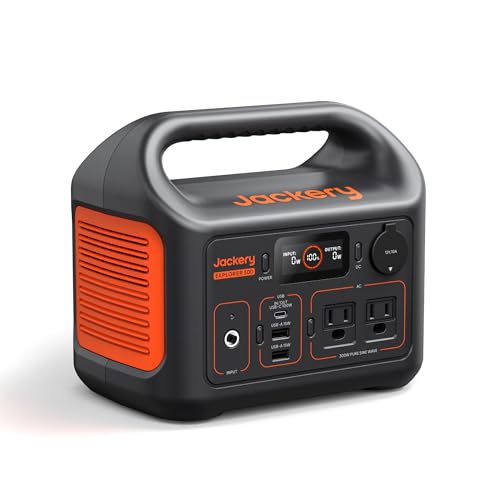
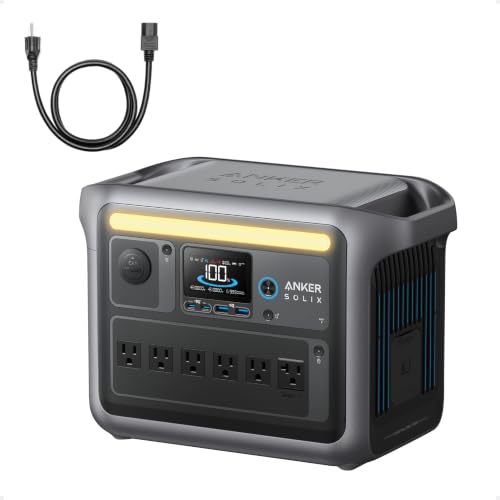
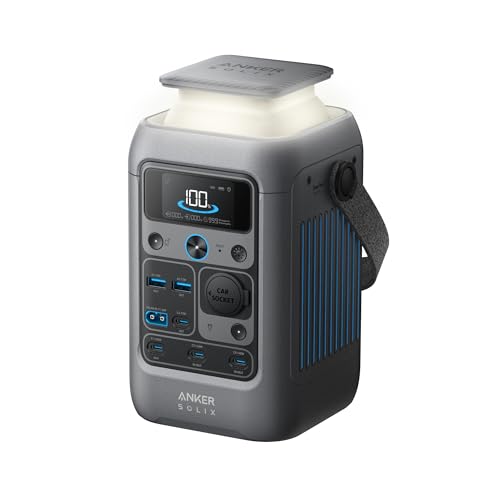
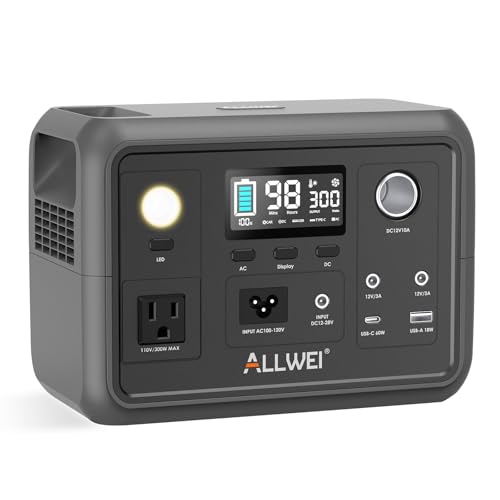
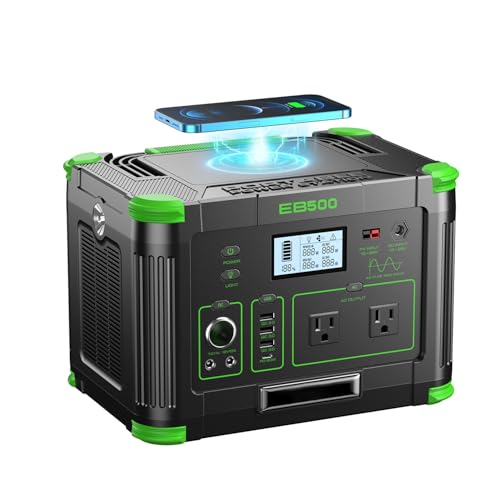
| Power stations | About 200 to 2,000 watt hours with USB and AC outlets | Phones, laptops, fans, coolers and lights together | Weight climbs fast with capacity and maker figures are best case | About $200 to $1,500 by size class |
Single Use Cells: Simple and Shelf Ready
Single use cells are the simplest class because they wait in a drawer for years and work the moment you load them. The lithium class handles cold nights far better than the alkaline class and weighs less, which is why many campers carry lithium cells in headlamps even at a higher price per pack. The honest trade is cost over time and a stream of spent cells to recycle after every trip.
Rechargeable Cells: The Repeat Trip Choice
Rechargeable cells cost more up front and then make each trip cheaper than the last. They suit campers whose lanterns, headlamps and radios all share one or two cell sizes, because one charger and one spare set cover the whole kit. The discipline they demand is a charging routine before you leave, since a rechargeable cell pulled flat from a drawer helps nobody at the trailhead.
Power Stations: A Battery and Outlets in One Box
A power station pairs a large rechargeable battery with USB ports, household style AC outlets and usually a 12 volt socket in a single carry case. This is the class that runs several devices at once and the class where solar input matters, because a panel can refill part of the box during a rest day. Treat the printed watt hour figure as a best case number, since conversion losses and the devices themselves always take a share before your gear sees the energy.
Key Features to Compare
Capacity and Output: Watt Hours, Milliamp Hours and Watts
Watt hours tell you how much energy a battery holds in total, and that is the number to compare across classes. Milliamp hours only mean something at a stated voltage, so a big milliamp hour figure on a small power bank is not the same as the same figure on a 12 volt battery. Watts are different again, because they describe how large a load the battery can feed at one moment rather than how long it can feed it. Lumens belong to the lamp, not the battery, and the battery only decides how long that lamp can hold its brightness.
Weather Resistance and the IP Rating
An IP rating describes how well a sealed device keeps out dust and water, and ratings such as IP65 appear on power stations built for outdoor use. The first digit covers dust and the second covers water, with higher numbers meaning stronger protection under standardized conditions. Loose cells carry no such rating, so the practical rule is to keep cells and chargers dry inside a sealed case whatever the station itself claims.
Features That Matter for Camping
The features that earn their keep at a campsite are a clear remaining charge display, enough ports to charge the family phones at once, and a handle or shape that carries well between the vehicle and the tent. For most campers the best batteries for camping are the ones matched to gear they already own, in the cell sizes and port types that gear already uses. Solar input and a regulated 12 volt output are worth paying for only when your load list includes a panel or a cooler that needs them.
Warranty and Cycle Life
Rechargeable batteries wear out by cycles, and makers quote cycle counts measured under gentle conditions, so treat the figure as a class marker rather than a promise. A longer warranty on a power station is a useful signal because the battery inside is most of the product cost and cannot be swapped by the owner. Keep the receipt and register the product if the maker asks, since a station that fades in its second season is exactly the claim a warranty exists for.
Cold Nights, Weight and Recharging at Camp
Cold Nights Cut Capacity
Every battery chemistry slows down as the temperature falls, so a pack that runs a lantern for three mild nights may manage only two in near freezing weather. Keep spare cells in the tent or in an inside pocket where body warmth protects them, and bring the power station inside the tent or vehicle overnight rather than leaving it on cold ground. Planning a margin of about a third more capacity than the load list suggests covers most cold trips.
Carry Enough or Recharge at Camp
Short trips favour carrying enough stored energy and skipping the panel entirely. Longer stays flip the maths, because a solar panel of about 100 watts can return a useful share of a mid size station on a clear day, though far less under trees or cloud. Check that the panel output matches the station input limit, since a panel bigger than the limit simply wastes the extra money.
Weight Against the Rest of Your Pack
Car campers can treat weight loosely, but backpackers feel every extra cell on the climbs. A loose cell setup for lights and a phone weighs a few ounces, while even a small power station weighs several pounds and belongs in vehicle based camping. Decide which style of trip you take most often and buy for that one, rather than for the expedition you picture once.
Battery Safety Rules for Camp
Batteries are stored energy, and a few firm rules keep that energy where it belongs. Never mix chemistries in one device, and never mix old and new cells either, because the weaker cell gets driven hardest and can leak or fail. A battery that is damaged, cracked or swollen should not be used or charged at all, and it goes to a battery recycling point rather than back into a drawer.
Store cells dry and out of extreme heat, and never leave them loose in a pocket or bag where the terminals can touch keys or coins and short out. A simple cell case costs very little and removes that risk entirely. When cells are spent, dispose of them through battery recycling instead of household trash, and check local rules because collection points and requirements vary by area.
Common Mistakes to Avoid
- Comparing milliamp hours across products without checking the voltage behind the number, which makes small power banks look equal to far larger batteries.
- Sizing the whole kit for the single biggest load, then carrying that weight on every short trip where lights and phones were all you ran.
- Mixing old and new cells in one lantern, which drains the new cells early and invites a leak from the old ones.
- Leaving batteries in a hot vehicle between trips, which quietly shortens the life of every chemistry.
- Packing no spare set for the headlamp, the one device you cannot safely do without after dark.
Storage and Care Between Trips
Long term storage decides how much of the battery you bought is still there next season. Store rechargeable cells and power stations at about 40 to 60 percent charge rather than full or empty, and keep them indoors away from heat. Top everything up the week before a trip instead of the night before, so a forgotten flat pack still has time to charge.
Keep matched cells together in labelled sets so pairs that have worked together stay together. If you own a solar panel, keep its surface clean and store it flat, because a scratched or dirty panel gives back noticeably less on the trips that follow.
Camping Battery Questions Answered
What features matter most in batteries for camping?
The features that matter most are total capacity in watt hours, output that matches your largest device, and a remaining charge display you can read at a glance. Add a format your existing gear already uses, because the cleverest battery is useless if none of your lanterns take its cells. Port count matters for families charging several phones at once, while solo campers can trade ports for weight and keep the setup simpler and cheaper.
How long will a camping battery run my gear?
Divide the watt hours of the battery by the watts your device draws to get a rough run time, then cut the result by about a fifth for losses. A cooler complicates the maths because its compressor cycles on and off, so its real draw across a night is far lower than its label suggests. Fans and lights draw steadily, which makes their run time the easiest to predict before you leave home.
How long do rechargeable camping batteries last?
Rechargeable cells and power stations typically serve for several seasons of regular trips before capacity fades enough to notice. Calendar age matters as much as use, because the chemistry ages even in a drawer, and hot storage speeds that aging more than hard use does. Storing packs partly charged in a cool room, and cycling them at least a few times a year, is the simplest way to stretch their working life.
How many watts do I need for camping gear?
Most camp gear is modest: lights draw a few watts, phones charge at about 10 to 20 watts, and a fan or cooler draws about 30 to 60 watts while running. The figure that catches people out is the starting surge of anything with a motor, which can briefly double its running draw. Choose a station whose continuous output clears your biggest load with room to spare, and the whole load list becomes easy to run.
Are solar charging options worth it for camping?
Solar charging is worth it on stays of three nights or more at one site, where a panel can replace a good share of what you use each day. Panel ratings assume full midday sun, so a shaded forest site may return only a fraction of the figure on the box. For weekend trips, the panel money usually buys more value as a larger battery or a second set of cells instead.
Final Thoughts
Write the load list first, pick the class that fits it, and size the battery with a margin for cold nights and optimistic maker figures. Loose cells still win for light kits, and power stations earn their weight once fans, coolers and several phones join the trip. Compare your shortlist against the product table above, and the best batteries for camping for your style of trip should stand out clearly.


