
Best 120mm Cameras for 2026 Made Simple: A Clear Buying Guide
Disclosure: We may earn a commission when you buy through links on this page, at no extra cost to you. As an Amazon Associate I earn from qualifying purchases. Learn more

Best 120mm cameras explained simply: focal length, sensor, autofocus and stabilization for portraits, travel and sports.
Buying your first telephoto camera can feel confusing, because one number, 120mm, says a lot about how your photos will look and little about everything else. This guide walks you through the best 120mm cameras in plain language, starting with what that focal length does. You will learn which specs change your results and how to match a camera to portraits, travel, school events, or distant wildlife.
Nothing here assumes experience. Read the basics first, then use the product table to see how the picks line up against your subjects.
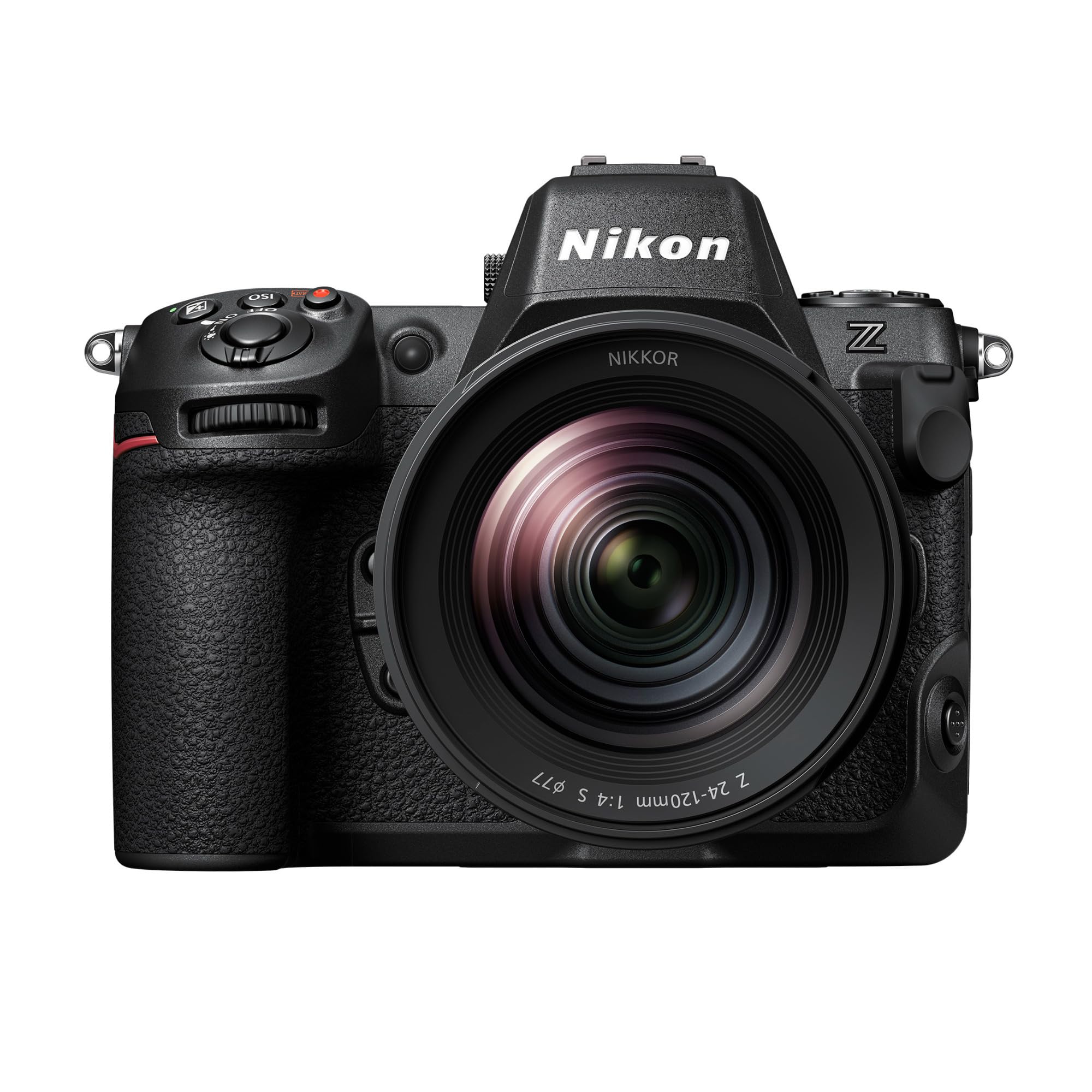

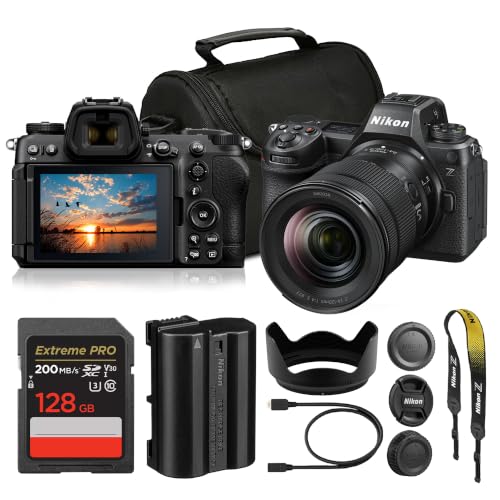
120mm Cameras 101: The Basics for First Time Buyers
The 120mm figure describes focal length, not body size or sensor size. At 120mm, a camera shows a narrow slice of the scene, so a distant person or animal fills much more of the frame than at a wide setting. Faces also look flattering at this distance, because you stand farther back and features appear less stretched.
Lists of the best 120mm cameras mix two kinds of kit. Some are fixed lens cameras whose built in zoom reaches 120mm or passes it, often stated as an equivalent figure. Others are interchangeable lens bodies sold with a zoom lens whose range covers 120mm. The fixed lens route is simpler and lighter, while the interchangeable route lets you add a brighter portrait lens or a longer wildlife lens later.
One caution helps every beginner. Digital zoom beyond the optical range simply crops and enlarges the image, losing detail as it grows, so judge a camera by its optical range first. If you are still weighing camera formats in general, see our guide to the best digital cameras.
Who Should Buy a Camera That Reaches 120mm?
Portrait and Family Photographers Who Want Flattering Distance
You photograph people most, at birthdays, graduations, and quiet afternoons at home. Working near 120mm lets you step back, give your subject room to relax, and still fill the frame with a head and shoulders view. Backgrounds soften at this length, which is why portrait shooters live near it. For broader advice, see our guide to the best cameras for photography.
Travel and Wildlife Watchers Who Cannot Get Close
You shoot subjects you cannot approach, such as birds at a feeder, deer at a clearing, or a lighthouse across a bay. A reach of 120mm brings those subjects several times closer than a phone main camera, while the kit stays light enough to carry all day. This group values stabilization and weather sealing most.
Sports and School Event Photographers in the Stands
You sit in bleachers or at the back of an auditorium while the action happens far away. At 120mm, a player or performer becomes a real subject instead of a small figure in a wide scene. You need autofocus that follows movement and a burst mode, because the best moment rarely waits for a second try.
The Specs That Matter at 120mm, in Plain Terms
Sensor Size and the Files It Produces
The sensor is the light sensitive surface that records your image, and bigger sensors generally gather more light per photo. Common steps are 1 inch, APS C, and full frame, in rising order of size, cost, and weight. A larger sensor usually gives cleaner files in dim rooms and smoother background blur at 120mm. Megapixels count detail, not quality. See our guide to the best quality cameras for more.
Video Capabilities at 120mm
Many buyers also record clips, and 4K video is now common across this class. Resolution is only part of the story, because a flip screen helps you frame yourself for vlogging, and a microphone input matters far more for clear speech than any in camera microphone. Check whether 4K recording uses the full sensor width or a crop, since a crop narrows your view further.
Autofocus and Stabilization at 120mm
Small shakes grow larger as focal length rises, so stabilization earns its place on every 120mm shortlist. Lens based or in body stabilization steadies the view and lets you hand hold at slower shutter speeds. Autofocus quality matters just as much, because your subject fills the frame and focus errors show clearly. Eye detection helps with people and pets, while tracking modes follow moving subjects. For sports and wildlife, these two systems decide your keeper rate.
Shots per Charge and Why a Spare Battery Helps
Battery ratings are quoted as shots per charge, and real use with screens, video, and cold weather often lands below the printed figure. At long focal lengths you also spend more time with the camera raised while you wait for a moment. A spare battery is cheap insurance on a full day out. USB C charging is worth having, because you can top up from a power bank between stops.
Low Light Performance
Low light results at 120mm rest on three things. First, the maximum aperture at the long end of the zoom, written as an f number, where a smaller number lets in more light. Second, the usable ISO range, since higher settings brighten a dim scene but add grain. Third, stabilization, which permits slower shutter speeds for still subjects. A zoom that reaches 120mm at a very small aperture will struggle in gyms.
Lens and Zoom Range Around 120mm
Read the zoom range as a journey, not a single number. A lens that starts wide, around 24mm equivalent, and runs past 120mm covers landscapes, groups, and distant subjects in one kit. A lens that starts near 70mm gives up wide scenes in exchange for portrait strength. Pay attention to the aperture at both ends, because many zooms are brightest when wide and dimmest at full reach.
First Setup Steps Before You Shoot at Full Zoom
Work through these steps once at home, and the camera will feel familiar when a real subject appears.
- Charge the battery fully, fit a memory card, and set the date, time, and image quality in the menu.
- Turn on stabilization, then zoom to 120mm and photograph a sign across the street to see how much reach you really have.
- Practice holding the camera with both hands, elbows tucked in, and your eye to the viewfinder if your model has one.
- Try the eye detection and tracking modes on a walking family member or a pet crossing the yard.
- Pack a spare battery and a lens cloth, and clean the front glass with that cloth rather than your shirt, which can drag grit across the surface.
If you are choosing a first body alongside these steps, see our guide to the best starter cameras.
Rookie Mistakes to Avoid
- Buying on megapixels alone, which leads you to a tiny sensor that falls apart in dim light.
- Counting digital zoom as real reach, which leaves you with cropped, soft files past the optical limit.
- Ignoring the aperture at 120mm, which leaves you with slow shutter speeds and blurred players at indoor games.
- Shooting everything at full zoom from the start, which makes framing and focus harder while you learn.
- Skipping a spare battery, which can end an outing before the best moments arrive.
Care and Maintenance for a Camera Used at 120mm
Long lenses draw attention to dust, because spots on the front element or sensor show up more in plain skies and smooth backgrounds. Use a blower before any contact cleaning, keep both caps on in storage, and change lenses sheltered from wind when you can. Wipe moisture off the body after damp outings and let the kit dry at room temperature before you seal it in a bag.
Store the camera in a padded bag with the zoom retracted, because an extended barrel is easier to knock. Keep the kit out of hot car trunks. Book a professional sensor clean if spots keep appearing in the same place on every frame.
FAQs
Which camera type is better for low light shooting at 120mm?
An interchangeable lens camera with a bright lens is better for low light shooting at 120mm. Its larger sensor and wider aperture gather far more light than a small fixed lens zoom at full reach. You can also rent a brighter telephoto lens for a single indoor event instead of replacing the whole camera. Fixed lens models still work outdoors and in bright halls.
Is a smartphone enough instead of a camera that reaches 120mm?
A smartphone is enough for casual snaps, but not for consistent quality at 120mm. Most phones reach that view by cropping a small sensor image, so fine detail, such as feathers or a face across a gym, breaks down quickly. A dedicated camera also gives you a real viewfinder and physical controls. Keep the phone for wide scenes and carry the camera for distance.
What specs matter most for beginners buying a 120mm camera?
Stabilization, autofocus, and the aperture at full zoom matter most for beginners buying a 120mm camera. Rank them by your main subject, because still landscapes forgive weak autofocus while children and pets do not. Spend on those three first, then treat extra megapixels and exotic video modes as optional. This order protects your budget from features you may never open in the menu.
Is 120mm enough reach for birds and wildlife on a camera?
120mm is enough reach for large or approachable wildlife, such as deer, herons at a pond edge, and zoo animals. Small songbirds at a distance will still look small, because they need considerably longer focal lengths to fill the frame. One practical workaround is a hide or feeder setup that shortens the distance, which improves detail more than cropping does later.
How much should I spend on my first 120mm camera?
Most first time buyers spend about $400 to $900 on a fixed lens camera that reaches 120mm, or about $700 to $1,800 on an interchangeable lens kit. The lower route suits travel and family use, while the higher route buys low light strength and room to grow. Leave part of the budget for a card, a bag, and a spare battery.
Our Verdict
Start with your subject, not the feature list. People and events call for autofocus, stabilization, and a bright aperture at full reach, while travel favors a wide starting point and a light body. Chosen that way, the best 120mm cameras stop being a confusing number and become a simple fit for how you actually photograph. Compare your shortlist against the product table before you order.


