Best 12 Inch Speakers: Every Type Explained Side by Side for 2026
Disclosure: We may earn a commission when you buy through links on this page, at no extra cost to you. As an Amazon Associate I earn from qualifying purchases. Learn more

Choosing the best 12 inch speakers is easier with a guide to types, sound, power, and placement for home, car, and live use on any budget.
A 12 inch speaker can be a home cabinet, a live sound workhorse, a car component, or a portable party box, and the listings rarely make those differences clear. Shoppers comparing the best 12 inch speakers often end up mixing products that need an amplifier with products that plug straight into the wall.
This guide sorts the types first, then walks through sound, power, durability, and connections in plain language. Use the product table to see the picks at a glance, then read the section that matches your room, vehicle, or event.


Types of 12 Inch Speakers Compared
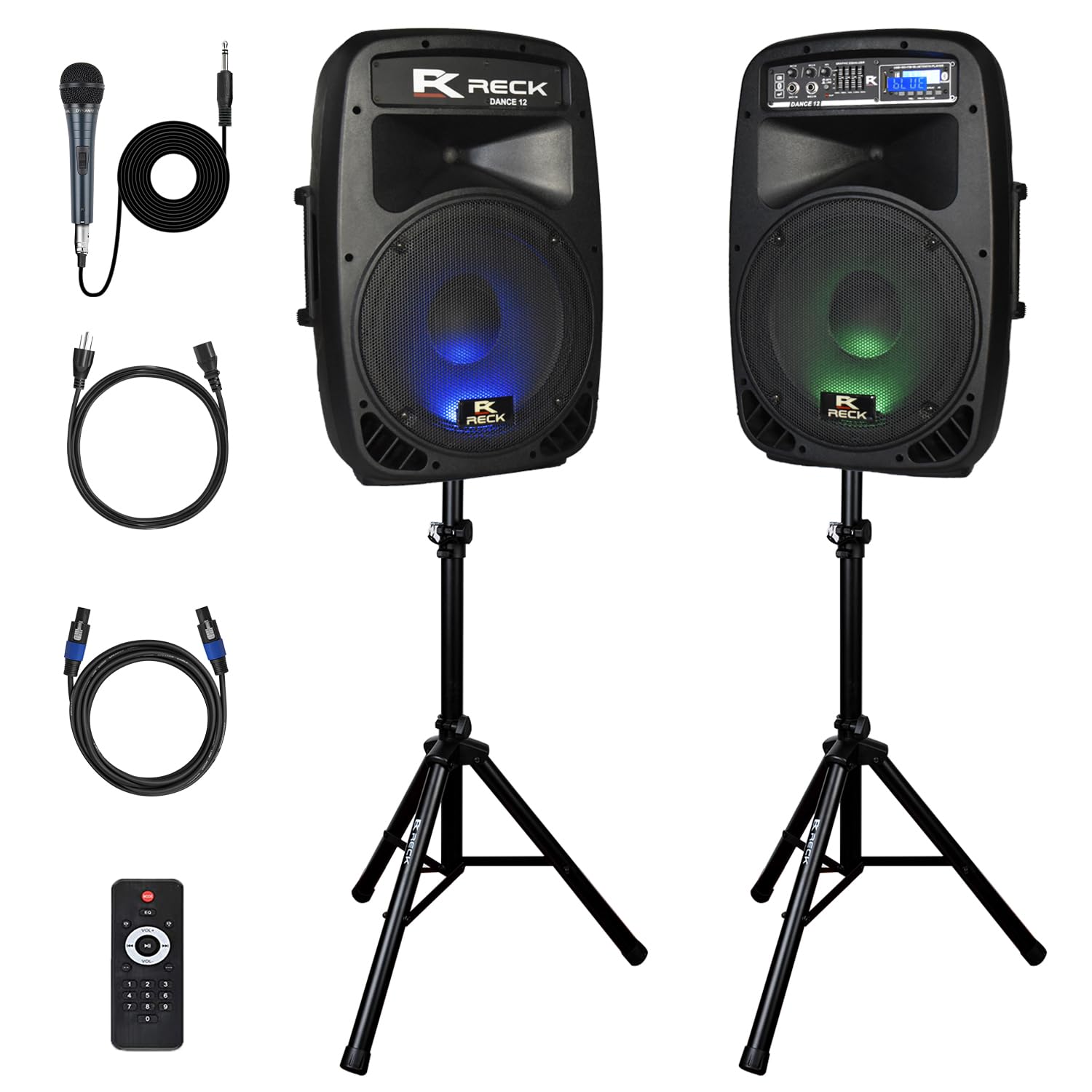
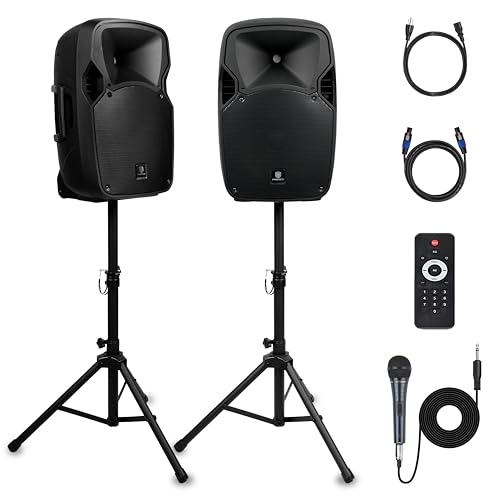
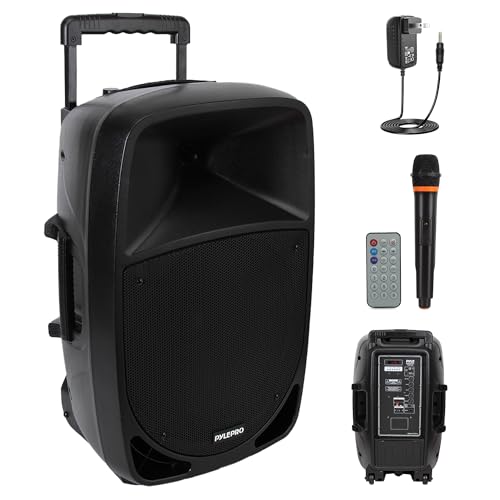
The driver size alone tells you very little. A 12 inch woofer can move enough air for strong bass, but the cabinet, amplifier, and tuning decide whether that bass sounds tight, boomy, clear, or strained. Start by identifying the type, because the type decides what else you need to buy and how you will connect everything.
Budget models in every type usually cost around $80 to $200 per speaker. Midrange options often run about $200 to $500, while premium cabinets with stronger motors, better crossovers, and sturdier cabinets can pass $500. Price alone does not tell you the type, so check the product description for words like powered, passive, or Bluetooth before anything else.
Wireless and Bluetooth Models
Wireless models carry their own amplifier and battery or power supply inside the cabinet, and they accept music from a phone or laptop without a cable. They suit patios, rehearsal rooms, and small events where simple setup matters more than perfect stereo imaging.
The trade off is weight and charging. Batteries add pounds, and runtime drops sharply at high volume. If this style appeals to you, compare it with our guide to the best 12 inch powered speakers, because most Bluetooth cabinets in this size are powered designs with extra wireless features on top.
Outdoor and Rugged Models
Rugged models use sealed cabinets, coated drivers, and reinforced corners so they can handle dust, splashes, and frequent transport. Many are built for live sound, which is why shoppers planning events often look at the best 12 inch pa speakers alongside general outdoor models.
Expect a brighter, more forward sound that carries across open spaces rather than the softer balance of a home speaker. Handles, pole mounts, and stackable shapes matter here, because a speaker you dread moving is a speaker you will stop using.
Gaming Models
For gaming, a 12 inch speaker usually appears as part of a powerful desktop or room setup, often paired with a separate subwoofer or used as a main speaker near a large screen. Low latency matters more than raw loudness, so wired inputs or a fast wireless mode are worth checking.
Dialogue clarity is the hidden priority. Games mix voices, music, and effects at once, so a speaker with a clear midrange keeps speech intelligible without constant volume changes. A wide, even spread of sound also helps when you move around the room rather than sitting in one sweet spot.
Wired Models
Wired models split into passive speakers, which need a separate amplifier or receiver, and active speakers, which have amplification built in. Our guide to the best 12 inch active speakers explains the built in route, which suits studios and simple home systems because each cabinet is tuned to its own amplifier.
Passive models give you more freedom to upgrade the amplifier later, and they often cost less per cabinet. The catch is matching power and impedance correctly. If those terms feel new, an active design removes most of the guesswork and most of the extra cables.
Wireless and Bluetooth Models vs Outdoor and Rugged Models: Which Should You Choose?
Choose a wireless model if your priority is convenience at home, in a garden, or at a casual gathering. Setup takes minutes, there are no speaker cables to route, and guests can share control of the music. Sound quality at moderate volume is usually warm and enjoyable, though deep bass may soften when the battery runs low.
Choose a rugged model if the speaker will travel, work outdoors often, or play for crowds. Rugged cabinets play louder with less strain, resist weather better, and survive knocks that would dent a home cabinet. They cost more and weigh more, and most need mains power or a generator rather than a battery.
Volume needs settle the question for many buyers. A single wireless cabinet fills a living room easily. A hall, a sports field, or a street party calls for the output and projection of a rugged design, ideally a matched pair.
How to Choose the Right 12 Inch Speaker
Work through the five points below in order. Your answers narrow the field far faster than comparing watt figures, which vary wildly between brands and are often quoted at peak rather than continuous output.
Sound Quality and Tuning
Look at frequency response first. A speaker that reaches down to around 45 to 55 Hz will sound full on its own, while one that stops near 70 Hz really needs a subwoofer for music with deep bass. A smooth response through the midrange matters just as much, because voices and most instruments live there.
Shoppers who care most about vocal and instrument clarity can read our guide to the best 12 inch midrange speakers for a deeper look at that part of the range. In a shop, bring a familiar song and listen at the volume you will actually use, since tuning that flatters quiet listening can turn harsh when pushed.
Noise Cancellation and Isolation
Large speakers do not offer active noise cancellation the way headphones do, so treat any such claim with care. What matters instead is how the speaker behaves in your space. A cabinet with controlled, narrow dispersion keeps sound focused and reduces reflections from walls, which makes speech clearer in echoing rooms.
Placement is your practical form of isolation. Keep the cabinet away from corners if bass feels boomy, raise it so the tweeter sits near ear height, and angle a pair inward toward your main seat. These free adjustments often improve clarity more than an expensive upgrade would.
Durability and Water Resistance (IP Rating)
An IP rating has two digits. The first covers dust and the second covers water. IPX4 means splash resistance from any direction, which is enough for light rain and poolside use. IP67 means the product can survive brief immersion, though few large cabinets go that far.
Most 12 inch cabinets carry no rating at all, and that is fine for indoor use. For outdoor work, look beyond the rating to sealed input covers, rust resistant grilles, and a cabinet finish that tolerates sun and temperature swings. Store the speaker indoors between events to protect the driver surround.
Connectivity (Bluetooth Version, Codecs, Wired)
Bluetooth 5.0 or newer gives a steadier connection and better range than older versions, and multipoint support lets two phones stay connected at once. Codec support such as AAC or aptX can improve detail with a compatible phone, though the difference is modest at party volumes.
Wired inputs still matter. A balanced XLR or quarter inch input suits live gear, an RCA pair suits home equipment, and a simple auxiliary jack rescues you when wireless pairing fails. For car installations, connections and mounting depth are entirely different, so see our guide to the best 12 inch speakers for cars before ordering anything for a vehicle.
Microphone Quality
Microphone quality matters only if you plan announcements, karaoke, teaching, or calls through the speaker. In that case, look for a dedicated microphone input with its own volume control, and ideally a touch of echo control for singing. A speaker without a mic input cannot add one later.
For spoken word, check intelligibility rather than loudness. Stand at the distance your audience will sit and check that consonants stay crisp at a comfortable level. Feedback, the loud squeal when a microphone gets too close to the speaker, is easier to avoid when the cabinet sits in front of the presenter rather than behind.
Tips to Get the Most From Your 12 Inch Speaker
Keep firmware updated on wireless and active models, because updates often fix pairing drops and improve battery reporting. Break in a new speaker gently with a few hours of moderate listening before judging its bass, since stiff new surrounds loosen slightly with use.
Protect the drivers during storage. Keep the grille on, store the cabinet upright in a dry place, and use a padded case or cover when transporting it. Dust the grille and cone area with a soft dry cloth, and never spray cleaner directly onto a driver.
Finally, match volume to the room. Running any speaker at its absolute limit adds distortion and heat, so a slightly larger or paired setup playing comfortably will sound better and last longer.
12 Inch Speakers: Your Questions Answered
Do I need a special codec?
No, a special codec is optional for most listeners. Standard Bluetooth audio sounds fine for parties and casual listening. Support for AAC or aptX can add a little detail with a matching phone, but speaker placement, cabinet quality, and volume level influence what you hear far more than the codec does.
Is ANC worth the extra cost?
No, active noise cancellation is not a feature to pay for in a speaker of this size. Cancellation works in the sealed space of headphones, not in an open room. Spend the money instead on a better cabinet, a second speaker for true stereo, or simple room fixes such as rugs and curtains that tame echo.
Wired or wireless: which sounds better?
Wired usually sounds slightly better because the signal arrives without compression or dropouts. The gap is small with modern Bluetooth, and many listeners cannot hear it outside direct comparison. Choose wired for a fixed setup where cables are easy to hide, and wireless when flexibility and quick setup matter more.
What IP rating do I need for outdoor use?
IPX4 is enough for most outdoor use, since it resists splashes and light rain. Pick a higher rating only if the speaker will sit near a pool or stay outside in changing weather. Keep cable covers closed and bring the speaker inside during heavy storms.
How long does the battery last?
Battery life on portable models typically runs about 6 to 15 hours at moderate volume. Loud playback, strong bass settings, and charging a phone from the speaker can cut that figure nearly in half. Mains powered and passive models have no battery at all, so check the type before assuming any runtime figure applies.
Our Verdict
Start with the type, then judge sound quality and connections, and only then compare price tiers. That order keeps you from paying for features your setup cannot use. When you are ready, the product table pulls the shortlist together so you can confirm the best 12 inch speakers for your space, your gear, and your budget.