Best 12 Bottle Wine Cooler: A Complete Buying Guide
Disclosure: We may earn a commission when you buy through links on this page, at no extra cost to you. As an Amazon Associate we earn from qualifying purchases. Learn more
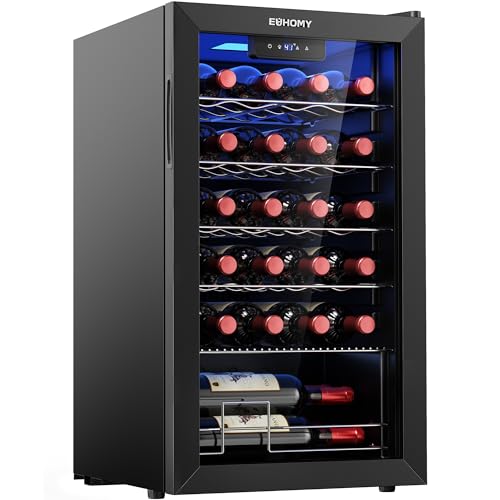
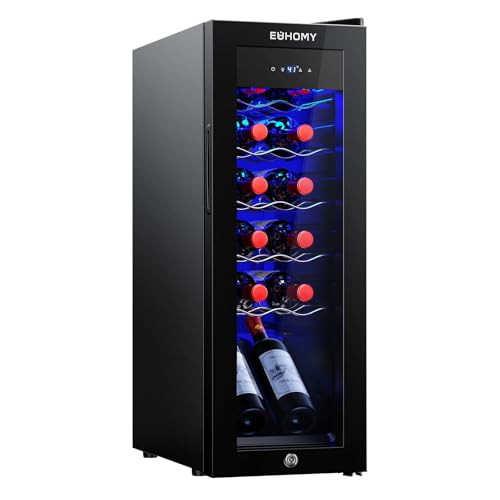
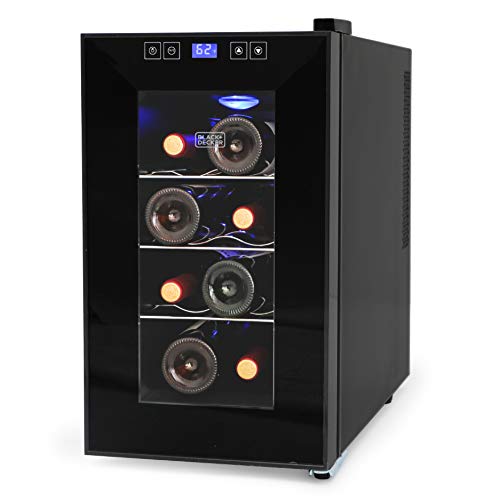
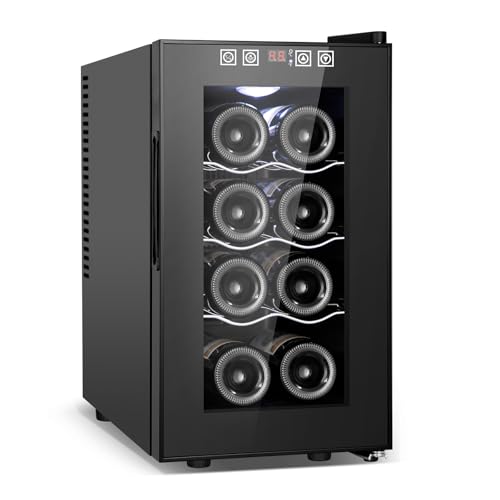
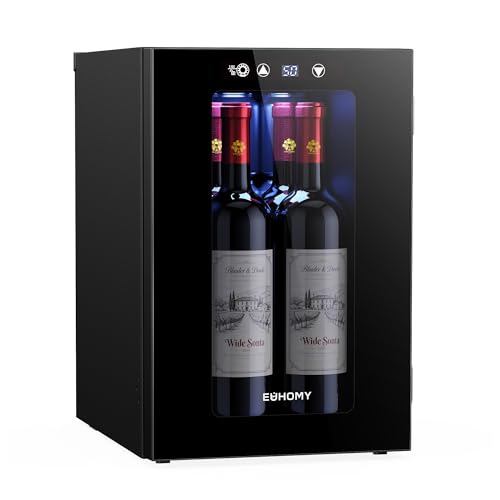
Wine fridges get big fast. Once you start comparing 15, 20, and 24 bottle models, it's easy to end up sizing up for space you don't actually have. If you live in an apartment, a studio, or you're just starting to build a collection, the best 12 bottle wine cooler is often the more realistic choice than the mid-size units most buying guides push first. It sits on a counter or bar cart, needs no dedicated nook, and holds enough to keep a rotating selection chilled without turning into furniture you have to plan a room around. This guide focuses on what actually matters at this specific size, not general wine fridge advice that applies just as well to a 24-bottle unit.
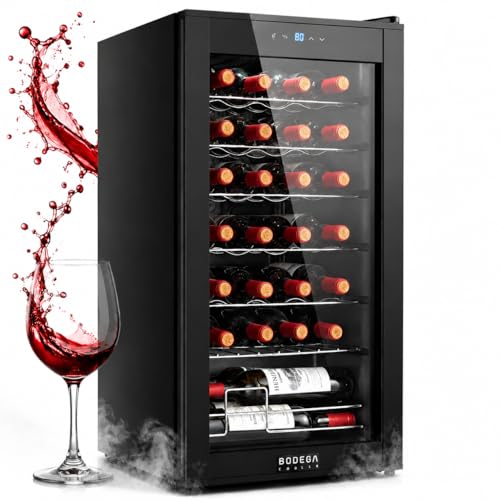
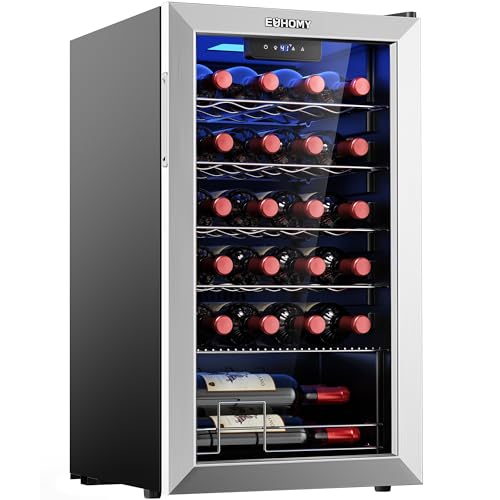
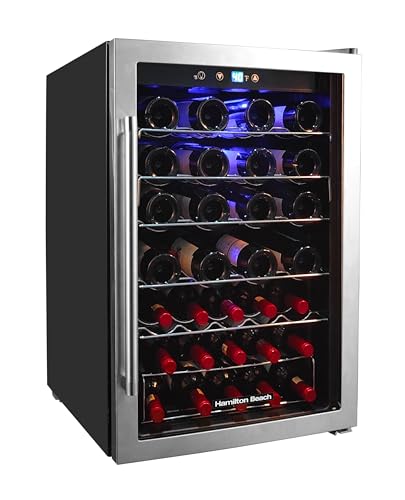
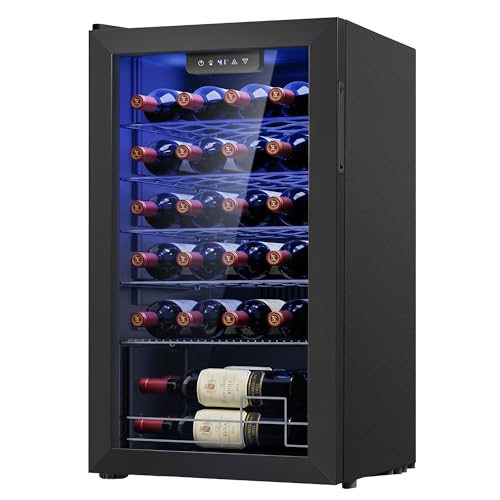

Who a 12-Bottle Wine Cooler Actually Fits
Small Apartments and First Home Bars
Twelve bottles works out to roughly a case and a half, which is plenty for someone who buys a few bottles a month and drinks through them at a normal pace. Renters like this size because it asks for nothing beyond an outlet and a bit of clear counter space, with no cutout, no plumbing, and no commitment to a spot that has to stay put. It also suits anyone buying their first cooler, since a smaller unit is a lower-risk way to find out whether you'll actually use one before spending on something bigger.
When One Household Needs More
A dozen bottles fills up quickly if you host often, keep a mix of everyday drinking wine and bottles you're saving for later, or buy wine by the case when a good deal shows up. If that sounds like your household, a 12-bottle unit will feel cramped within a few months rather than years, and it's worth thinking honestly about how fast your collection grows before settling on the smallest option.
Countertop or Under-Counter: Matching the Format to Your Space
Freestanding Countertop Units
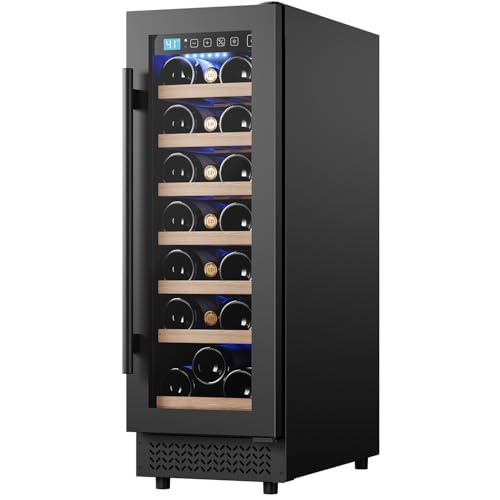
Most coolers at this size are freestanding, vented from the back or sides, and designed to sit wherever you have room, whether that's a kitchen counter, a bar cart, or a narrow gap between appliances. They need nothing more than an outlet and a few inches of clearance, which makes them the default pick for renters and anyone who isn't ready to modify a cabinet.
Built-In Under-Counter Units
A smaller share of 12-bottle coolers are built for a flush under-counter fit, venting through the front so heat escapes without needing side clearance. These cost more and require a planned cutout, so they make more sense if you're finishing a permanent home bar than if you're furnishing an apartment you might leave in a year. Never install a freestanding model into a cabinet designed for a front-venting unit, since trapping its side vents overheats the compressor or thermoelectric module over time.
Cooling Features That Matter Most in a Compact Unit
Thermoelectric vs Compressor at This Size
Small coolers lean heavily toward thermoelectric cooling because it runs quiet, produces no vibration, and fits into a compact cabinet without extra bulk. The tradeoff is a limited range, usually around 20 degrees below room temperature, so a thermoelectric unit in a warm kitchen may never get as cold as its dial suggests. Compressor-based 12-bottle coolers hold temperature more reliably in warm rooms but add a light hum and mild vibration, which matters more on a quiet counter or bar cart than it would in a larger appliance tucked into a kitchen island.
Single Zone Is the Norm
Nearly every cooler in this size range is single zone, meaning the whole cabinet holds one temperature rather than splitting into separate compartments. That's fine for a fairly uniform collection or wine you'll drink within a few weeks. If your household regularly wants a chilled white and a room-temperature red on hand at once, a dual-zone model solves that, though it usually comes in a larger footprint than a compact 12-bottle unit can offer.
Fitting a Small Cooler Into a Tight Kitchen or Bar Cart
Because this size is compact enough to sit on furniture instead of the floor, placement gets more flexible but also easier to get wrong. A bar cart or open shelving unit works well as long as the cooler sits level and isn't wedged between appliances that block airflow. Keep it away from a stove, toaster oven, or any spot that picks up radiant heat throughout the day, since a compact cooler's cooling system has less headroom to compensate than a full-size unit does.
Choosing the best 12 bottle wine cooler for a bar cart is partly about placement, not just the unit itself, since the wrong spot undoes even a well-built cooler's performance. Don't assume a smaller cooler needs less airflow just because it takes up less counter space. Freestanding models still need a couple of inches of clearance on the sides and back, and skipping that clearance is one of the most common reasons a small cooler's compressor or thermoelectric module wears out early. Most 12-bottle units run somewhere around 10 to 14 inches wide, similar to a large toaster oven footprint, so it's worth measuring your spot, clearance included, before you order one.
Signs You'll Outgrow 12 Bottles Sooner Than Expected
If you're already noticing that a dozen bottles disappears within a few weeks, or you keep buying extra bottles that end up sitting on a counter because the cooler is full, that's a sign to size up now rather than replace the unit again next year. Households that want separate temperature zones for reds and whites also tend to outgrow single-zone 12-bottle models quickly, since most dual-zone options start at a larger capacity.
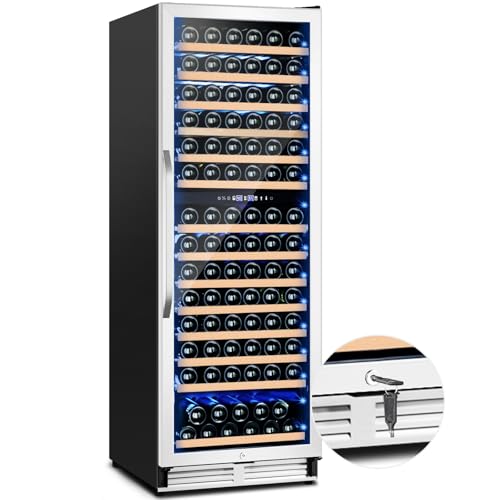
A step up to an 18 bottle wine cooler covers this gap for a lot of buyers without demanding much more counter or floor space. If your collection is likely to keep growing over the next year or two, comparing it against a 24 bottle wine cooler before you buy can save you from replacing a small unit sooner than expected.
Frequently Asked Questions
How many bottles does a 12 bottle wine cooler actually hold?
Most units hold close to their rated 12 bottles with standard 750ml Bordeaux-shaped bottles. Wider Burgundy or Champagne bottles can reduce that count depending on the shelf design.
Is a 12 bottle wine cooler big enough for one or two people?
For one or two people buying wine every few weeks, 12 bottles is usually enough to keep a rotating selection on hand without frequent restocking or running out entirely.
Can a 12 bottle wine cooler sit safely on a countertop?
Yes, most models this size are designed specifically for countertop or bar cart placement, as long as the surface is level and there's a few inches of clearance around the unit.
Is thermoelectric or compressor cooling better for a small cooler?
Thermoelectric is the more common choice at this size because it's quiet and compact, but it struggles in warm rooms. Compressor models cool more reliably in heat but produce a light hum.
What temperature should a 12 bottle wine cooler be set to?
A general storage setting in the mid-50s Fahrenheit works for a mixed collection. For serving temperature instead of long-term storage, whites do better closer to 45 to 50 degrees and reds closer to 60 to 65 degrees.
Does a small wine cooler still need ventilation clearance?
Yes. Freestanding units still need side and rear clearance despite their compact size, and built-in models vent from the front and need that grille left unobstructed.
How much counter space does a 12 bottle wine cooler need?
Most models run around 10 to 14 inches wide and 19 to 21 inches deep, close to a large toaster oven footprint. Measure your spot, including clearance, before ordering.
Making the Call for Your Space
The best 12 bottle wine cooler for your home is the one that matches how you actually drink, not the largest number you could theoretically fit on a counter. If your household buys wine casually and has limited space, this size covers daily use without asking for a dedicated room. If your collection is growing fast or you regularly need two temperature zones, it's worth sizing up before your first small cooler feels outgrown.