
Best Composting Toilets for Tiny Houses of 2026: Complete Buying Guide
Disclosure: We may earn a commission when you buy through links on this page, at no extra cost to you. As an Amazon Associate I earn from qualifying purchases. Learn more
Compare composting toilets for tiny houses by size, venting, capacity, and emptying routine, and pick a setup that fits your space and local rules.
A tiny house leaves little room for error when you pick a toilet, so choosing best composting toilets for tiny houses starts with space, venting, and emptying routines rather than looks alone. This guide compares types, sizes, and costs in plain language, and the comparison table below gives you a quick side by side view before you read the details.
You will learn how urine diversion works, how much room each style needs, and what daily care really looks like, so you can match a unit to a full time home, a weekend cabin, or a mobile build. Check local plumbing rules early, and bring in a qualified installer if the vent route or floor support is unclear.
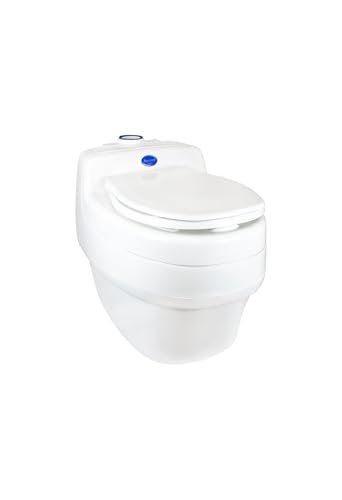
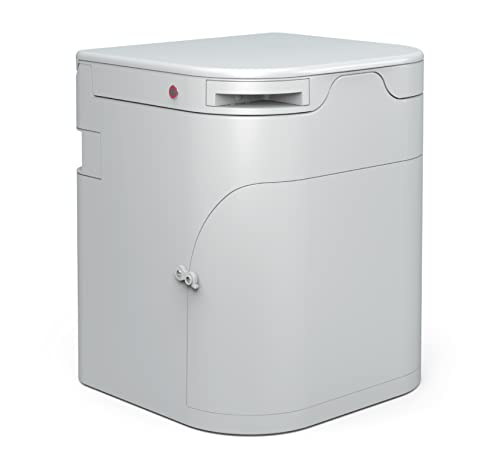
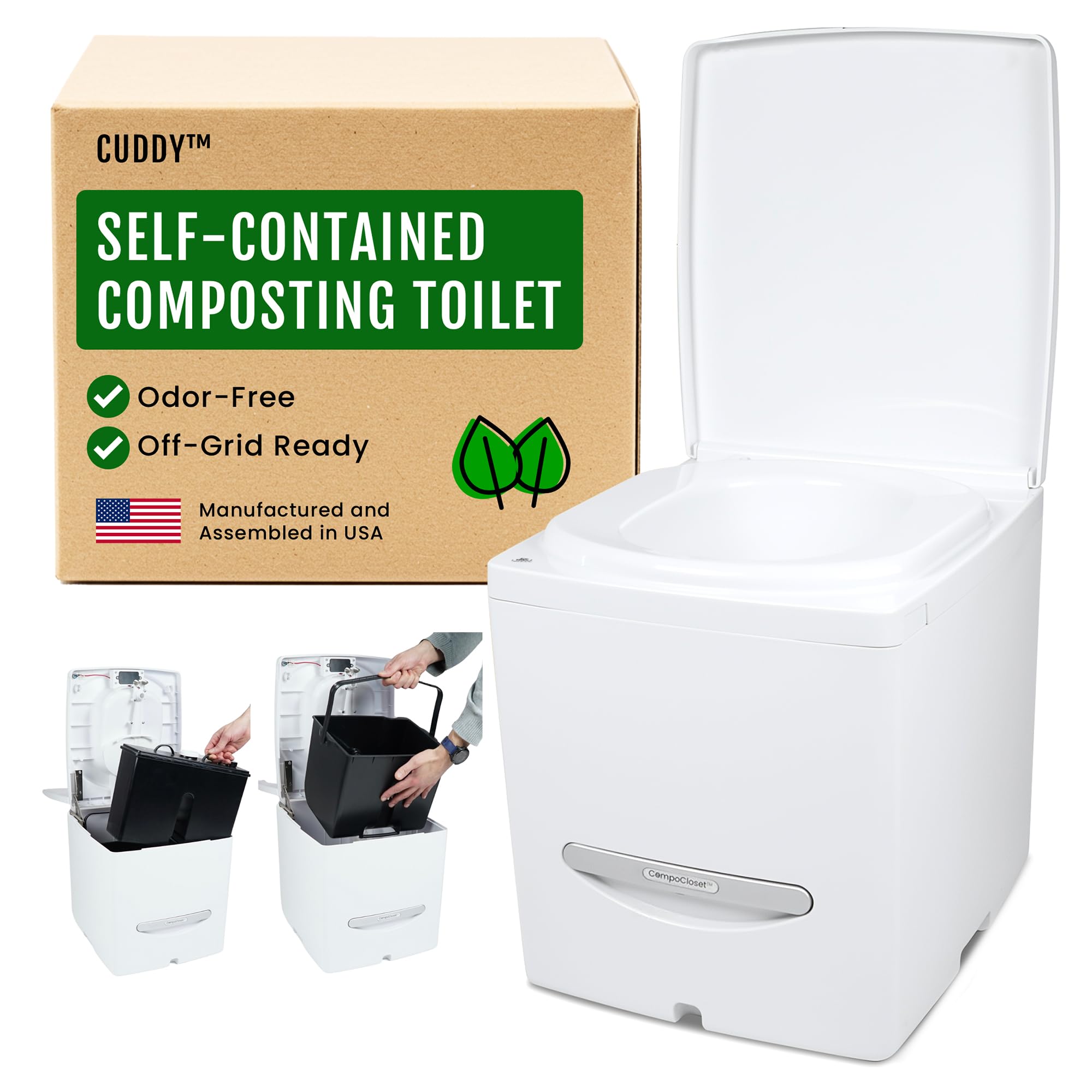
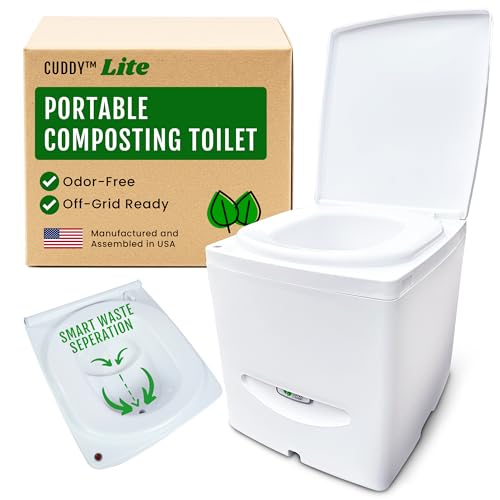
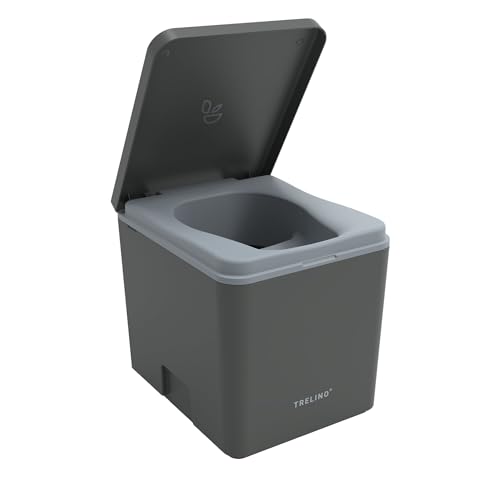


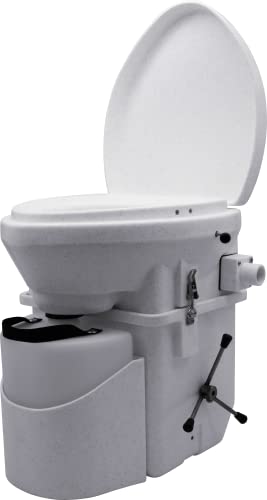
Who Should Buy Which Composting Toilet?
The right unit depends on how often it is used and how much space you can give it. A full time home needs a larger chamber and steady venting, while a weekend cabin can get by with a simpler setup. If you are still weighing a standard toilet against a composting unit, see our guide to best toilets for tiny homes for the wider picture.
Full Time Tiny House Residents
Daily use calls for a generous solids chamber, a reliable vent fan, and a clear emptying routine you can repeat without fuss. Look for a seat height that suits everyone in the home and a urine bottle you can remove without tools. A unit that is hard to empty will become a chore fast, so test the latches and handles in your mind before you buy.
Weekend and Guest Cabins
Occasional use puts less pressure on capacity, so a smaller non powered unit can work well and keep costs down. You still need a vent route and a plan for bulking material, but emptying can happen between visits rather than every week. Keep spare bulking material on site so guests are never left guessing.
Mobile Tiny Houses on Wheels
A mobile build needs a unit that stays put on the road, with a secure mount and a vent that will not leak while you travel. Check the total weight and the height under the seat, since both affect floor loading and headroom. Power draw matters too, so confirm whether the fan runs on your battery system or needs mains power at a hookup.
Spending Guidance by Budget
Price mostly buys capacity, venting quality, and ease of emptying, not a different basic idea. The sections below describe what each spending level usually includes, so you can decide where extra money helps and where it does not. For a sense of how toilet guides rank features overall, see our guide to best ranked toilets.
Lower Cost Setups
Lower cost setups are usually simple non powered units with a smaller chamber and a manual urine bottle. They suit light use and buyers who are happy to empty more often and manage venting with a basic pipe. Expect plain materials and fewer extras, and plan to add your own bulking material and cleaning supplies.
Mid Cost Setups
Mid cost setups often add a powered vent fan, a larger solids chamber, and sturdier seals and latches. This level suits full time use, since the fan helps with odor control and the bigger chamber stretches the time between emptying. It is a sensible middle ground for most tiny houses that have reliable power.
Higher Cost Setups
Higher cost setups may offer a central chamber, a heated or agitating design, or a more polished bathroom fit. They make sense when several people share the home, when emptying access is awkward, or when you want the quietest and tidiest routine. Even at this level, check the footprint and vent route first, since a premium unit still needs the same basics.
How to Choose a Composting Toilet
Work through the factors below in order, and let the tightest constraint in your home decide first. In most tiny houses that constraint is floor space or the vent route, not the feature list.
Features That Matter for Tiny Houses
Tiny houses need a compact footprint, a low seat height where headroom is tight, and a chamber you can reach without moving furniture. Urine diversion keeps liquids out of the solids chamber, which helps with odor and with how often you empty each part. A clear indicator or a simple sight check for the urine bottle helps you avoid overfilling.
Measuring for Size and Portability
Measure the width, depth, and height of the space, then add room to open lids and remove the chamber and bottle. Note the door width too, since a unit that cannot enter the bathroom is useless no matter how good it looks. If you may move the home later, weigh portability against capacity, because a larger chamber is heavier when full.
Material and Construction
Most units use molded plastic bodies with stainless hardware, which keeps weight down and resists moisture. Check that hinges, latches, and seals feel solid, since these parts get daily use and the cheapest fittings wear first. A smooth interior is easier to clean, and a seat that fits standard replacement seats gives you more options later.
Performance and Odor Control
Odor control comes from separating liquids, adding dry bulking material after each solid use, and venting moist air outside. A powered fan gives steadier airflow than a passive pipe, especially in still weather or a tightly sealed home. Keep the vent run short and straight where possible, and avoid dips where moisture can collect.
Comfort and Daily Use
Comfort means a stable seat, enough legroom, and a routine that fits your day. A seat that wobbles or a bottle that is awkward to carry will annoy you far more than a missing extra feature. Think about who uses the toilet at night and whether the fan noise or a step up to the seat could be a problem.
Venting and Power
Every composting toilet needs a vent to the outside, and the fan version needs a power source you can rely on. Confirm the voltage, the wiring route, and what happens during a power cut, since a fan that stops can let odors build up. If you live off grid, match the fan draw to your battery bank and solar input before you commit.
Style and Bathroom Fit
Style matters in a small bathroom because the toilet is always visible, but it should never outrank fit and venting. Choose a color and shape that sits well with your walls and floor, and leave access panels where pipes and fans can be serviced. A tidy install with sealed edges looks better and is easier to keep clean.
Types of Composting Toilets
The three types below differ mainly in where the composting happens and how the unit is emptied. Pick the type that matches your space, your power supply, and your tolerance for hands on care.
Separate Chamber Units
Separate chamber units keep liquids and solids apart from the start, which simplifies emptying and odor control. They suit most tiny houses because the parts are light enough to carry and the routine is easy to learn. The trade off is more frequent emptying of the smaller urine bottle.
Self Contained Units
Self contained units hold everything in one body that sits in the bathroom, so installation is simpler and no extra chamber space is needed elsewhere. They work well in very small homes and mobile builds, but capacity is limited by the single body. Check the emptying route carefully, since you will carry the whole chamber out.
Central Units
Central units send waste to a larger chamber below or beside the bathroom, which stretches the time between emptying and suits larger households. They need more planning for pipes, access, and floor support, and they are harder to move later. For a fixed tiny house with room underneath, this type can give the calmest long term routine.
Care and Maintenance Tips
Good care is mostly a short routine repeated well, not a deep clean every week.
- Empty the urine bottle before it fills completely, rinse it, and let it dry so residue does not build up.
- Add a scoop of dry bulking material after each solid use to keep the chamber dry and to help with odor.
- Check the vent pipe and fan intake now and then for dust, insects, or moisture that could slow airflow.
- Wipe seals and hinges with a damp cloth and dry them fully, since grit on a seal can let odors escape.
- Store spare bulking material in a dry sealed container so it stays loose and easy to scoop.
Frequently Asked Questions
What features matter most in composting toilets for tiny houses?
Size, venting, and easy emptying matter most, because a unit that does not fit or vent well will disappoint no matter what else it offers. Urine diversion and a powered fan help a great deal with odor control in a small space. After those basics, look at chamber capacity, seat height, and how simply the bottle and chamber come out for cleaning.
Are higher cost composting toilets worth it?
Higher cost units are worth it when they solve a real problem in your home, such as a larger household, awkward emptying access, or a need for quieter operation. They are less worthwhile if a simpler unit already fits your space, power supply, and routine. Compare the chamber size and venting first, since those affect daily life more than a polished finish.
How often do I need to empty a composting toilet in a tiny house?
Emptying frequency depends on household size, chamber size, and how much bulking material you use, so there is no single answer for every home. The urine bottle usually needs emptying every few days for a full time household, while the solids chamber may last several weeks. Keep a simple log at first, and you will soon learn the rhythm that suits your home.
How do I keep a composting toilet fresh longer?
Keep liquids separate, add bulking material every time, and keep the vent fan running so moist air leaves the bathroom. Avoid putting wet wipes or cleaning chemicals into the chamber, since they can upset the dry balance you are trying to keep. A quick wipe of the seat and seals during your normal bathroom clean also helps a great deal.
Do composting toilets need a vent in a tiny house?
Yes, every composting toilet needs a vent to the outside, even a non powered unit, because moist air and odors must have somewhere to go. A short straight vent run with a fan gives the most reliable result, especially in a tightly sealed tiny house. If you cannot route a vent, pause the purchase and talk to a qualified installer about your options.
Wrapping Up
The best choice is the unit that fits your floor, vents cleanly, and gives you an emptying routine you can live with week after week. Start with measurements and local rules, then compare capacity, fan power, and ease of emptying before you worry about style. Availability and parts support can vary by region, so check our guides to best composting toilets canada and best composting toilets australia if you plan to buy outside the United States. When you have narrowed it down, revisit best composting toilets for tiny houses against the product table above and pick the setup that fits your home, your power supply, and your routine.


