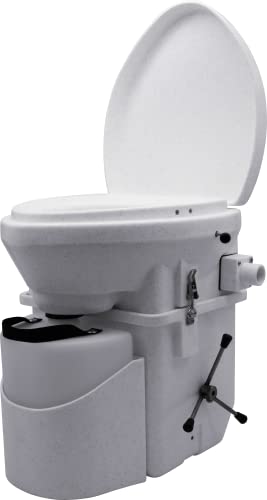
Best Compact Toilets for Small Bathrooms: Buying Guide for 2026
Disclosure: We may earn a commission when you buy through links on this page, at no extra cost to you. As an Amazon Associate I earn from qualifying purchases. Learn more

Best compact toilets for small bathrooms: how depth, rough in, bowl shape, and flush type compare for tight layouts.
A tight bathroom leaves very little room for error, and a toilet that projects too far into the room can crowd knees, block a door, and make cleaning awkward. Choosing best compact toilets for small bathrooms starts with honest measurements, not with style alone. The comparison table below gives you a quick way to compare depth, bowl shape, and flush type side by side.
This guide explains how to measure your space, what the key numbers mean, and which trade offs matter most in daily use. You will learn how to protect legroom and keep a strong flush in a room only a few feet wide.
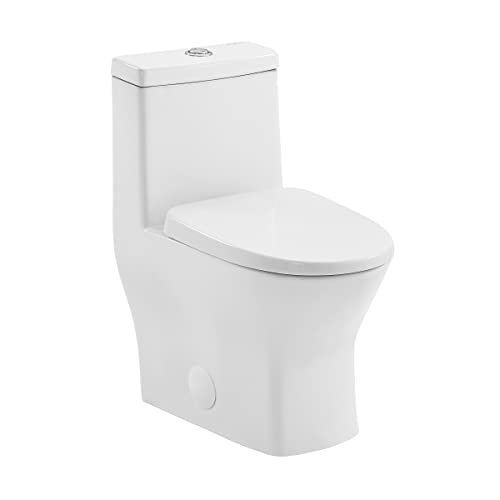
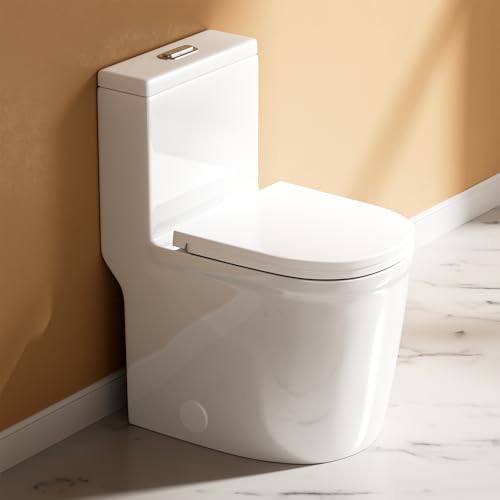
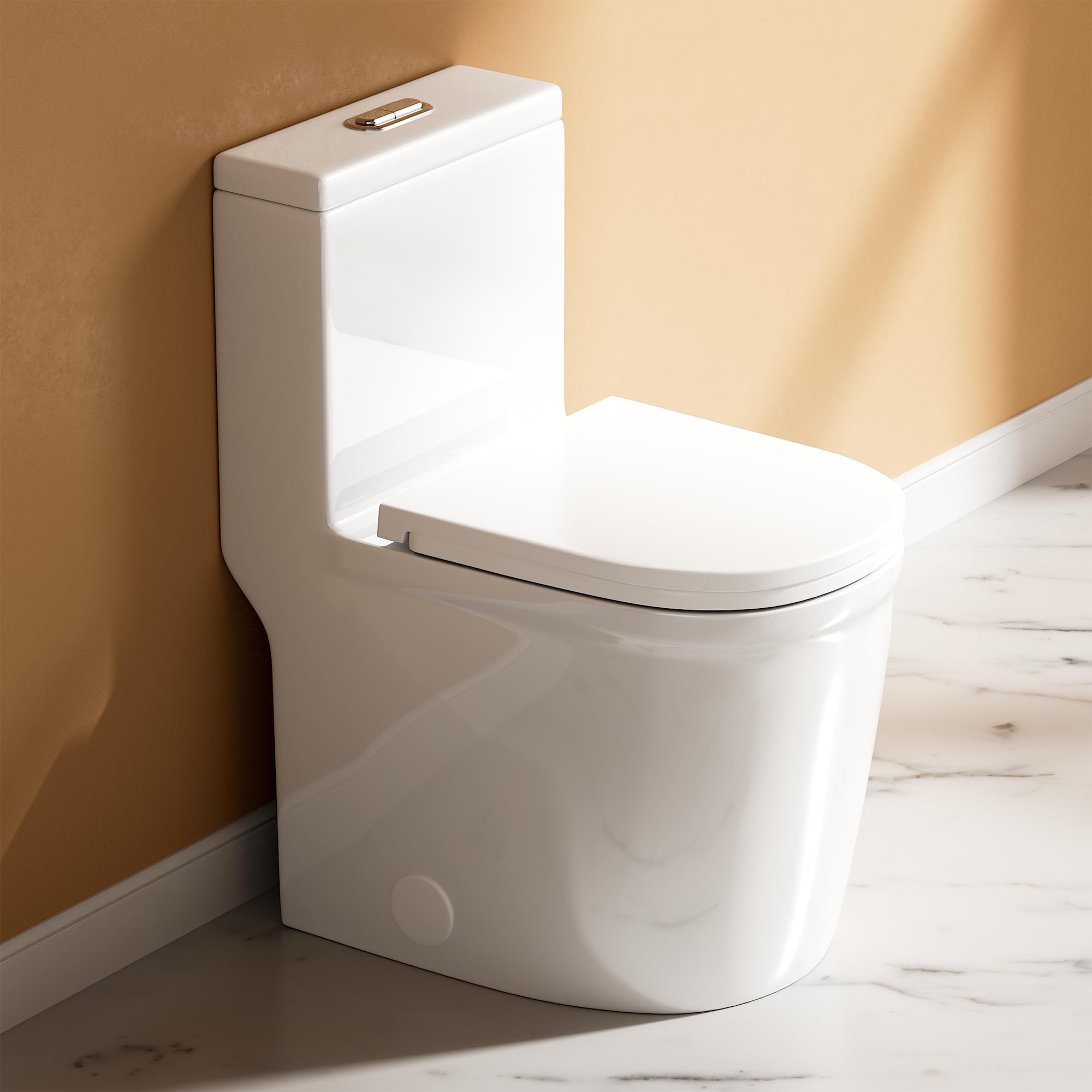


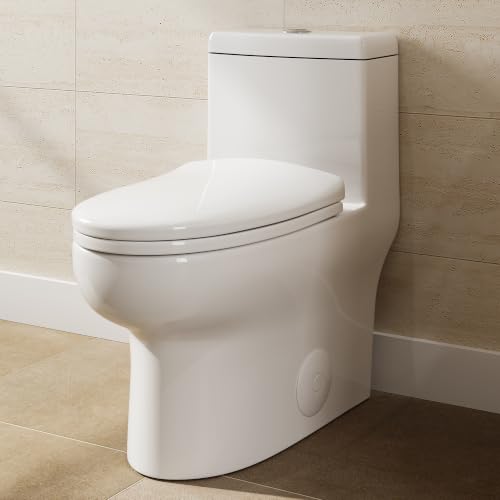
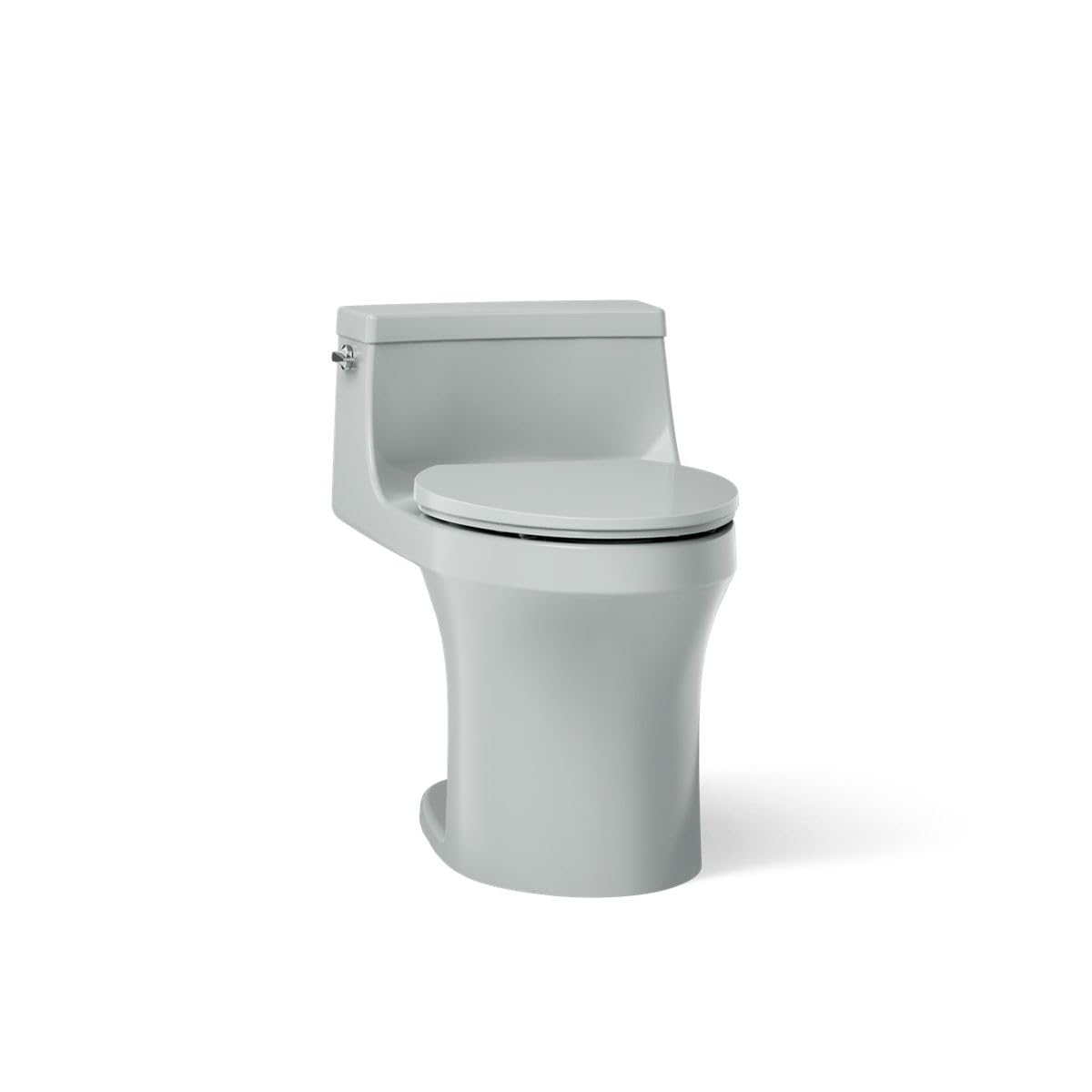
Who Should Buy a Compact Toilet?
Compact models are not simply smaller versions of standard toilets. They save space in specific ways, and the right saving depends on how your bathroom is used every day.
Owners of Powder Rooms and Half Baths
A powder room often has to fit a toilet and a small sink into a narrow footprint, with a door that swings inward. A short projection bowl helps the door clear the toilet and leaves more standing room at the sink. Look for a round front bowl and a total depth under about 26 inches.
Families Fitting a Toilet Into a Busy Main Bathroom
In a shared bathroom, saving two or three inches can make room for a wider vanity or a clearer path to the shower. An elongated bowl with a compact tank can preserve sitting comfort while reducing total depth. If children and adults share the toilet, seat height and a flush that clears reliably on the first try deserve close attention.
Renters and Renovators Working Around Fixed Plumbing
If your floor flange and water supply cannot move, your choices narrow quickly. Measure first, then focus on models built for your existing rough in distance. Some compact designs save space at the tank instead of the bowl, which suits a renovation where the wall position is fixed. For a broader starting point before you narrow down, see our guide to the best bathroom toilets and note how standard models compare in depth.
Key Features to Compare
The product table above lists the numbers that matter, but numbers only help when you know what each one changes in use. Comparing best compact toilets for small bathrooms comes down to fit first, then comfort, then flushing.
Rough In Distance and Total Depth
Rough in is the distance from the finished wall to the center of the floor drain, most often 12 inches in homes in the United States, with 10 inch and 14 inch versions in older layouts. A toilet built for the wrong rough in will leave a large gap behind the tank or fail to fit at all. Total depth, from the wall to the front of the bowl, tells you how much floor space the toilet takes, so compare depth first.
Bowl Shape and Seat Size
Round front bowls are shorter from front to back and are the classic space saving choice. Elongated bowls add length at the front and feel more supportive for many adults, but they can erase the space you hoped to save. Some makers shape an elongated seat to fit over a shorter bowl, offering a middle path. Balance door clearance and knee room against how long people in your home usually sit.
Flush Power and Water Use
A compact toilet still needs to clear waste in one flush, or any water savings disappear when you flush twice. Look for a strong flush rating and a fully glazed trapway, which helps waste move smoothly. WaterSense labeled models use 1.28 gallons per flush or less, compared with 1.6 gallons for standard efficient models, and must also meet performance standards. Gravity systems are simple and quiet, while pressure assist systems use compressed air for a stronger but louder flush.
Seat Height and Comfort
Standard height toilets measure about 15 inches from the floor to the top of the bowl rim, not counting the seat. Comfort height models measure about 17 to 19 inches to the rim, close to a typical chair, which many taller adults and older users find easier for sitting and standing. In a very small bathroom, a taller bowl can feel large, so weigh ease of use against the added bulk.
Construction, Tank Shape, and Cleaning
One piece toilets combine tank and bowl into a single molded unit, which removes the seam where grime collects and often gives a lower profile. Two piece toilets join a separate tank to the bowl during installation, cost less on average, and are easier to carry into a tight room one part at a time. A skirted trapway, where a smooth side covers the curved drain path, wipes clean faster than an exposed trapway with ridges.
Types of Compact Toilets
Once fit and flushing are clear, the main types differ in where they save space and what installation they need. Use the product table above to check which type matches your plumbing.
Round Front Two Piece Toilets
This is the most common and usually the lowest cost compact option. The round bowl shortens projection, parts are widely available, and most plumbers install them quickly. The trade off is a smaller seat and a visible seam between tank and bowl that takes a little more cleaning. For the very smallest footprints, you can also see our guide to the best small toilets for models built around minimal depth.
Compact Elongated Toilets
These models keep an elongated seat shape but shorten the tank or reshape the bowl to cut total depth. You get better thigh support than a round bowl while saving an inch or two compared with a full size model. Check the stated depth carefully, since some elongated models are only slightly shorter than standard ones.
Wall Hung Toilets
A wall hung toilet mounts to a carrier frame inside the wall, with the tank hidden behind the wall surface. Moving the tank out of the room can save the most floor space of any type and makes mopping underneath simple. Installation costs more and needs wall access and solid framing, so this type fits planned renovations best.
Corner Toilets
A corner toilet uses a triangular tank designed to fit into the corner, turning an awkward angle into usable space. It can free wall length for a wider sink or storage. Bowl choice is limited and replacement tanks are harder to find, so consider this type only when a standard placement truly wastes the corner.
How to Measure and Plan Installation
Measure from the wall surface, not the baseboard, to the center of the flange bolts at the floor. Next, measure the space to the nearest obstacle in front of the toilet. Building codes in many areas call for at least 15 inches from the center line to a side wall or fixture, and at least 21 inches of clear space in front of the bowl, so check local rules before ordering.
Then check door swing and the water supply position. A door that hits the bowl is a daily annoyance you can predict with a tape measure and a piece of tape on the floor marking the new bowl front. Confirm the shut off valve location will not clash with a skirted base or a wider tank.
For installation, plan for a new wax ring or silicone ring, a fresh supply line, and time to clean the flange before setting the new bowl. A one piece unit is heavy and awkward to lower onto bolts in a tight space, so arrange a second person to help. Level the bowl and avoid overtightening the floor bolts, since porcelain can crack under excess force.
Common Mistakes to Avoid
- Ordering by bowl shape alone without checking total depth, so the new toilet projects as far as the old one.
- Measuring rough in from the baseboard instead of the wall, which leads to a toilet that does not fit the flange.
- Ignoring door swing, so the door hits the bowl or cannot open fully after installation.
- Choosing the lowest water use model without checking flush performance, which leads to repeated flushing and clogs.
- Forgetting side clearance, so shoulders and elbows feel cramped against a wall or vanity.
- Reusing an old wax ring or supply line, which raises the risk of a slow leak under the base.
Care and Maintenance for Compact Toilets
Clean the bowl regularly with a toilet bowl cleaner and a soft brush, and avoid abrasive pads on porcelain. Wipe a skirted base with a damp cloth, and check behind the tank where dust and moisture collect quickly. Periodically lift the tank lid and look for a worn flapper or a running fill valve, since a silent leak wastes water and can raise your bill.
Once or twice a year, check the base for movement and inspect the floor for softness that could signal a failing seal. Tighten tank and seat bolts gently, and replace a loose seat promptly.
Frequently Asked Questions
How much space does a compact toilet save compared with a standard toilet?
A compact toilet typically saves about 2 to 4 inches of depth compared with a standard model. That saving usually comes from a round front bowl, a shorter tank, or both. In a small bathroom, even 2 inches can decide whether a door swings freely. Measure your current toilet depth before shopping so you know the real gain a new model offers.
Can a compact toilet have an elongated seat?
Yes, a compact toilet can have an elongated seat when the maker shortens the tank or reshapes the bowl to offset the longer front. You gain seat support without giving back all the saved depth. Always compare total depth, not seat shape alone, because some elongated models save less than an inch. Check knee clearance to the wall or tub in front as well.
Do compact toilets flush as well as full size toilets?
Compact toilets can flush just as well as full size models when the trapway is fully glazed and the flush system is well designed. Size alone does not decide performance. Look for a proven flush rating and a WaterSense label, which requires passing waste removal tests. A pressure assist option adds clearing force if your home has a history of clogs, at the cost of more noise.
What rough in size do most compact toilets need?
Most compact toilets need a 12 inch rough in, which matches the most common drain placement in homes in the United States. Models for 10 inch rough ins exist for older bathrooms where the drain sits closer to the wall, but choice is narrower. Measure from the finished wall to the center of the flange bolts before you order. Guessing this number is the fastest route to a return.
Is a wall hung compact toilet worth the extra installation cost?
A wall hung compact toilet is worth the cost when you are already opening the wall for a renovation and floor space is the top priority. It saves the most room and simplifies floor cleaning. For a simple replacement with finished walls, the labor and framing work usually outweigh the gain. Get a plumber quote for the carrier frame and wall repair before deciding.
Final Thoughts
The right choice comes down to three checks: a rough in that matches your drain, a total depth that frees real space, and a flush you can trust on the first try. Use the product table above to compare those points first, then weigh seat height and cleaning style. When you focus on fit before looks, best compact toilets for small bathrooms stop being a compromise and become the toilet that finally makes a tight room feel easy to use every day.