Best Table Saw for Small Shop: A Space-Smart Buying Guide
Disclosure: We may earn a commission when you buy through links on this page, at no extra cost to you. As an Amazon Associate I earn from qualifying purchases. Learn more
A one-car garage or basement corner rarely feels big once a table saw shows up. Between the outfeed space, the fence rails, and the stack of lumber waiting to be cut, a single tool can eat the whole room. Finding the best table saw for small shop setups means thinking about footprint and mobility first, then power second, not the other way around. In this guide, you will learn how saw type affects floor space, how to size rip capacity and motor power to the room you actually have, how mobile bases and folding stands keep a saw from taking over your shop, and which space-related mistakes trip up most small-shop owners.

Types of Table Saws That Actually Fit a Small Shop
Table saws are usually grouped by power and price, but in a tight shop, the more useful way to sort them is by footprint and how they live in the room when you are not cutting. Picking the best table saw for small shop use almost always comes down to choosing between these three categories first, before you even look at brands or price ranges.
Benchtop Saws: The Smallest Footprint
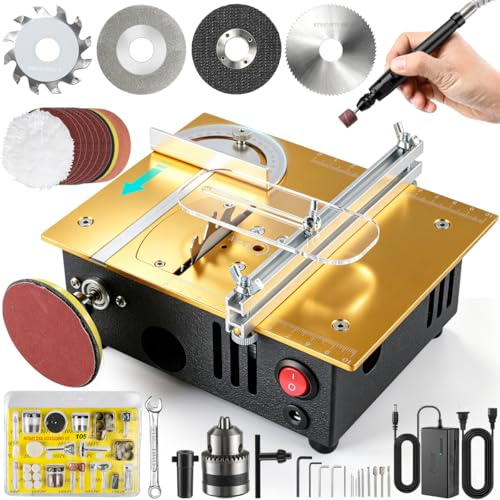
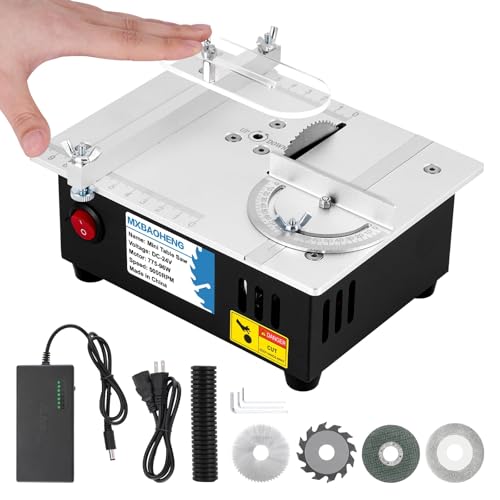
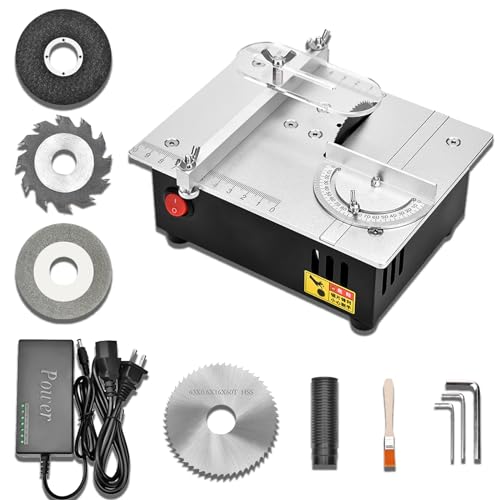
Benchtop saws are the lightest and most compact option, designed to sit on a workbench, sawhorses, or a simple stand rather than a dedicated cabinet. Because they do not come with a built-in rolling base in most cases, they can be lifted onto a shelf or slid under a bench when a project wraps up. The tradeoff is a lighter frame, which means less stability on large stock and a motor that generally puts out less power than a jobsite or cabinet saw.
Jobsite Saws: More Capability Without a Permanent Spot
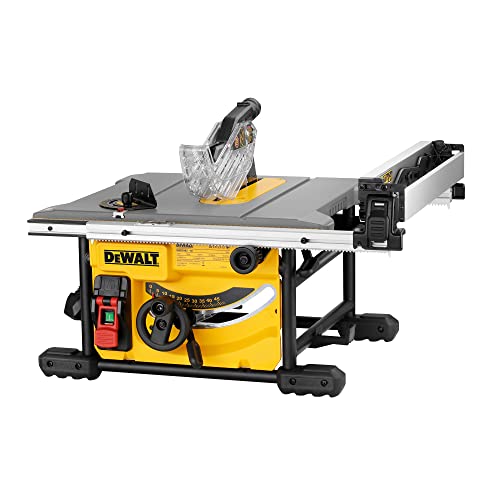
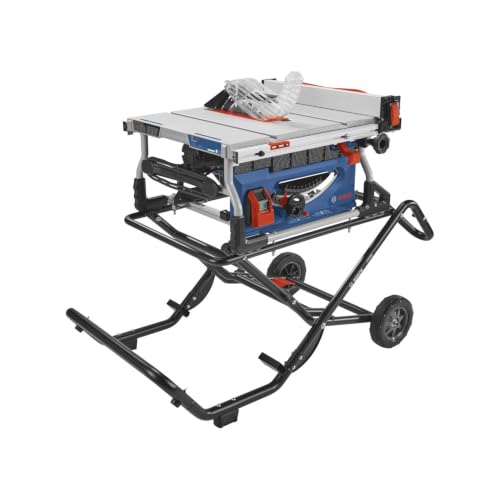
Jobsite saws sit in the middle of the lineup. They usually come with a folding stand and wheels, so a single person can roll the saw out for a project and push it back against the wall when the car needs to park for the night. They are heavier and more rugged than benchtop models, with better fences and more rip capacity, which makes them a strong fit for a garage that has to double as a parking spot or general storage area. A garage set up this way often ends up holding other portable equipment too, so it helps to think about a home garage air compressor and the saw as sharing the same limited floor plan rather than planning for each tool in isolation.
Compact Cabinet and Hybrid Saws: When You Have a Little More Room
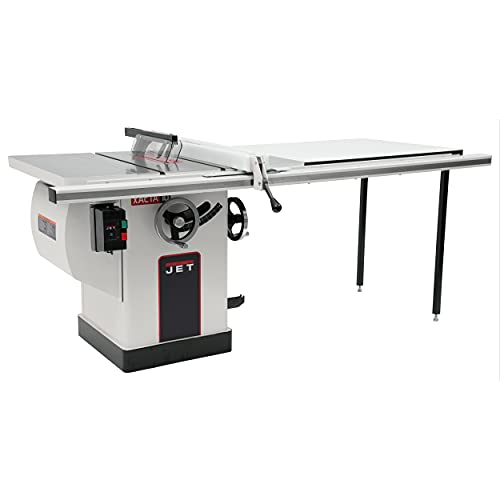
Cabinet and hybrid saws deliver the most power and the most accurate cuts, but they need a dedicated spot on the floor and are rarely designed to move easily. A compact hybrid model can work in a small shop if you have even one corner that is permanently free, but if every square foot needs to serve double duty, this category usually asks for more commitment than the space can give back.
Matching Rip Capacity and Motor Power to Your Actual Floor Space
Spec sheets list maximum rip capacity as a selling point, but that number only matters if your shop can physically support the fence being racked out that far. For a small shop, the best table saw for small shop use is almost never the model with the biggest number on the box, it is the one whose capacity matches the room.
How Much Rip Capacity You Really Need
Most small-shop projects, cabinetry parts, shelving, and trim, rarely need more than 24 to 30 inches of rip capacity. Buying a saw built for ripping full sheets of plywood down the middle sounds useful, but if the room does not have the clear floor space on both sides of the blade, that extra capacity just becomes extra bulk you have to work around every time you use the saw.
Motor Power Tradeoffs in a Compact Frame
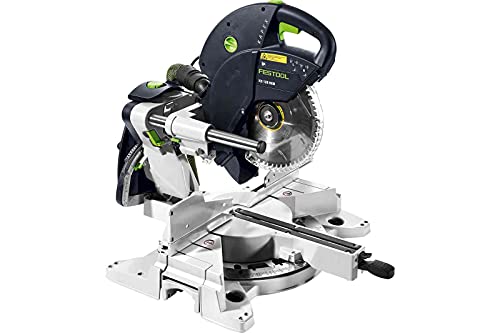
Smaller saws generally run on lighter motors, which can bog down in dense hardwood or thick rip cuts. For general shop work, moderate motor power paired with a sharp blade usually gets the job done. If your projects lean toward repetitive crosscutting rather than ripping, a dedicated compound miter saw can take pressure off the table saw and let you justify a smaller, less powerful model for the cuts that remain.
Infeed, Outfeed, and Why Clearance Matters More Than Table Size
A saw's table size gets most of the attention, but the clear floor space in front of and behind the blade matters just as much. Without enough infeed and outfeed room, long boards either need a second pair of hands or a folding support that can be set up and broken down each time. Measure the actual walking space around the saw before buying, not just the saw's footprint on paper.
Mobile Bases, Folding Stands, and Making the Saw Disappear When You're Not Cutting
In a shop that doubles as a garage or storage room, how a saw stores away matters almost as much as how it cuts. This is often where the search for the best table saw for small shop conditions is actually won or lost, since two saws with nearly identical specs can feel completely different once you have to move one out of the way every day.
Rolling and Mobile Bases
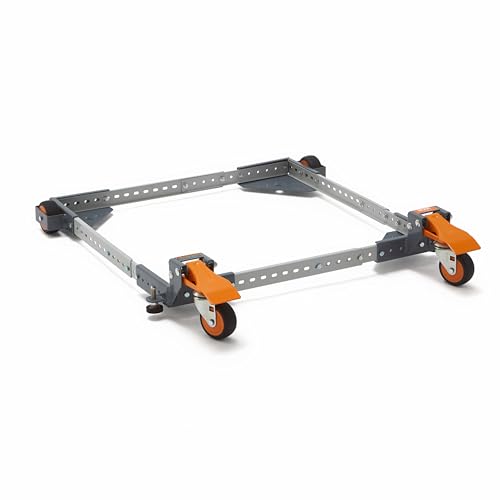
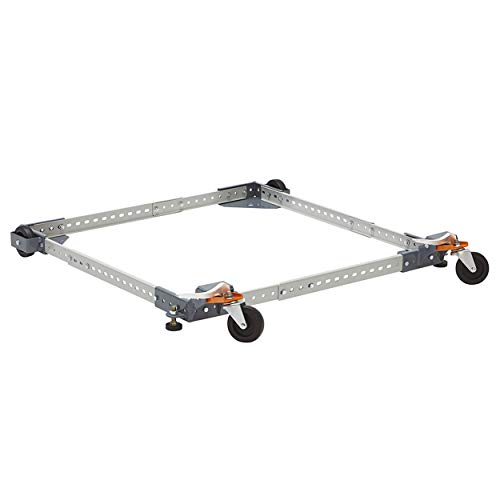
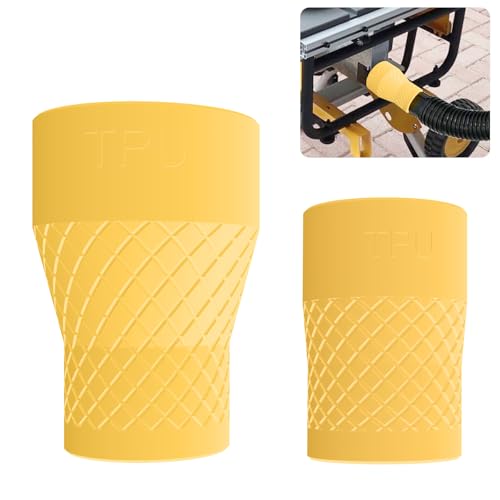
A mobile base with locking swivel casters lets one person roll a saw against the wall in seconds and lock it in place while cutting. Some carts include a channel to route a hose to a wet or dry vacuum, which keeps dust collection tidy even when the saw is parked in a corner between sessions.
Fold-Flat Stands vs. Fixed Benchtop Setups
Many jobsite stands fold down to a slim profile that can lean against a wall or slide under a workbench, freeing the floor entirely between cuts. Fixed benchtop setups skip the folding mechanism altogether, so they only save space if the bench they sit on is already doing double duty for other work.
Vertical and Wall Storage Options
Some benchtop and lightweight jobsite saws can be stored on their side or hung against a wall bracket when not in use, though this depends entirely on the manufacturer's guidance, so check before assuming it is safe for a given model. When floor space is the scarcest resource in the shop, a saw that can go vertical, even occasionally, is worth real consideration when you are weighing the best table saw for small shop use against a bigger, fixed alternative.
Common Space-Related Mistakes Small Shop Owners Make
A few habits show up again and again in cramped shops, and most of them are easy to avoid once you know to look for them. Sidestepping these mistakes is a big part of settling on the best table saw for small shop conditions, even before you compare specific features.
- Buying more rip capacity than the room can support, then permanently working around a saw that is too wide for the space.
- Ignoring outfeed clearance and improvising with a chair or box under long boards instead of planning for real support.
- Setting up in a dim corner of the garage, where poor garage lighting makes it harder to see cut lines and blade guards clearly.
- Skipping a mobile base to save money, then struggling to move a heavy saw alone every time the car needs the spot.
Frequently Asked Questions
What size table saw do I need for a small shop?
For most small-shop projects, a saw with 24 to 30 inches of rip capacity is plenty. When people ask what makes the best table saw for small shop use, sizing to that range instead of chasing the maximum spec is usually the right starting point, since your floor space has to comfortably support the fence at that width.
Is a benchtop table saw powerful enough for real woodworking projects?
Yes, for cabinetry, shelving, and general trim work, a benchtop saw can handle real projects. It will struggle more than a jobsite or cabinet saw on thick hardwood or repeated heavy ripping.
Can a jobsite table saw work as my only shop saw?
Many small-shop owners use a jobsite saw as their primary saw. It offers a good balance of rip capacity, portability, and durability, and for a lot of garage-based shops it ends up being the best table saw for small shop conditions, especially when the garage doubles as a parking spot.
How much clearance should I leave around a table saw?
Plan for at least a few feet of clear space in front of and behind the blade for infeed and outfeed, plus enough room on the sides to stand safely away from the cutting line.
Do compact table saws lose cutting power compared to full-size models?
Generally, yes. Smaller frames usually pair with lighter motors, which can struggle more with dense or thick stock than a full-size cabinet saw's motor.
What's the smallest table saw that can still rip a full sheet of plywood?
Some jobsite saws with extendable rip fences can handle a full sheet, but you will still need enough floor space on both sides of the saw to support the panel while cutting.
Is it safe to store a table saw on its side or standing up?
Some lightweight benchtop and jobsite saws are designed to be stored on end or hung on a wall bracket, but this varies by model, so always check the manufacturer's guidance first.
Do I need a dedicated outfeed table in a small shop?
Not necessarily. A fold-down outfeed support or a portable roller stand can do the job without permanently claiming floor space in a small shop.
Making the Right Call for Your Shop
The best table saw for small shop use is rarely the one with the biggest spec sheet. It is the one whose footprint, weight, and storage method match how your room actually gets used day to day. Start with how the saw needs to live in your space when it is not cutting, then build the power and capacity decisions around that reality.