Best Orbital Sanders: Budget, Midrange, and Premium Picks
Disclosure: We may earn a commission when you buy through links on this page, at no extra cost to you. As an Amazon Associate I earn from qualifying purchases. Learn more

The best orbital sanders by budget: SKIL, DEWALT and Festool picks plus dust, vibration and speed tips.
A random orbital sander is the most useful sander for most DIYers. It spins and oscillates at the same time, so it removes material quickly without leaving the swirl marks of older sanders, and it handles everything from smoothing raw lumber to prepping furniture for paint and refinishing cabinets. Prices run from around $30 for capable corded models to over $600 for professional sanders with superb dust extraction and low vibration. This guide to the best orbital sanders sorts options by budget, so you know what each tier delivers and where spending more pays off.
We cover three picks, what your money gets at each price tier, the features worth paying for, long term costs and common questions. Every sander in the table above is sold new on Amazon US. Sanding creates fine dust: wear a dust mask or respirator and eye protection, use dust collection and take extra care with old paint, which may contain lead; use a lead check kit or hire a certified professional for pre 1978 paint.




Top 3 Picks by Budget
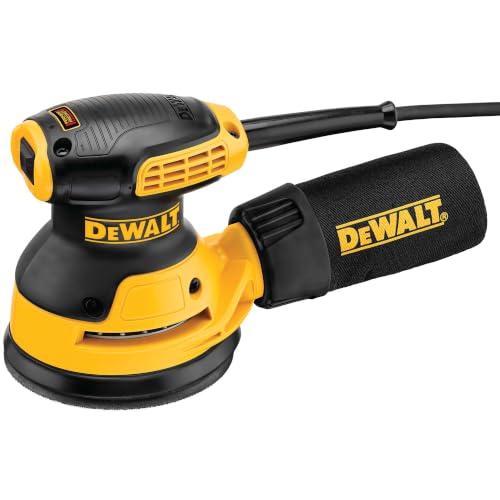
Our picks are the SKIL 5 inch Random Orbital Sander for budget buyers, the DEWALT DWE6423 5 inch Random Orbit Sander as the midrange pick for most DIYers and the Festool ETS EC 150 as a premium pick for woodworkers who sand often.
We compared motor power, speed range, vibration, dust collection, pad size, ergonomics, corded or cordless power and price, along with the overall pattern in owner feedback. We did not use these sanders ourselves; the notes reflect maker specifications.
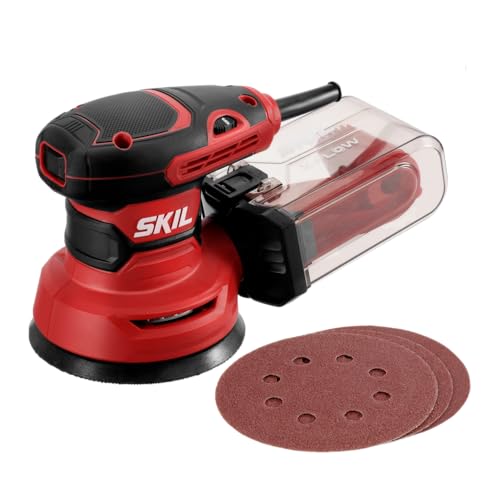
Best Budget Pick: SKIL 5 Inch Random Orbital Sander (SR211601)
The SKIL SR211601 suits beginners and occasional DIYers, at around $37. SKIL lists a 2.8 amp motor at 13,000 orbits per minute, variable speed control, an X-flow cyclonic dust box with a transparent container, a counterweight balance and soft grip for low vibration, a compact body for tight spaces and a dust sealed switch. It includes three sanding sheets.
Two strengths stand out: a low price with useful features like variable speed and a see through dust box, and a compact size that reaches into corners and furniture details. It is plenty for refinishing a table, sanding shelves and prepping trim.
The limitation is durability under daily heavy use compared with pro brands. Skip it if you sand for hours every week.

Best for: first time furniture flippers and homeowners who sand a few weekend projects a year. The clear dust box makes it easy to see when to empty it, and variable speed lets you slow down on thin veneer or painted surfaces.
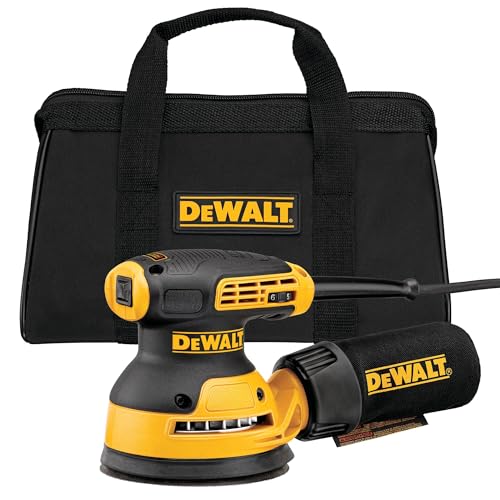
Best Midrange Pick: DEWALT DWE6423 5 Inch Random Orbit Sander
The DEWALT DWE6423 is for serious DIYers who want a durable, comfortable sander, at around $79. DEWALT lists a 3 amp motor with variable speed from 8,000 to 12,000 OPM, a separate counterweight to reduce vibration, a dust sealed switch, a shorter height for control close to the work, rubber overmold grips and a one handed locking dust bag with a port that fits DEWALT dust collectors.
Its strengths are proven reliability, variable speed for delicate finishes and the option to connect a shop vacuum for cleaner sanding. The low profile design helps you feel the surface.
The trade off is a dust bag that captures less fine dust than a vacuum connection. Skip it if you want cordless freedom; DEWALT's 20V MAX DCW210B offers that.

Best for: DIYers who build shelves, refinish doors and sand decks or cabinets several times a year. If you do not need variable speed, the DEWALT DWE6421 at around $65 shares the 3 amp motor, separate counterweight and dust sealed switch at a fixed 12,000 OPM.
Best Premium Pick: Festool ETS EC 150
The Festool ETS EC 150 suits woodworkers, cabinetmakers and finishers who sand often and value comfort and dust control, at around $649. It is a 6 inch random orbital sander from Festool, a German maker known for low vibration, compact brushless designs and dust extraction systems that pair with its vacuums.
The appeal is a smooth, low vibration feel for long sessions and excellent dust capture when connected to an extractor, which keeps workspaces and lungs cleaner. A 6 inch pad covers large surfaces faster.
The limitation is price and the cost of the matching dust extractor. Skip it if you sand only a few projects a year.

Best for: furniture makers and finish carpenters who sand for hours at a time and want a cleaner shop. If you already own a Festool dust extractor, the system pays off quickly because the hose and sander work together as one setup.
What Your Money Gets You at Each Price Tier
Orbital sanders fall into three price tiers. Here is what to expect at each.
Budget Tier: What to Expect
Under around $40, sanders like the SKIL SR211601 and DEKOPRO 5 inch random orbital sander at around $29 with six speeds and a dust bag offer variable speed, dust collection and hook and loop pads. They suit home projects, furniture flips and occasional use.
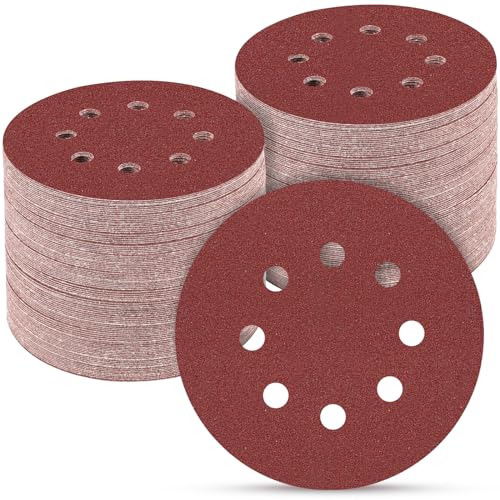
Expect lighter construction, more vibration and less effective dust collection than pricier sanders. Pair any budget sander with good sandpaper, like a POTUINOM 165 piece 5 inch disc assortment, for the best results.
DEKOPRO lists a 2.5 amp motor reaching up to 14,000 RPM, a balanced counterweight and 16 sanding discs from 60 to 1,000 grit, which covers rough shaping through polishing. Budget sanders make sense when you are not sure how often you will sand, since you can upgrade later once you know your needs.
Midrange Tier: The Sweet Spot for Most Buyers
Between around $65 and $165, sanders like the DEWALT DWE6423, DEWALT DWE6421, Bosch ROS20VSC and cordless models like the DEWALT 20V MAX DCW210B, Makita DBO180Z and Metabo HPT SV1813DAQ4 add durable motors, lower vibration and better dust handling.
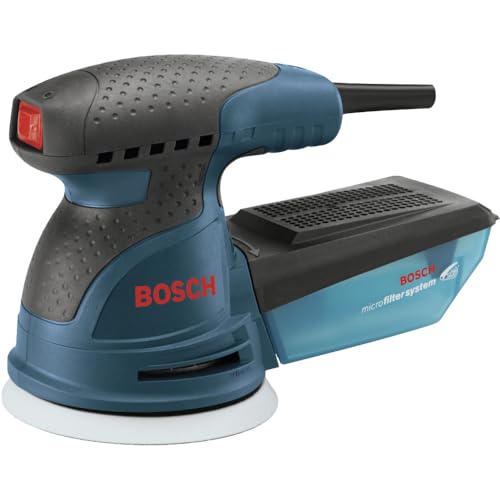
Bosch lists a pad dampening system to reduce swirl marks and a micro filter canister that traps particles as small as half a micron on the ROS20VSC. This tier suits regular DIYers and many trade users.
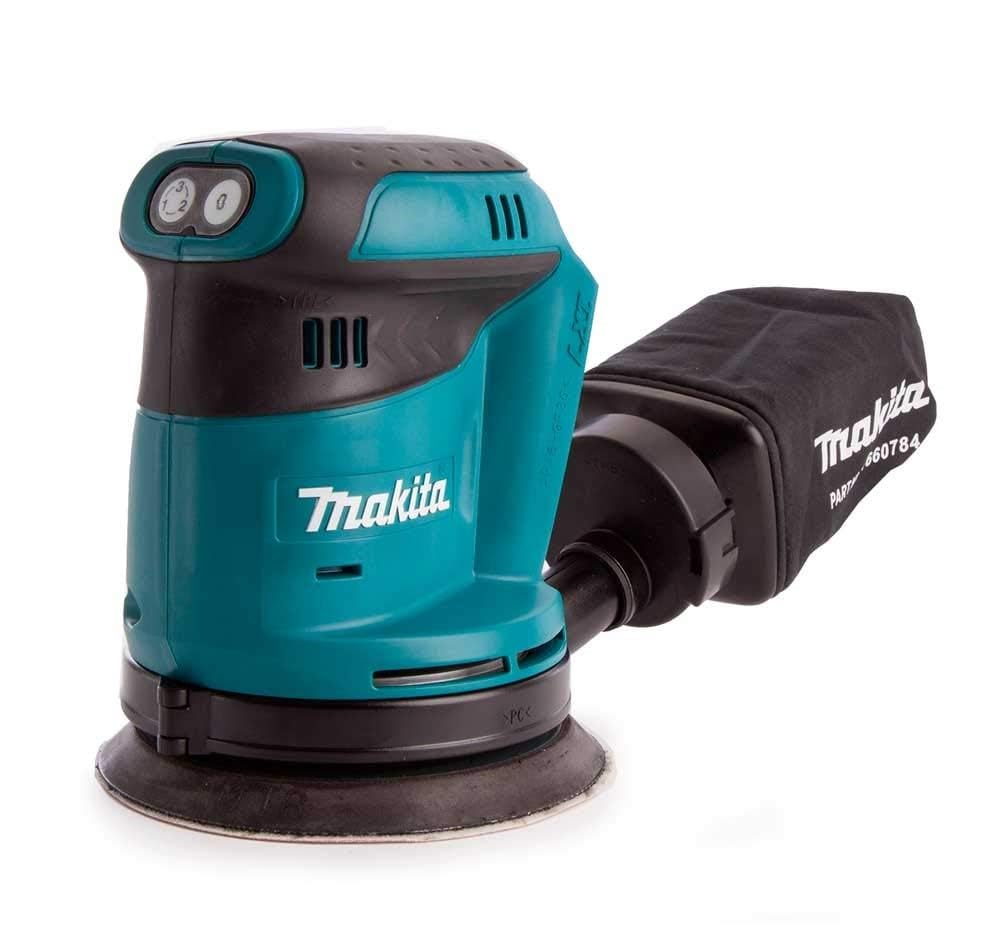
Cordless options in this tier include the Makita DBO180Z at around $123 for the bare tool, the Metabo HPT SV1813DAQ4 at around $114 with six speeds and the WORX WX823L.9 at around $90. Bare tool prices do not include batteries or chargers, so add that cost if you are new to the platform.
Premium Tier: When Spending More Pays Off
Above around $400, professional sanders like the Festool ETS EC 150 deliver brushless motors, very low vibration and top dust extraction. Spending more pays off if you sand daily, finish fine furniture or work in a shared or indoor space where dust control matters.
Premium sanders also tend to feel smoother over long sessions, which reduces hand fatigue and helps you keep the pad flat for an even finish. If you sand only a few times a year, that extra comfort is nice but hard to justify; a midrange sander paired with a shop vacuum gets you most of the way there.
Features Worth Paying For in the Best Orbital Sanders (and Ones to Skip)
Low vibration, good dust collection, variable speed and comfortable ergonomics are worth paying for. Extra accessories you will not use are not.
Dust Collection and Accessories
Dust boxes and bags capture some dust, while vacuum ports, like DEWALT's DWV010 compatible port, capture far more. Micro filters, like Bosch's, trap fine dust. Included sandpaper and carrying bags add convenience; Bosch includes a dust canister, vacuum adapter and bag.
Skip paying extra for large accessory kits you will not use. Instead, put money toward a hose adapter for your shop vacuum and a good assortment of discs. Empty dust boxes and bags often, since a full container cuts suction and leaves more dust on the work.
Pad Size and Working Range
Five inch pads suit most DIY work and corners. Six inch pads, like Festool's, cover large tabletops and panels faster. Orbit size affects aggressiveness: larger orbits remove material faster, smaller orbits leave finer finishes.
Check that the pad's hole pattern matches the discs you buy. Most 5 inch sanders use 8 hole hook and loop discs, while some use 5 holes, and mismatched holes reduce dust collection.
Weight, Ergonomics, and Vibration
Counterweights, like DEWALT's separate counterweight and SKIL's counterweight balance, reduce vibration and fatigue. Low profile designs, like DEWALT's DCW210B, keep your hand close to the work for control. Rubber grips improve comfort.
Power and Speed Control
Motors of 2.5 to 3 amps suit most DIY sanding. Variable speed, like DEWALT's 8,000 to 12,000 OPM and Bosch's 7,500 to 12,000 OPM, lets you sand gently on veneers and finishes and faster on raw wood.
Use lower speeds when starting on a surface, sanding between coats of finish and working on thin veneer. Use high speed with coarse grits to remove old finish or level boards. Let the sander do the work; pressing hard slows the pad and can leave swirl marks.
Corded vs Cordless (Battery Platform)
Corded sanders offer unlimited runtime and lower prices. Cordless sanders, like DEWALT's 20V MAX DCW210B with a brushless motor, Makita's 18V DBO180Z and WORX's 20V WX823L.9, offer freedom from cords, which helps on large projects and outdoors. Battery platforms let you share batteries with other tools.
A cordless random orbital sander drains batteries faster than a drill, so plan on a 4Ah or larger battery for long jobs, or keep a spare charging while you work.
Long Term Costs to Factor In
Sandpaper is the main ongoing cost; buy assortments in common grits like 80, 120, 180 and 220. Replacement hook and loop pads wear out over time, like Gnellkoor's replacement pads for DEWALT sanders.
A shop vacuum or dust extractor adds cost but greatly improves dust control. Cordless sanders may need extra batteries for long sessions. Quality sanders last many years, which lowers cost over time.
Safety gear is another ongoing cost worth budgeting for: replace dust mask filters regularly, keep spare earplugs or earmuffs nearby and use safety glasses every time. Sanding for long periods without a mask exposes you to fine wood dust, which can irritate lungs.
Orbital Sanders: Your Questions Answered
What specs matter most for home projects?
Variable speed, low vibration, a 5 inch pad and decent dust collection matter most for home projects. A 2.5 to 3 amp corded motor or a brushless cordless motor handles most DIY tasks.
A hook and loop pad for quick disc changes and a dust port that fits your shop vacuum also make projects easier.
Can I use batteries across brands?
No, cordless sanders use batteries from their own brand and voltage platform, such as DEWALT 20V MAX or Makita 18V. Choose a platform you already own or plan to expand.
Is a brushless motor worth it?
Brushless motors run cooler, last longer and give more runtime per charge, which matters for cordless sanders and heavy use. For occasional corded sanding, brushed motors work fine.
Corded or cordless: which is better for DIY?
Corded sanders cost less and never run out of power, which suits long sanding sessions. Cordless sanders offer convenience and mobility, which suits quick jobs, outdoor projects and workshops without nearby outlets.
What grit sandpaper should I use?
Start with 80 grit for rough wood or removing finishes, move to 120 for smoothing and finish with 180 to 220 before staining or painting. Do not skip more than one grit step.
Final Thoughts
The best orbital sanders balance power, comfort and dust control for your projects. The SKIL SR211601 is a capable budget pick, the DEWALT DWE6423 is a durable midrange workhorse and the Festool ETS EC 150 delivers premium smoothness and dust extraction. Pair any sander with quality sandpaper and protect yourself from dust.
For more tool guides, see the best electric screwdriver, the best hand tool sets, the best tool boxes for garage and the best concrete sealer. Then compare current prices in the product table above.