Best Compact Table Saws in 2026: A Complete Buying Guide
Disclosure: We may earn a commission when you buy through links on this page, at no extra cost to you. As an Amazon Associate I earn from qualifying purchases. Learn more
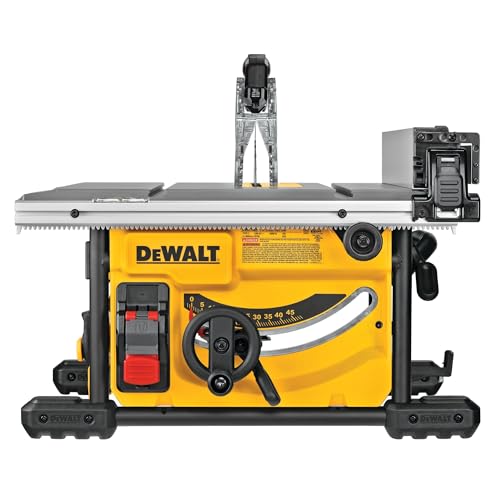
Best compact table saws for small workshops: how power, fence accuracy, dust control, and safety features compare for DIY projects.
Choosing best compact table saws is about getting useful cutting power into a workshop that cannot fit a full size cabinet saw. The comparison table below gives a quick overview of the main choices, and this guide explains power, fence accuracy, and safety in practical terms.
Compact table saws suit ripping boards, crosscutting panels, and repeat cuts in a garage or small workshop. They are easier to store and move, but table size and dust control need careful thought before you buy.




Who This Choice Suits Best
Compact table saws suit DIYers, small workshop owners, and renovators who need accurate straight cuts without a permanent large saw. They also suit anyone who stores tools between projects and values portability.
They are a weaker fit for cutting very large sheet goods all day or ripping thick hardwood constantly. For that workload, a larger saw with a bigger table and stronger motor will be safer and less tiring.
Types Compared
Compact benchtop table saws
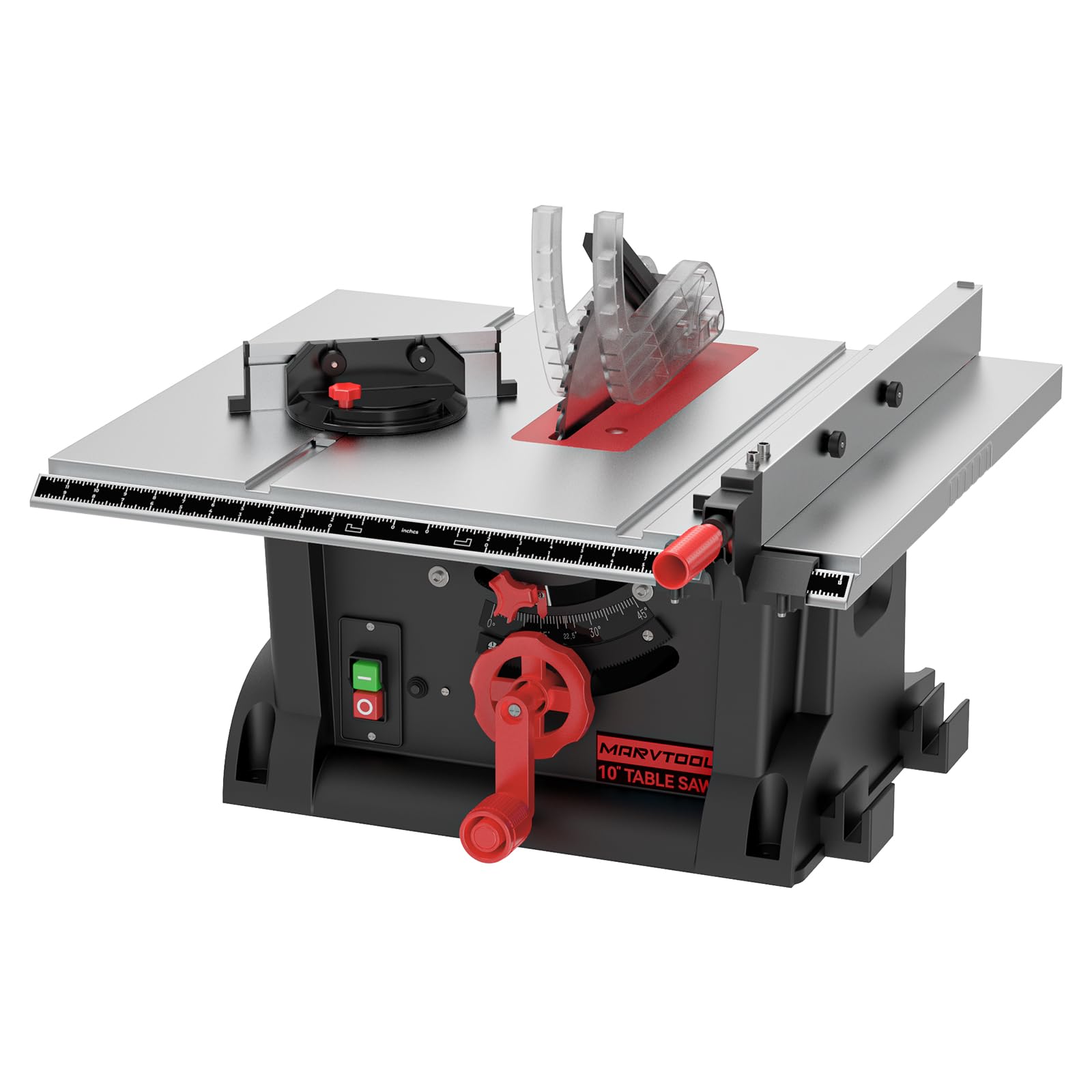
Benchtop saws sit on a bench or stand and use a smaller table. They suit small workshops and site work where the saw must move often.
The smaller table gives less support for long boards. Use roller stands or an outfeed table for longer pieces to keep cuts straight and safe.
Compact jobsite table saws
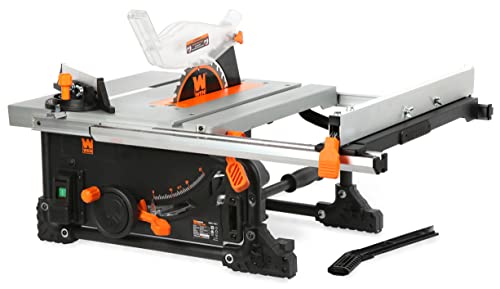
Jobsite saws often include a folding stand with wheels. They suit users who move between a garage and a job site and need quick setup.
They can be heavier than they look, so check folded size and wheel quality if you must lift the saw into a vehicle.
Compact table saws with extended fences
Some compact saws offer a fence that slides wider for broader rips. They suit users who cut panels as well as narrow boards.
An extended fence must stay parallel to the blade. Test fence lock and alignment before buying, since a drifting fence ruins accuracy.
Key Features to Compare
Power and blade size
Most compact saws use a 10 inch blade and a motor suited to softwood and sheet goods. Hardwood ripping needs a sharp blade and slower feed, not force.
A dull blade causes burning, kickback risk, and rough cuts. Keep a spare sharp blade and change it when cuts start to feel hard or look scorched.
Fence accuracy and adjustment
The fence should lock firmly and stay parallel to the blade along its full length. A fence that flexes at the far end will produce tapered cuts.
Check the scale against a measured cut rather than trusting the factory scale alone. A quick test cut saves wasted material later.
Safety features
Look for a blade guard, riving knife, and anti kickback pawls, and use push sticks for narrow cuts. Never reach over a spinning blade, and keep hands clear of the cut line.
If a cut binds or the saw sounds strained, stop and reassess rather than forcing the board through. Forcing a cut is a common cause of kickback.
Dust control and storage
Compact saws produce a lot of dust in a small space. A dust port that fits your vacuum or extractor makes cleanup far easier and keeps the workshop healthier.
Measure storage space with the stand folded. A saw that fits the bench but not the storage corner will end up blocking a walkway.
Buyers on a tighter budget can compare the best inexpensive table saws, while those who outgrow a small saw can look at the best home table saws or step up to best cabinet table saws for a permanent shop.
Common Mistakes to Avoid
A common mistake is cutting long boards without outfeed support. The board tips, the cut wanders, and kickback risk rises. Another mistake is using the wrong blade for the material, which leads to tear out and burning.
Do not remove the guard for convenience on routine cuts. Guards, push sticks, and a clear work area are not optional extras, they are part of accurate, safe sawing.
Getting the Most From Your Choice
Keep the table clean and lightly waxed so boards slide smoothly, and check fence alignment regularly. Store blades safely, unplug the saw before blade changes, and keep the area free of offcuts that could snag a board.
Use the product table above to compare types, then test fence feel and table flatness in person if you can. A compact saw that stays accurate and safe will serve a small workshop for years.
Setting Up a Compact Table Saw for Accurate Cuts
Most accuracy problems come from setup, not from the saw. Place the saw on a flat, solid surface and check that the stand does not rock. A saw that shifts under the board will wander the cut and make kickback more likely.
Before the first cut, check the blade against the miter slot with a square, then check the fence against the same slot. The fence should sit parallel to the blade or very slightly open at the rear, never closed toward the blade at the back of the cut, because a pinched board can be thrown back at you. Raise the blade only about a quarter inch above the wood for a clean, safer cut.
Wear eye and hearing protection, and add a dust mask when cutting sheet goods or hardwood. Compact saws often have a small motor that slows under load, so listen for strain and feed at a steady pace. A sharp thin kerf blade makes a compact saw feel stronger, since it asks less of the motor than a thick blade does. Support long boards at the infeed and outfeed sides, and keep offcuts away from the blade with a push stick rather than your fingers.
Store the fence and miter gauge with the saw so you never hunt for them mid project, and wipe the table with a dry cloth after each session to keep rust away.
Frequently Asked Questions
Can a compact table saw cut sheet goods?
Yes, with outfeed support and a helper for large sheets. Without support, sheets tip and cuts wander, so plan support before you start a sheet job.
What blade should I use for general work?
A general purpose blade with a moderate tooth count handles most ripping and crosscutting. Keep a fine tooth blade for plywood and a ripping blade for thick hardwood if you cut those often.
How do I keep cuts accurate on a compact saw?
Keep the fence parallel, use a sharp blade, support long boards, and feed steadily without forcing. Check accuracy with test cuts whenever you move the fence.
Is a compact table saw safe for beginners?
It can be, with proper guards, push sticks, and training. Start with simple cuts, learn kickback causes, and never rush a cut or reach near the blade while it spins.
How much space does a compact table saw need?
Allow the table plus infeed and outfeed room for the longest board you cut, plus safe standing space. A small saw still needs a clear working zone around it.
Final Thoughts
A compact table saw earns its place when it cuts straight, stays safe, and fits the space you actually have. Judge power, fence, and dust control together rather than size alone. Chosen carefully, best compact table saws give a small workshop real capability without taking over the room.