Best Compressor for Blowing Out Sprinklers: Buying Guide for 2026
Disclosure: We may earn a commission when you buy through links on this page, at no extra cost to you. As an Amazon Associate I earn from qualifying purchases. Learn more

Sprinkler lines need steady airflow at low pressure. See what tank size, SCFM and regulator to look for in a compressor for blowing out sprinklers.
Blowing out an irrigation system before the first hard freeze needs the right air supply, and the best compressor for blowing out sprinklers is not the one with the biggest pressure number on the box. Sprinkler lines need a steady volume of air at a gentle pressure, so tank size, airflow and a good regulator matter more than a high maximum rating. This guide explains what to look for, which compressor classes suit a home yard, and how to avoid damaging pipes and heads.
The product table lets you compare real air compressors by tank size, motor and price. Read the sections below first to decide how much air your own system needs.





Why Airflow Matters More Than Pressure
Water leaves a sprinkler zone when moving air pushes it out of the pipe, and that takes volume. A compressor with a small tank can reach a high pressure quickly, then falls behind as soon as a zone opens, which forces you to wait and refill again and again. Airflow is listed as CFM (cubic feet per minute) or SCFM at a stated pressure, usually 90 psi. The higher that figure and the larger the tank, the fewer pauses you will have between zones.
Pressure is the opposite concern. Pipes and sprinkler heads have a limit, so many irrigation pros keep the working pressure low, well under what a shop compressor can deliver, and always stay inside the rating of the pipe material and heads on your system. Check the maker guidance for your pipe type before you start.
Compressor Types for Sprinkler Blowouts
Small Pancake and Hot Dog Compressors
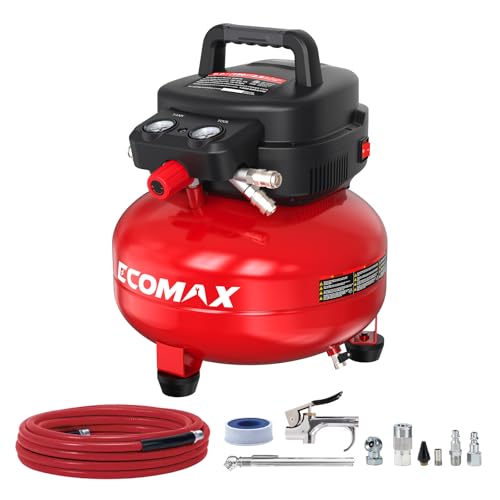
These 4 to 6 gallon units are cheap, light and easy to store, and they run well on household power. They can clear a small yard with a few zones if you work patiently, but the tank empties fast and the motor runs almost constantly. Choose one only if your system is small and you accept long waits between zones.
Mid Size Tanks of 10 to 20 Gallons
This is the sweet spot for most homeowners. A 10 to 20 gallon tank holds enough air to push water out of a zone in a few bursts, and many models plug into a normal outlet. Oil free models need less upkeep, while quiet designs spare you the noise of an hour long job.
Large Tanks of 25 Gallons and More
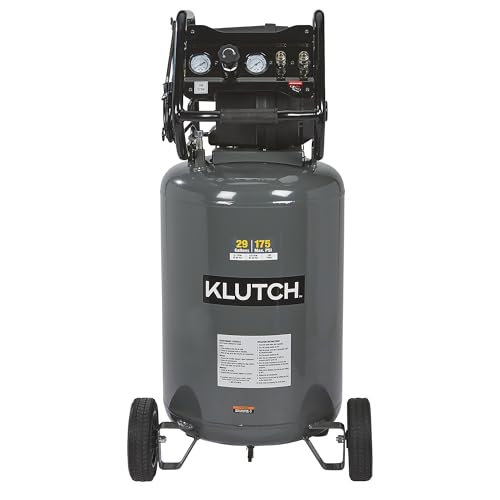
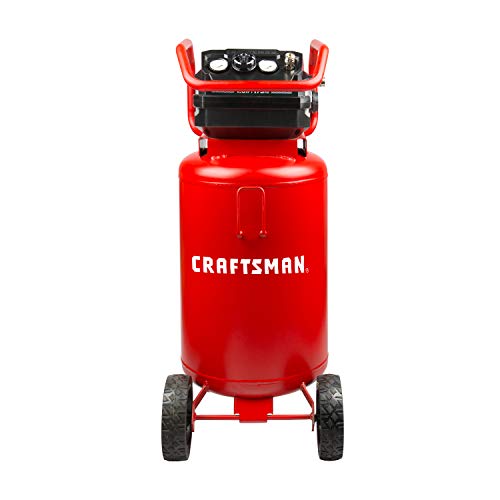
Bigger vertical compressors give the most steady airflow and shorten the job on larger properties with many zones. They cost more, weigh more and take up garage space, but they double as a general shop compressor for the rest of the year.
Features to Check Before You Buy
SCFM at 90 psi
Compare this number first, since it is the best sign of how long a compressor can sustain flow. Treat the maximum psi as a secondary figure.
Regulator and Gauge
A clear regulator lets you set a safe working pressure and hold it as zones open and close. Look for a gauge you can read at a glance and a regulator that moves smoothly without drifting.
Tank Size and Duty Cycle
A larger tank reduces waiting between zones. Duty cycle tells you how long the motor can run before it needs rest, which matters on a job that lasts an hour or more.
Fittings and Blowout Adapter
You also need a blowout adapter that matches your backflow preventer, plus hose and quick couplers that fit the compressor outlet. A poor connection wastes air and can pop loose under pressure. Many compressors include quick couplers, but the adapter is usually sold separately.
How to Blow Out a Sprinkler System Safely
- Shut off the water supply to the irrigation system and open a drain valve to relieve pressure.
- Connect the compressor to the blowout adapter and set the regulator to a low, safe pressure for your pipes.
- Open one zone at a time, starting with the zone farthest from the connection.
- Stop that zone when only a light mist leaves the heads, then move to the next one.
- Run through every zone once more, then shut the air off, drain the tank and leave the heads and valves open.
Wear eye protection and keep your face and hands clear of heads while air is on. Never run a zone for long with no water in the line, because dry heads can overheat.
Budget and Long Term Value
Small pancake models often cost under $200, mid size 10 to 20 gallon compressors commonly run from about $300 to $700, and large quiet or two stage units cost more. A compressor that handles the job in an hour is worth more than a cheaper unit that takes an afternoon. Since the same compressor also inflates tires and runs air tools, a mid size model often earns its price outside sprinkler season.
Care and Storage
Drain the tank after every use so moisture does not rust it from the inside. Keep the intake filter clean, coil hoses loosely and check them for cracks before winter. Store the compressor in a dry spot, and check the oil level on oil lubricated models before the next season.
If you want the same comparison framed around the exact model type, see our guide to the best air compressor to blow out sprinklers. For the right moment and settings, read best time to blow out sprinklers and best pressure to blow out sprinklers.
Best Compressor for Blowing Out Sprinklers: Your Questions Answered
How big a compressor do I need to blow out sprinklers?
For a typical home yard, a compressor with a 10 gallon or larger tank and a solid SCFM rating at 90 psi works well. Smaller tanks can do the job on a small system, but they take longer because you stop and wait for the tank to refill between zones.
Is a pancake compressor enough?
It can be for a small yard with only a few zones, as long as you work one zone at a time and let the tank recover. For larger systems, a bigger tank saves a lot of time and wear on the motor.
What pressure should I use?
Use the lowest pressure that moves the water out, and never go above the rating of your pipe and heads. Set it with the regulator, not by guessing. Our guide to best pressure to blow out sprinklers goes into the details.
Do I need anything besides the compressor?
Yes. You need a blowout adapter that fits your system connection, an air hose, and eye protection. A regulator is also essential if your compressor does not have one built in.
Can I use the compressor for other jobs?
Yes. A mid size compressor inflates tires, runs nail guns and blows dust from tools, so the cost is spread across many uses in the year.
Final Thoughts
Pick by airflow and tank size first, regulator quality second, and noise and price after that. Check the product table above to compare real models, and set the pressure low and steady. A well matched best compressor for blowing out sprinklers makes the job quick and protects your pipes until spring.