Best Super Quiet Portable Generator: A Complete Buying Guide
Disclosure: We may earn a commission when you buy through links on this page, at no extra cost to you. As an Amazon Associate I earn from qualifying purchases. Learn more
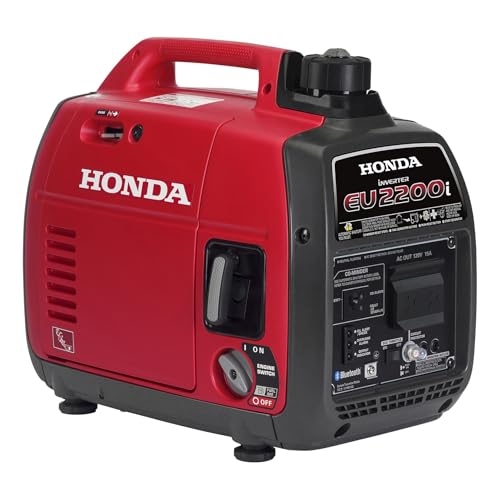
A generator that whines all night can undo a good camping trip or turn a power outage into a fight with the neighbors. Manufacturers know noise sells, so nearly every listing now claims to be "ultra quiet." The number on the box rarely tells the whole story. Understanding how that number is measured, and what actually happens once the unit is under real load, matters more than chasing the lowest digit you can find.


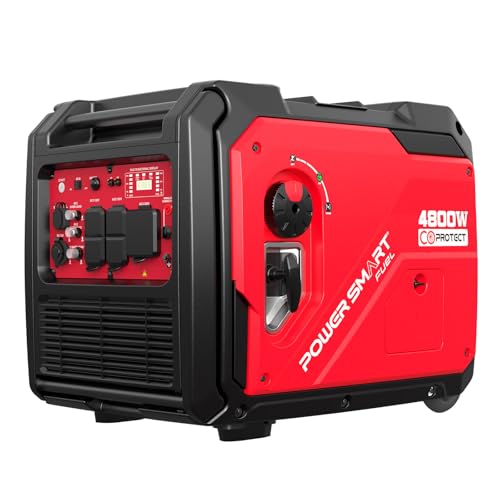
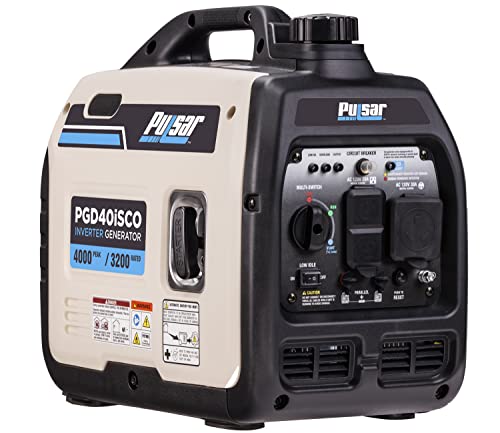
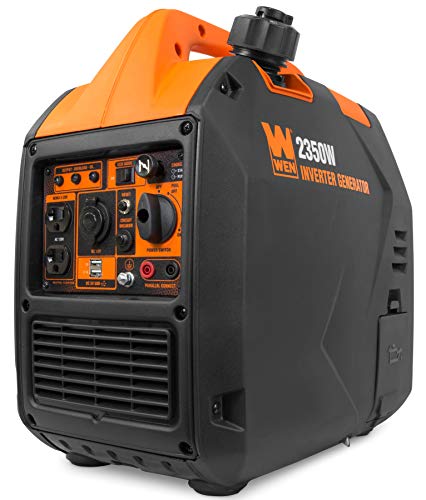

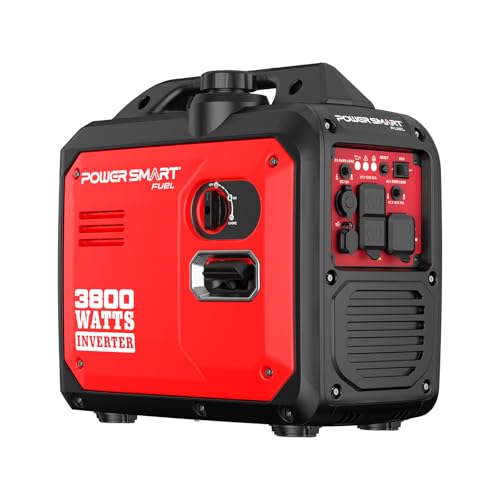

How Generator Noise Is Actually Measured
Noise ratings use dBA, a decibel scale weighted to match how human ears perceive sound. It looks like a simple spec, but the testing conditions behind it vary a lot from brand to brand. Most manufacturers measure at 23 feet, at a quarter of the unit's rated load, sometimes with the eco throttle engaged. That setup produces the flattering number printed on the box.
Two problems follow from this. First, distance changes everything. Sound drops off fast as you move away from the source, so a rating taken at 23 feet will read noticeably higher at 10 feet. Second, the decibel scale is logarithmic, not linear. A jump from 50 dBA to 60 dBA is not "a little louder," it is roughly double the perceived loudness. A five or six point gap between two models can be the difference between background hum and something you notice from across a campsite.
What the Decibel Numbers Mean in Real Life
Raw numbers are hard to picture, so it helps to anchor them against everyday sounds:
- A quiet refrigerator hum sits around 40 dB.
- Normal conversation at a few feet runs close to 60 dB.
- A household vacuum cleaner typically lands between 70 and 78 dB.
- Heavy traffic or a lawn mower can push past 85 dB.
Most units marketed as super quiet fall somewhere between 50 and 60 dB, which roughly straddles the gap between a fridge and a normal conversation. That range is why they blend into background noise at a campsite instead of dominating it. Anything creeping toward 65 dB or higher stops feeling like background noise and starts feeling like an appliance running in the next room, even if the spec sheet still calls it quiet.
Why Your Generator Gets Louder Under Load
The gap between the marketing number and the sound you actually hear usually comes down to load. That flattering dBA figure is typically captured at 25 percent load. Plug in a coffee maker and a couple of lights, and the engine barely works, so the reading holds up. Run a window air conditioner or a sump pump off the same unit, and the engine has to spin faster to keep voltage stable. Real-world testing has found some inverter models run 8 to 15 dB louder once they climb toward 50 to 75 percent of rated capacity, which is a very different experience than the box promised.
This is worth remembering when you compare specs side by side. A unit that quotes a slightly higher dBA number but was tested closer to real working load can end up quieter in practice than one with an impressively low number measured nearly idling. Look for listings that disclose the load percentage and distance used for testing, not just the headline figure.
The Engineering Behind a Truly Quiet Generator
Several design choices separate a genuinely quiet unit from a loud one wearing a quiet label.
Inverter Technology
Instead of running the engine at a fixed high RPM, inverter generators adjust engine speed to match the actual load. Powering a phone charger and a fan does not require full throttle, so the engine idles down and noise drops with it. This is the single biggest factor separating quiet portable units from older conventional generators.
Enclosed, Insulated Housing
A sealed case lined with sound-dampening material blocks mechanical and combustion noise the way a car hood muffles an engine. Vents are baffled rather than left as open slots, so air can flow for cooling without letting sound escape in a straight line.
Muffler and Exhaust Design
Reactive mufflers route exhaust through internal chambers that cancel sound waves, while absorptive linings soak up higher-frequency noise. The best setups combine both, which is part of why exhaust note varies so much between brands even at similar wattage.
Vibration Isolation
Rubber feet or isolation mounts keep engine vibration from transferring into the frame and into whatever surface the unit sits on. A generator resting directly on a metal truck bed or a wood deck can sound louder than the same unit on grass, simply because the surface amplifies vibration.
Decibel Limits at Campgrounds and RV Parks
Noise rules at campsites are usually two-part: a decibel ceiling and a curfew, and the curfew matters more than most buyers expect. National park campgrounds commonly cap generator noise around 60 dB measured at 50 feet, and many private campgrounds target a similar 60 dBA at 23 feet during allowed hours. Quiet hours typically run from around 10 p.m. to 6 or 7 a.m., and during that window generators are banned outright, regardless of how quiet the unit actually is. A 52 dB generator running at 11 p.m. can still get you a warning if the campground rule is time-based rather than volume-based.
Check the specific park or campground's posted rules before you go. Some separate tent loops from RV loops and restrict generators to the RV side entirely. Others allow generator hours only in short windows scattered through the day rather than one long stretch.
Noise Rules for Home Backup and Neighborhood Use
Residential use brings a different set of constraints. Local noise ordinances commonly cap sustained residential noise somewhere in the 60 to 70 dB range, and HOAs often layer their own quiet-hour policies on top of city rules. Placement adds another wrinkle: gas generators typically need to sit at least 20 feet from any structure for carbon monoxide safety, which on a small suburban lot can put the unit close to a neighbor's patio or bedroom window whether you intend that or not.
If you expect to run backup power for hours during an outage, a genuinely low dBA rating stops being a nice-to-have and becomes the difference between a manageable inconvenience and a dispute with the people next door. This is one of the clearest cases where paying more for a quieter unit pays for itself in avoided friction.
Placement Tricks That Cut Noise Without Buying a New Unit
Noise level on the spec sheet is fixed, but perceived noise at your specific spot is not. A few adjustments make a real difference:
- Add distance where possible. Every doubling of distance from the source cuts perceived loudness noticeably, so moving a unit from 10 feet to 20 feet away helps more than most people expect.
- Point the exhaust away from tents, windows, or seating areas rather than toward them.
- Set the unit on grass, dirt, or a rubber mat instead of a hard, resonant surface like a deck or metal trailer floor.
- Use a solid barrier, like a vehicle, low wall, or dense shrub line, between the generator and the area you are trying to keep quiet. Mass blocks sound more effectively than distance alone in tight spaces.
- Run in eco mode whenever the load allows it, since idling the engine down further reduces both noise and fuel use.
Matching Decibel Level to Where You'll Use It
Not every use case demands the absolute lowest number available. Someone tailgating in an open lot has more noise tolerance than someone camping in a quiet-hours state park next to other tents. For quiet-hours-sensitive camping, aim for units in the low 50s dBA or lower. For occasional home backup in a suburban neighborhood, the 55 to 60 dBA range is usually a reasonable target, paired with sensible placement. For job sites or open outdoor events where some ambient noise is already present, a slightly higher rating in exchange for more running watts is often a fair trade. Matching the generator to where it will realistically sit and run, rather than shopping purely by the lowest number on a spec sheet, leads to a better outcome than chasing a marginal decibel difference that will not matter in practice. Buyers comparing a quiet generator against a lower-cost value pick should weigh how much of that price difference is going toward actual noise engineering versus branding.
Frequently Asked Questions
Is a lower dBA number always better?
Generally yes, but only if the testing conditions are comparable. A 52 dB rating measured at full load and 10 feet is a stronger result than a 48 dB rating measured at quarter load and 23 feet. Read the fine print before comparing numbers directly.
How much quieter is inverter technology in practice?
Inverter units commonly run 5 to 15 dB quieter than conventional generators of similar output, mostly because the engine throttles down instead of holding a fixed high RPM. Anyone cross-shopping should look closely at a dual-fuel inverter model alongside gasoline-only options, since fuel type does not change the inverter's noise advantage.
Can I make a loud generator quieter after buying it?
Placement, surface, and distance help, and aftermarket exhaust or enclosure modifications exist, but they can void warranties and, on gas models, create carbon monoxide risks if airflow is restricted. It is usually more reliable to buy a unit that is quiet by design.
Do smaller generators automatically mean quieter generators?
Not necessarily. Size and noise are related but not identical specs. Shoppers focused mainly on footprint and weight should compare notes with a guide built around a small, quiet generator rather than assuming compact automatically means silent.
What decibel range should I target for general home and travel use?
Somewhere in the low 50s to high 50s dBA covers most camping, tailgating, and backup scenarios without drawing complaints. For a broader look at wattage and pricing across the category, a general portable generator buying guide is a useful starting point before narrowing down by noise level specifically.