Best Dual-Fuel Inverter Portable Generator Buying Guide
Disclosure: We may earn a commission when you buy through links on this page, at no extra cost to you. As an Amazon Associate I earn from qualifying purchases. Learn more
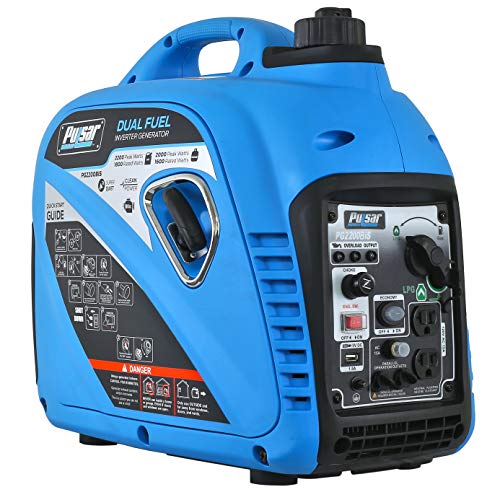
When the power goes out or you are setting up camp far from an outlet, reliable backup power makes all the difference. Finding the best dual-fuel inverter portable generator for your household comes down to balancing fuel flexibility, clean power output, and enough capacity to run the appliances you actually need. Dual-fuel models let you switch between gasoline and propane depending on what is available, while inverter technology delivers stable electricity that is safe for laptops, phones, and medical devices. This guide walks you through how these generators work, how to size one correctly, which features matter most, and the safety habits every owner should follow.
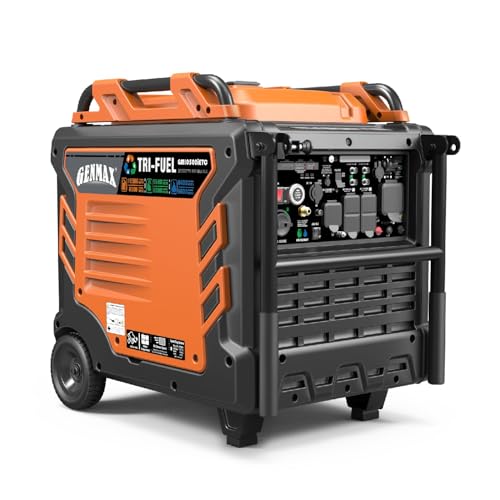
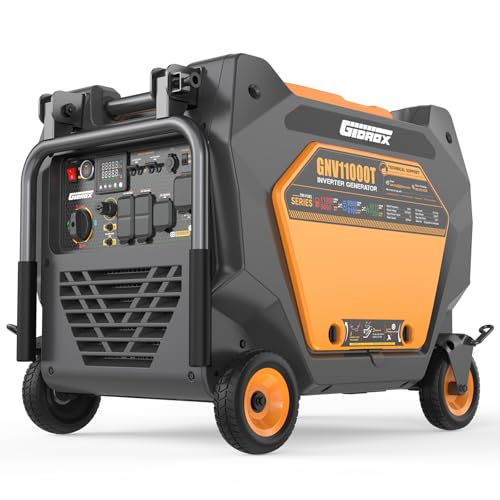
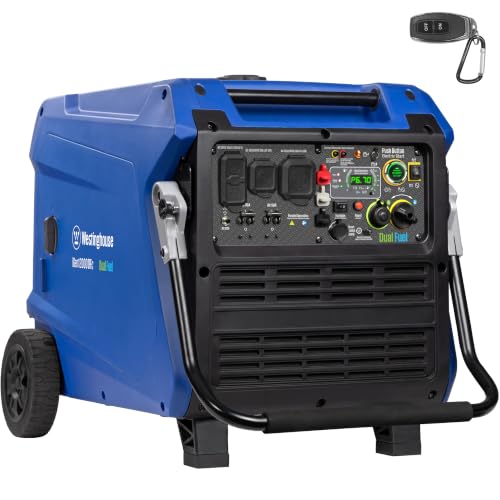
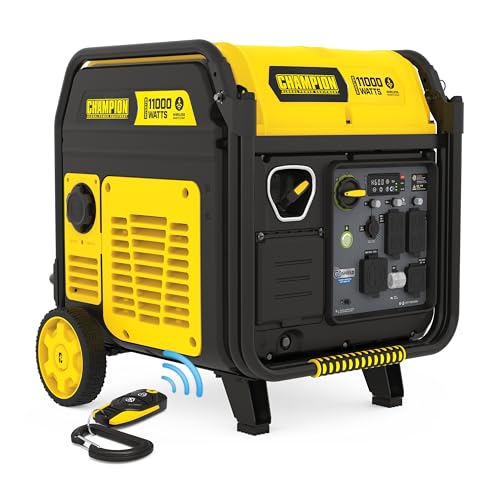
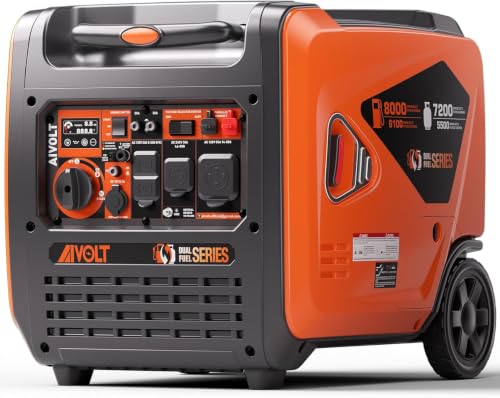

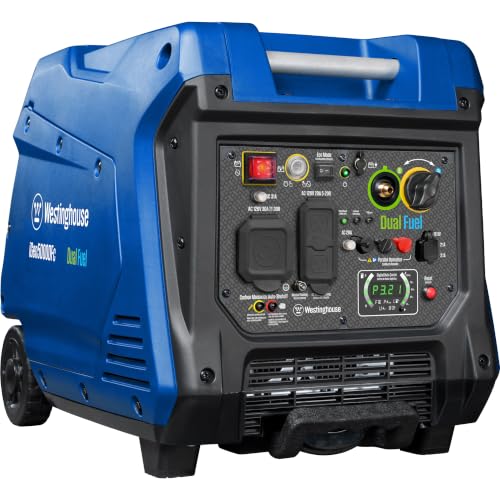
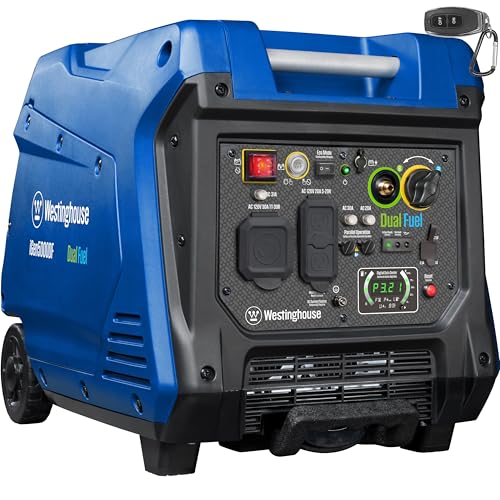
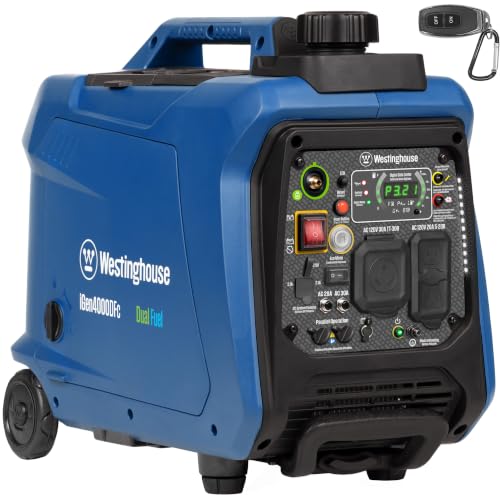
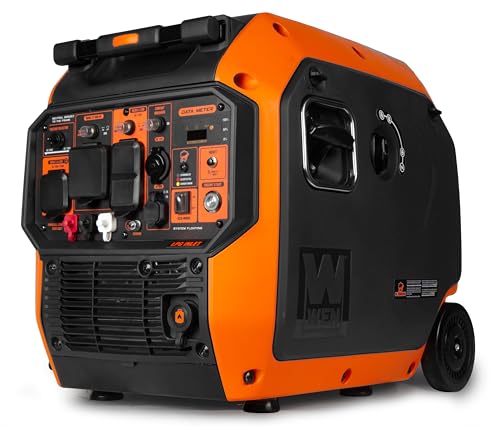

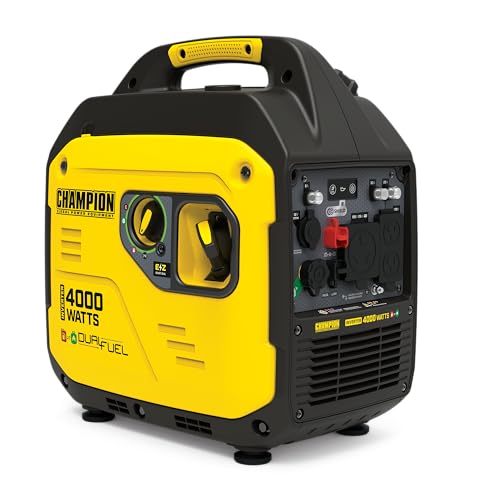
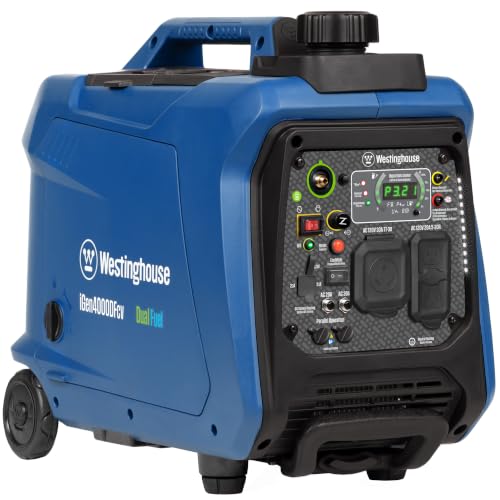
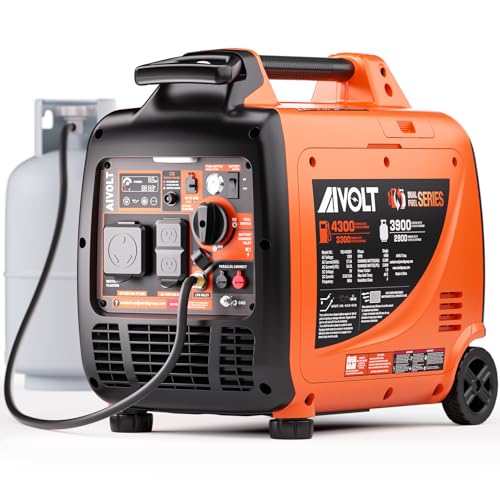
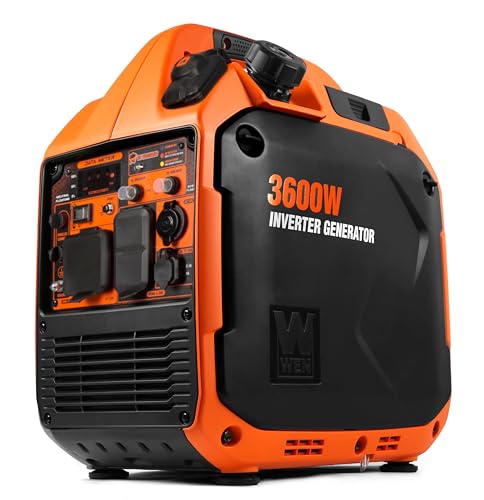
What Makes a Dual-Fuel Inverter Generator Different
Not every backup generator is built the same way, and understanding the technology behind these units helps you decide whether the extra cost is worth it for your situation. A dual-fuel inverter generator combines two separate upgrades over a basic gas-only unit: the ability to burn more than one fuel type, and an inverter module that cleans up the electricity before it reaches your outlets.
How Dual-Fuel Technology Works
A dual-fuel engine is designed to run on either gasoline or propane, with a simple selector switch that lets you flip between the two without tools. Gasoline is easy to find almost anywhere and delivers strong power output, while propane stores indefinitely without going stale and burns cleaner, which means less carbon buildup inside the engine over time. Having both options on hand matters most during extended outages, when gas stations may be closed or lines are long. This kind of flexibility is also why many small camping generators now offer dual-fuel versions, since campers often carry propane for cooking anyway and can share the same supply.
Why Inverter Technology Matters for Clean Power
Conventional generators produce raw AC power that can fluctuate in voltage and frequency, which is fine for power tools but risky for sensitive electronics. An inverter generator converts that raw power to DC and then back to a clean, stable AC sine wave, similar to what comes out of a wall outlet at home. That stability protects laptops, routers, TVs, and CPAP machines from voltage spikes. Inverter models also adjust engine speed to match the actual load rather than running at a fixed RPM, which cuts fuel consumption and noise at the same time.
Sizing Your Generator: Running Watts vs Starting Watts
Getting the wattage right is the single biggest factor in whether a generator meets your needs. Buy too small and you will trip overloads constantly, buy too large and you pay for capacity you rarely use, plus haul around extra weight.
Calculating Your Power Needs
Running watts is the continuous power a device needs once it is already operating, while starting watts is the short surge required to get a motor spinning, often one and a half to three times the running figure. To size a generator correctly, add up the running watts of everything you want to power at once, then add the single highest starting-watt figure among your motor-driven appliances on top of that total. That combined number is your minimum required output.
Common Appliance Wattage Requirements
Wattage needs vary a lot by appliance, so it helps to know rough figures before you shop:
- Refrigerator: around 150 to 400 running watts, with a starting surge two to three times higher
- Sump pump: roughly 800 to 1,500 running watts, with a strong starting spike
- Window air conditioner: about 500 to 1,500 running watts depending on size
- Microwave: typically 600 to 1,200 running watts
- Laptop or phone chargers: usually under 100 watts combined
- CPAP machine: generally 30 to 60 running watts, though clean inverter power is essential here
Key Features to Look for in a Dual-Fuel Inverter Generator
Once you know your wattage target, a handful of features separate a reliable dual-fuel inverter portable generator from one that becomes a headache after a single season.
Fuel Efficiency and Runtime
Most inverter models include an economy or eco mode that throttles the engine down when demand is low, stretching a single tank of fuel considerably further than running at full speed constantly. Runtime figures differ between fuel types too. Gasoline generally offers a longer runtime per tank because it packs more usable energy by volume, while propane trades some runtime for cleaner combustion and fuel that never degrades in storage.
Noise Level and Portability
Noise output is usually listed in decibels at a set distance, and lower numbers matter a great deal if you plan to run the unit near a campsite, tailgate, or a neighbor's property line. Look for a model with an enclosed muffler and sound-dampening housing, and check the actual weight with a full tank rather than the dry shipping weight. If quiet operation is your top priority, it is worth comparing a few quiet generator models side by side before settling on wattage, since the trade-off between noise and output varies quite a bit between brands.
Parallel Capability
A parallel-capable generator can be linked to a second matching unit through a special cable or kit, combining their output into one larger power supply. This is a smart way to scale up gradually instead of buying one large, heavy generator up front. It also gives you the option to run a single small unit for light overnight loads and add the second only when you need more capacity, which is one reason some buyers compare a dual-fuel setup against a portable power station as a quieter, fume-free supplement for basic electronics.
Safety Features and CO Shutoff Sensors
Every generator sold today is required to include an automatic carbon monoxide shutoff sensor that detects rising CO levels in the surrounding air and cuts the engine before concentrations become dangerous. Look for models that also include low-oil shutdown, which prevents engine damage, and overload protection that trips before wiring or connected devices are stressed. These features do not replace an indoor CO alarm, and a generator should always run outdoors, well away from windows, doors, and vents.
Gasoline vs Propane: Weighing the Trade-offs
Neither fuel is universally better, and the right choice often depends on how you plan to use the generator. Gasoline delivers more energy per gallon, so you typically get longer runtimes and slightly stronger peak output on the same size engine. It is also widely available, but it degrades within a few months unless treated with a stabilizer, and it can be hard to find during the exact emergencies when you need it most. Propane stores for years without losing potency, burns with fewer emissions and less engine residue, and simplifies fuel logistics if you already keep tanks on hand for a grill or camp stove. The trade-off is a modest drop in runtime and output compared to gasoline, plus the extra bulk of carrying tanks. Many owners split the difference by keeping propane on hand as a reliable backup while defaulting to gasoline for everyday use.
Where and How to Use Your Generator Safely
Placement matters as much as the generator itself. Run the unit outdoors on a dry, level surface, at least twenty feet from your home with the exhaust pointed away from windows, doors, and any air intakes. Never operate a generator in a garage, carport, or covered porch, even with doors open, since carbon monoxide can still accumulate. Use heavy-duty, properly rated outdoor extension cords rather than daisy-chaining household cords, and never connect a generator directly into a home's electrical panel without a professional transfer switch, since backfeeding can injure utility workers and damage your appliances. If you are new to backup power in general, browsing a broader guide to a portable generator for home use can help you understand how dual-fuel inverter models fit into the wider range of options before you commit to one.
Common Mistakes to Avoid
- Undersizing the unit by only counting running watts and ignoring starting watts
- Running the generator in an enclosed or partially enclosed space
- Skipping regular maintenance, including oil changes and fuel stabilizer for stored gasoline
- Waiting until a storm is already forecast to test the generator for the first time
- Trying to power every appliance in the house simultaneously instead of prioritizing essentials
- Storing propane tanks near heat sources or inside living spaces
Frequently Asked Questions
What wattage do I need for a dual-fuel inverter generator?
Most households find that 3,000 to 5,000 watts covers essentials like a refrigerator, some lighting, and device charging during an outage. Larger homes running a sump pump or window air conditioner should plan closer to 5,000 to 7,500 watts.
Can a dual-fuel generator run on propane only?
Yes. The selector switch lets you run exclusively on propane if you prefer, though expect a modest reduction in runtime and peak output compared to gasoline on the same tank size.
How long will a dual-fuel generator run on a full tank?
Runtime depends heavily on load and fuel type, but many mid-size units run eight to twelve hours on gasoline at half load, and somewhat less on propane. Eco mode extends runtime significantly when demand is light.
Are inverter generators quieter than conventional generators?
Generally yes. Because inverter models adjust engine speed to match demand instead of running at a constant RPM, they tend to run noticeably quieter, especially at partial load.
Can I use a dual-fuel generator in the rain?
No, generators should never run exposed directly to rain or snow. If outdoor use during wet weather is unavoidable, use a generator tent or canopy rated specifically for that purpose and keep all connections dry.
Do dual-fuel generators lose power when switched to propane?
There is typically a small output reduction, often around ten to fifteen percent, when running on propane instead of gasoline, since propane carries slightly less usable energy per unit of fuel.
Can two inverter generators be connected for more power?
Only if both units are explicitly listed as parallel-capable and you use the matching parallel cable or kit from the same manufacturer. Mixing incompatible models can damage both generators.
Final Thoughts
Choosing the best dual-fuel inverter portable generator comes down to matching wattage to your real needs, understanding the trade-offs between gasoline and propane, and prioritizing safety features like automatic CO shutoff. Take the time to size the unit properly and test it before you actually need it, and it will earn its keep during the next outage or outdoor trip.