Best Small Quiet Generator: A Complete Buying Guide
Disclosure: We may earn a commission when you buy through links on this page, at no extra cost to you. As an Amazon Associate I earn from qualifying purchases. Learn more
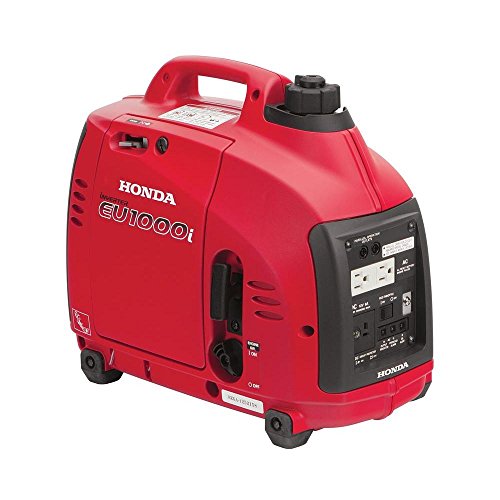
A generator built to fit in a car trunk solves a different problem than one built to power a house. If the goal is charging phones, running string lights, keeping a fan going, or topping off a laptop at a campsite or tailgate, size and weight matter more than raw output. This guide focuses on what makes a generator genuinely small and easy to carry, not just what makes it quiet on a spec sheet.
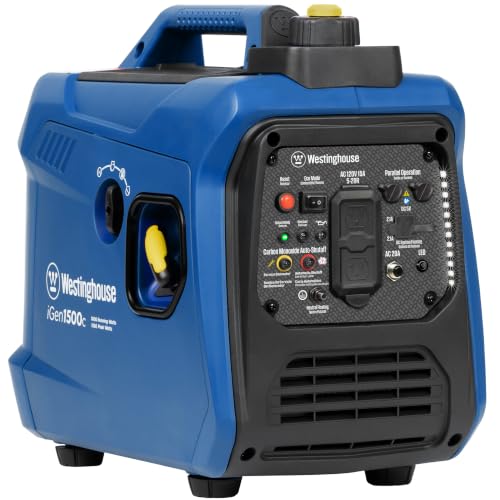
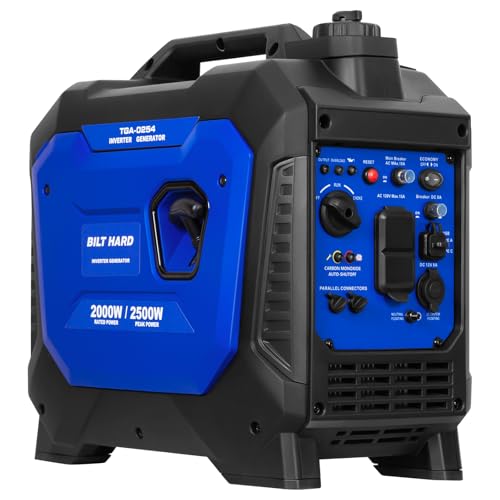
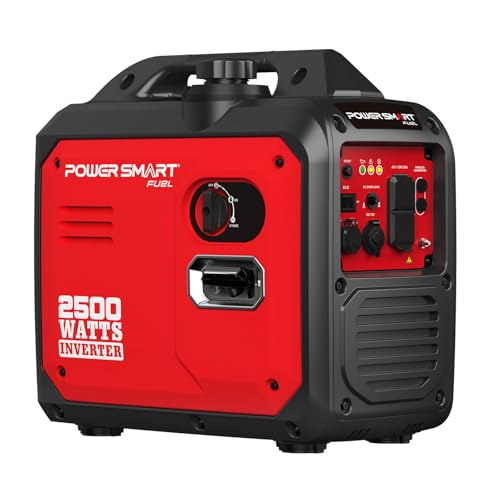
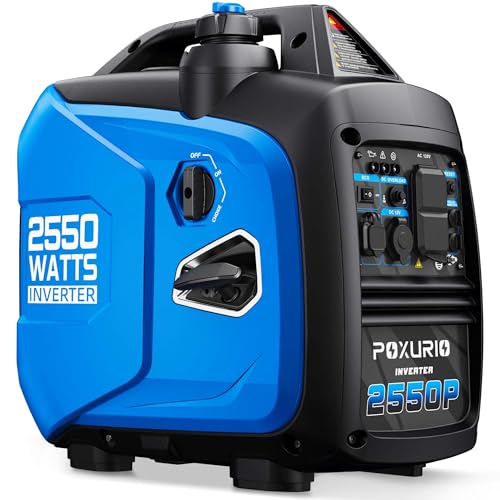
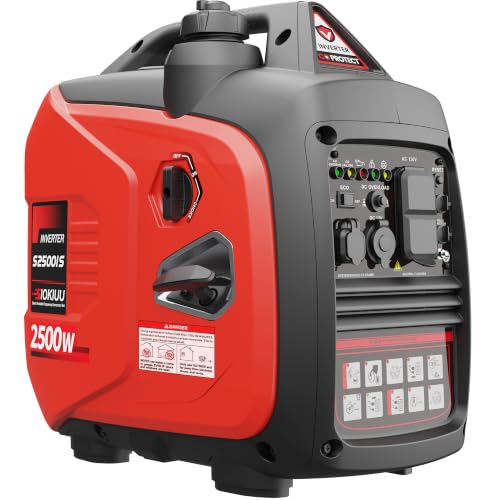
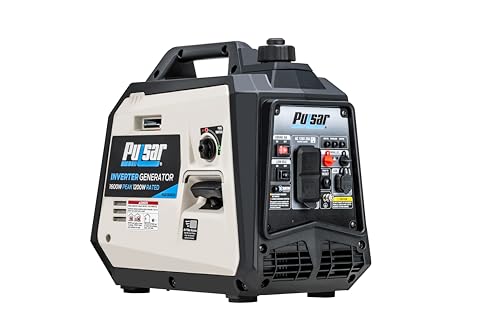
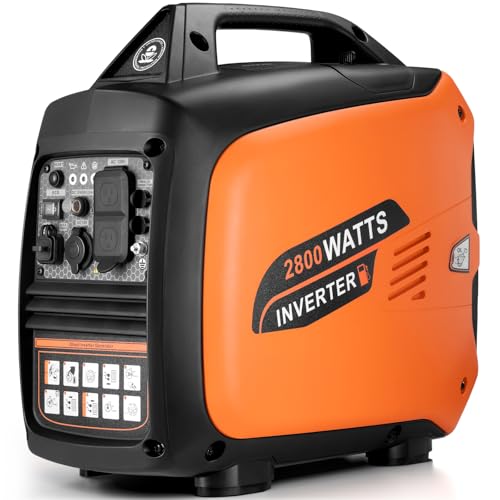
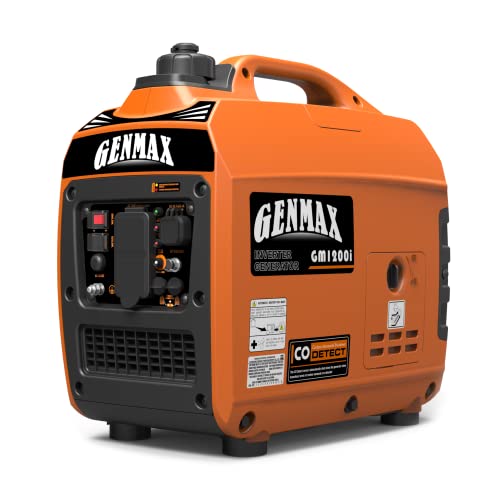

What Counts as "Small" in a Generator
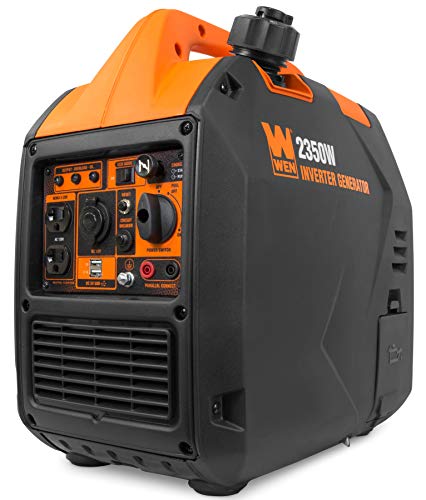
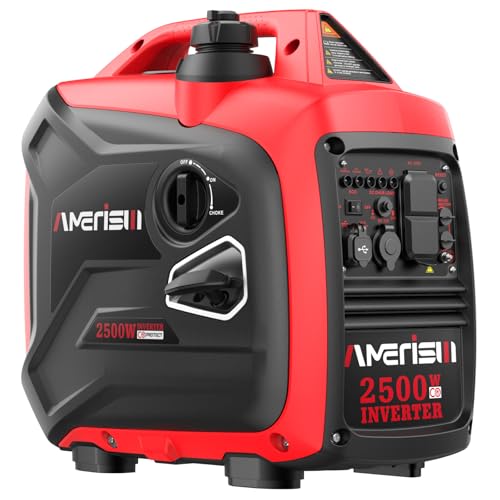
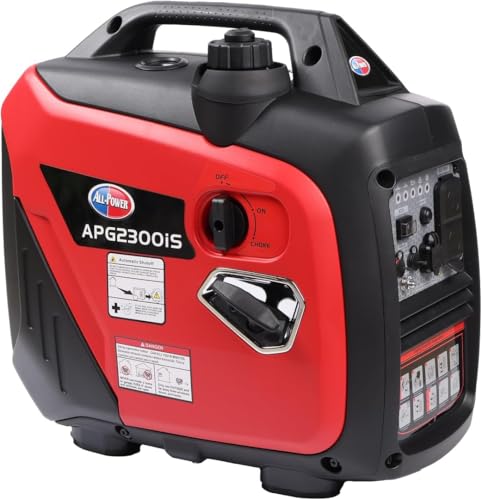
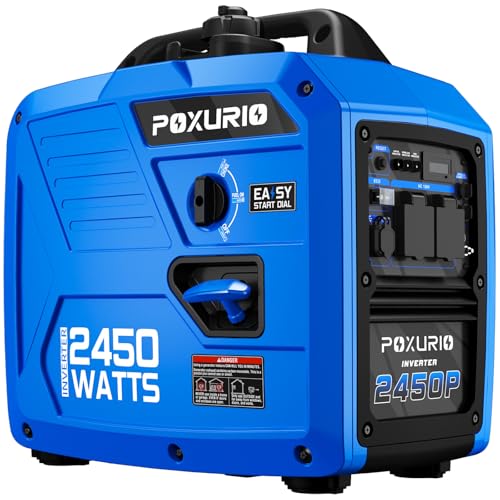
Weight is the real dividing line, not the word printed on the box. Suitcase-style inverter generators typically land between 20 and 50 pounds, light enough for one person to lift with a single handle and set down on a picnic table without help. Anything past 50 pounds starts to demand a second set of hands or a wheel kit, and once a unit crosses 100 pounds it belongs in a different category entirely, closer to a stationary backup unit than a grab-and-go one.
Footprint matters as much as weight. A truly compact model fits in a car trunk next to other gear, slides into an RV's front storage bay, or rides in a truck bed toolbox without eating the whole space. If a "small" generator needs its own dedicated cargo area, it is not small in any practical sense.
The build style plays into this too. Inverter generators tend to pack the same output into a smaller, lighter enclosure than older open-frame designs, since they run the engine at variable speed instead of a fixed rate. That variable-speed design is also why most compact inverter units run quieter without needing a bulkier muffler housing bolted on. For a size-first buying decision, inverter construction is worth treating as close to a requirement rather than a nice-to-have feature.
How Much Power Actually Fits in a Compact Frame
Most compact inverter generators put out somewhere between 1,000 and 2,400 watts. That covers phone and tablet chargers, LED lanterns, a box fan, a laptop, a CPAP machine, and a mini fridge, usually with room to spare. It does not cover a central air conditioner, a well pump, power tools, or a full-size refrigerator, and it will struggle to run more than one or two of those small loads at the same time.
Two numbers matter more than the headline wattage: running watts and starting watts. A mini fridge might draw 60 to 180 watts once it's cooling, but the compressor can spike to two or three times that for a second or two when it kicks on. Add up what will run at the same time, then check the highest starting draw in that list against the generator's peak rating, not just its continuous rating.
For tailgating specifically, the math usually stays simple: a small TV or speaker, a phone or two, and maybe a portable griddle's ignition system rarely add up past 1,500 watts combined. That's exactly the range where a compact generator earns its keep, since hauling anything larger into a parking lot just to run a speaker and a cooler fan defeats the purpose of tailgating light.
Carrying and Loading It Without Strain
The point of a small generator is being able to move it without a dolly or a second person. A folding handle, a flat and stable base, and a balanced weight distribution when the tank is full all affect how easy that actually is. A 30-pound unit with an awkward, off-center handle can be more annoying to carry than a slightly heavier one with a well-placed grip.
There is also a practical noise reason to care about carrying weight: placing a generator 50 to 100 feet from a tent or picnic table cuts perceived loudness noticeably, since sound drops roughly 6 decibels every time the distance from the source doubles. A generator too heavy to move away from the sleeping area stays loud regardless of its rating. One light enough to relocate solves part of the noise problem just by being portable.
Runtime on a Single Tank
Small fuel tanks are the tradeoff for small size. Most compact gas generators carry roughly 1 to 1.2 gallons and run somewhere between 6 and 12 hours on a light to moderate load, with eco mode stretching that window by throttling the engine down when demand is low. Propane-capable models trade some of that runtime for fuel that never goes stale in storage, though the canisters add bulk that works against the whole point of going small.
For an overnight trip, a single tank is usually enough. For a multi-day weekend, pack a small backup fuel container rather than assuming eco mode alone will bridge the gap, especially if a fridge or fan runs continuously overnight.
Tank size also shapes how often refueling interrupts the trip. A smaller tank means more stops to top it off, and each of those stops means shutting the unit down, letting the engine cool, and finding a flat, ventilated spot to pour fuel safely. Factor that inconvenience into the total weight budget too, since a slightly bigger tank sometimes beats carrying extra fuel containers separately once the added container weight is added up.
Noise Rules to Check Before You Pack It
Most public campgrounds and state parks cap generator noise around 60 decibels measured from 50 feet away, and many enforce quiet hours between roughly 10 p.m. and 6 a.m. regardless of how quiet the unit is rated. A small inverter generator running at partial load usually sits well under that limit, but it's worth checking the specific rules for a destination before assuming any compact unit will pass.
Chasing the single lowest decibel number on a spec sheet matters less here than staying inside the posted limit and being considerate about placement and timing. A generator that clears the local rule by a wide margin and can be moved away from neighboring sites will cause fewer problems than one that's a couple of decibels quieter but sits right next to someone else's tent.
What a Small Generator Won't Do
It's worth being direct about the limits. A compact, lightweight generator in the 1,000 to 2,400 watt range is not going to run a rooftop RV air conditioner, a household refrigerator, or a space heater for long. Those loads need something in the 3,500 to 5,000 watt range or higher, which pushes weight well past what one person can carry comfortably. If whole-home backup during an outage is the actual goal, a larger home backup generator built for that job will serve better than anything sized to fit in a trunk.
Buying small and expecting it to cover a big load is the most common mismatch. Match the generator to phone chargers, fans, and lights, and it will do that job well for years. Ask it to run a full kitchen or an AC unit, and it will disappoint regardless of brand.
It helps to write down every device that might plug in before shopping, rather than guessing after the fact. A short list, phone, lantern, fan, and maybe a mini fridge, keeps expectations realistic and makes it obvious when a shopper is drifting toward a unit sized for backup power instead of a weekend trip.
Quick Checklist Before You Buy
- Weight you can actually lift and carry 50 to 100 feet, not just the number on the spec sheet.
- Combined running and starting watts for the specific small loads planned, phone chargers through mini fridge.
- Tank size against trip length, with a backup fuel plan for anything longer than one night.
- Decibel rating checked against the actual noise rules of the campground or venue in question.
- A handle or case that makes loading and unloading a one-person task.
If price per watt matters more than shaving off pounds, a guide built around quiet generators for the money covers that tradeoff in more depth. For a shortlist of specific units built for weekend trips, a roundup of small camping generators is a useful next stop. And if the lowest possible noise reading is the deciding factor over size, a dedicated super quiet portable generator comparison picks up where weight and portability leave off.
FAQ
Is a 1,000-watt generator enough for camping?
For phones, lights, and a fan, yes. Add a mini fridge or a CPAP machine and it gets tight once starting watts are factored in, so 2,000 watts gives more breathing room for the same trip.
How far should a small generator sit from a tent?
Fifty to one hundred feet cuts perceived noise significantly and keeps exhaust away from sleeping areas. Check that the extension cords on hand can cover that distance before relying on it.
Can a small generator run a mini fridge overnight?
Usually yes on a full tank with eco mode engaged, as long as nothing else draws power at the same time. Confirm the fridge's starting watts against the generator's peak rating first.
Is a heavier generator ever worth carrying for a weekend trip?
Only if the plan includes an appliance that a compact unit can't handle, like a full-size cooler compressor or a space heater. Otherwise the extra weight just makes loading and unloading harder without adding any benefit for phone chargers, fans, and lights.