Best Quiet Generator for the Money: A Buying Guide
Disclosure: We may earn a commission when you buy through links on this page, at no extra cost to you. As an Amazon Associate I earn from qualifying purchases. Learn more

A generator that runs quietly is only worth buying if it also makes financial sense once you add up the sticker price, the fuel it burns, and how long it lasts before something breaks. Shoppers searching for the best quiet generator for the money often get stuck comparing wattage numbers and decibel ratings side by side without a clear way to judge which unit actually delivers more value. This guide breaks down how to evaluate cost per watt, running costs, and build quality together, so you can walk away with a generator that's quiet, capable, and priced fairly for what it does, no matter how much power you actually need.

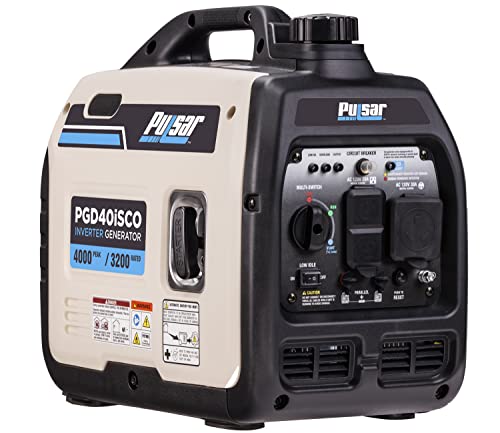

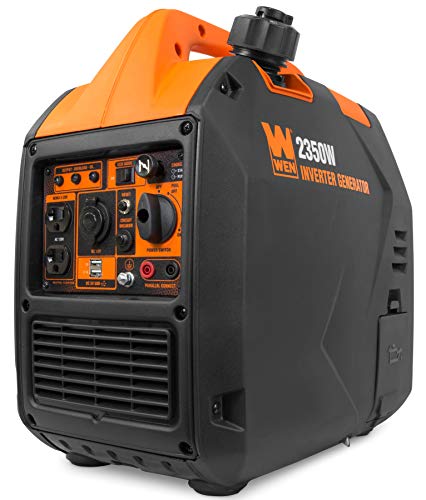
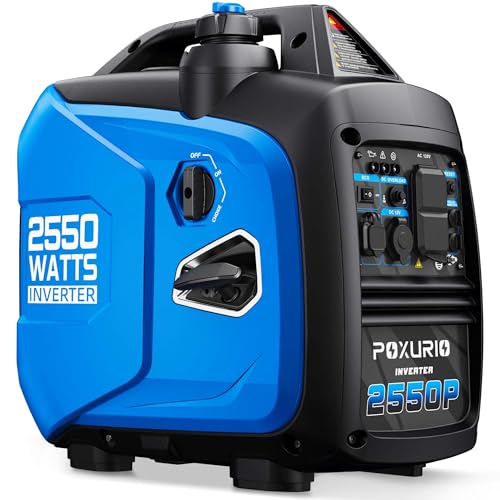
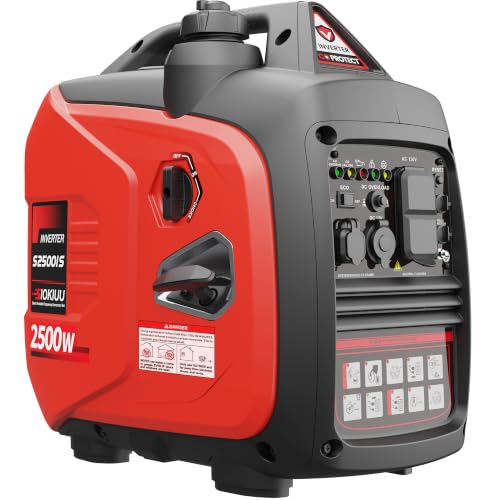
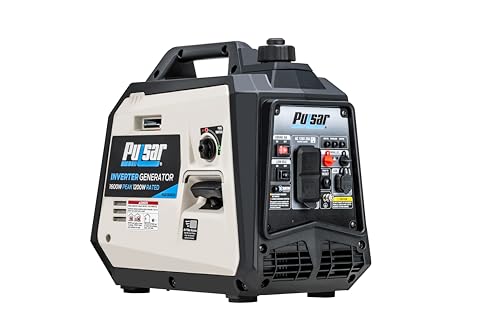

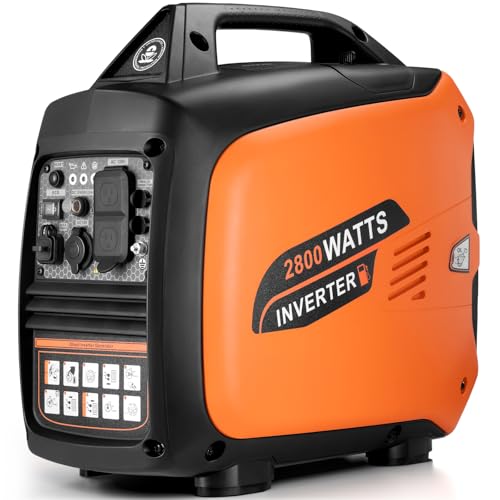
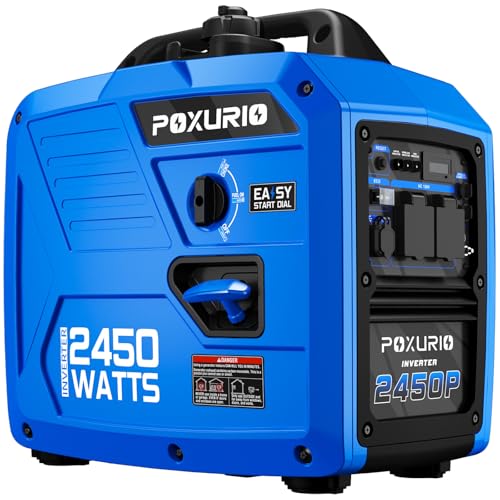
What "Value for the Money" Really Means in a Quiet Generator
Two generators can carry the same price tag and still deliver very different value once you factor in how quiet they run, how much fuel they burn, and how long they hold up. Judging the best quiet generator for the money means looking past the sticker price to a handful of numbers that actually predict long-term cost.
Price vs Wattage: Understanding Cost Per Watt
Divide the purchase price by the rated running wattage and you get a cost-per-watt figure you can use to compare units of completely different sizes on equal footing. A smaller, quieter unit with a higher cost per watt isn't automatically a bad deal if it saves you money on fuel or maintenance over time, but it's still the fastest way to spot when a listing is overpriced for what it delivers. Watch for generators marketed on peak wattage rather than continuous running wattage, since peak numbers inflate the apparent value and make the cost-per-watt math look better than it really is.
Noise Level and the Price Premium
Quieter operation almost always costs more, since it usually means a smaller engine running at lower RPM, better muffling, or an enclosed sound-dampening housing. As a rough guide, units rated in the mid-50s decibel range typically carry a noticeable premium over similarly powered models in the mid-60s. The question worth asking isn't "is this the quietest option available," but "is this quiet enough for how I'll actually use it, at a price that doesn't punish me for a few extra decibels I won't notice."
Fuel Type and Running Costs
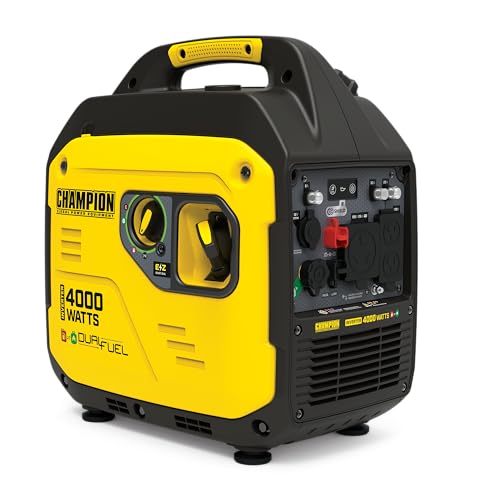
Fuel cost adds up faster than most buyers expect, especially if you run a quiet generator for extended stretches during an outage. Gasoline models are the cheapest to buy but typically burn through fuel faster per hour than propane. Dual-fuel units cost more upfront but let you switch to propane when gas is scarce or pricier, which can offset the higher purchase price over a few uses. If flexibility between fuel sources matters to you, it's worth comparing a dual-fuel inverter model against a single-fuel option before deciding which one actually saves you money.
Warranty and Build Quality Relative to Price
A longer warranty is one of the clearest signals a manufacturer trusts its own build quality, and it directly affects what a generator is actually worth over its lifespan. Budget models often carry shorter coverage windows, while better-built units tend to back their higher price with warranties that run a year or two longer. When two generators are priced closely, the one with meaningfully longer coverage is usually the better deal, since it shifts more of the repair risk onto the manufacturer instead of onto you.
Total Cost of Ownership, Not Just Sticker Price
Oil changes, air filters, spark plugs, and occasional carburetor cleaning all cost money and time over a generator's life. Cheaper units sometimes use nonstandard parts that are harder to source, which quietly raises the real cost of ownership well above the purchase price. Before buying, check how widely available replacement parts and consumables are for the model you're considering. A slightly pricier generator with common, easy-to-find parts often ends up cheaper over five years than a bargain unit that needs specialty parts ordered online.
Types of Quiet Generators and Their Value Trade-offs
Not every generator style delivers value the same way. Understanding how each type balances price, noise, and output helps you avoid paying for features you won't use.
Inverter Generators
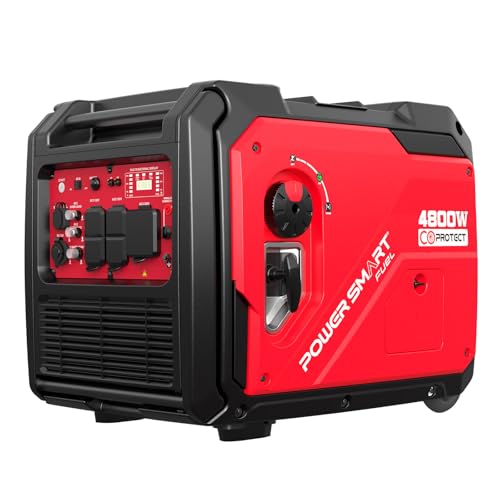
Inverter models produce cleaner power and run noticeably quieter than conventional generators of similar output, largely because they throttle engine speed to match the actual load instead of running flat out constantly. That efficiency also means better fuel economy over time, which helps offset a higher upfront price. If quiet operation and long-term fuel savings matter more to you than raw output, an inverter-style quiet generator usually delivers the strongest value per dollar spent, even though the initial cost is higher than a comparable conventional unit.
Conventional (Open-Frame) Generators
Conventional quiet generator models deliver more raw wattage per dollar than inverter units in most cases, which makes them appealing if your main priority is total power rather than absolute silence. The trade-off is that they run louder and less efficiently than inverter models, so any money saved on the purchase price can get eaten up by extra fuel over a season of regular use. If you're weighing a general-purpose backup unit against a quieter option, comparing a broad portable generator lineup side by side makes the wattage-per-dollar gap easy to see.
Dual-Fuel and Propane Models
Dual-fuel and propane-only units usually cost more than a comparable gasoline model, but propane storage doesn't degrade the way gasoline does, which can save money on fuel waste if you only run the generator occasionally. For buyers who mainly need short bursts of quiet backup power rather than hours of continuous runtime, it's also worth comparing the cost of a small battery-based portable power station against a traditional fuel-powered unit, since a power station eliminates fuel costs and noise entirely at the expense of total runtime.
How to Match Power Output to Your Actual Needs
Overbuying wattage is one of the most common ways people waste money on a generator, quiet or otherwise. Getting the size right is just as important to overall value as any spec sheet number.
Calculating Your Real Wattage Needs
Add up the running wattage of everything you'd realistically power at once, then add a modest buffer of around 20 percent to cover startup surges from appliances with motors, like refrigerators or sump pumps. Most households overestimate what they need by a wide margin, which pushes them toward larger, pricier, and often louder units than necessary.
Avoiding the "Bigger Is Always Better" Trap
A bigger generator isn't automatically a better value even if the cost per watt looks favorable on paper, because you'll pay for capacity you rarely use, plus more fuel to run an oversized engine at partial load. Buying a unit sized closer to your actual needs almost always beats buying extra headroom "just in case," both in upfront cost and in how efficiently the generator runs day to day.
Common Mistakes to Avoid
- Comparing generators by peak wattage instead of continuous running wattage, which skews the value math
- Focusing only on decibel rating without checking how that number was measured or at what load
- Ignoring warranty length when two units are priced close to each other
- Buying more wattage than your actual appliance load requires
- Overlooking parts availability and maintenance costs that add up over the life of the generator
Frequently Asked Questions
What decibel level counts as a quiet generator?
Most generators considered genuinely quiet run in the mid-50s to low-60s decibel range at a typical load, which is roughly comparable to normal conversation. Anything above that starts to feel noticeably louder over extended use.
Is an inverter generator worth the extra money?
For most buyers who value quiet operation and better fuel efficiency, yes. The higher upfront price is usually offset over time by lower fuel costs and quieter, more stable power output, especially if you run it regularly.
How do I calculate the true cost of running a generator?
Add the purchase price to your estimated annual fuel cost and routine maintenance, then divide by how many years you expect the unit to last. This gives a clearer year-by-year cost than looking at the sticker price alone.
Do more expensive generators really last longer?
Generally yes, though not always in direct proportion to price. Better-built engines, more durable housings, and longer warranty coverage tend to correlate with higher price points, but it's still worth checking specific warranty terms rather than assuming price alone guarantees durability.
Is it cheaper to run a generator on propane or gasoline?
Gasoline is usually cheaper per hour of runtime, but propane stores indefinitely without degrading, which can reduce waste if you only use the generator occasionally. Dual-fuel models let you choose based on availability and price at the time.
How much generator do I actually need for occasional power outages?
For most homes, a unit that covers a refrigerator, a few lights, and small electronics is enough for short outages. Only add capacity for larger appliances like well pumps or central air if you genuinely expect to run them during an outage.
Final Thoughts
Getting the best quiet generator for the money isn't about finding the lowest price or the lowest decibel rating in isolation. It comes down to weighing cost per watt, fuel type, warranty coverage, and long-term maintenance together, then matching the output to what you'll actually use. Do that math before you buy, and you'll end up with a generator that stays quiet, keeps running for years, and never feels like it cost more than it delivered.