Best Stroller for Baby and Toddler: A Complete Buying Guide
Disclosure: We may earn a commission when you buy through links on this page, at no extra cost to you. As an Amazon Associate I earn from qualifying purchases. Learn more
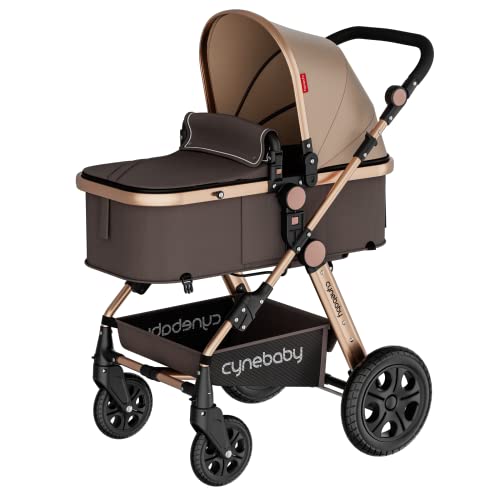
Picking one stroller that works from the newborn stage all the way through the toddler years feels like a tall order. Most parents end up buying two or three strollers before their child outgrows the need for one, and each purchase adds up fast. The good news is that a well-chosen stroller can genuinely stretch across both stages without a second purchase. Finding the best stroller for baby and toddler use comes down to a handful of specific features, mainly recline angle, weight capacity, and how easily the seat adjusts as your child grows. In this guide, you will learn what to look for, how these strollers differ from travel systems, and how to switch the seat setup as your baby turns into a toddler.




What to Look for in the Best Stroller for Baby and Toddler
Recline Angle and Newborn Support
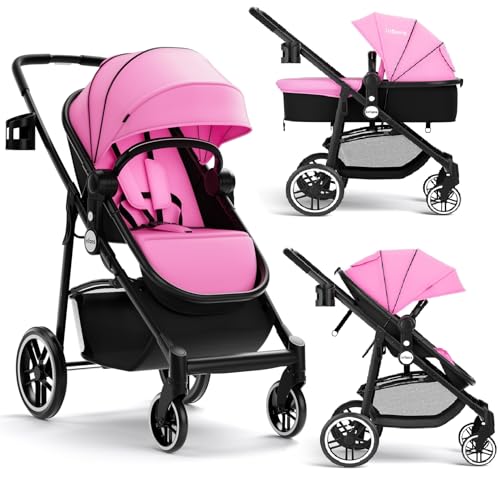
Newborns cannot hold their head up on their own, so the seat needs to recline close to flat, ideally near 180 degrees. A shallow recline forces a young baby's chin toward their chest, which can restrict breathing during long rides. Look for a seat that locks into a near-flat position with one hand, since you will likely be doing this while holding your baby at the same time. This feature matters most in the first four to six months, before your baby can sit up unassisted.
Weight Limit and Age Range
Weight limit is the single number that matters most when you are shopping for a best stroller for baby and toddler use, since it tells you far more than an age range does. A higher weight limit means the frame and seat can keep up as your toddler grows taller and heavier, so you are not shopping again in a year. Check both the overall stroller weight limit and any separate limit for the reclined newborn position, since these two figures are sometimes different.
Seat Configuration and Conversion
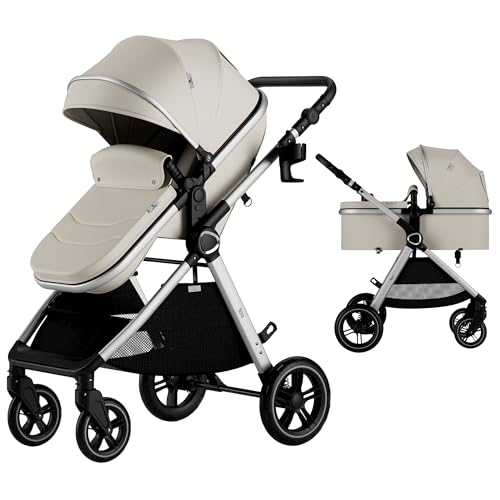
A seat that shifts easily between rear-facing and forward-facing modes lets a young baby face you for comfort, then flips around once your toddler wants to see the world ahead. Some seats also adjust in height or depth as your child grows, which keeps the fit snug instead of loose and unsupportive. Before buying, check how many steps the conversion takes and whether it requires tools, since a fussy process means you are less likely to bother adjusting it as your child grows.
Harness and Safety Features
A 5-point harness is the standard for both newborns and toddlers because it secures both shoulders, the hips, and between the legs. Toddlers tend to squirm and try to wriggle free, so look for a harness with adjustable strap heights and a buckle your child cannot easily pop open on their own. A wide, padded seat base also helps keep an older toddler comfortable on longer walks.
Frame Durability and Maneuverability
A stroller you will use for two or three years needs a sturdy frame, smooth-rolling wheels, and a fold mechanism that still works well after months of daily use. Larger front wheels tend to handle curbs and uneven sidewalks better, while a compact fold matters if you are loading it into a trunk regularly. Test the steering with one hand in the store if you can, since a stroller that pulls to one side becomes tiring fast. A sturdy frame is often what separates an average model from a best stroller for baby and toddler pick, since it has to hold up through years of daily walks rather than a few months.
Types of Strollers That Grow With Your Child
Not every model on the shelf can handle both stages well, but two broad categories consistently work as a best stroller for baby and toddler pick: standard full-size strollers and all-terrain strollers.
Standard Full-Size Strollers
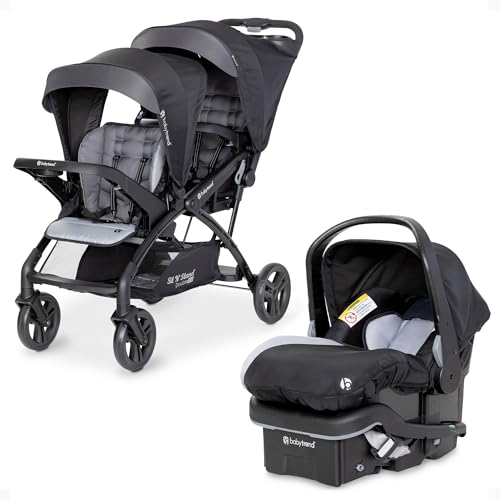
These are the most common choice for a stroller that spans newborn to toddler use. They typically offer a near-flat recline, a roomy seat that expands as your child grows, and enough storage underneath for diaper bags and groceries. If you would rather have a stroller that comes bundled with an infant car seat from day one, a stroller and car seat combo covers those very early months differently, though it usually means swapping to the stroller's own seat once your baby outgrows the car seat.
All-Terrain and Jogging-Style Strollers
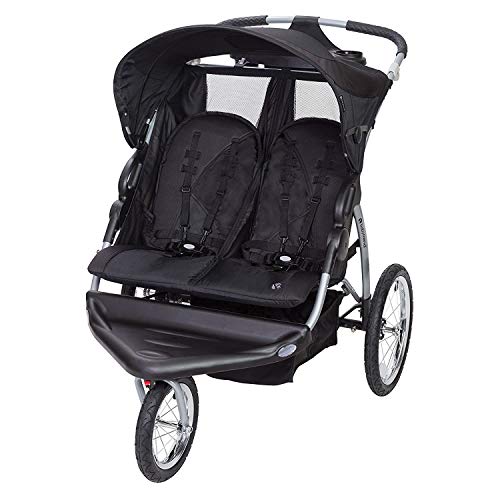
All-terrain strollers use larger, more durable wheels that handle gravel, grass, and uneven trails better than standard models. Many still offer a flat recline for newborns and a high weight limit for toddlers, making them a solid pick for active families. The tradeoff is a bulkier frame and a heavier overall weight, which can make folding and lifting into a car less convenient for daily errands.
How to Adjust Your Stroller as Your Child Grows
Newborn Stage
During the first few months, keep the seat in its flattest recline position and use any included head or body support inserts, since newborns need extra padding to sit securely in a seat built for a wider range of sizes. Keep the canopy extended for sun and wind protection, and check the harness fit each time you use it, since young babies grow quickly.
Toddler Stage
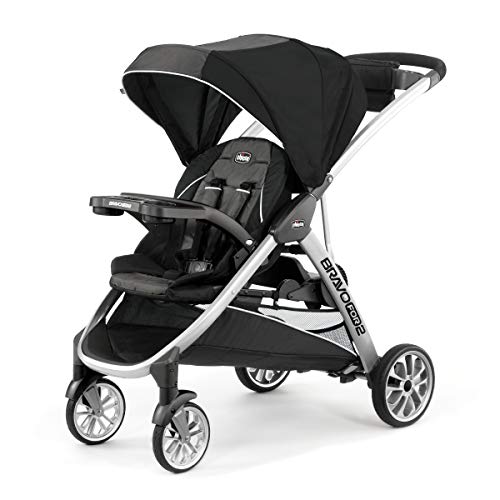
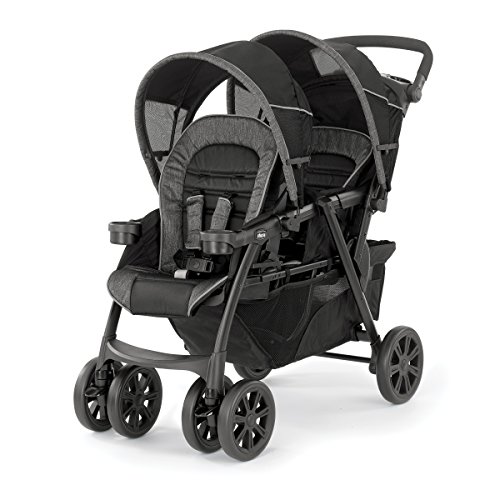
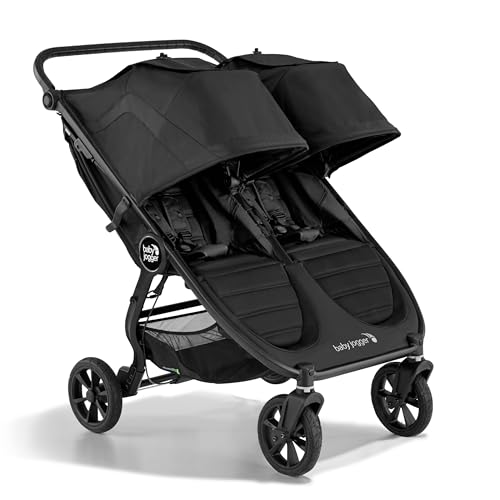
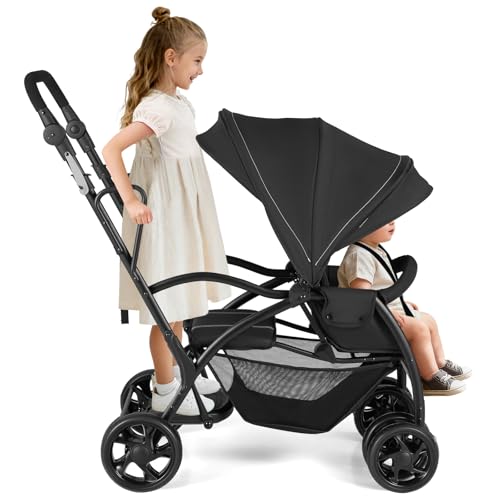
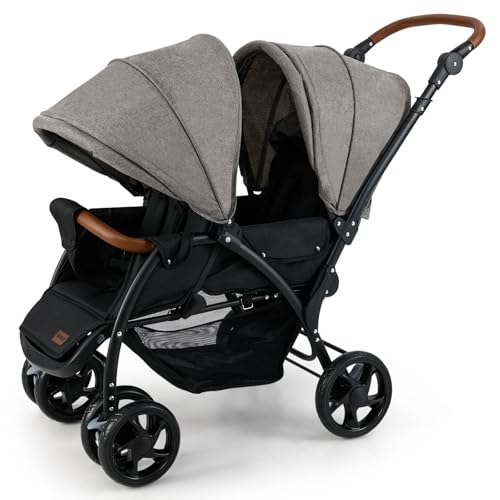
Once your child sits up well on their own, usually around six months, you can raise the seat to a more upright position for better visibility. Loosen the harness straps as needed and move them to a higher slot if your stroller offers adjustable heights. If you are expecting a second child close in age, a double stroller built for an infant and toddler together may be worth planning for ahead of time, rather than adjusting a single seat to fit two kids.
Common Mistakes to Avoid
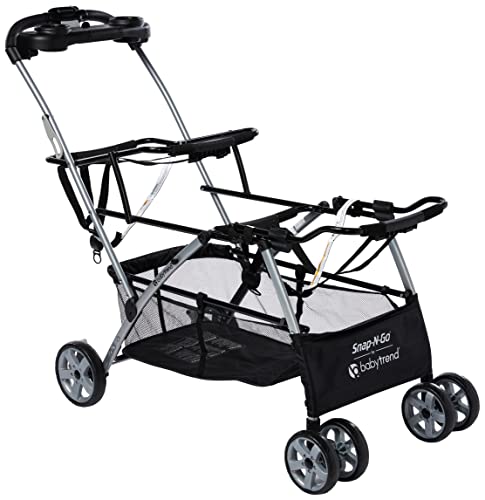
Many parents assume any stroller will work for a newborn as long as it has a recline, but a partial recline is not the same as a flat one, and it is not safe for very young babies. Others skip checking the weight limit and end up with a seat that feels cramped well before their child is ready to walk everywhere on their own, which defeats the point of choosing the best stroller for baby and toddler use in the first place. It also helps to think about how the stroller pairs with your car; if you plan to use a car seat with the frame later on, confirming compatibility with a toddler car seat ahead of time saves you from buying adapters or a new frame down the road.
Finally, if your budget is tight, keep in mind that budget-friendly stroller options can still check most of the boxes above without the premium price tag.
Frequently Asked Questions
What age can a baby start using a stroller?
A baby can use a stroller from birth as long as the seat reclines flat or the stroller accepts a compatible bassinet or infant car seat. Newborns should never sit upright in a stroller seat that only offers a partial recline.
When should you stop using a stroller for a toddler?
Most families stop somewhere between ages three and five, though it depends more on the child's weight, height, and walking stamina than on age alone. Once your toddler's knees hit the footrest or they consistently exceed the weight limit, it is time to move on.
What is the weight limit for most strollers?
Standard strollers typically max out between 40 and 50 pounds, while some premium full-size models go up to 65 pounds. Always check the manufacturer's listed limit rather than estimating based on your child's age.
Can a stroller be used from birth without a car seat?
Yes, as long as the seat reclines to a near-flat, newborn-safe position or the stroller includes a bassinet attachment. A car seat is only required if the stroller's own seat does not recline enough for a newborn.
What is the difference between a convertible stroller and a travel system?
A convertible stroller has one seat that adjusts through multiple recline and facing positions as your child grows, while a travel system pairs a stroller frame with a separate infant car seat that clicks in and out. Convertible strollers are usually meant to last longer without swapping components.
Do toddlers need a 5-point harness in a stroller?
Yes, a 5-point harness remains the safest option for toddlers, since it keeps them secured at the shoulders, hips, and between the legs even as they squirm or try to stand up in the seat.
Can one stroller work for both a newborn and an older toddler?
Yes. A flat recline for the newborn stage, a high enough weight limit, and an adjustable seat that grows with your child are really the whole formula for a best stroller for baby and toddler pick. Checking these three features before buying is the best way to avoid needing a second stroller.
Final Thoughts
The right stroller should adapt as your child grows instead of becoming outdated within months. Focus on recline angle, weight limit, and how easily the seat converts, and you will end up with a best stroller for baby and toddler pick that genuinely covers both stages without a second purchase.