
Best Toddler Car Seats: A Complete Buying Guide
Disclosure: We may earn a commission when you buy through links on this page, at no extra cost to you. As an Amazon Associate we earn from qualifying purchases. Learn more
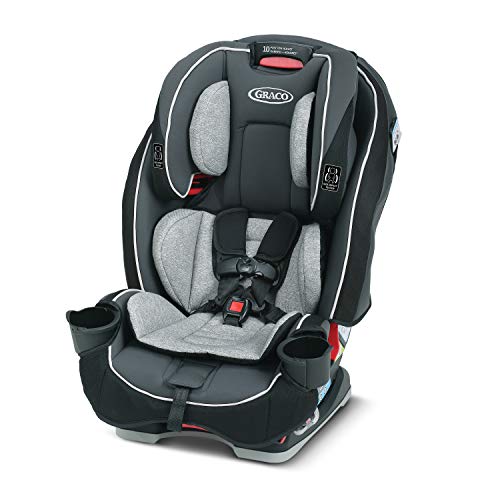
A toddler who has outgrown the infant seat needs something built for a different stage: heavier body, longer legs, more wiggle room, and years of use ahead instead of months. Picking the right replacement means understanding the categories, matching weight ranges to your child's actual size, and getting the installation right from day one. This guide covers all of that, across every style of toddler seat on the market, without narrowing down to a single price bracket.


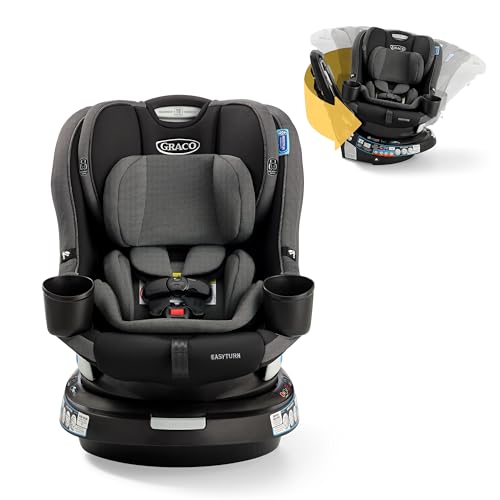

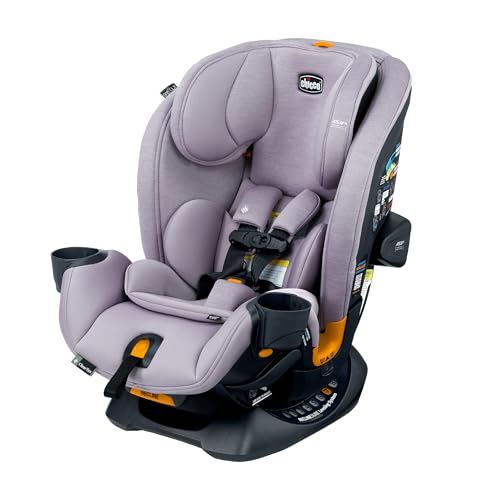
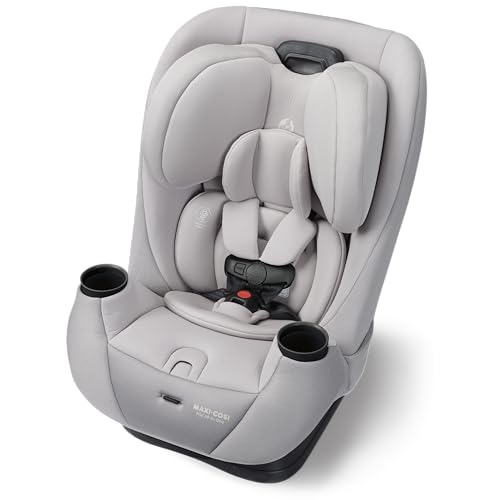
Signs Your Child Has Outgrown the Infant Seat
Most infant seats max out somewhere between 30 and 35 pounds, or once the top of a child's head sits within an inch of the shell's edge. A harness that no longer sits at or below the shoulders, a seat that suddenly feels impossible to lug around, or legs that stay cramped against the vehicle seat back are all signals the infant seat has reached its limit. None of this lines up neatly with a birthday, so check the actual numbers printed on the seat's label rather than going by age alone.
Convertible, Combination, or All-in-One: Picking a Category
Once the infant seat is retired, three broad categories take over. They differ in how long they last, which direction they face, and how much they change as your child grows.
Convertible Seats
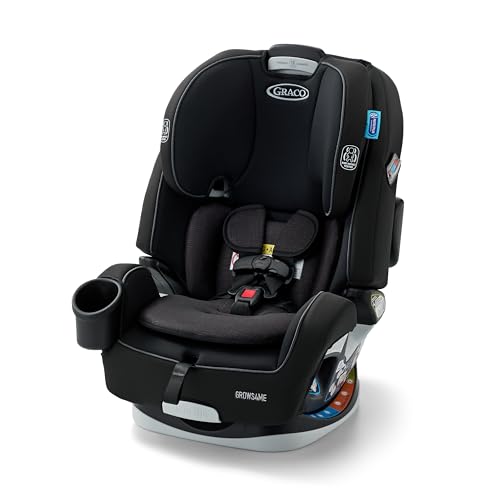
Convertible seats install rear-facing first, then switch to forward-facing once a child meets the seat's rear-facing maximums, which is usually the seat parents reach for right after the infant stage. Rear-facing riding stays safer for a longer window than most people assume, so a convertible with a high rear-facing weight limit lets a toddler stay rear-facing well past their second birthday. Options across every price range fall into this group, including seats reviewed in our toddler car seat roundup for families working with a set budget.
Combination Seats
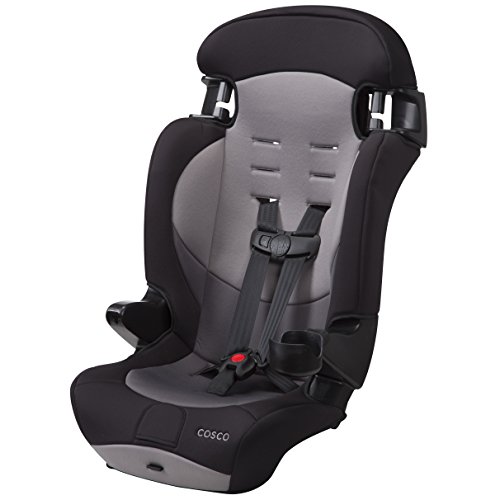
Combination seats skip rear-facing altogether and start forward-facing with a five-point harness, later converting into a belt-positioning booster once a child outgrows the harness portion. These work best for a child who already spent significant time rear-facing in another seat and is ready to face forward, since combination seats are not built to face backward at all.
All-in-One Seats
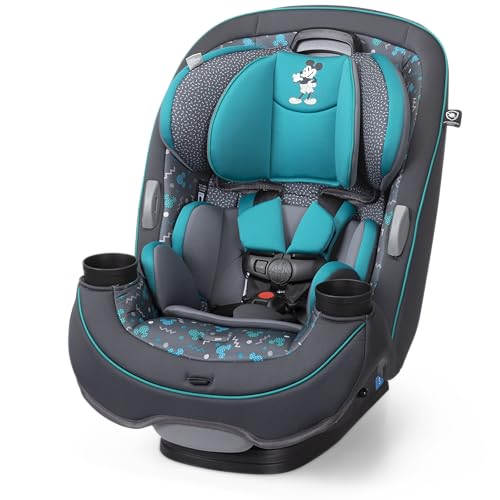
All-in-one seats try to cover every stage in a single shell: rear-facing, forward-facing harness, and booster. That versatility comes with tradeoffs. These seats tend to run bulkier and heavier than seats built for one stage, and no single stage is usually as refined as a dedicated design. For a family that wants to buy once and keep adjusting the same seat for years, it is still worth a look.
Matching Weight and Height Limits to Your Child's Actual Size
Every seat lists two sets of numbers: a rear-facing range and a forward-facing range, each with its own weight and height ceiling. Pediatric safety groups recommend keeping a child rear-facing until they hit the maximum for that mode, then forward-facing with a harness until they outgrow those limits too, often somewhere around 40 to 65 pounds depending on the model. Only after a child exceeds the forward-facing harness limits, and is old enough to sit still with a seat belt positioned correctly, does a booster stage make sense. Comparing your child's current weight and height against these numbers, rather than assuming a seat rated for "toddlers" fits any toddler, prevents the common problem of moving a child into the next stage too early.
LATCH Anchors or the Vehicle Seat Belt
Toddler seats can usually be installed with the vehicle's LATCH lower anchors or with the seat belt itself, and neither method is inherently safer when done correctly. The tradeoff is weight. LATCH anchors carry a combined weight limit, typically around 65 pounds once the seat and child are added together, so heavier toddlers often need to switch to seat belt installation even if LATCH anchors are available. Whichever method is used, the seat should not move more than an inch at the belt path when pulled firmly from side to side. If it does, the seat needs to be tightened again before the next drive.
Reading the Label Before You Buy
Every car seat carries a manufacture date and an expiration date stamped somewhere on the shell, usually six to ten years after production. Plastic and foam degrade over time, and older seats may no longer meet current testing standards, so buying secondhand without knowing that history carries real risk. Materials matter too. Some families specifically look for seats built without added flame retardants, and our guide to non-toxic car seat options breaks down what to check on the label for that. Confirm the certification sticker, the expiration date, and the weight range before adding anything to a cart.
What Trips Parents Up After the Purchase
A seat that passed every safety check can still ride loose because of small installation habits. Harness straps twisted at the shoulder reduce how evenly force spreads in a crash, so straighten them every time before buckling in. The chest clip belongs at armpit level, not down near the belly, where it offers far less protection. Bulky winter coats add slack that a harness cannot account for, so dress toddlers in thin layers and add blankets over the buckled harness instead. And every time a seat moves to a different vehicle, the fit needs to be rechecked rather than assumed, since anchor positions and seat cushions vary between cars.
Keeping the Interior Clean Without Compromising Safety
Toddlers spill, and a seat that gets used daily needs a way to handle that without pulling the harness or padding apart for every mess. A washable liner or a purpose-built cover designed to fit around the harness slots, rather than sit over them, keeps cleanup manageable. Our guide to car seat covers walks through which styles keep the harness accessible and which ones can interfere with a proper fit.
Questions Parents Ask Before Buying
Does a higher price mean a safer seat? No. Every seat sold in the US has to pass the same federal crash standards regardless of price. Higher-priced seats often add convenience features, like no-rethread harnesses or extra padding, rather than a meaningfully different level of protection.
Can one seat really last from toddler through booster years? Some all-in-one and convertible seats are built to, but check the actual weight ceiling for each stage rather than assuming "all-in-one" means unlimited growth. A seat that starts strong at 20 pounds can still run out of room well before booster age.
Is it safe to move a seat between two cars regularly? Yes, as long as it gets reinstalled and rechecked each time rather than left loose. Families who split time between two vehicles often keep a second seat entirely, since repeated installs increase the odds of a mistake slipping through.
How do I know if a used seat is still safe? Check the expiration date, confirm it has never been in a moderate or severe crash, and make sure all original parts and the manual are included. Without that history, a lower price is not worth the risk.
Choosing With the Next Few Years in Mind
The right toddler seat depends less on brand names and more on matching the category, the weight limits, and the installation method to the child sitting in it right now. A convertible bought with room to grow, installed tightly, and rechecked as your toddler gains weight and height will carry a family through several stages without a second purchase. Start with the numbers on the label, not the marketing on the box, and the rest of the decision gets much simpler.

