Best Crib Mattresses
Disclosure: We may earn a commission when you buy through links on this page, at no extra cost to you. As an Amazon Associate I earn from qualifying purchases. Learn more

Few purchases carry more weight for new parents than picking a safe place for a baby to sleep. Mattress choices vary widely in firmness, material, and certifications, and the wrong pick can affect both sleep safety and years of daily use. This guide breaks down what actually separates the best crib mattresses from mediocre ones, from the safety standards a mattress must meet to how the core material affects support and cleanup. You will also learn how to judge fit against a specific crib frame, which certifications are worth checking, and when a dual-firmness design makes sense as a child grows. By the end, you will know exactly what to prioritize and what to skip.


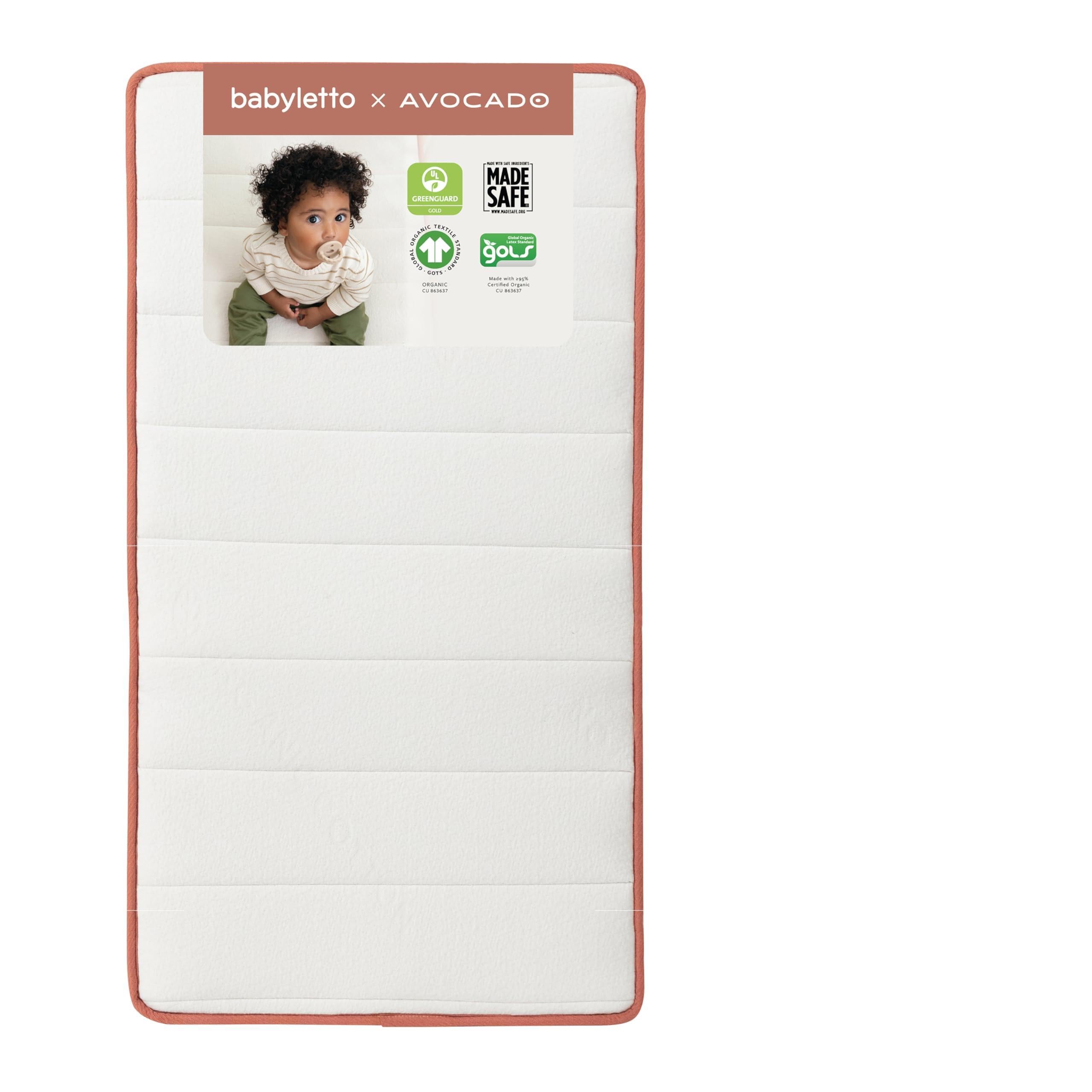

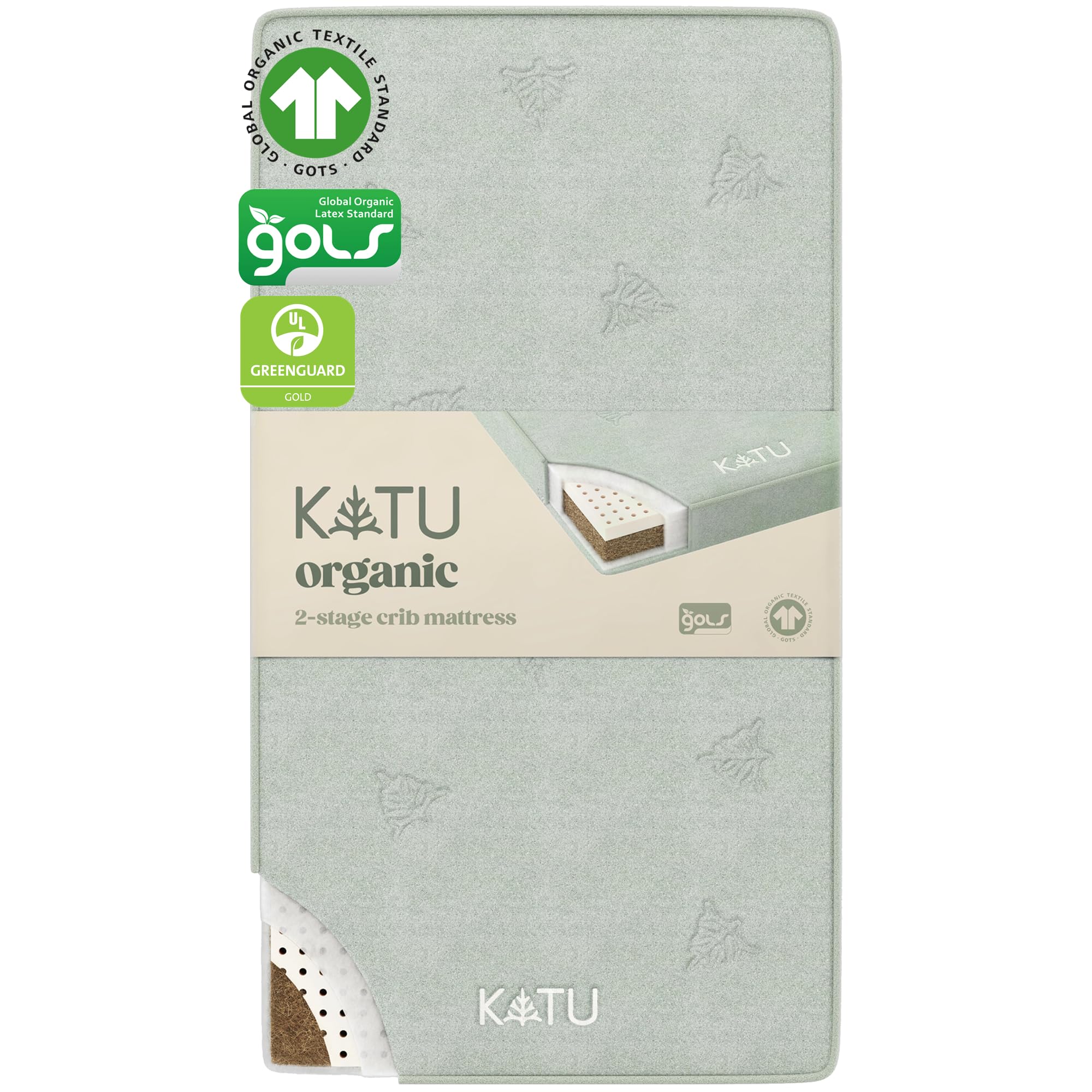
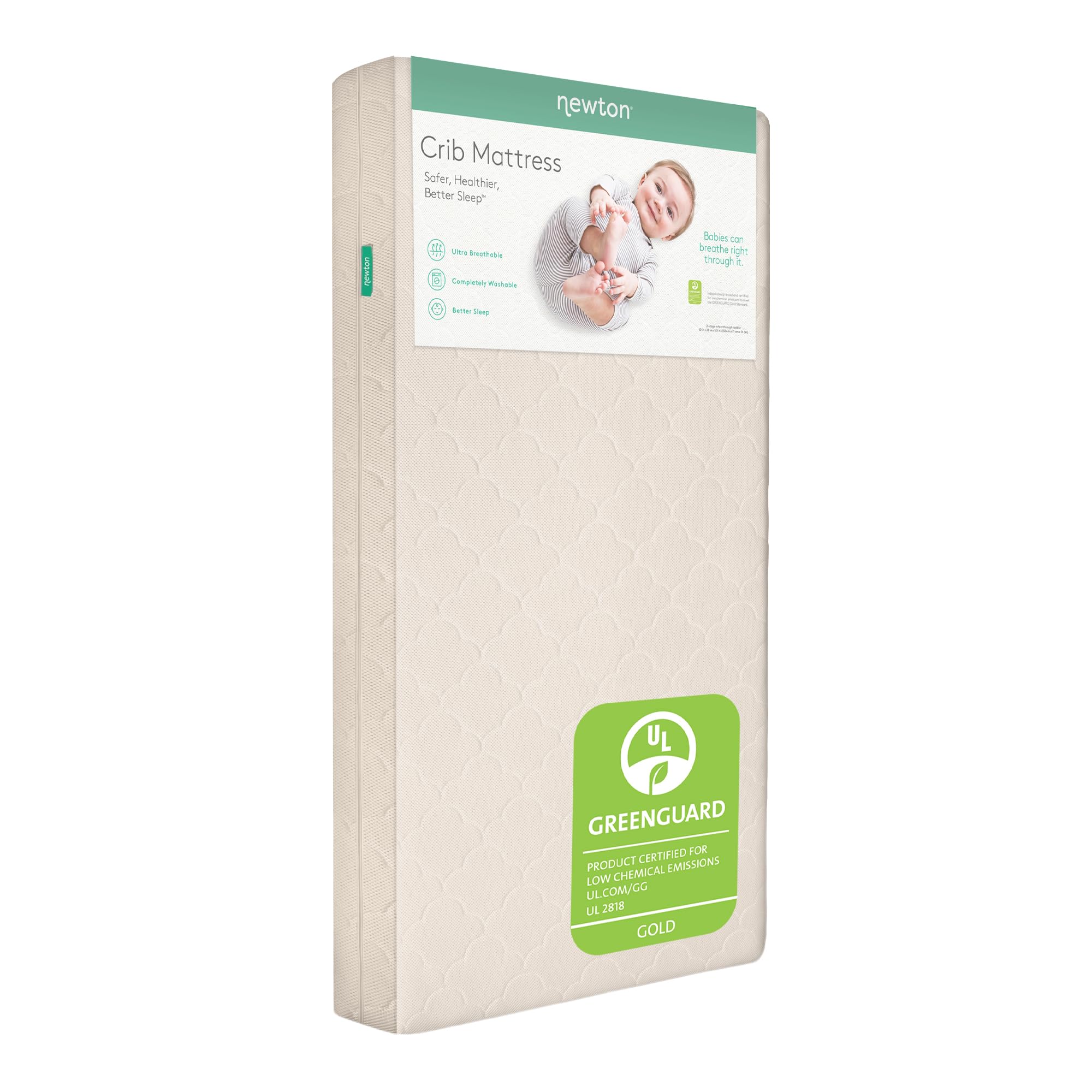
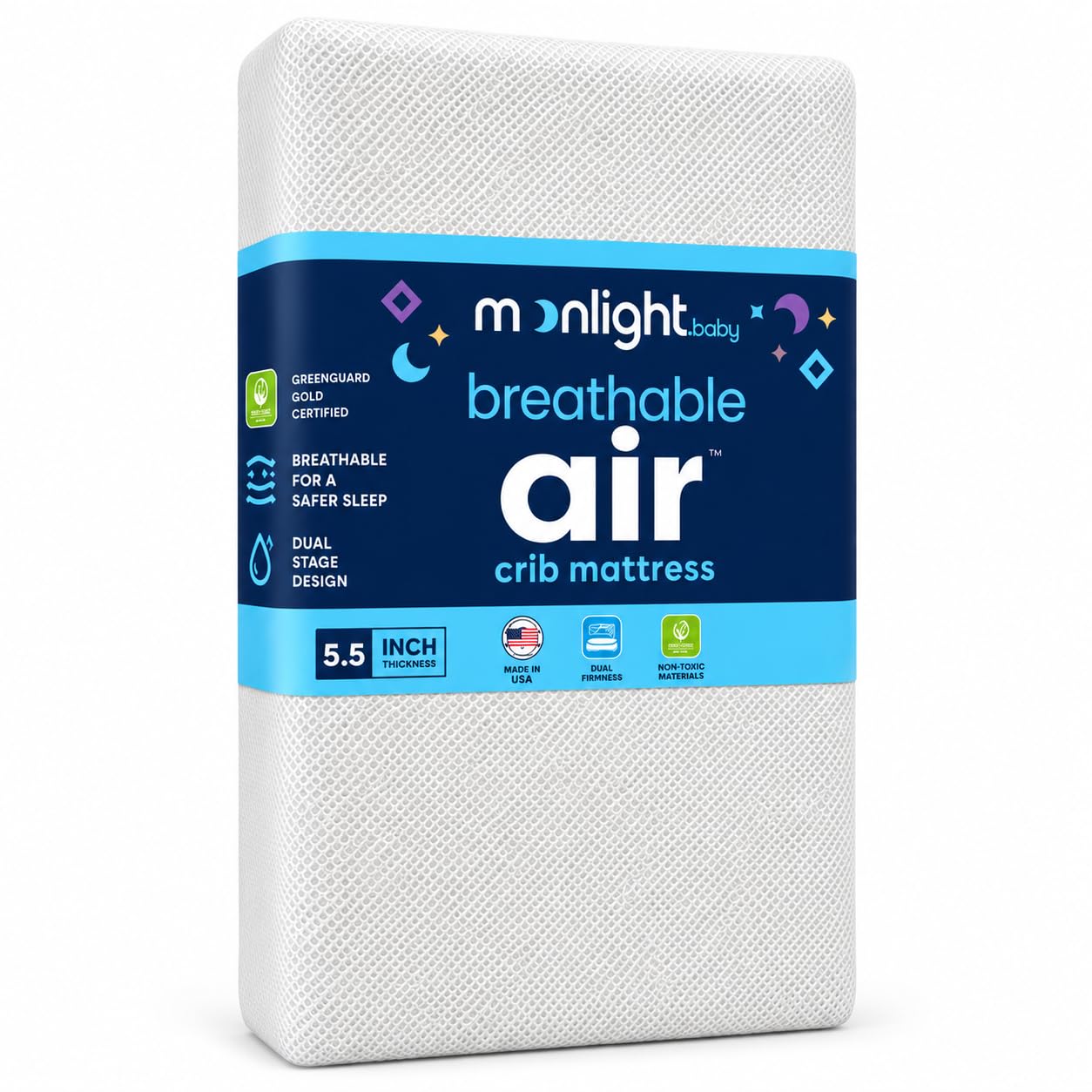

Firmness First: What Current Safety Standards Actually Require
When narrowing down the best crib mattresses on the market, firmness is the single feature that matters most, and it is not a matter of personal preference. Federal safety rules updated in recent years set specific firmness testing requirements for any mattress sold for crib or play yard use, replacing a patchwork of older voluntary standards. A compliant mattress should feel noticeably firm underhand and spring back almost instantly, without leaving a lasting indent where a baby's head or body presses down.
How Current Firmness Rules Changed the Market
Mattresses built for crib use now have to pass a formal firmness test before they can legally be sold, and manufacturers must label the mattress accordingly. Look for a label confirming the mattress meets this federal requirement, since older or secondhand mattresses may predate the rule. Memory foam and similar contouring materials generally fail this standard because they are designed to soften and mold to body weight rather than stay rigid.
Why a Soft Sleep Surface Raises Risk
A sleep surface that gives way under a baby's weight can create a pocket around the face, which raises the risk of rebreathing and suffocation. Pediatric guidance, including recommendations from the American Academy of Pediatrics, consistently points to a firm, flat sleep surface as one of the most protective choices for infant sleep, alongside placing a baby on their back with no loose bedding in the crib. Parents with specific health or developmental concerns about a baby's sleep setup should talk to a pediatrician rather than relying on general guidance alone.
Foam, Innerspring, or Hybrid: Sorting Out the Core Options
Every one of the best crib mattresses meets the same core firmness threshold, so the real differences come down to the material inside. Foam, innerspring, and hybrid or organic builds all pass the same safety bar when properly made, which means the choice is mostly about weight, durability, and price rather than one type being inherently safer.
Foam Cores
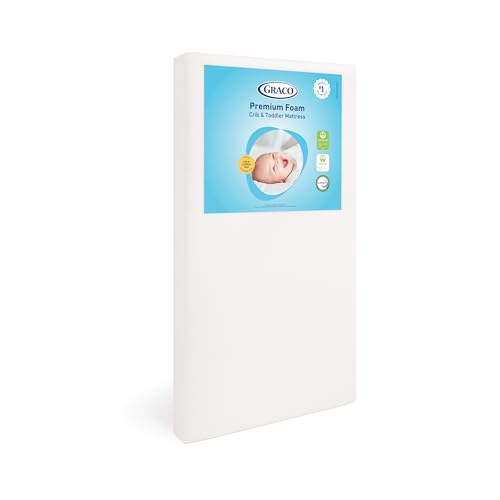
Foam mattresses use dense, high-resilience foam rather than the softer memory foam found in adult bedding. They tend to be lighter, which makes changing crib sheets easier, and they are usually the most budget-friendly option. Quality varies by density, so pressing a hand into the surface and watching how quickly it springs back is a simple way to gauge firmness before buying.
Innerspring Cores
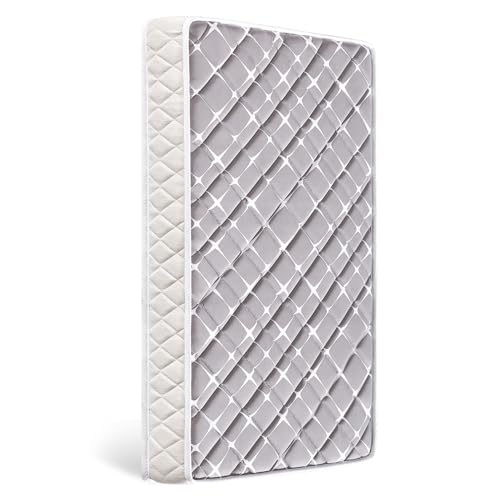
Innerspring mattresses rely on a coil system wrapped in padding and a cover. More coils generally translate into more consistent support across the surface and a longer usable lifespan, though the mattress will weigh noticeably more than a foam equivalent. That extra weight can make nightly sheet changes more of a chore, which is worth factoring in alongside durability.
Hybrid and Organic Builds
Hybrid designs combine an innerspring or foam core with additional layers aimed at breathability or moisture control. Organic versions use plant-based or natural fiber materials in place of synthetic foam, appealing to parents who want to limit synthetic materials in the nursery. These builds often cost more, but the core firmness requirement still applies regardless of what the outer layers are made from.
Getting the Fit Right for a Specific Crib
A mattress that is technically firm enough can still be unsafe if it does not fit the crib frame properly. This is one area where shoppers comparing the best crib mattresses often focus on firmness and material and overlook fit, but gaps between the mattress edge and the crib rail create a space where an arm, leg, or the body can become trapped.
The Two-Finger Gap Test
Safety guidance recommends being able to fit no more than two fingers between the mattress edge and the crib frame at every point around the perimeter. Check this after the sheet is on, since a bulky waterproof cover or an ill-fitting sheet can effectively shrink the usable mattress size. It helps to recheck the fit periodically, since materials can compress slightly over months of use.
Standard Crib vs Mini Crib Sizing
Standard crib mattresses are built to a fixed set of federal dimensions, so any mattress labeled for standard cribs should fit a standard crib frame with no adjustment needed. Mini cribs and portable or play yard setups use different, smaller dimensions, and a standard mattress will not work safely in one. Anyone furnishing a smaller nursery or shopping for a compact crib built for tight spaces should confirm the mattress is sized specifically for that frame before buying, rather than assuming sizes are interchangeable.
Certifications, Waterproofing, and Everyday Cleanup
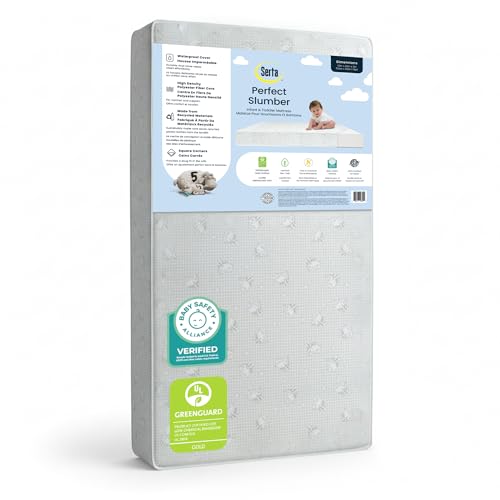
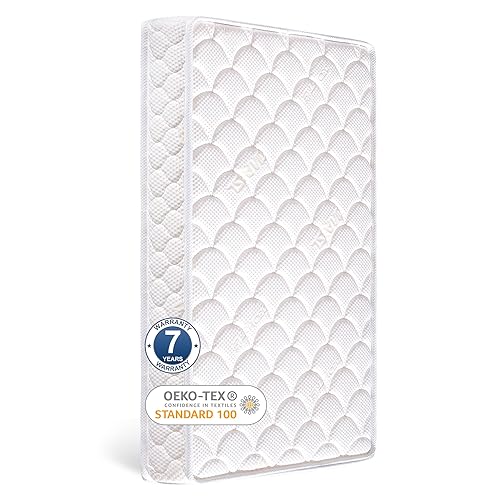
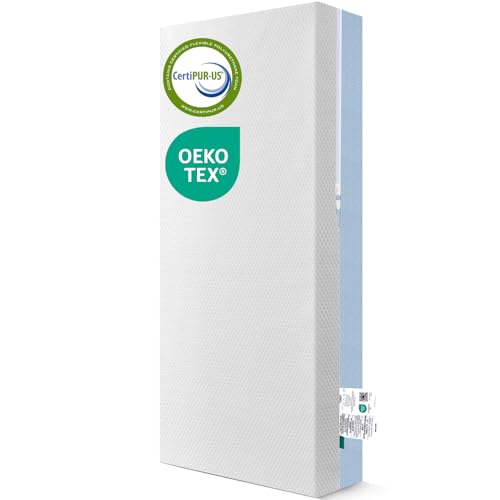
Beyond firmness and fit, a handful of labels and features separate the best crib mattresses from ones that become a hassle within a few months. Independent certifications like GREENGUARD Gold or OEKO-TEX indicate a mattress has been tested for low chemical emissions, which matters given how many hours a baby spends breathing close to the mattress surface. Organic certifications go a step further, verifying that raw materials meet defined agricultural or manufacturing standards rather than just relying on marketing claims. None of these labels are required by safety law, but they offer independent verification beyond what a manufacturer states on the box.
A waterproof or wipeable cover saves considerable time during the newborn and potty-training stages, since diaper leaks and spit-up are inevitable. Vinyl-free waterproof covers have become common and tend to feel more breathable against a baby's skin than older vinyl designs. Parents who want extra protection without buying a new mattress can also add a waterproof mattress pad or protector on top of an existing mattress, which is usually far cheaper than a full replacement after a major leak.
Planning Ahead: Dual-Firmness Options for the Toddler Years
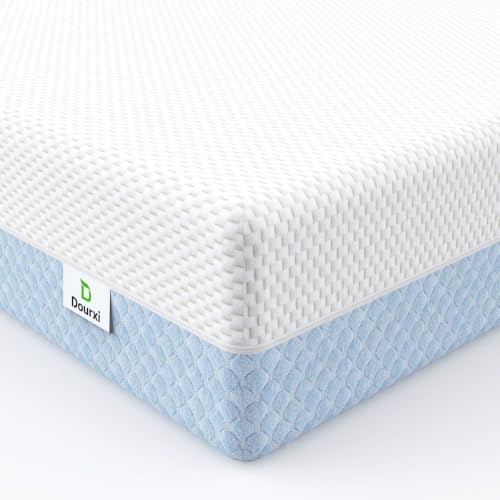
Some of the best crib mattresses on the market are built with two distinct sides, a firmer surface for infants and a slightly more cushioned surface for toddlers, so the same mattress can serve a child from birth through the transition out of a crib. Manufacturers typically specify an age or weight point for flipping to the toddler side, and that guidance should be followed rather than switching early based on comfort alone.
A dual-firmness mattress is not required. A single firm mattress works fine throughout the crib years, and toddlers do not need extra cushioning the way older kids or adults might. The dual-firmness option mainly appeals to parents who want to buy one mattress instead of two, or who are furnishing a nursery that will also serve as a toddler's first bed.
Frequently Asked Questions
What firmness should a crib mattress have?
The best crib mattresses feel very firm, showing no noticeable give and springing back immediately when pressed. A mattress should not conform to a baby's head, shoulder, or body shape the way an adult mattress might.
Is memory foam safe for a crib mattress?
Traditional memory foam is generally not recommended for crib use because it is designed to soften and contour under weight, which conflicts with current firmness safety standards. Foam-core crib mattresses use a different, firmer type of foam instead.
What size is a standard crib mattress?
Standard crib mattresses are built to fixed federal dimensions so they fit any standard full-size crib frame. Mini cribs and play yards require separate, smaller mattress sizes that are not interchangeable with a standard mattress.
How much gap is safe between the mattress and the crib frame?
No more than two fingers should fit between the mattress edge and the crib rail at any point. A larger gap creates a trapping hazard and usually means the mattress is the wrong size for that crib.
What does GREENGUARD Gold certification mean?
GREENGUARD Gold certification means a product has been independently tested and found to meet strict limits on chemical emissions, including volatile organic compounds. It is not a firmness or safety-standard certification on its own, but a separate indicator of air quality.
When should a baby move to the toddler side of a dual-firmness mattress?
Most manufacturers specify an age or weight point, often around the first birthday, for flipping to the toddler side. That manufacturer guidance should be followed rather than switching early for comfort reasons.
How often should a crib mattress be replaced?
A crib mattress should be replaced if it develops a lasting indentation, sagging, a torn cover, or an unsafe fit, rather than being patched or padded. Many families get years of safe use from a single well-maintained mattress before a replacement is needed.
Making the Right Choice for a Nursery
Between firmness standards, core material, sizing, and certifications, there is a lot to weigh before landing on one of the best crib mattresses for a particular budget and nursery setup. Start with firmness and fit since both are non-negotiable for safety, then let budget and personal preference guide the rest, whether that means a straightforward foam mattress or a certified organic hybrid. When in doubt about a specific health or sleep concern, a pediatrician is the best resource for guidance tailored to a particular baby.
Related reading: best alternatives to baby walkers and best baby gate for stairs.