
Kids Furniture Safety: Non Toxic Finishes, Durability and Tip Over Prevention
Disclosure: We may earn a commission when you buy through links on this page, at no extra cost to you. As an Amazon Associate I earn from qualifying purchases. Learn more
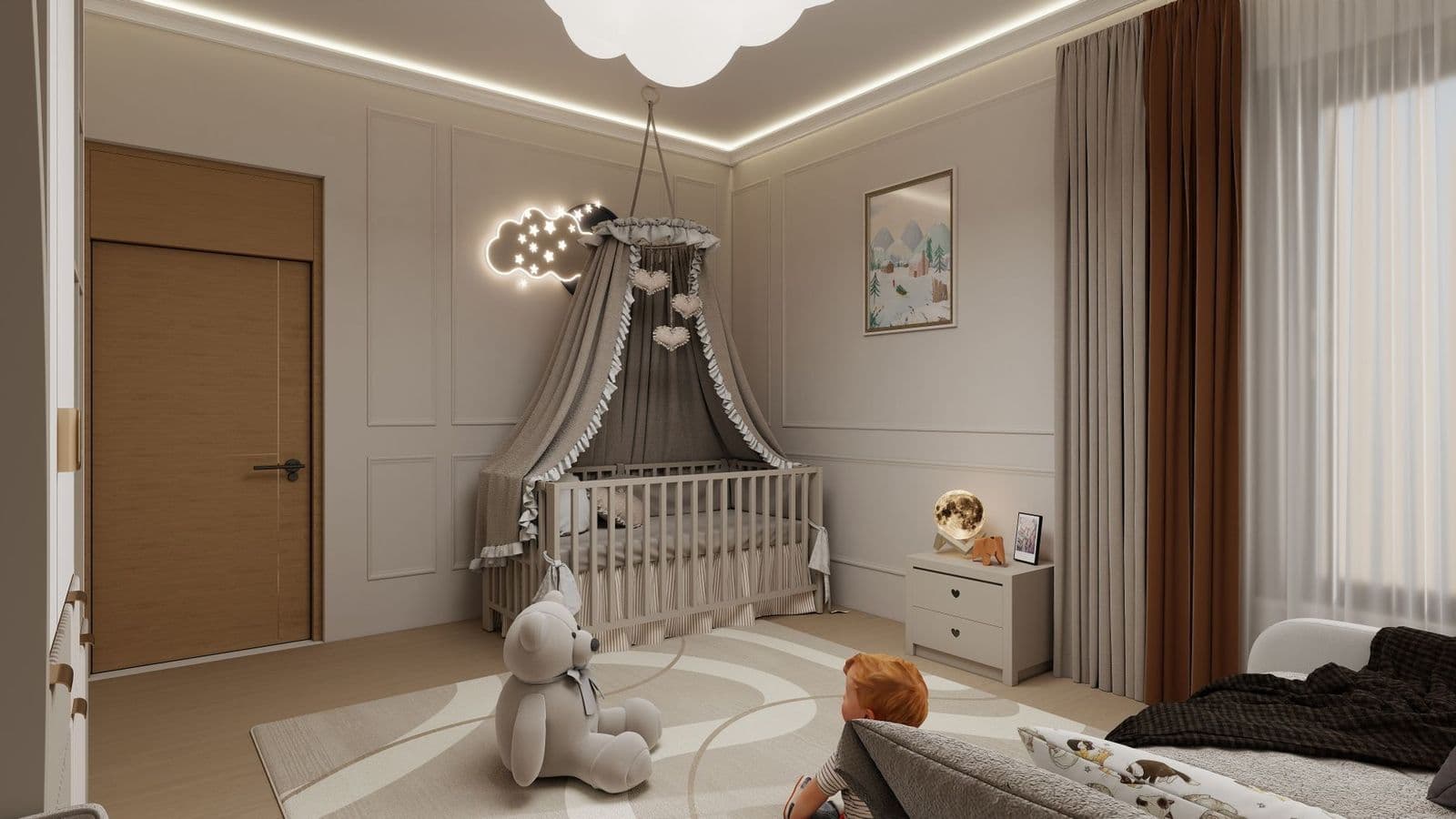
Kids furniture safety made simple: anchor tall pieces, choose low emission finishes and pick sturdy, age appropriate designs.
Good kids furniture safety comes down to four things: anchoring tall furniture to the wall, choosing low emission finishes and sturdy materials, picking age appropriate sizes with rounded edges, and checking pieces regularly as kids grow. These steps matter more than any brand name, whether you shop at IKEA, a big box store or online.
This guide explains each safety point in plain terms, what to look for on labels, and how to set up a nursery, bedroom or playroom that is safer for little ones.
Anchor Tall Furniture to Prevent Tip Overs
Anchoring dressers, bookcases and TV stands to the wall is the single most important kids furniture safety step, because children climb drawers and shelves and tall pieces can tip forward. Use the anti tip kit included with the furniture, or buy wall straps, and attach them to wall studs whenever possible.
- Anchor every dresser, bookcase, wardrobe and tall cabinet, even in rooms kids rarely use.
- Put heavier items in lower drawers and shelves.
- Install drawer stops so drawers cannot be pulled all the way out.
- Place TVs on low, anchored stands or mount them to the wall.
- In the US, look for dressers labeled as meeting the federal STURDY Act stability requirements for clothing storage units.
Non Toxic Materials and Finishes
For non toxic kids furniture, choose solid wood or low emission engineered wood, water based paints and finishes, and look for third party certifications such as GREENGUARD Gold for low chemical emissions. Let new furniture air out in a ventilated room for a few days before use.
- Solid wood: fewer adhesives than particleboard; finished with water based or natural oil finishes.
- Engineered wood: look for compliance with formaldehyde emission limits (CARB Phase 2 or TSCA Title VI in the US).
- Paints: lead free, low VOC or zero VOC finishes.
- Fabrics: OEKO TEX certified textiles for upholstered pieces.
Retailers such as IKEA publish material and safety information for children's products; check product pages for finish type and applicable standards before buying.
Durability and Construction
Durable kids furniture has solid joints (metal brackets, dowels or screws rather than staples alone), thick tops and shelves that do not sag, smooth drawer glides with stops, and hardware that stays tight. Heavier, well built pieces are less likely to wobble or break when climbed on.
- Shake the piece after assembly; it should not rock or rack.
- Retighten screws and bolts every few months.
- Avoid glass tops and fragile decorative details in kids rooms.
- Replace broken parts immediately rather than improvising repairs.
Age Appropriate Design
Age appropriate furniture means child sized tables and chairs for toddlers, beds with guardrails for small children, and rounded corners and edges at head height. Children's tables and chairs should let feet rest flat on the floor and keep the tabletop around elbow height.
| Age | Key furniture safety points |
|---|---|
| Babies | Crib meeting current safety rules, firm fitted mattress, nothing soft in the crib |
| Toddlers | Anchored dresser, low bed with rails, rounded corners, toy storage without heavy lids |
| Preschool | Child sized table and chairs, low open shelves, outlet covers behind furniture |
| School age | Loft and bunk beds only with guardrails and ladders, desk and chair sized to the child |
For sleep safety, see our guides to the best crib mattresses and the best toddler pillow, and for storage, our picks for bookcases that can be anchored.
Kids Furniture Safety Checklist
Use this quick checklist when buying and setting up kids furniture:
- Anchor all tall and heavy furniture to wall studs.
- Choose low emission finishes and certified materials.
- Check for rounded edges or add corner guards.
- Keep cords from blinds and electronics out of reach.
- Avoid toy chests with heavy, free falling lids.
- Check for recalls on the CPSC website after purchase and register products when possible.
- Inspect and tighten hardware every few months.
Frequently Asked Questions
Is IKEA kids furniture safe?
IKEA children's furniture is designed to meet applicable safety standards, but safety still depends on correct assembly and anchoring tall pieces to the wall with the included tip restraint.
What is the safest material for kids furniture?
Solid wood with water based, low VOC finishes is a common choice. Certified low emission engineered wood is also acceptable when it meets formaldehyde limits.
How do I know if a dresser is tip resistant?
Look for labeling that it meets current stability requirements, use the included anti tip hardware and always anchor it to the wall.
What does GREENGUARD Gold mean?
GREENGUARD Gold is a third party certification for products with low chemical emissions, often used for furniture and mattresses for children.
Final Thoughts
Strong kids furniture safety starts with anchoring every tall piece, then choosing low emission materials, sturdy construction and age appropriate sizes. Check your furniture regularly as children grow, keep up with recalls, and you will have a safer nursery, bedroom or playroom. Make kids furniture safety part of every purchase decision.


