Best Double Jogging Stroller for Infant and Toddler: A Complete Buying Guide
Disclosure: We may earn a commission when you buy through links on this page, at no extra cost to you. As an Amazon Associate I earn from qualifying purchases. Learn more

Shopping for a stroller that works for two kids at different stages is trickier than picking a stroller for one child. You need a seat that reclines flat enough for a newborn riding in an infant car seat, plus a seat upright enough for a toddler who wants to sit up and watch the world go by. Add jogging to the mix, and the wheel setup, suspension, and handling have to hold up at running speed, not just around the block. Finding the best double jogging stroller for infant and toddler use means balancing seating flexibility, car seat compatibility, and real running stability, not just picking the model with the biggest cargo basket. This guide walks through what actually matters, layout by layout, seat by seat, so the stroller fits your two kids instead of the other way around.






Side-by-Side or Tandem: Which Layout Fits Your Sidewalk and Your Stride
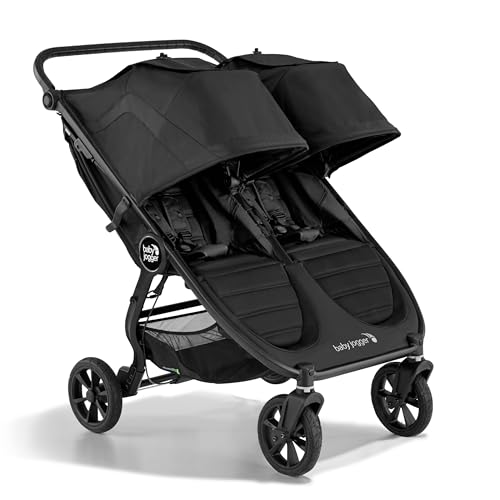
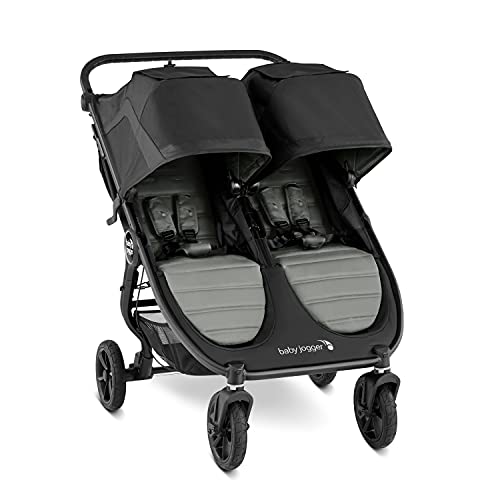
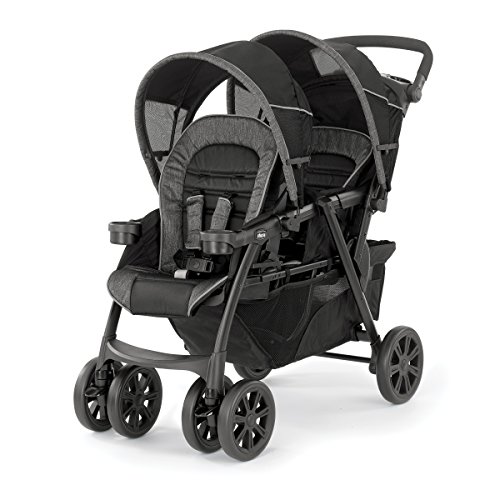
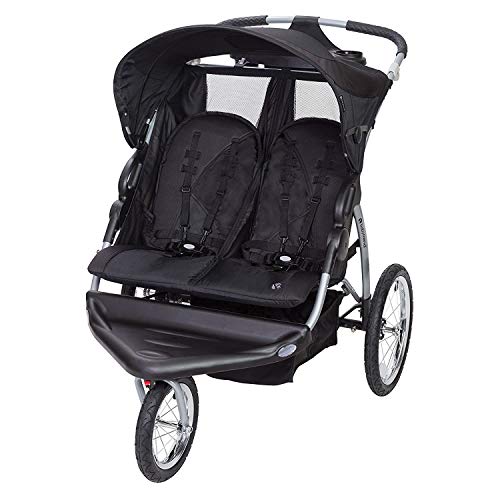
The first real decision is layout, and it shapes almost everything else about how the stroller behaves. Side-by-side doubles put both kids at the same level, facing forward together, which means even weight distribution and steering that stays predictable whether one seat is empty or full. That balance matters more than people expect once you're pushing at a jogging pace, since an unevenly loaded frame tends to pull to one side on turns.
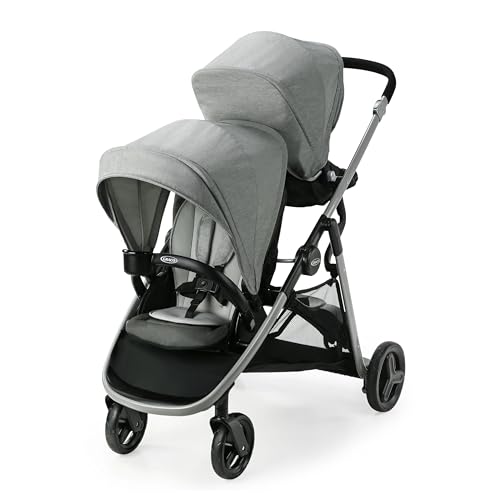
Tandem, or inline, doubles stack one seat behind the other, which keeps the chassis narrower. That narrower width is a genuine advantage on tight sidewalks, at store entrances, and through standard doorways where a wide side-by-side simply won't fit. The tradeoff is a longer wheelbase that can feel less nimble on turns and a rear seat that sits lower, with a view partly blocked by the front seat.
Which One Actually Suits Mixed-Age Siblings
For an infant and a toddler specifically, tandem layouts often make more practical sense, since the two seats rarely need to be identical. The front position can hold the more upright, toddler-ready seat, while the rear or the infant car seat adapter position takes the reclined newborn. Side-by-side still works well if your sidewalks and doorways are wide enough, and some parents simply prefer that both kids can see each other and talk during the walk.
Seating Built for Two Different Ages, Not Two Identical Kids
An infant and a toddler have almost opposite seating needs, and a stroller built for twins of the same age often can't flex enough to cover both. A newborn needs a seat that reclines close to flat, with head and body support, because young infants can't hold their own posture upright for long stretches. A toddler, on the other hand, usually wants to sit up, see forward, and have enough legroom to avoid kicking the seat in front.
Look for a stroller where at least one seat reclines fully flat or accepts an infant car seat, while the other seat has multiple upright recline positions and a footrest that adjusts as your toddler grows. Harnesses matter here too. A five-point harness with several strap height and buckle positions will keep fitting your toddler properly for a much longer stretch than one with a single fixed setting.
Growing Out of the Infant Stage
Most strollers rate their own seats for use once a baby can sit up unsupported, generally around six months, which is also roughly when pediatric guidance suggests a baby has the neck and trunk control to handle a jogging stroller's motion. Before that stage, the infant rides in a car seat that clicks into the stroller frame rather than in the stroller's own seat.
Car Seat Adapters: Making the Newborn Seat Actually Fit
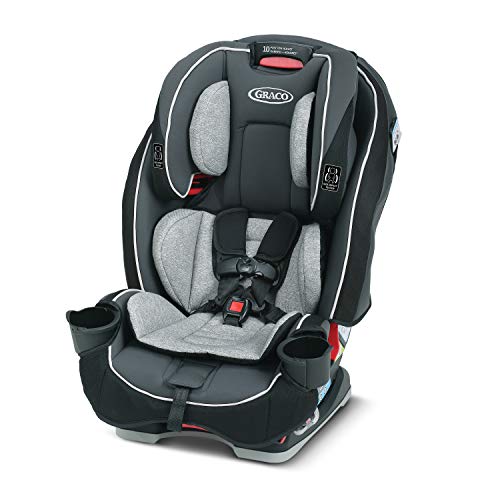
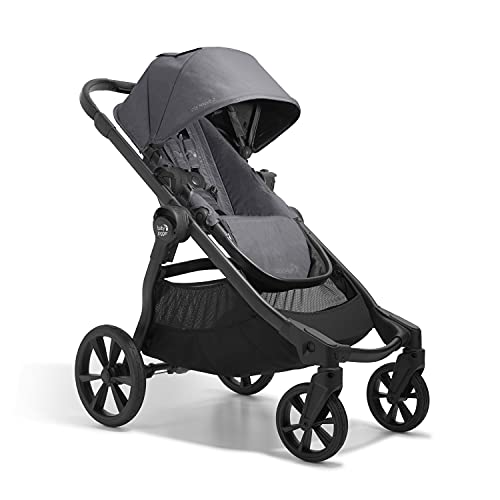
Almost no jogging stroller accepts an infant car seat directly. Instead, you buy a separate adapter that clips onto the frame and holds the car seat in place of one of the regular seats. This is where a lot of families get tripped up, because adapters are brand and often model specific. A car seat that clicks neatly into one stroller frame may not fit another frame from the same brand's different product line.
Before buying anything, confirm two things: which infant car seat brands the stroller's adapter supports, and whether the frame can only take one adapter or two at once. Some doubles are built to run with two infant car seats side by side for younger twins, but most families with an infant and a toddler only need a single adapter, since the older child rides in the stroller's own seat. If you're weighing a broader set of options beyond dedicated joggers, it's worth comparing standard strollers designed to pair with an infant car seat before committing to one built specifically for running.
Also check the weight capacity listed for each seat position separately, not just the stroller's combined total. A frame rated for a high combined weight can still have a lower limit on one individual seat, which matters once your toddler passes the toddler seat's own cutoff.
Front Wheel, Suspension, and What Running Actually Requires
The single biggest mechanical difference between a jogging stroller and a regular double stroller is the front wheel. A true jogging stroller has a front wheel that locks straight for running and unlocks to swivel for everyday maneuvering, like navigating a grocery store aisle or turning a tight corner on a walk. Running with the wheel unlocked and swiveling is genuinely unsafe at speed, since the wheel can shimmy or catch, so that lock is not a minor feature.
Larger, air-filled tires with real suspension absorb bumps far better than small hard plastic wheels, which matters when you're covering trails, gravel paths, or uneven sidewalks rather than smooth pavement. A hand-operated brake, mounted at the handlebar, lets you slow down without breaking stride, which is safer than relying only on a foot-activated parking brake.
The Wrist Strap Is Not Optional
Every jogging stroller should come with a wrist strap that attaches to the handlebar, and it should be used on every run, not just downhill ones. If your grip slips or you stumble, the strap keeps the stroller from rolling away with your kids in it. It takes a few seconds to clip on and it is the cheapest safety feature the stroller has.
Fitting the Stroller Into Doorways, Trunks, and Daily Life
A stroller you love on the running trail still has to survive your actual house and car. Side-by-side doubles are noticeably wide, often close to or beyond the width of a standard doorway, which turns getting in and out of your home into its own daily negotiation. Measure your front door, hallway, and elevator before assuming a side-by-side will work.
Folded size and weight matter just as much once you're loading and unloading a trunk on a regular basis. Tandem strollers generally fold into a narrower package than side-by-side models, though both types of double strollers are heavier than single strollers, and that weight only grows once you add an infant car seat and toddler seat cushions. If running speed isn't your top priority and your budget is tighter, it's also worth looking at a standard everyday stroller built for an infant and toddler pair, since a dedicated jogging frame is a specialized purchase you may not need for daily errands.
Loaded weight, meaning the stroller plus both kids plus whatever you're carrying underneath, affects how it handles on hills and how tired your arms get by the end of a walk. A large under-seat basket helps you avoid hanging bags off the handlebar, which can tip a lighter stroller backward. Weigh these everyday logistics as heavily as running performance when you're narrowing down the best double jogging stroller for infant and toddler use, since the stroller has to work for you on ordinary days, not just on runs.
Frequently Asked Questions
Can I run with a newborn in a double jogging stroller?
No. Most manufacturers and pediatric guidance recommend waiting until a baby is around six months old and has solid head and neck control before jogging with them, even with an infant car seat attached.
Do I need an adapter for every infant car seat brand?
Yes, in almost all cases. Adapters are specific to the stroller frame and often to the car seat brand or model, so you need to check compatibility for your exact combination before buying.
Is a tandem or side-by-side stroller easier to push?
Side-by-side strollers generally feel more balanced and predictable at a jogging pace because the weight is even on both sides. Tandem strollers can feel less nimble due to their longer wheelbase, though they fit through doorways more easily.
Can one seat hold an infant while the other holds a toddler at the same time?
Yes, this is the standard setup for mixed-age siblings. One seat position takes the infant car seat and adapter, while the other seat is used in its regular, upright toddler configuration.
How much does a double jogging stroller typically weigh?
Double jogging strollers are heavier than single strollers due to the larger frame, bigger wheels, and dual seating, and that weight increases further once both children and their gear are loaded in.
Will a double jogging stroller fit through a standard doorway?
Tandem, inline models are more likely to fit through a standard doorway than side-by-side models, which are often as wide as or wider than the doorway itself. Always check the stroller's listed width against your own home.
Do both seats need to recline the same amount?
No, and for an infant and toddler pair they usually shouldn't. Look for a stroller where at least one seat reclines flat for the infant while the other offers multiple upright positions for the toddler.
Matching the Stroller to How You'll Actually Use It
There is no single layout or wheel setup that works for every family, and that's the real takeaway here. The best double jogging stroller for infant and toddler households comes down to matching seat recline, car seat adapter compatibility, and front wheel locking to how often you actually run versus walk, and how wide your doorways and sidewalks are. Weigh those factors against your daily routine rather than a spec sheet, and the right stroller becomes a much easier call.