
Best Stroller for Infant and Toddler Under $200: A Complete Buying Guide
Disclosure: We may earn a commission when you buy through links on this page, at no extra cost to you. As an Amazon Associate I earn from qualifying purchases. Learn more
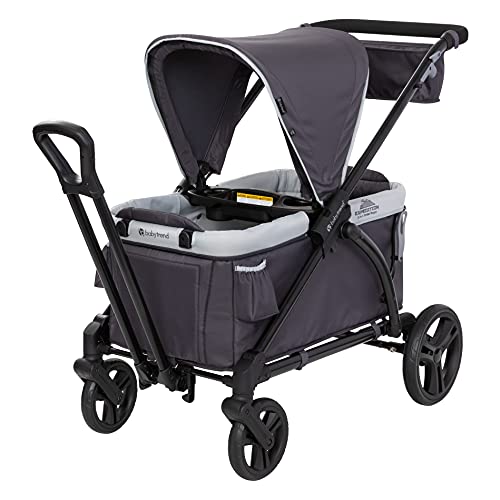
Shopping for a stroller for infant and toddler under $200 puts you at the tightest budget in this category, and it is worth knowing upfront what that ceiling actually buys. Plenty of listings promise a stroller that works "from birth to 55 pounds," but that claim only holds up if the recline, harness, and adapter system genuinely support a newborn and not just a description on a product page. This guide walks through what a sub-$200 pick realistically delivers, where the savings show up compared to pricier tiers, and how to confirm a stroller can actually carry your child through both stages instead of just one.
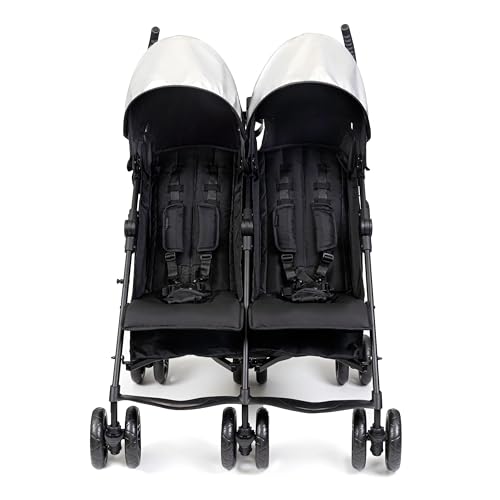
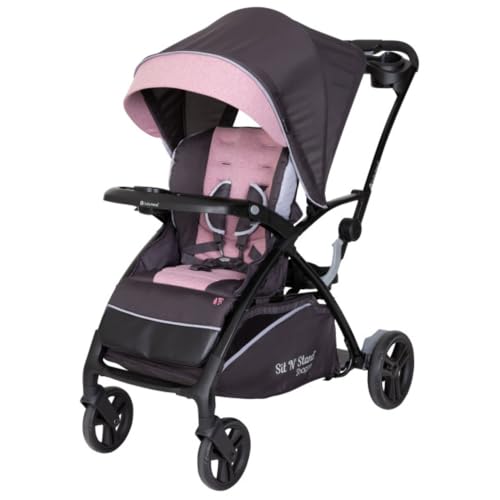

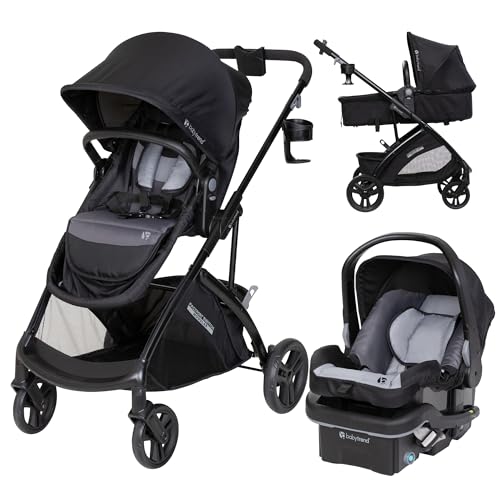

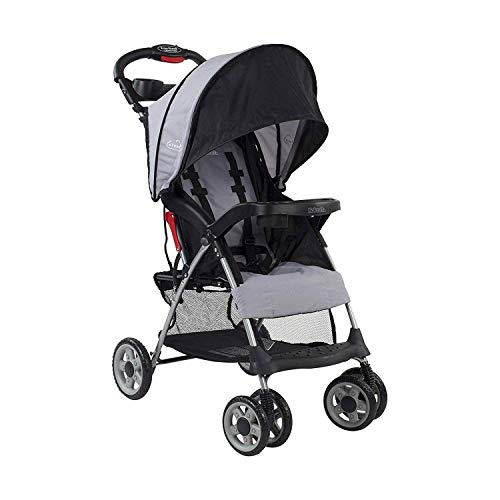
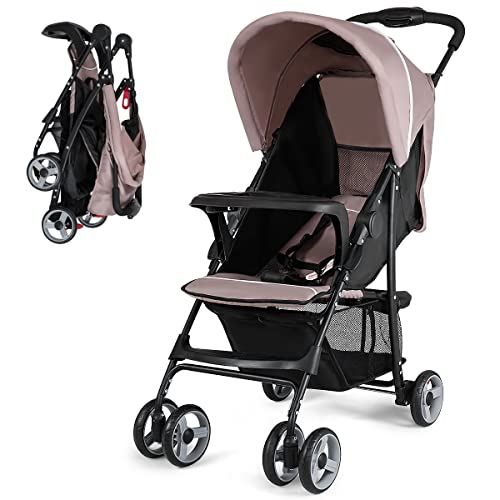
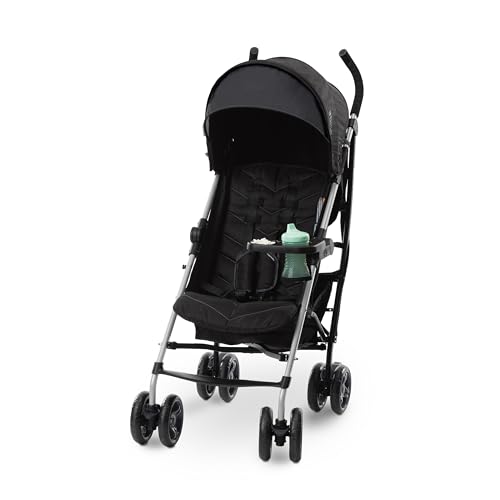
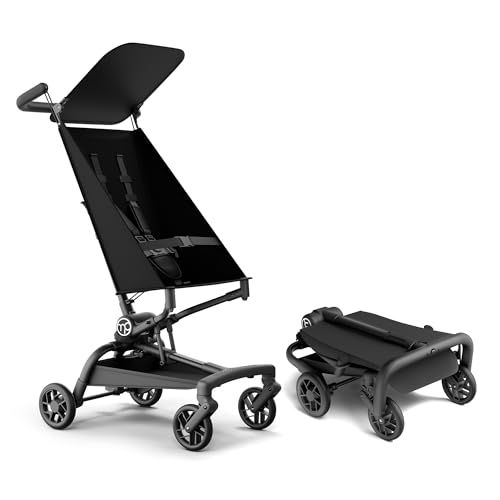

The Trade-Offs Behind a Stroller for Infant and Toddler Under $200
At $300 and $400, strollers tend to add features like all-wheel suspension, reversible toddler seating, and adapters that fit a wider range of car seat brands out of the box. A $200 stroller can still cover the basics that matter for safety, a reclining seat, a real harness, and a weight limit that stretches into toddlerhood, but you should expect a heavier steel frame instead of aluminum, a smaller storage basket, and a fold mechanism that takes two hands instead of one. If a smoother ride or broader adapter compatibility matters more to you than the price gap, it is worth comparing this tier against a stroller for infant and toddler under $300 before you commit.
None of that makes a $200 stroller unsafe. It just means the money goes toward the frame and harness first, and the convenience extras get trimmed. Wheels are usually plastic with basic foam or air-free tires rather than the sealed suspension systems you would find on a $400 model, so expect a bumpier ride on cracked sidewalks or gravel paths. Knowing that trade-off ahead of time keeps you from feeling shortchanged later when you notice the basket is smaller or the fold is slower than a friend's pricier model.
Recline Angle and Weight Capacity: The Two Numbers That Make Dual-Stage Use Real
Two specs decide whether a budget stroller for infant and toddler under $200 genuinely spans both stages, or whether it is only rated for one of them on paper.
Why a Near-Flat Recline Still Matters for a Newborn
A newborn needs to lie almost flat, since their neck muscles cannot support an upright position yet. Look for a recline that reaches somewhere close to 165 to 175 degrees, not just "multi-position recline," which can mean the seat still stops well short of flat. If the listing does not state a specific recline angle, assume it is not deep enough for daily newborn use without an insert.
Weight and Height Limits That Actually Cover the Toddler Years
Many budget frames are rated to 40 or 50 pounds, which is enough to carry most kids through age three or four. Check the seat's height limit too, since a tall toddler can outgrow the canopy or footrest clearance before hitting the weight cap. A stroller that only lists a weight limit and skips the height limit is one to double-check before buying, and reading a handful of recent owner reviews for exactly this issue tends to reveal problems faster than the spec sheet does.
Car Seat Adapters and Infant Inserts: Verifying the "Works From Birth" Claim
This is where a genuine stroller for infant and toddler under $200 separates itself from one that is simply cheap. If the stroller is meant to carry a newborn from day one, it needs either a true flat recline with a supportive insert, or a car seat adapter that lets you click in the infant seat you already own.
Brand-Specific vs Universal Adapters
Most budget stroller frames only ship with an adapter for their own matching car seat, sold as a set. If you already own a car seat from a different brand, you will likely need to buy a separate universal adapter, and not every combination is compatible, so check the stroller manufacturer's adapter list before buying rather than assuming it will fit. Some frames also list "compatible with major infant car seat brands" without naming which ones, and that vague wording is usually a sign you should email the manufacturer or check current owner reviews before ordering. If you would rather skip that guesswork entirely, browsing strollers that already bundle a matching car seat removes the compatibility question altogether.
When You Still Need an Infant Insert
Even with a deep recline, most car seat and stroller manufacturers recommend a head and body insert for babies under about 11 or 12 pounds, since the seat's padding is built for a bigger child. If you are also shopping for the car seat side of this setup on a similar budget, it can help to compare it against a toddler car seat under $200 so both pieces of gear land in the same price range.
Fold Size, Storage, and Everyday Handling on a Budget Frame
Budget dual-stage strollers are usually heavier than the ultra-light umbrella strollers built for quick errands, because the frame has to support a toddler's weight and a deeper recline. Expect something in the 20 to 27 pound range rather than the 12 to 15 pounds you would get from a stroller built purely for portability. If daily portability matters more to you than carrying a newborn safely, a lighter option like a stroller under $200 built around a compact, single-purpose frame might suit your routine better.
Storage baskets on this tier also run smaller than on pricier models, so a large diaper bag may not fit underneath without some rearranging. Test the fold before you buy if you can, since a two-hand fold that takes practice is common at this price and worth knowing about before you are doing it one-handed at a car trunk.
Safety Certifications Worth Confirming No Matter the Price
Regardless of budget, a stroller sold for US use should meet ASTM F833 safety standards and carry JPMA certification if the brand participates in that program. Confirm the harness is a full 5-point design, not just a waist strap, and check that the parking brake engages both rear wheels rather than just one. These basics do not disappear at a lower price point, and a listing that skips them entirely is worth skipping in return. It also helps to check how the fabric is rated for cleaning, since a stroller carrying a child daily for two to three years will need regular washing, and a seat cover that only spot-cleans tends to look worn out well before your child ages out of it.
Frequently Asked Questions
Can a stroller under $200 really work for both a newborn and a toddler?
Yes, as long as it has a near-flat recline, a proper 5-point harness, and a weight limit that reaches at least 40 to 50 pounds. The features exist at this price, but you have to check for them specifically rather than trust the marketing copy.
Do I need an infant insert if the stroller already reclines flat?
Usually yes for the first few months. A flat recline handles positioning, but most car seat and stroller makers still recommend a head and body insert for babies under 11 to 12 pounds because the standard padding is sized for an older baby.
Will a budget stroller accept my infant car seat, or do I need a separate adapter?
It depends on the brand. Most budget frames only include an adapter for their own matching car seat, so if you already own a different brand, plan to buy a universal adapter and confirm compatibility before purchase rather than after.
What weight limit should I look for so the stroller lasts into toddlerhood?
Aim for at least 40 pounds, though many budget frames now reach 50 to 55 pounds. Also check the height limit, since a tall toddler can outgrow the seat's clearance before reaching the weight cap.
Are strollers under $200 safe for newborns?
They can be, as long as the recline reaches close to flat and the stroller meets ASTM F833 standards. Price alone does not determine safety, the specific recline angle and harness design do.
What's the real difference between a $200 stroller and a $300 stroller for infant-to-toddler use?
The core safety features are usually similar. The difference tends to show up in frame weight, suspension quality, storage basket size, and how many car seat brands the included adapter supports.
How long will a budget dual-stage stroller actually last?
Most well-maintained budget strollers hold up for two to three years of regular use, which typically covers newborn through early toddler. Wheels, fold hinges, and harness buckles are usually the first parts to wear, so testing those before every outing is a reasonable habit once your child passes the one-year mark.
Setting Realistic Expectations at This Price
A stroller for infant and toddler under $200 can genuinely carry your child from the newborn stage through the toddler years, but only if you confirm the recline, weight limit, and adapter compatibility before buying rather than after. Treat the price tag as a starting filter, not the final answer, and check those three details on any model you are considering.