Best Smokeless Indoor Grill: A Complete Buying Guide
Disclosure: We may earn a commission when you buy through links on this page, at no extra cost to you. As an Amazon Associate I earn from qualifying purchases. Learn more

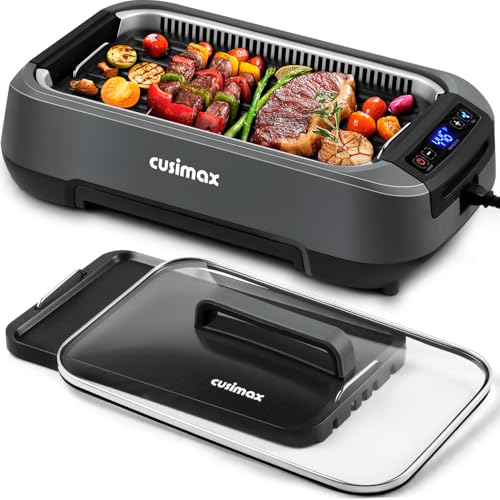
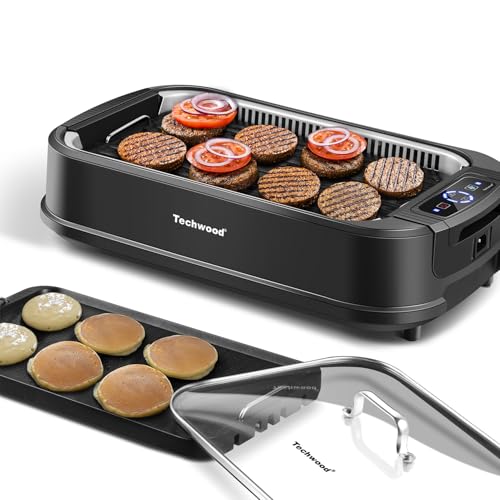
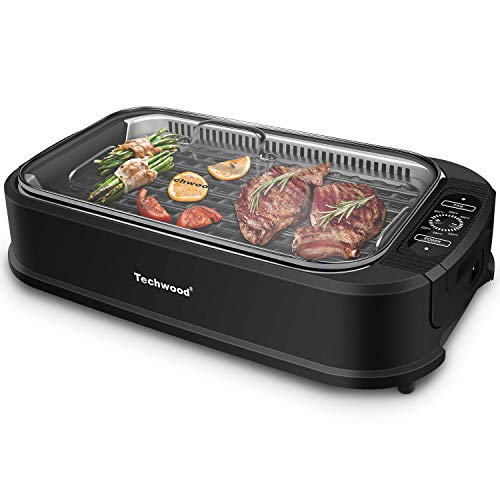
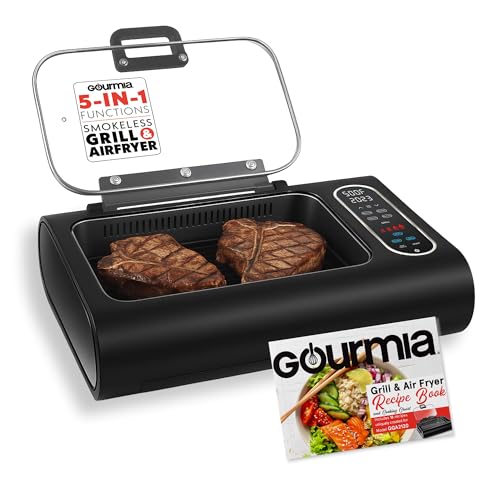
A countertop grill labeled "smokeless" still needs somewhere for the smoke to go. Most models rely on an internal fan and a water-filled drip tray that pull grease vapor down and away from the cooking surface, and that system does a decent job with chicken breast or vegetables. Push a fatty burger or a marbled steak onto the same plate, and smoke often shows up anyway, just a few minutes later than it would with a stovetop pan. People search out these grills to solve one of three problems: no working range hood, a lease that bans open-flame cooking, or a smoke detector that trips the moment anything gets seared. This guide covers what actually controls smoke output, where these grills tend to fall short once they leave the box, and how to size one for the kitchen you actually have.


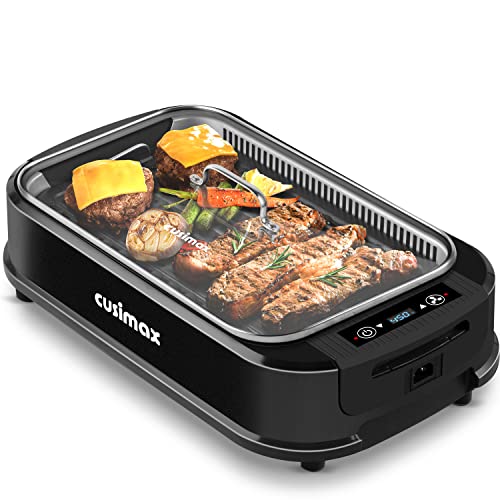
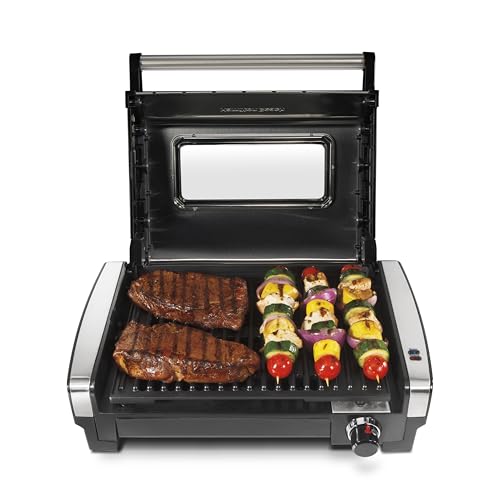


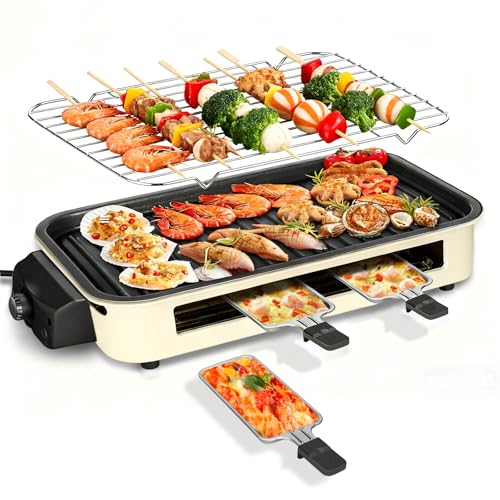
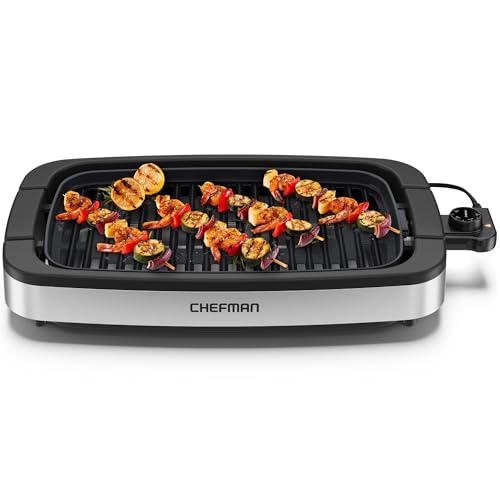
Why "Smokeless" Still Means Some Smoke
Online reviews for popular indoor grills repeat the same pattern. A buyer cooks lean chicken or shrimp for the first few uses and is impressed by how little smoke reaches the ceiling. Then they cook bacon or an 80/20 burger, and the unit smokes noticeably, sometimes enough to set off a nearby detector. One recurring complaint from a shopper who returned a grill within a week put it bluntly: it wasn't hot enough for a proper sear, and the smokeless claim didn't hold up once real fat hit the plate. That gap between marketing copy and kitchen reality is worth expecting going in. No countertop grill eliminates smoke entirely; the better ones just delay and reduce it enough that a cracked window or a range hood on low can keep up.
How the Fan and Water Tray Actually Work
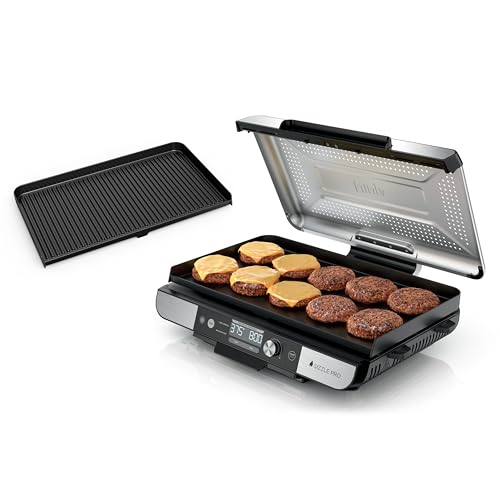
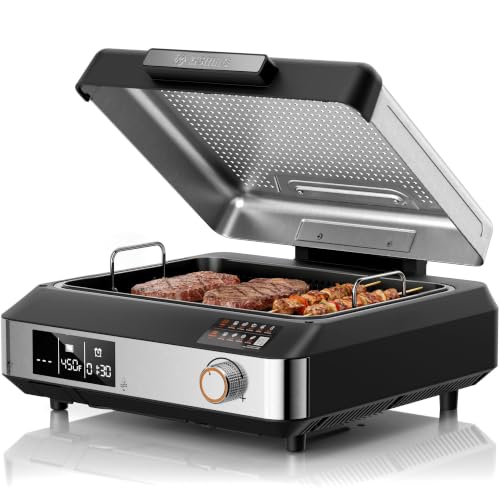
The core mechanism is straightforward. A fan built into the base pulls air across the cooking surface, dragging rising smoke and steam down instead of letting it drift upward into the room. Below that fan sits a water reservoir or a solid drip tray that catches grease and cools it before it can scorch and start smoking on its own. A slanted or ridged plate helps by channeling grease away from the heat source as it renders. Grills that skip the fan and rely only on plate geometry still cut down on smoke compared to a flat pan, but they lean much harder on you keeping portions lean and turning food before fat has time to pool and burn.
Fat Content Decides How Much Smoke You Get
Smoke comes from rendered fat hitting a hot surface, not from the meat itself. A trimmed chicken thigh or a piece of fish produces very little smoke on almost any indoor grill. A fatty rib eye, sausage, or bacon produces a lot, regardless of what the box promises. If you plan to cook higher-fat cuts regularly, trim visible fat before it hits the plate, cook in smaller batches so grease doesn't pool, and use an oil with a high smoke point rather than butter or olive oil. Pulling food off at the right internal temperature also helps, since overcooking dries out the surface and increases the odds of flare-ups. A simple probe model from a guide like this roundup of grilling thermometers takes the guesswork out of knowing when a thick cut is actually done instead of leaving it on longer than it needs.
Check Your Outlet Before You Buy
Indoor grills typically draw somewhere between 1,000 and 1,500 watts, which works out to roughly 8 to 12 amps on a standard 120-volt outlet. That's usually fine on its own, but most household circuits share one 15- or 20-amp breaker across several outlets in the same room. Run a grill alongside a microwave, toaster, or space heater on that same circuit, and the breaker can trip mid-cook. This shows up most often in studio apartments and older buildings with fewer dedicated circuits per room. Before buying, check the grill's wattage against what else typically runs on that outlet, and avoid daisy-chaining it through a power strip already carrying other appliances.
The Cleaning Step Most Buyers Skip
Wiping down the grill plate and rinsing the drip tray is the easy part, and most of those pieces are dishwasher safe. The part that gets ignored is the fan housing itself, where grease vapor condenses over repeated use. Several owners of fan-equipped indoor grills report that units still smoke or trigger a nearby smoke detector even after a normal cleaning, simply because the fan intake and housing were never opened up and wiped out. Check the manual for how to access that area safely, and build it into your cleaning routine every few weeks rather than only when performance visibly drops. Heat-resistant gloves make it easier to handle a plate or housing that's still warm right after cooking; a set from a grill glove buying guide is worth having on hand for that reason alone.
Living With One Near a Sensitive Smoke Detector
Photoelectric smoke detectors, the type most common in apartments, can struggle to tell dense steam from actual smoke. Grilling anything with real moisture content, not just smoke-producing fat, can set one off. A few habits help: run a range hood or box fan on low while cooking, keep the grill a few feet from the detector rather than directly underneath it, and crack a window if the kitchen has one. Many modern detectors also include a hush or reduced-sensitivity button that mutes the alarm for 15 to 20 minutes without disabling it completely, which is useful for a known short burst of steam rather than leaving the unit unprotected. Moving the detector itself should only be done within code and ideally by a professional, since it's still your primary fire safety device.
Matching Size to How You Actually Cook
Cooking surface area varies more than most product photos suggest. A compact single-plate grill suits someone cooking for one or two people who wants it to disappear into a cabinet between uses. Anyone feeding four or more regularly will find a small plate frustrating fast, since food has to be cooked in batches while earlier portions go cold. Factor in clearance too: fan vents and a cord need a few extra inches of open space around the unit, so a grill that looks compact in a product photo can still crowd a small counter. If smoke control matters less than pure convenience and you have outdoor access even occasionally, a lighter option like the ones covered in this portable outdoor electric grill guide sidesteps the indoor smoke question entirely.
Setting Expectations Before You Buy
The honest takeaway is that a fan-and-tray system meaningfully reduces smoke compared to a bare pan or a fanless grill, but it doesn't erase it, especially with fatty cuts pushed too close to their smoke point. Buyers who go in expecting a quieter kitchen rather than a completely smoke-free one tend to end up satisfied. Buyers expecting zero smoke from a rib eye tend to be the ones writing the frustrated reviews. Match your expectations to your cooking habits, check the outlet situation ahead of time, and build fan cleaning into your routine, and an indoor grill can genuinely replace a good chunk of outdoor grilling for most of the year.