Best Portable Outdoor Electric Grill: Buying Guide
Disclosure: We may earn a commission when you buy through links on this page, at no extra cost to you. As an Amazon Associate I earn from qualifying purchases. Learn more
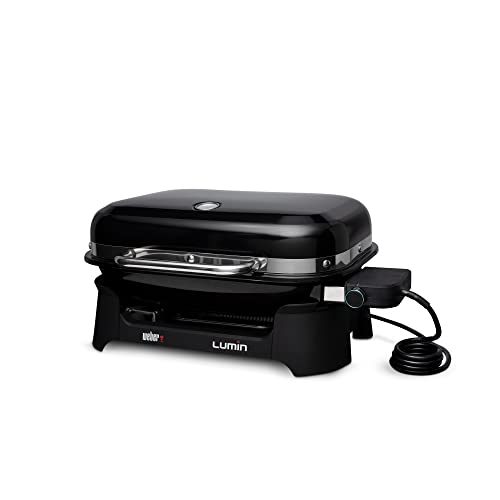
Not everyone has a backyard where charcoal smoke and open flame are welcome. Condo boards, apartment leases, and even some campgrounds restrict anything that burns, which is exactly why a portable outdoor electric grill has become the practical answer for renters, RV owners, and anyone who wants grilled food without the fire-code headache. It plugs in, heats evenly, and packs away without the ash cleanup that comes with charcoal.
The tradeoff is that electric grills live and die by their power source and build quality, not by fuel type or flavor additives. Below we walk through what actually matters when shopping for one, where these grills earn their keep, and how they stack up against the charcoal option most people default to first.

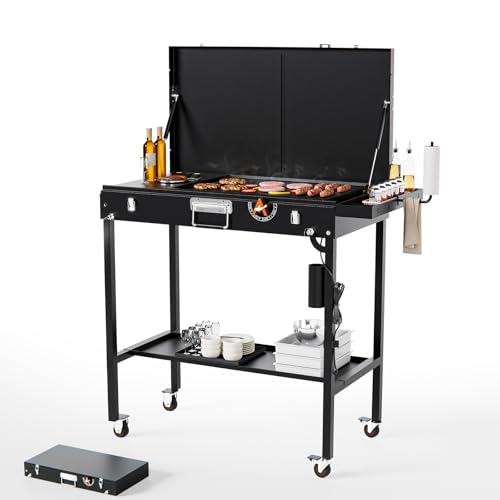

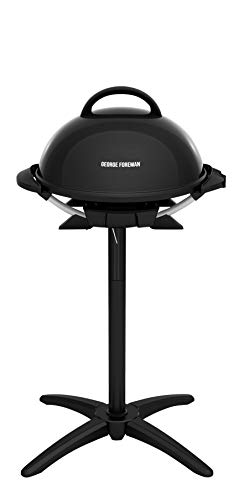
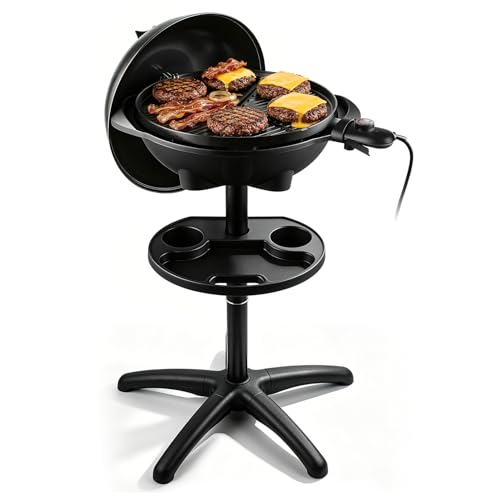
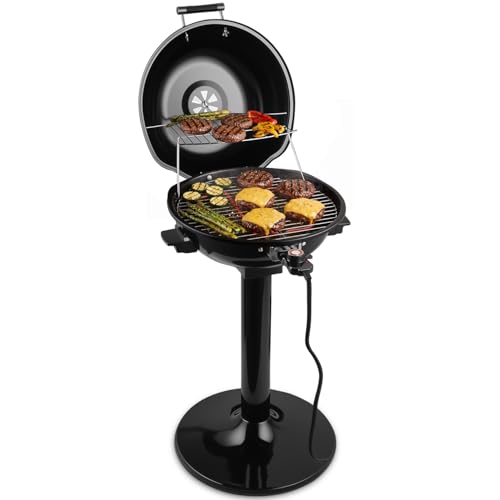
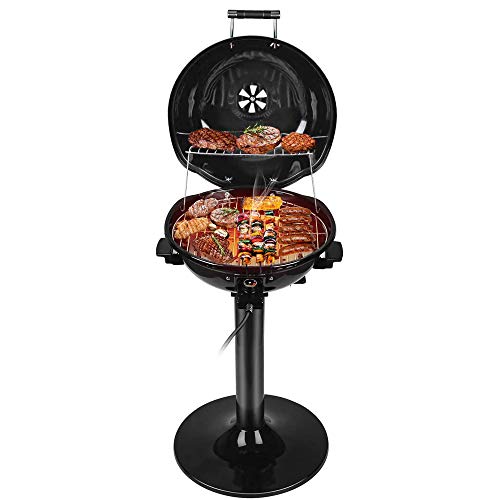
Power and Wattage: Matching the Grill to Your Outlet
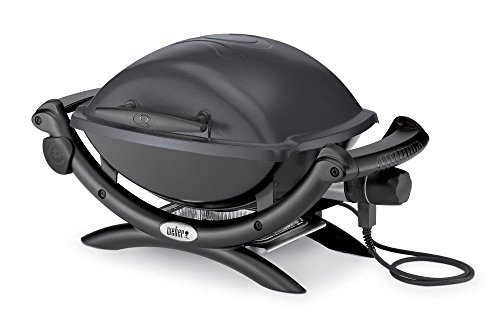
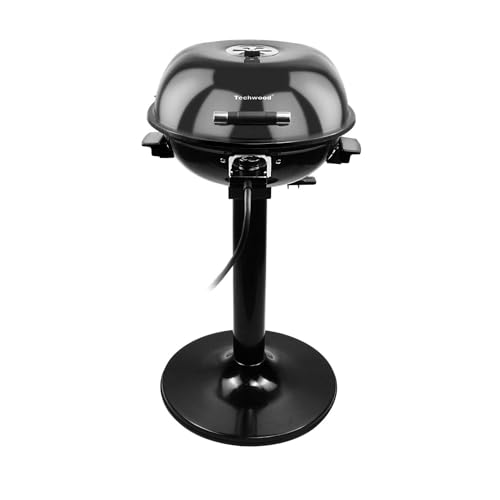
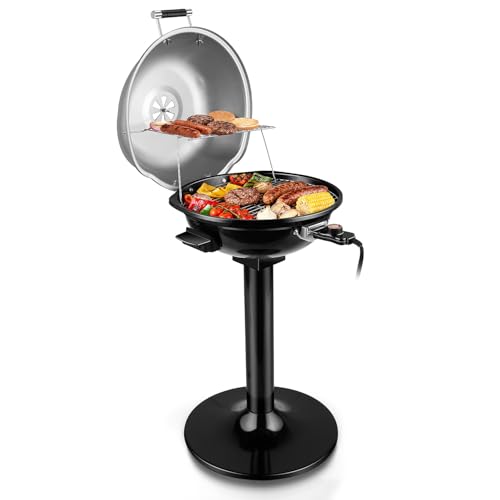
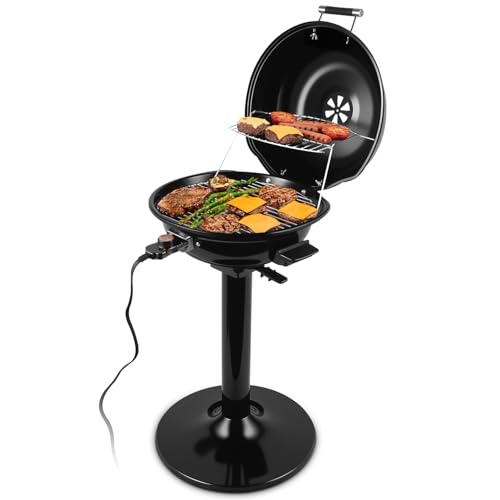
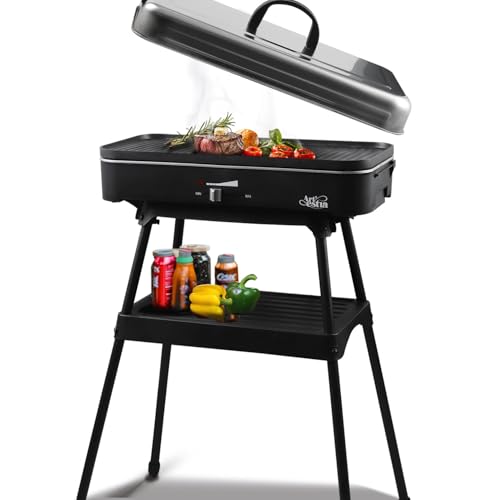
Electric grills are rated in watts, and wattage is the single biggest factor separating a grill that sears properly from one that just warms food. Compact tabletop models often run 1,000 to 1,500 watts, which is fine for burgers and vegetables but slow to develop a real crust on a steak. Larger cart-style units can pull 1,600 watts or more, which is close to the maximum a standard 15-amp household circuit can handle alongside other appliances.
Before buying, check whether the grill needs a dedicated circuit or can share one safely. Most residential outlets are rated for 15 or 20 amps at 120 volts, so a grill drawing 1,800 watts is already close to tripping a breaker if anything else is plugged into that circuit. Reading the wattage label first saves a return trip to the store later.
Weatherproof Build Quality for Life Outdoors
An indoor countertop grill and an outdoor-rated one are not interchangeable, even if they look similar in a photo. Outdoor electric grills need sealed control housings, corrosion-resistant hardware, and cords rated for outdoor use, since rain, humidity, and temperature swings will find any weak point over a season or two.
Stainless steel or powder-coated steel bodies hold up better than painted aluminum, particularly near coastal air or in humid climates. It also helps to check the manufacturer's rating for the housing; a grill marketed as "outdoor safe" should specify some level of weather resistance rather than just a general disclaimer.
- Sealed or gasketed control panel to keep moisture out of the wiring
- Cord and plug rated for outdoor/wet-location use
- Rust-resistant grates, legs, and hinges
- A cover or storage bag included or sold separately
Where Outdoor Electric Grills Make the Most Sense
The obvious use case is anywhere open flame is restricted but power is available: apartment balconies, condo patios, and townhome courtyards where charcoal and propane are often banned outright by lease or fire code. Because there's no flame or fuel canister, many buildings that prohibit gas and charcoal grills still allow electric ones, though it's worth confirming with a property manager rather than assuming.
Campsites with electrical hookups are another good fit, especially for RV and cabin campers who want grilled food without hauling propane tanks or bags of charcoal. Tailgating near a generator or a vehicle inverter works too, as long as the wattage math checks out. What doesn't work well is anywhere without reliable power nearby; a long extension cord run across a lawn or dock is both a tripping hazard and a fire-code violation in most places.
Even Heat vs. Charcoal Flare-Ups: The Real Tradeoff
Charcoal delivers smoky flavor that electric simply cannot replicate, and that's worth being upfront about. What electric gives back is consistency: a heating element holds a set temperature without the flare-ups caused by dripping fat hitting hot coals, which means fewer scorched spots and less babysitting the grill surface.
That consistency also means faster, more predictable cook times, since there's no waiting for charcoal to ash over or worrying about wind gusts messing with airflow. For weeknight cooking or small households that grill often, that predictability tends to matter more than smoke flavor. For weekend cookouts built around slow-smoked flavor, charcoal still wins, and pairing an electric grill with a good meat thermometer for grilling closes most of the doneness gap anyway.
Safe Setup: Outlets, Cords, and Placement
Any electric grill used outdoors should plug into a GFCI outlet, which is required by code for outdoor receptacles in most jurisdictions and cuts shock risk dramatically if moisture reaches the cord. If the only nearby outlet isn't GFCI-protected, a portable GFCI adapter is a cheap fix.
Extension cords need to be rated for outdoor use and sized for the distance and wattage involved; a light-duty indoor cord will overheat under a grill's draw. As a rough guide, shorter runs under 25 feet can typically use a 14-gauge cord, while longer runs call for heavier 12-gauge cable rated for at least the grill's full wattage.
Placement matters as much as the outlet itself. Keep the portable outdoor electric grill at least a few feet from siding, railings, and anything flammable, and never run it under a roof overhang without ventilation, since electric models still produce steam and some smoke from drippings.
- Use a GFCI outlet or portable GFCI adapter, never a standard indoor outlet
- Match extension cord gauge to cord length and grill wattage
- Keep clearance from railings, walls, and overhangs
- Store the unit dry and covered between uses to protect the housing
Frequently Asked Questions
Can I use an electric grill on an apartment balcony?
Often yes, since most fire codes and lease restrictions target open-flame appliances like charcoal and propane. Confirm with the property manager or HOA first, as rules vary by building and municipality.
Do electric grills get hot enough to sear meat?
Higher-wattage models, generally 1,600 watts and up, can reach searing temperatures. Lower-wattage tabletop units cook well but may struggle to develop a deep crust on thick cuts.
Also, the answer varies by cooking surface and preheat time; giving the grill a full preheat cycle before adding food makes a noticeable difference.
Is an outdoor electric grill safe to use in the rain?
Only if it's rated for wet-location use and plugged into a GFCI outlet. Even weather-resistant models generally shouldn't be run in heavy rain or left uncovered when not in use.
Do electric grills need a special outlet?
Most run on standard 120-volt household power, though higher-wattage units may need their own circuit. Always check the label for amperage draw before assuming a shared outlet can handle it.
How long do outdoor electric grills typically last?
With regular cleaning and dry storage, a well-built unit can last several years. Corrosion on the heating element or control panel from moisture exposure is the most common failure point.
Can I use a portable electric grill for camping without hookups?
Not without a power source. A generator or a large enough battery inverter can run one, but the wattage draw makes them less practical than propane or charcoal for off-grid camping.
Ready to Grill Wherever You Live
A portable outdoor electric grill earns its place for people who want grilled food without a fire-code fight or a bag of charcoal to haul around. The formula for picking a good one is simple: check the wattage against your outlet, confirm the housing is genuinely rated for outdoor weather, and set it up on a GFCI-protected circuit with the right cord.
Once those boxes are checked, the rest comes down to preference. Anyone stepping up from a basic countertop unit might also want to look at a solid grill cover to protect the investment, since UV exposure and rain are what typically end a grill's life early rather than the cooking itself. Pair the grill with a reliable pair of grill gloves for handling hot grates, and check out options for a weatherproof grill cover to extend the unit's lifespan through the off-season.